







Elgeyo Marakwet County is facing alarming challenges as it grapples with rising rates of new HIV infections, teenage pregnancies, and Gender-Based Violence (GBV).
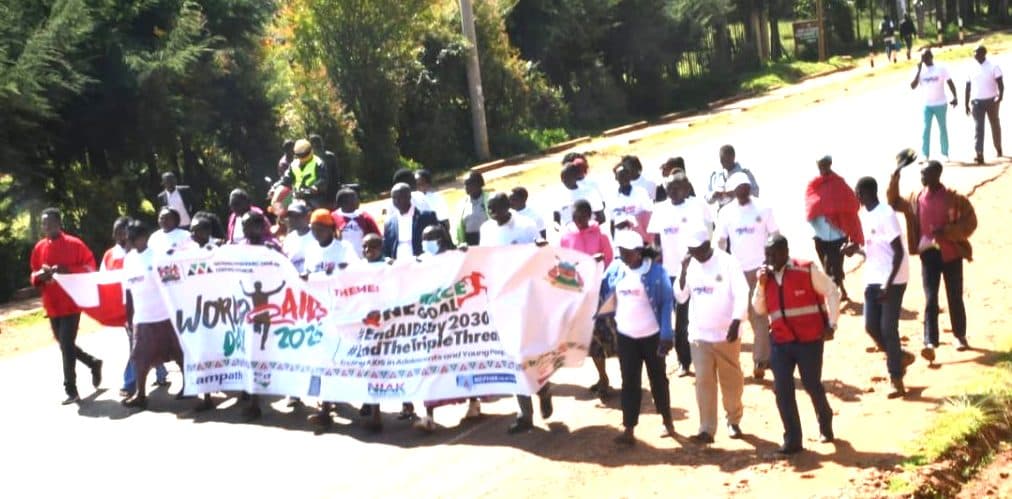
The county, which marked World AIDS Day in Iten with a call to action, is facing urgent needs in addressing these health and social issues, especially among its young population.
According to the county’s latest data, 3,075 adolescent pregnancies have been recorded this year, with a staggering 47% of those pregnancies involving girls aged between 10 and 14 years.
This troubling trend has caught the attention of local leaders, who are now pushing for more effective interventions.
Elgeyo Marakwet Governor Wisley Rotich expressed deep concern during the World AIDS Day celebrations, noting that adolescents account for 14% of all antenatal clinic attendance and 11% of the county’s Gender-Based Violence cases. He said these statistics reflect a broader societal challenge that cannot be ignored.
Governor’s Call
In a speech delivered on his behalf by CEC Health Monica Rotich, the governor addressed the rising HIV infections among youth. “Young people aged between 15-24 years now contribute 15% of the 123 new HIV infections recorded in the county,” Governor Rotich said.
He also highlighted that 33 new HIV infections were recorded among children aged between 0 and 14 years, bringing the total number of people living with HIV in the county to 6,335. The county’s HIV prevalence rate stands at 1.9%, which, while lower than the national average of 3.3%, may be underreported, Rotich warned.
The governor noted that many individuals in the county have yet to get tested, and stigma remains a significant barrier, with some people seeking HIV treatment outside the county. Despite these challenges, Governor Rotich emphasised that the county has made significant strides in HIV treatment and care. “I am happy to report that 95% of people living with HIV know their status, and 82% of those already diagnosed are on treatment. Moreover, 97% of those on treatment have achieved viral suppression,” he said, stressing that such achievements are crucial in reducing transmission and improving the quality of life for those living with the virus.
The governor stressed the importance of addressing the social drivers that continue to place children and young people at risk of HIV and teenage pregnancies. “We cannot stop the spread of HIV without addressing the root causes such as gender inequality, lack of access to comprehensive sexuality education, and the high rates of GBV,” Rotich said. He called for a more robust approach to prevention, particularly in scaling up comprehensive sexuality education and expanding youth-friendly services.
READ ALSO:
https://educationnews.co.ke/kuppet-samburu-in-turmoil-as-executive-secretary-demands-audits-illegal-accounts-closure-and-enforcement-of-court-rulings/
He also underscored the importance of ensuring that every GBV survivor receives immediate care and justice, adding that keeping girls in school and promoting communities that reject violence and harmful gender norms are essential steps toward reducing these risks. “It’s about mobilising the community – parents, teachers, faith leaders, and everyone – to act and create a safe environment for our youth,” the governor said.
Challenges in Funding
The governor also pointed out the declining donor support for HIV programs, describing it as a wake-up call for the government to increase its financial commitment to the fight against HIV. “We must secure resources to ensure that health facilities remain stocked with essential medicines and that services for people living with HIV are readily accessible,” Rotich urged.
In response to the stigma surrounding HIV treatment, the county has adopted an integrated approach where people living with HIV are treated alongside other patients. This integration is aimed at reducing discrimination and promoting a more inclusive health system. Additionally, in partnership with Ampath, the county is establishing an integration centre in Kapcherop, which will serve as a hub of excellence for combining HIV services with routine medical care.
The World AIDS Day event also coincided with the 16 Days of Activism Against GBV, with a special focus on digital violence against women and girls. County Gender Director Joseph Amuke called on girls and women to report incidents of cyberbullying and online harassment. “We must all take a stand against digital violence, and I encourage anyone facing online abuse to report it to the security personnel immediately,” Amuke said.
The theme of this year’s activism is a reminder of the increasing vulnerability of women and girls in the digital age, with many facing harassment and exploitation online. Addressing both physical and digital forms of violence is crucial in protecting the rights and dignity of women and girls in the county.
Moving Forward
As the county continues to battle these intertwined issues of HIV, teenage pregnancies, and GBV, it is clear that a multifaceted approach is needed. Strengthening community-based interventions, enhancing access to education and health services, and fostering a supportive environment free from stigma will be key to reversing these trends. The commitment of county leaders, health professionals, and the community will be essential in ensuring that Elgeyo Marakwet’s young people grow up healthy, safe, and empowered.
By Kimutai Langat
You can also follow our social media pages on Twitter: Education News KE and Facebook: Education News Newspaper for timely updates.
>>> Click here to stay up-to-date with trending regional stories
>>> Click here to read more informed opinions on the country’s education landscape


Reader Discussion (0)
Sign in to comment