
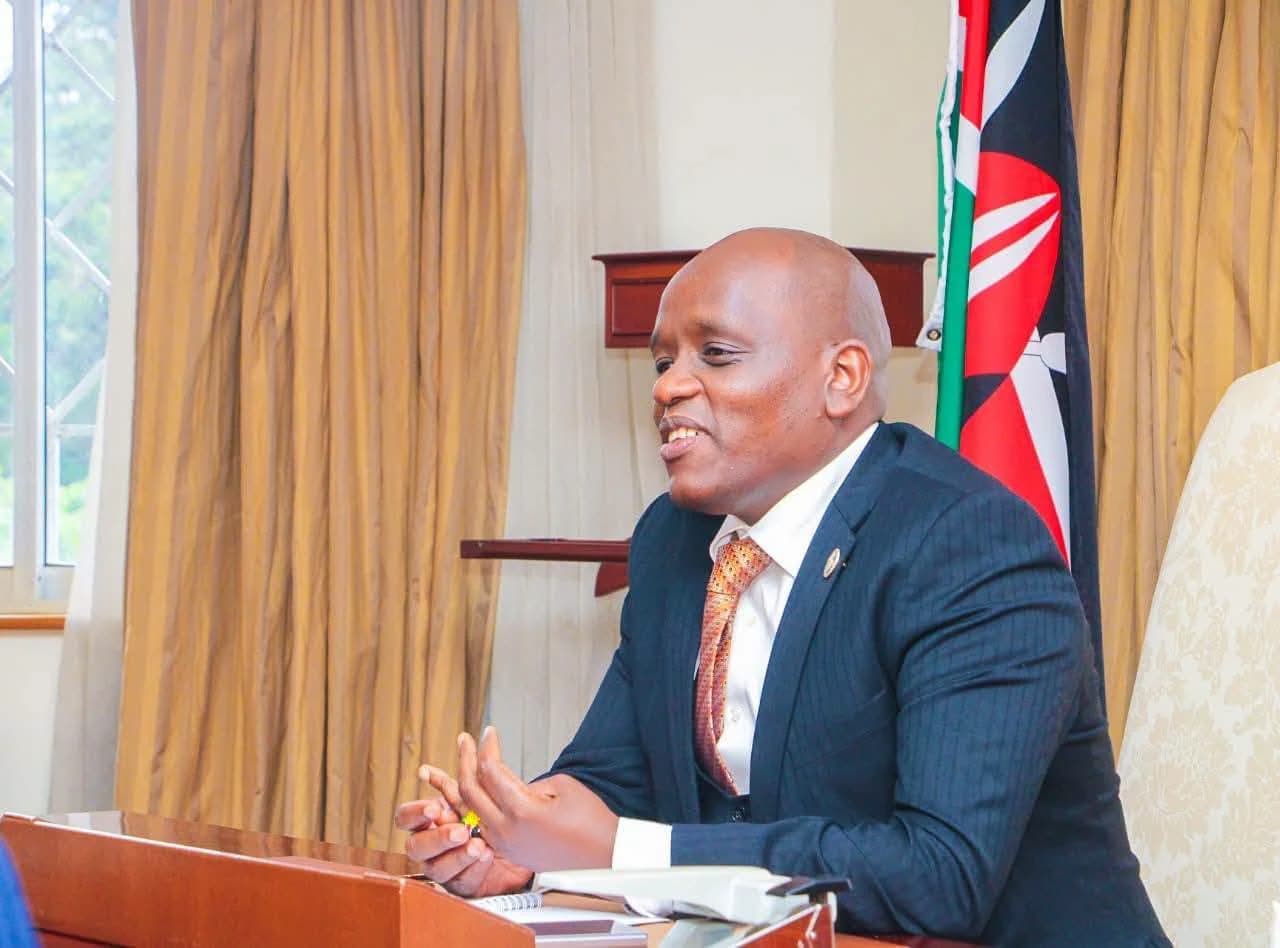








As Cheptumo Ayabei takes up his role as Secretary and Chief Executive Officer of the Teachers Service Commission (TSC), I believe one of his priorities should be to strengthen the connection between teacher training, projected demand and employment opportunities. At the heart of this is aligning the supply of qualified teachers with the country's current and future needs.
Why do we continue training teachers who then spend years waiting for employment? Who determines how many teachers Kenya will need in 2027 and beyond, in which subjects and at which levels? How many qualified teachers leave the country each year to work abroad, and who projects future demand for Kenyan teachers in international markets? How do these domestic and international projections inform admissions into universities and teacher training colleges? These are among the questions we must address when planning the supply and demand of qualified teachers.
Behind every unemployed teacher is an investment of time, money and hope by an individual and a family. When qualified teachers remain outside the profession for years, the country also loses opportunities to benefit from their knowledge and skills.
I believe Ayabei, CEO, TSC, mwalimu wa Mathematics and Economics, is well placed to champion this work. His background in education, mathematics, economics and finance provides a strong foundation for connecting teacher workforce needs with financial planning. He can draw on that experience to lead a coordinated approach to teacher preparation, recruitment and career development.
Workforce planning must extend beyond the next recruitment exercise. It should consider anticipated retirements, learner enrolment, curriculum requirements, subject specialisations, regional staffing needs and teacher departures, including those leaving for opportunities abroad. It must also account for the resources available to employ teachers. Where staffing needs exceed available funding, those gaps should be clearly identified to inform government budgeting.
Reliable projections would help training institutions make informed decisions about admissions and subject combinations. They would also give prospective teachers a clearer understanding of career opportunities before they commit their time and resources to training.
I remember my own journey. TSC first employed me as an untrained teacher, commonly referred to as a UT. I later joined college for my diploma and was posted directly from college after completing my training. The pathway into the profession and the opportunities for growth were clear. I am not suggesting that we return to employing untrained teachers. Rather, we can learn from the clarity and coordination that connected entry into teaching, professional preparation and career progression.
Today, some teachers wait so long for employment that the curriculum they trained to teach has changed before they have had an opportunity to practise. They then require additional preparation before beginning their professional careers. A coordinated system should help keep these teachers connected to developments in education while they seek employment.
Long waiting periods can also leave applicants vulnerable to exploitation, bribery and fraudulent promises of jobs. Transparent recruitment, clear communication and more predictable employment pathways would help reduce that vulnerability.
Effective teacher workforce planning would ultimately strengthen teacher motivation. When recruitment, promotion, deployment and transfers follow clear, fair and transparent processes, teachers can plan their careers with greater confidence. This would help reduce uncertainty and the scramble for employment, promotions and other opportunities.
Better planning would also make it easier to consider transfer requests while maintaining adequate staffing in schools. A fairer distribution of teachers would help balance workloads, giving teachers sufficient time to prepare lessons, assess learning, support individual learners and attend to their own well-being.
Teachers who feel supported, fairly treated and able to grow professionally are better positioned to bring commitment and enthusiasm into the classroom. That motivation can influence the quality of teaching, relationships with learners and the consistency of guidance and discipline.
Although learner discipline is shaped by several factors, motivated teachers working under manageable conditions are better equipped to model positive behaviour, establish clear expectations and guide learners patiently. The benefits are interconnected: sound planning supports fair opportunities and manageable workloads; these strengthen teacher motivation, which supports effective teaching, positive discipline and learner engagement. Better classroom outcomes can, in turn, reinforce teachers' sense of purpose and professional satisfaction.
Teacher workforce planning is therefore an investment in the quality of education. Its impact reaches from admission into a training institution to the daily experience of a learner in the classroom.
Ayabei cannot accomplish this alone. Progress will require collaboration among the Commission, relevant government agencies and training institutions. Key partners include the Commission for University Education (CUE), the Kenya Universities and Colleges Central Placement Service (KUCCPS), universities, teacher training colleges and other education stakeholders. As CEO of TSC, he is well positioned to bring these partners together around a shared teacher workforce plan.
While training cannot guarantee immediate government employment, a coordinated approach can provide clearer information, better preparation and more predictable pathways into the profession, including opportunities beyond Kenya.
Alongside the other responsibilities of his office, teacher workforce planning should receive priority attention. It can strengthen recruitment, deployment, transfers, promotions, succession planning and professional development while improving motivation across the teaching service.
I hope that his leadership will help build a system in which teachers can see a clear path from training to employment, professional growth and retirement, and carry that confidence and motivation into their classrooms.
Success, Cheptumo Ayabei, CEO, TSC, mwalimu wa Mathematics and Economics. May God grant you wisdom as you serve teachers and learners across our country.


Reader Discussion (0)
Sign in to comment