








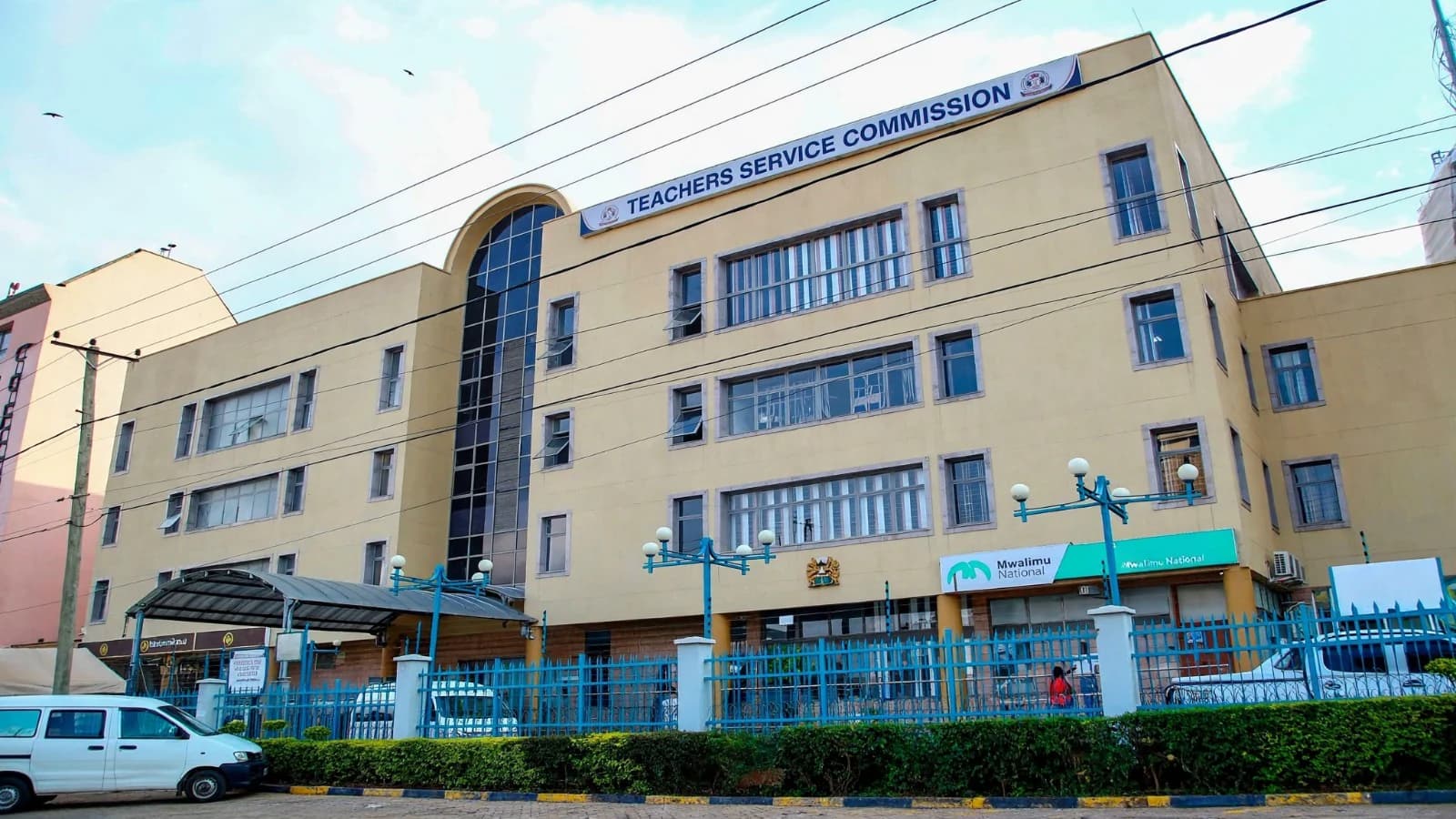
The High Court has dealt a setback to the Teachers Service Commission (TSC) after rejecting its application to lift conservatory orders that suspended a controversial administrative circular regulating teachers’ social media conduct.
The ruling leaves the suspension in force, effectively barring the employer from disciplining educators under the directive pending the full determination of a petition challenging its constitutionality.
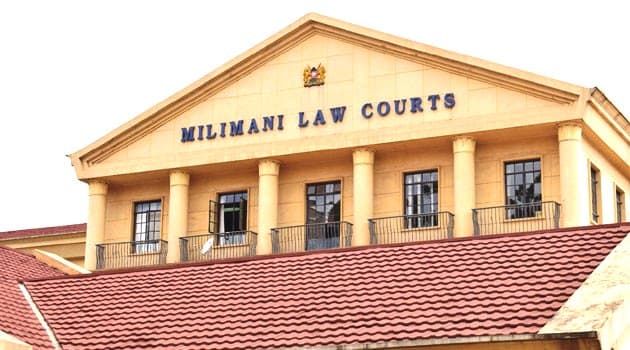
In a ruling delivered by the High Court, the judge found that petitioner Fredrick Ochieng Oduor had established a prima facie case showing the directive was overly vague and posed a threat to teachers’ constitutional right to freedom of expression.
The judge faulted the commission for issuing broad, ambiguous rules without explicitly outlining what online posts or interactions constitute punishable offenses.
“What is clear from the circular is that the same does not sufficiently define or particularise the conduct which may expose teachers to disciplinary action,” the court held.
The court observed that such ambiguity leaves room for arbitrary enforcement and excessive administrative discretion by the employer.
Instead of relying on blanket administrative curbs, the judge advised the TSC to formulate clear, structured guidelines governing digital engagement, reminding the agency that existing laws already provide mechanisms for addressing professional misconduct.
The court emphasized that any statutory or administrative limitation on freedom of expression must have a solid legal basis and comply with the standards of reasonableness and proportionality under Article 24 of the Constitution.
The lawsuit also questions the procedural fairness of the directive, alleging that the commission bypassed mandatory public participation and failed to engage teachers or their union representatives before rolling out the circular.
The court noted that the TSC did not dispute the lack of stakeholder engagement, raising serious constitutional questions regarding compliance with Article 47 of the Constitution and the Fair Administrative Action Act.
In its defence, the TSC had urged the court to discharge the orders, maintaining that the directive fell within its constitutional mandate to regulate the teaching profession and uphold discipline.
However, the judge held that reinstating the circular at this stage would prejudice the substantive petition, which raises weightier questions around fundamental freedoms, fair administrative process, and statutory power.
While the ruling leaves the directive frozen, it does not mark a final verdict on the constitutional validity of the circular. The court will make a final determination after hearing the substantive petition.
The matter will be mentioned on February 3, 2027, for further directions.


Reader Discussion (0)
Sign in to comment