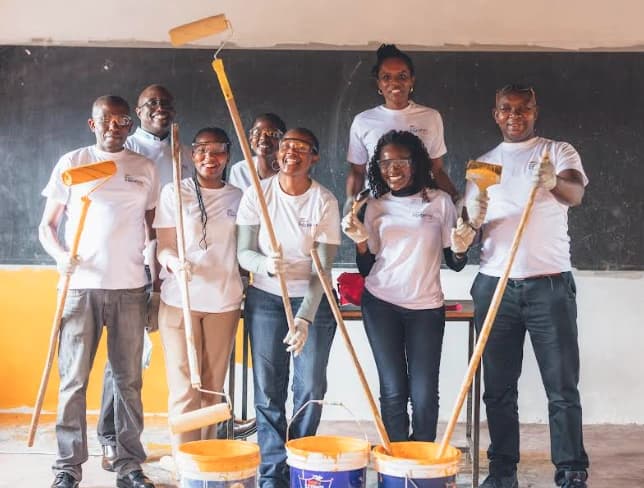

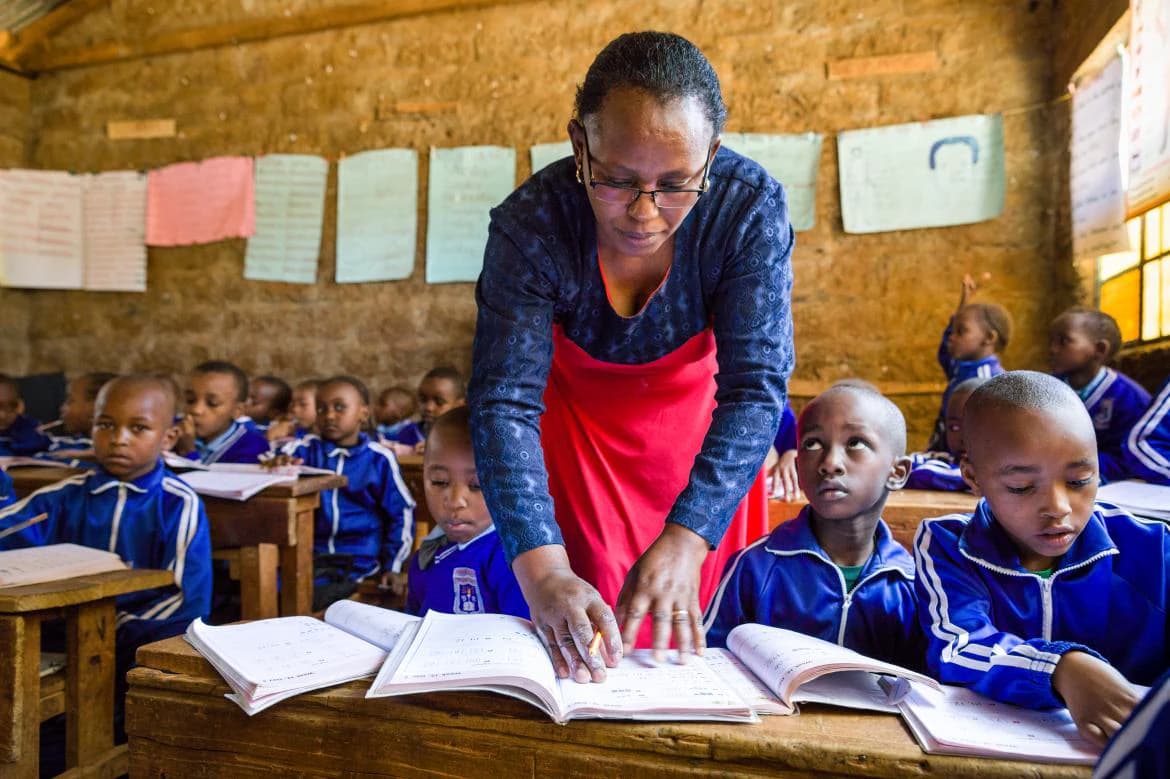





In some local schools, classrooms still lack windows and doors, leaving learners exposed to cold conditions. Yet these communities also have people whose resources, knowledge and influence could help improve such institutions.
When their children attend schools elsewhere, some may feel less connected to the condition of local institutions. But the children who remain deserve safe classrooms and opportunities to learn.
We often say that education is the key to success. What happens when those who acquire that key overlook the doors they could help open for others?
We are encouraged to make our communities proud. Yet individual achievement does not always translate into progress for the places that shaped us. Sometimes, we concentrate on opportunities already available to us while overlooking those we could help create for others.
The continued underdevelopment of some communities raises questions about the contribution of their educated and financially successful members. It also raises questions about the accountability of leaders entrusted with public development resources.
Individuals have every right to pursue opportunities elsewhere. They can also maintain a meaningful connection with the communities they leave behind.
Distance should not mean disconnection
We cannot continue celebrating individual success without considering how it can contribute to addressing the challenges around us.
Education equips people with knowledge and skills that can help them become part of the solutions their communities need.
Educated professionals, successful businesspeople and other financially capable individuals should consider how their expertise, influence and resources can improve opportunities for local children.
Their contribution could support quality learning institutions that serve every child, regardless of their family’s financial position.
Community involvement does not necessarily require people to return physically to their places of origin. Those who have moved elsewhere can still support local schools, mentor young people, create employment opportunities or contribute to community initiatives.
A professional can offer career guidance. A businessperson can help a school identify priority needs and mobilise support. Former pupils can organise mentorship sessions or contribute learning materials.
Contributions should reflect people’s means and the priorities identified by schools and communities. Knowledge, time and professional networks can be valuable alongside financial assistance.
Physical distance should not become social disconnection. The communities that helped shape us should remain part of our concern as our circumstances improve.
Public leaders must account for development resources
Community development cannot rest entirely on educated and financially successful individuals.
Members of Parliament and other public representatives must account for the resources entrusted to them. Funds allocated for education, youth empowerment and other development programmes should reach their intended beneficiaries.
Community contributions should complement public investment, with clear responsibilities and transparency on how resources are used.
Corruption and misuse of development funds undermine opportunities for children whose families already have limited choices.
Citizens should participate in identifying priorities, following development projects and asking questions about expenditure and delivery.
When leaders fail to address community needs, silence allows those failures to continue. Educated young people, in particular, can help their communities seek information and demand accountability.
Their contribution need not begin with money. It can begin with asking informed questions, organising constructive discussions and helping others understand the decisions affecting their schools.
We often emphasise the importance of educating children. We should also teach them that their knowledge and abilities can contribute to society.
As learners grow, they should understand the value of improving the places from which they emerge. Schools can nurture this awareness through mentorship, community service and opportunities to solve local problems.
We should ask ourselves who will speak for children whose families cannot afford to seek better institutions elsewhere.
A community struggles to progress when everyone waits for someone else to take the first step. Public leaders must account for development resources, while residents should participate in shaping priorities and finding solutions.
The value of success includes the difference it enables us to make to the places we call home.
Shantel Mutheu is a writer.


Reader Discussion (0)
Sign in to comment