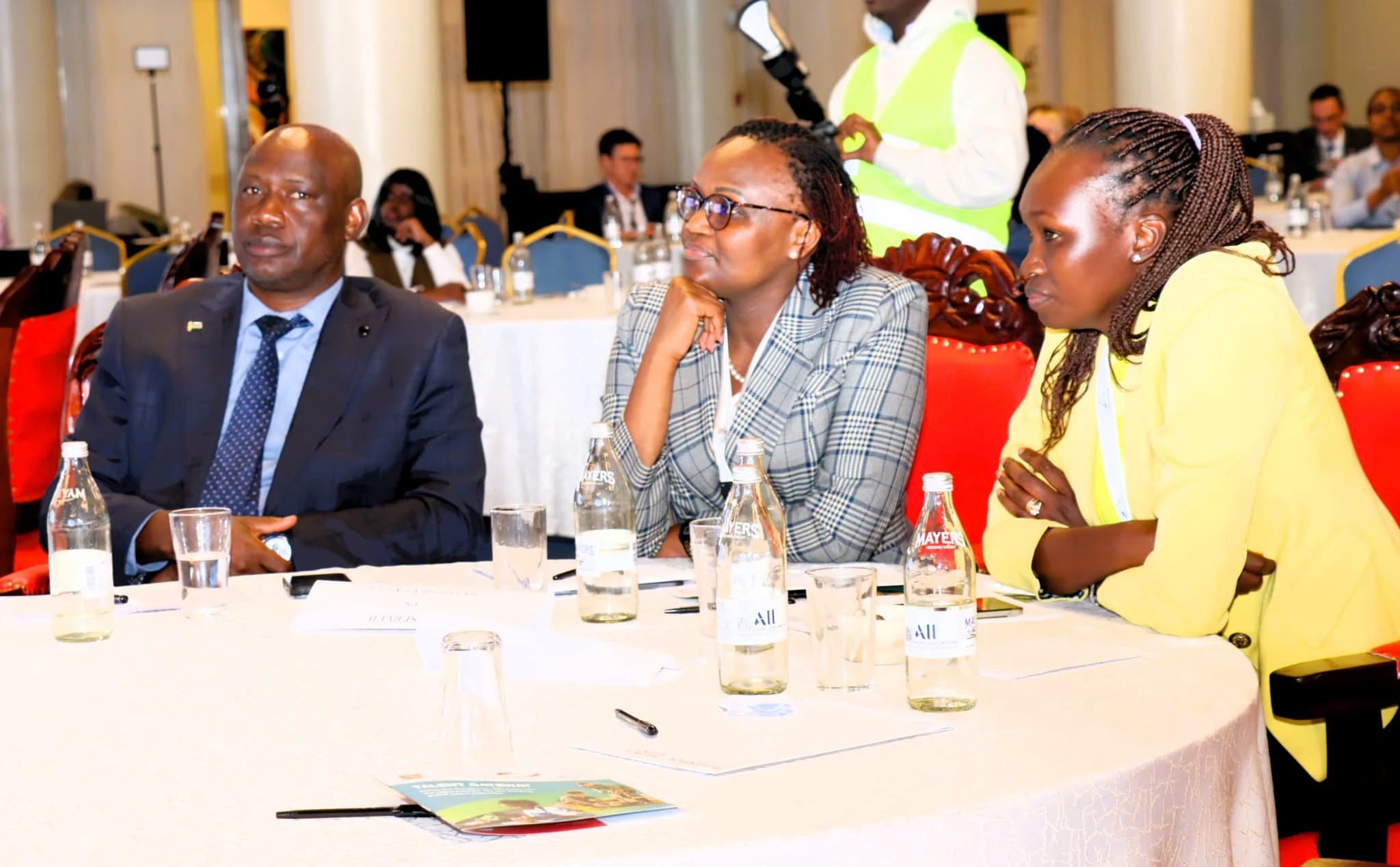
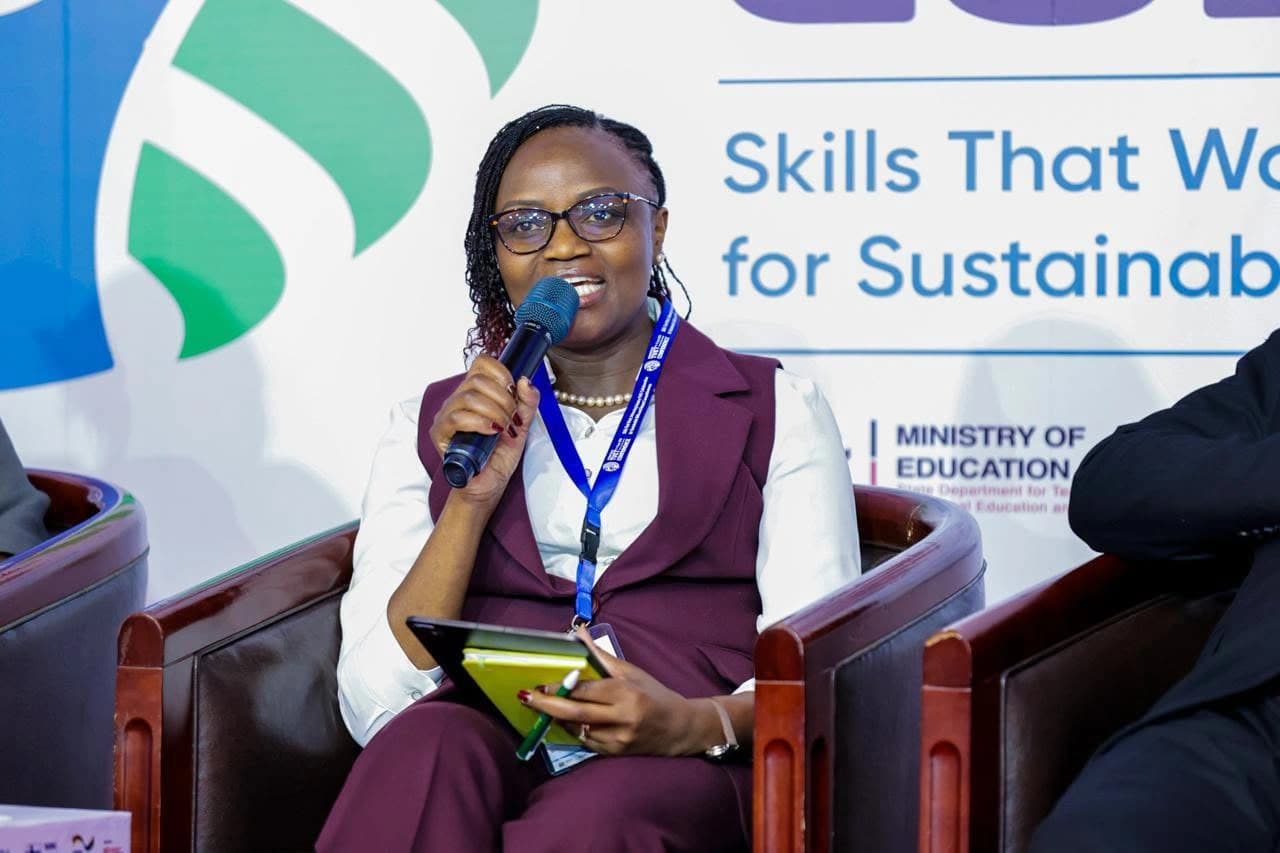
Speaking during a panel discussion on “Migration Pathways: Qualification, Certification and Recognition of Kenyan Skilled Workers for Germany” at the Kenya–Germany Skills and Labour Mobility Forum held in Nairobi on 12 November 2026, Dr Kande emphasised the importance of establishing effective mechanisms for comparing and recognising qualifications across the two countries.
She noted that differences in training systems, occupational standards, assessment approaches and qualification requirements could affect the recognition of Kenyan qualifications in the German labour market. Addressing these differences, she observed, requires closer collaboration among relevant institutions in both countries.
Dr Kande further supported the establishment of a well-constituted Kenya–Germany Technical Working Cooperation to develop a clear roadmap for qualifications comparability.
The proposed mechanism would bring together key institutions from Kenya and Germany to identify practical approaches for comparing qualifications, strengthening recognition processes and addressing existing gaps.
She underscored that such cooperation would help build mutual trust and confidence in the respective qualifications systems, promote the portability of skills, facilitate the recognition of professional competencies and create structured and sustainable pathways for Kenyan skilled workers seeking employment opportunities in Germany.
The KNQA Director reaffirmed the Authority's commitment to strengthening national, regional and international partnerships that promote the recognition, credibility, portability and comparability of Kenyan qualifications.
She noted that these efforts are essential in ensuring that qualifications awarded in Kenya meet relevant standards and gain wider acceptance in the global labour market.
The Kenya Germany Skills and Labour Mobility Forum brought together government representatives, qualifications authorities, technical and vocational education and training (TVET) institutions, industry stakeholders and German counterparts to explore opportunities for strengthening skills development, training partnerships and mutually beneficial labour mobility arrangements.



Reader Discussion (0)
Sign in to comment