





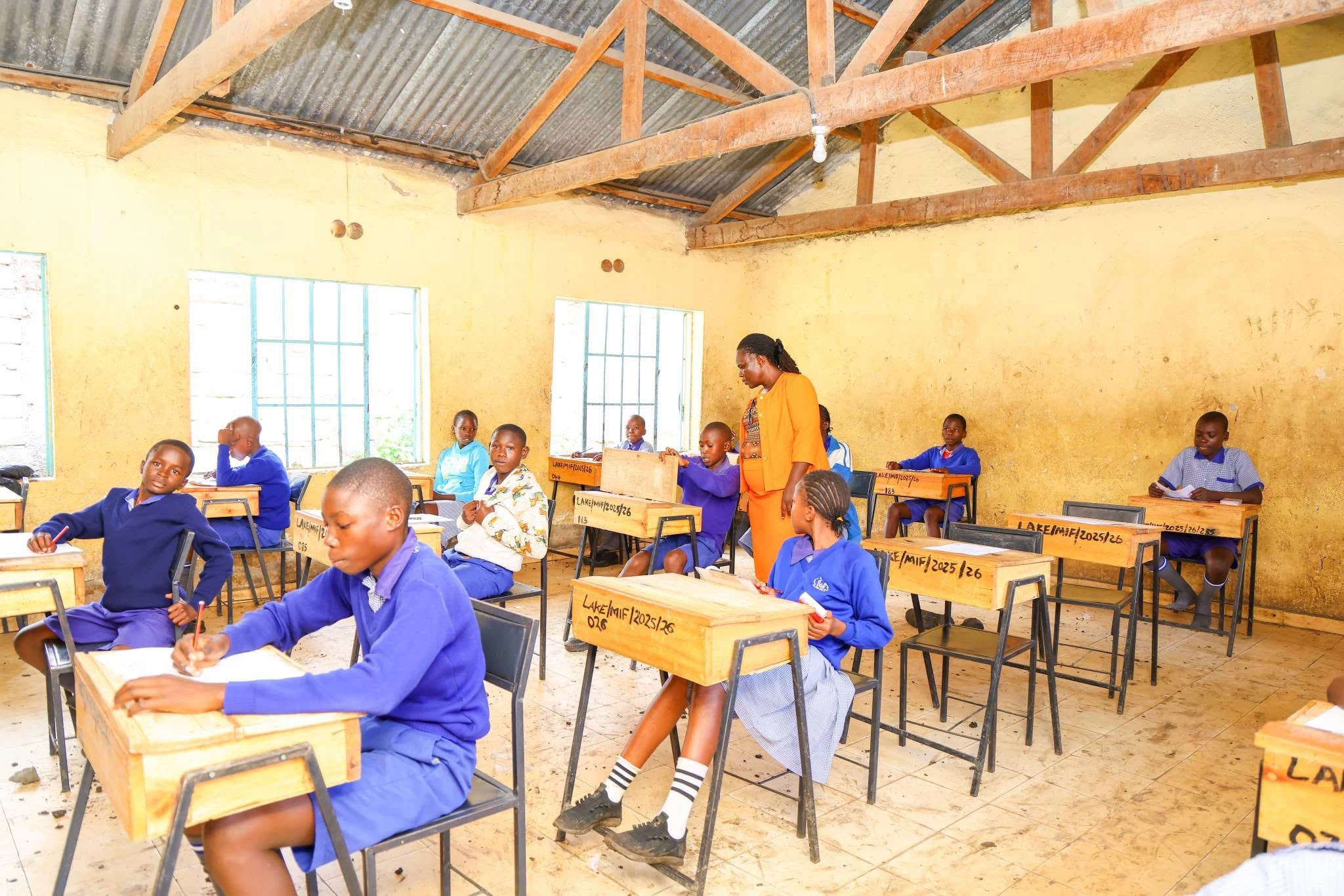




- Classroom teachers are the principal implementers of education policies once reforms reach schools.
- Their practical experiences can expose implementation challenges before they become nationwide problems.
- Meaningful public participation should ensure teachers’ concerns are considered when Parliament finalises the proposed laws.
Kenya is once again at an important point in the transformation of its education system. As Parliament considers a new package of education laws, one question deserves our attention: Has the classroom teacher been given a sufficiently strong voice in shaping reforms that will eventually be implemented in the classroom?
The question is timely. Parliament has recently concluded nationwide public participation on six proposed education Bills, with the exercise reaching all 47 counties. The process covered the Basic Education Bill, 2026; Tertiary Education, Placement and Funding Bill, 2026; Kenya National Educational Assessments Council Bill, 2026; Pre-Service Education and In-Service Training Bill, 2026; Kenya National Qualifications Framework (Amendment) Bill, 2026; and Kenya Institute of Curriculum Development (Amendment) Bill, 2026.
These are not ordinary pieces of legislation. Together, they touch almost every important aspect of education—from the management of basic education and teacher preparation to curriculum development, assessment, qualifications, tertiary placement and student financing.
For the classroom teacher, therefore, these Bills are not distant parliamentary business. They have a direct bearing on professional practice.
The teacher is often the first person expected to translate education policy into reality. When a curriculum changes, it is the teacher who interprets it for learners. When assessment requirements change, it is the teacher who collects the evidence. When new competencies are introduced, it is the teacher who looks for ways to nurture them in real classrooms. When policy encounters limited facilities, inadequate staffing or diverse learner needs, it is the teacher who must find a way forward.
This makes the teacher much more than a beneficiary of education policy. The teacher is one of its principal implementers.
That reality should inform the current legislative process.
Teachers understand classroom realities
The proposed Basic Education Bill, for instance, has generated discussion around the future organisation of Junior School, school governance, learner welfare and other aspects of basic education. During the public participation exercise, stakeholders expressed different views on the place and autonomy of Junior School, facilities, capitation and teacher career progression.
Those differences are important. They demonstrate that education reform is not a one-size-fits-all undertaking.
Teachers working directly with Junior School learners understand the practical challenges of the transition. They know what works, what requires additional support and where policy expectations may collide with classroom realities. Their experiences should therefore form part of the evidence considered when decisions are made.
The same applies to the proposed legislation on national educational assessment.
Assessment is not simply about examinations. It influences teaching, learning, workload and the way learner progress is understood. As Kenya continues to strengthen competency-based assessment, teachers are already dealing with the practical demands of recording, documenting and interpreting evidence of learning.
Their experiences matter.
A provision that looks efficient on paper may become burdensome when thousands of teachers are expected to implement it across schools with very different staffing levels, infrastructure and resources. Listening to teachers early can help identify such difficulties before they become national implementation problems.
The proposed Pre-Service Education and In-Service Training Bill is perhaps even more directly connected to the teaching profession. Teacher preparation cannot be separated from the realities teachers encounter once they enter schools.
The country needs teachers who are adequately prepared not only in subject content but also in assessment, technology, inclusive education, learner support, classroom management and the changing demands of competency-based education.
Who better to explain the gaps between preparation and practice than teachers themselves?
Likewise, proposed changes affecting the Kenya Institute of Curriculum Development and the national qualifications framework should benefit from the experience of those who work with curriculum and qualifications every day.
Public participation must be meaningful
This is why public participation must be more than a procedural requirement.
Article 10 of the Constitution recognises public participation as a national value and principle of governance, while Article 118 requires Parliament to facilitate public participation in its legislative business. The principle is clear: citizens should have a meaningful opportunity to contribute to laws that govern them.
But meaningful participation goes beyond being invited to a meeting.
It means having sufficient information, adequate opportunity to make submissions and, importantly, having those submissions genuinely considered.
For teachers, participation should also extend beyond the representatives who attend public forums.
Professional associations, teacher unions, school leaders and practising classroom teachers should create avenues through which experiences from different types of schools can reach policymakers. Teachers in urban schools, rural schools, large boarding institutions, day schools, special-needs settings and schools with limited resources may encounter very different realities.
Those differences are valuable evidence.
Teachers should also approach public participation responsibly. Their role should not be limited to pointing out what is wrong. They should identify practical challenges, provide evidence and suggest workable alternatives.
If a proposed requirement will increase workload, teachers should explain why and suggest how it can be managed. If a new assessment approach requires additional resources, they should identify those resources. If a policy is likely to disadvantage a particular group of learners, practitioners should explain the risk and propose safeguards.
That is the kind of professional contribution Parliament needs.
Recent reports from the public participation process indicate that stakeholders have raised concerns and recommendations on issues including Junior School, infrastructure, capitation and teacher progression. The National Assembly Education Committee has indicated that the views gathered from the counties will inform its consideration of the Bills.
That commitment should now be followed by careful scrutiny of what has been submitted.
The real measure of public participation is not how many people attended a forum. It is whether the concerns raised can be seen in the quality of the final legislation.
If teachers raise an implementation concern and it is not accepted, there should be a reason. If a recommendation is adopted, the necessary resources and structures should follow. If Parliament makes a different choice after considering the evidence, that decision should be understood as part of the legislative process.
This is how trust in public participation is built.
Teachers should remain involved
Kenya should also move away from a familiar pattern in education reform: announcing a new policy, expecting teachers to implement it and only later discovering the difficulties at school level.
Teachers should be involved before, during and after reform.
Before legislation is finalised, they can help identify practical implications. During implementation, they can provide feedback on what is working and what is not. After implementation, their experiences can help determine whether the intended outcomes are actually being achieved.
Such involvement would not mean that teachers dictate national education policy. Parliament must continue to balance the views of teachers with those of learners, parents, policymakers, education experts, employers and other stakeholders.
But listening to teachers does not weaken policy-making. It strengthens it.
The classroom is where education policy eventually meets reality. It is where the ambitious language of legislation encounters a learner who needs additional support, a school with inadequate facilities, a teacher managing competing responsibilities and a parent seeking answers.
That reality must have a voice in the laws being made today.
Kenya's education reforms will ultimately be judged not by the elegance of the Bills passed in Parliament but by what happens in schools and what learners experience.
The teacher, therefore, deserves more than a passing invitation to participate.
The classroom teacher deserves a meaningful seat at the table—not because teachers should determine education policy, but because those who are expected to bring reform to life should help shape the reform from the beginning.
Email: jackiekebongo@gmail.com

Reader Discussion (0)
Sign in to comment