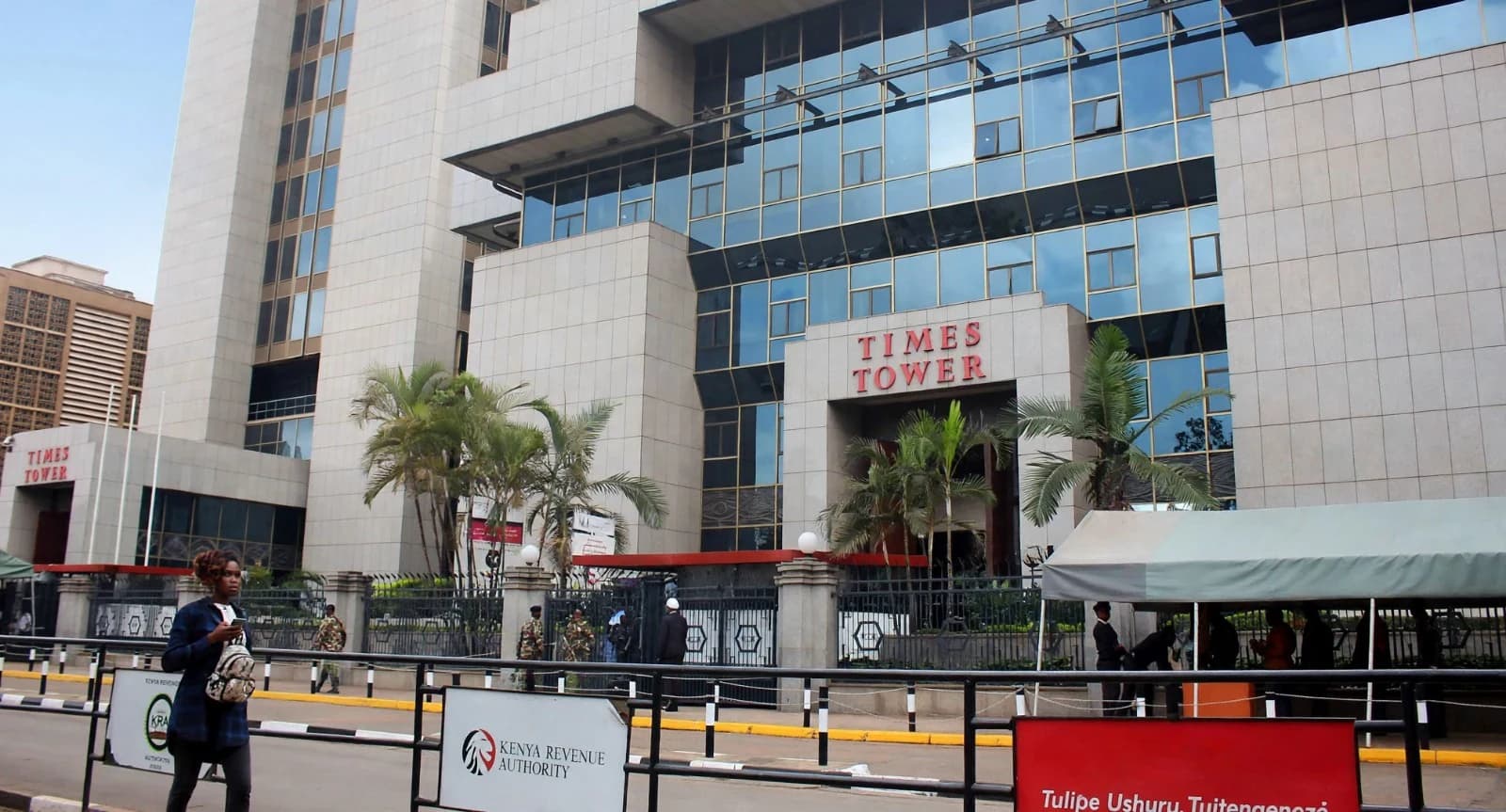






The proposed changes by the Kenya Revenue Authority (KRA) on the classification of disabilities and the administration of tax exemptions could have far-reaching implications for teachers across the country, particularly those living with disabilities and those caring for children with severe disabilities.
The proposed Income Tax (Persons with Disabilities, Parents or Guardians Tax Exemptions) Regulations, 2026, seek to introduce a more structured approach to determining tax exemptions based on the nature and severity of disability.
Although the intention may be to streamline the administration of disability-related tax benefits, the proposed framework raises important questions about fairness, inclusion and the financial welfare of persons with disabilities. For teachers employed by the Teachers Service Commission (TSC), this is an issue that deserves serious attention.
1. Teachers with disabilities could experience reduced tax benefits
Under the existing framework, eligible persons with disabilities enjoy income tax exemption on the first Sh150,000 of their monthly income, which translates to Sh1.8 million annually.
The proposed framework introduces different disability classifications based on severity, potentially linking the amount of tax exemption to the degree of impairment. The proposed percentages are:
- Moderate impairment: 30 per cent.
- Severe impairment: 60 per cent.
- Profound impairment: 100 per cent.
This means that teachers with moderate disabilities could receive a lower tax exemption than those classified under severe or profound disabilities. If the proposed percentages are applied to the existing monthly exemption threshold of Sh150,000, a teacher classified under the 30 per cent category would have Sh45,000 exempted from taxation, while one in the 100 per cent category would enjoy exemption on the entire Sh150,000.
This could increase the taxable income of some teachers who currently enjoy the full exemption. Teachers with moderate disabilities may therefore experience increased PAYE deductions and consequently reduced take-home salaries.
2. Teachers raising children with severe disabilities may benefit
The proposed regulations also seek to recognise the financial responsibilities of parents and guardians caring for dependants with severe disabilities. Under the proposal, qualifying parents or guardians may receive an additional monthly income tax exemption of Sh10,000.
This provision could benefit teachers who have children requiring specialised medical care, assistive devices, rehabilitation services and other forms of disability-related support. Eligibility is, however, subject to specific conditions, including proof of full care and custody and certification of the dependant's disability.
It is important to clarify that the Sh10,000 is an amount of income proposed to be exempted from taxation, not a direct cash payment to the teacher. Nevertheless, the provision recognises the additional financial responsibilities shouldered by families raising children with severe disabilities.
3. The classification of disabilities raises questions about fairness
One of the major concerns surrounding the proposed framework is whether the severity of a disability should be the principal determinant of tax relief.
Disability affects individuals differently. Two teachers may have the same medical condition but experience different functional limitations and financial challenges. For example, a teacher with a moderate physical disability may require expensive assistive devices, specialised transport and regular medical attention. Another teacher classified under a more severe category may have different support needs.
Should the first teacher automatically receive significantly less tax relief simply because their disability falls under a moderate classification? This is an important question that deserves consideration during the public participation process. The assessment framework should recognise the actual challenges experienced by persons with disabilities rather than relying exclusively on medical labels.
4. Additional medical assessments could create challenges
The proposed framework also introduces more detailed documentation and medical assessment requirements. Teachers seeking tax exemptions may be required to provide disability registration documents, medical assessment reports, specialist recommendations and other supporting documentation.
While proper verification is important, the process should not become unnecessarily expensive, complicated or inaccessible. Teachers working in remote areas may have difficulty reaching specialised medical facilities, and teachers with permanent disabilities should not be subjected to unnecessary repeated medical assessments. The government should establish a system that recognises permanent disabilities and reduces the administrative burden on affected employees.
5. The role of TSC, KNUT and KUPPET
The proposed changes should attract the attention of the TSC, the Kenya National Union of Teachers (KNUT) and the Kenya Union of Post Primary Education Teachers (KUPPET). These institutions have a responsibility to engage with the relevant authorities and ensure that teachers' interests are adequately represented.
In particular, teachers' unions should seek clarification on whether the proposed classifications could reduce existing tax benefits enjoyed by teachers with disabilities. They should also advocate for:
- Protection of existing disability tax exemption beneficiaries.
- Fair and transparent disability assessment procedures.
- Affordable access to medical assessments.
- Recognition of permanent disabilities.
- Protection of teachers caring for children with severe disabilities.
- Clear communication on how approved exemptions will be implemented through the TSC payroll system.
TSC should equally provide guidance to teachers who may be affected to avoid confusion and payroll complications.
6. The effect on teachers' take-home salaries
For teachers, the most immediate concern is the possible reduction in monthly disposable income. Teachers already have financial responsibilities, including loan repayments, mortgages, school fees, medical expenses and family obligations. Any reduction in tax exemptions could increase PAYE deductions, depending on the teacher's salary and applicable tax calculations.
It is therefore important for teachers to understand that a 30 per cent tax exemption does not mean a 30 per cent reduction in salary. It means that only 30 per cent of the applicable exemption threshold would be exempted from taxation under the proposed arrangement. The actual effect on take-home pay will depend on the final regulations and an individual's taxable income.
7. Teachers should participate in the public consultation
The proposed regulations should not be viewed as an issue affecting only persons with disabilities. They are also relevant to teachers who have children or dependants with disabilities and to the wider teaching fraternity.
Teachers should take advantage of the public participation process to express their concerns and propose changes where necessary. KNUT and KUPPET should also mobilise their members to submit views, particularly on the proposed severity-based classifications and their implications for existing tax exemptions. Public participation is an opportunity to ensure that the final regulations reflect the realities of the people they are intended to serve.
The proposed KRA framework is an important policy development with potentially significant consequences for teachers in Kenya. While structured disability classifications may improve the administration of tax benefits, the proposed reduction of exemption levels for some categories raises legitimate concerns about fairness and economic protection.
The government must ensure that disability classification does not inadvertently disadvantage people whose conditions may be classified as moderate but who still face substantial financial and functional challenges. Teachers with disabilities deserve dignity, equal treatment and meaningful economic protection. Similarly, teachers raising children with severe disabilities should receive adequate support to meet their additional responsibilities.
TSC, KNUT and KUPPET should therefore take an active role in engaging KRA and other stakeholders before the proposed regulations are finalised.
The fundamental question is not simply how disabilities should be classified, but whether the proposed classification system will improve the lives of persons with disabilities or expose some of them to additional financial hardship. That is a conversation the teaching fraternity cannot afford to ignore.


Reader Discussion (0)
Sign in to comment