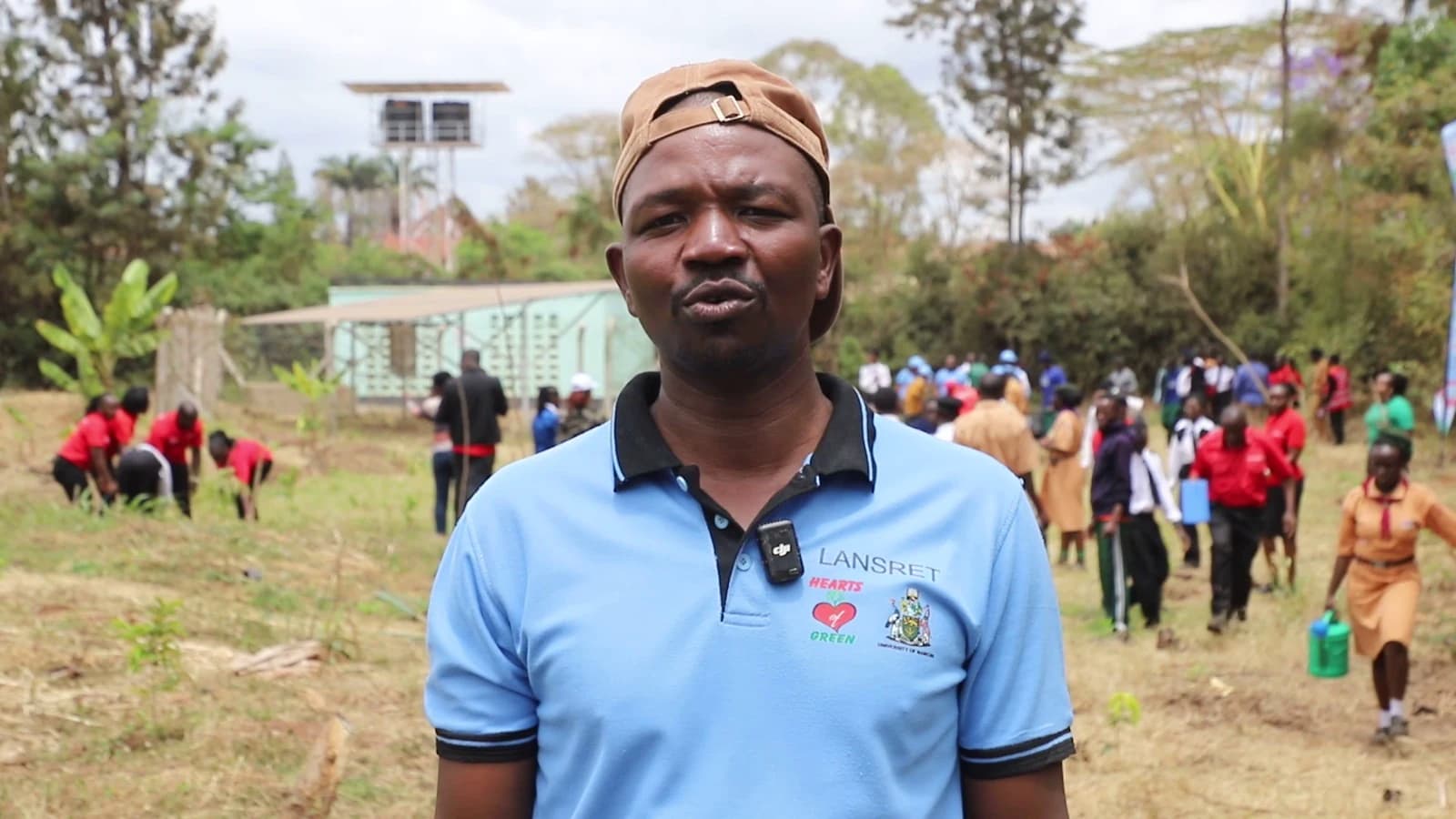
A non-governmental organisation, Hearts of Green, has revealed plans to scale up its partnership with learning institutions across the country to plant millions of tree seedlings during the rainy season.
The group's CEO, Moses Muya, revealed that its initiative, dubbed the 'Adopt a Tree Programme', aims to ensure every school-going child in the country plants and cares for a tree seedling.
Muya spoke during a tree-planting drive at Thika School for the Visually Impaired to mark Mazingira Day on Saturday. He was accompanied by other environmentalists, including representatives of the Wangari Maathai Institute, led by Prof Thuita Thenya.
“We have already kicked off the programme with the planting of 200,000 seedlings in eight counties in Western, Nyanza and Central regions in the last two weeks,” Muya said.
Schools to receive indigenous and fruit tree seedlings
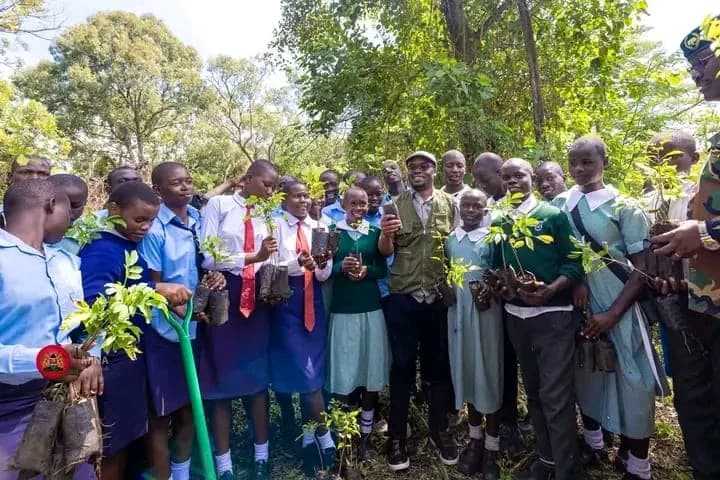
The CEO noted that the organisation, together with other partners, will provide indigenous and fruit tree seedlings to schools in targeted regions. In turn, schoolchildren will plant the trees and nurture them throughout their school life.
Muya observed that since its inception in 2016, the NGO has planted over 20 million trees in various parts of the country, which has immensely contributed to the country's forest cover. He noted that the Adopt a Tree Programme has proved effective in restoring forests.
“We have been collaborating with corporate and institutions in our tree planting drives. This time we will team up with schools, hospitals and other institutions in this noble course as we seek to actively participate in the fight against climate change,” Muya said.
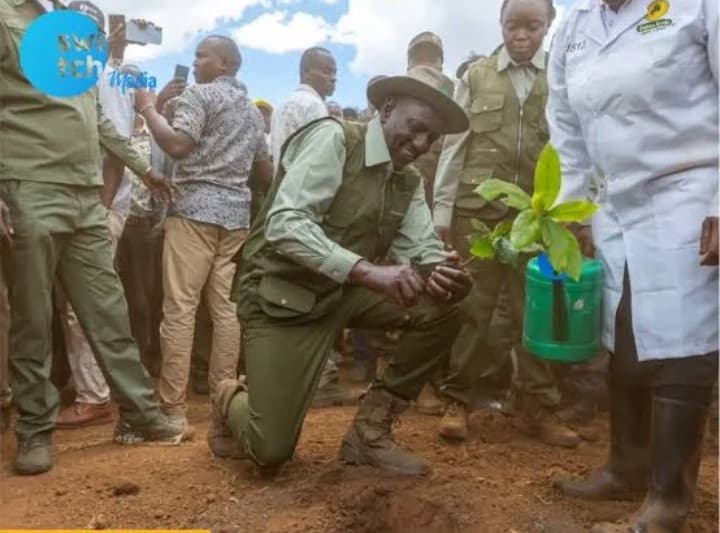
He underscored the significance of the government's endeavour to plant and grow 15 billion trees, saying it holds immense value for the country and the world at large.
Environmentalists call for regulated tree harvesting
At the same time, the environmentalists dispelled fears that the harvesting of mature trees in forests across the country is detrimental to the environment.
They said the trees being harvested account for about 4.5 per cent of the country's forest cover, adding that harvesting them would pave the way for planting more trees.
Prof Thenya noted that the trees were planted with the aim of harvesting them for other uses upon maturity, besides conserving the environment.
He, however, called for proper regulation of logging to avoid harvesting immature trees, noting that this would hurt the ecosystem and undermine the gains the country has made in environmental conservation.
They also called on Kenyans to plant more trees during the rainy season, saying this would boost efforts to conserve the environment and help mitigate the effects of global warming.
NGO seeks more corporate partners in tree-growing campaign
Hearts of Green has been on an ambitious journey of planting millions of tree seedlings within institutions, including schools and hospitals, across the country.
The programme, according to Muya, is in tandem with the government's plans to grow 15 billion trees by 2032 to restore forests and tackle the effects of climate change.
Muya said the organisation seeks to partner with more corporates and players within the private sector in the initiative, noting that they are among those contributing to climate change.
“Trees act as natural carbon sinks, absorbing harmful greenhouse gases and mitigating the effects of climate change. They provide essential ecosystem services, such as regulating water cycles, preventing soil erosion, and supporting biodiversity. Moreover, trees offer economic benefits by creating sustainable livelihoods, promoting eco-tourism, and enhancing the overall well-being of communities,” Muya said.
The CEO rallied corporate entities and institutions across the country to join efforts and help the government accomplish the initiative.


Reader Discussion (0)
Sign in to comment