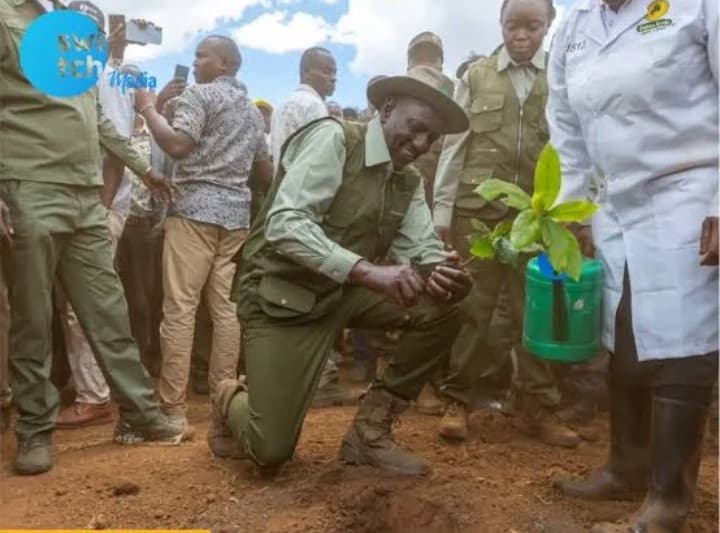
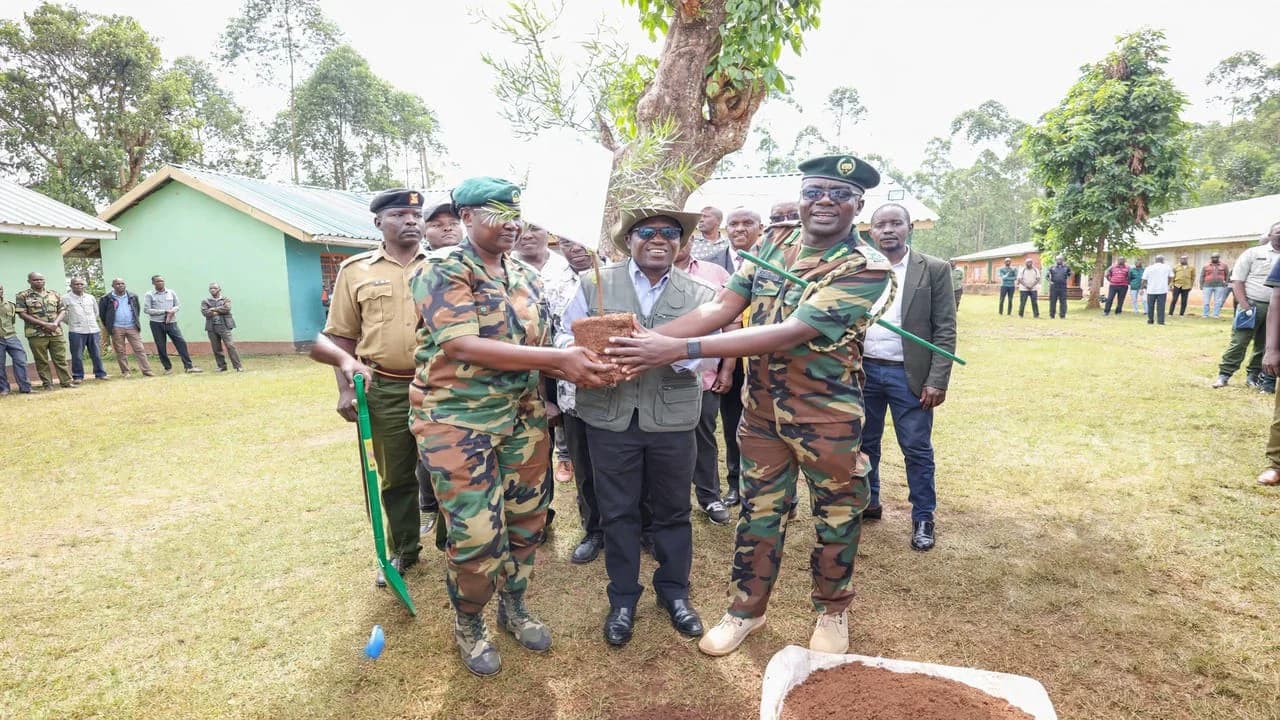
President William Ruto has led the national Mazingira Day tree-planting campaign in Trans Nzoia County, putting environmental conservation in the spotlight as the region confronts the challenge of protecting its water catchments, agricultural land and remaining forest ecosystems.
The exercise in Endebess brought together residents, government officials and other stakeholders in a collective effort to restore degraded landscapes and support Kenya's ambitious target of growing 15 billion trees by 2032.
The campaign carries particular significance for Trans Nzoia, an agricultural county whose economic well-being depends heavily on productive soils, reliable rainfall and the protection of natural water sources.
Trans Nzoia's fertile soils have made agriculture a major pillar of its economy, supporting maize farming and other crop production. However, maintaining this productivity requires responsible land management, the protection of riverbanks and the prevention of soil erosion.
As cultivation expands and land comes under increasing pressure, tree growing can help stabilise vulnerable soils, reduce runoff and support the long-term health of agricultural landscapes.
The county's proximity to the Mount Elgon ecosystem also makes forest conservation an important concern. Forests and associated catchments help regulate water flows, protect biodiversity and sustain communities that depend on rivers and other natural resources.
In areas where vegetation has been cleared or degraded, restoring appropriate tree cover can contribute to ecosystem recovery. Such efforts must, however, be accompanied by protection of existing forests, responsible farming practices and the conservation of sensitive water sources.
Tree growing must go beyond planting day
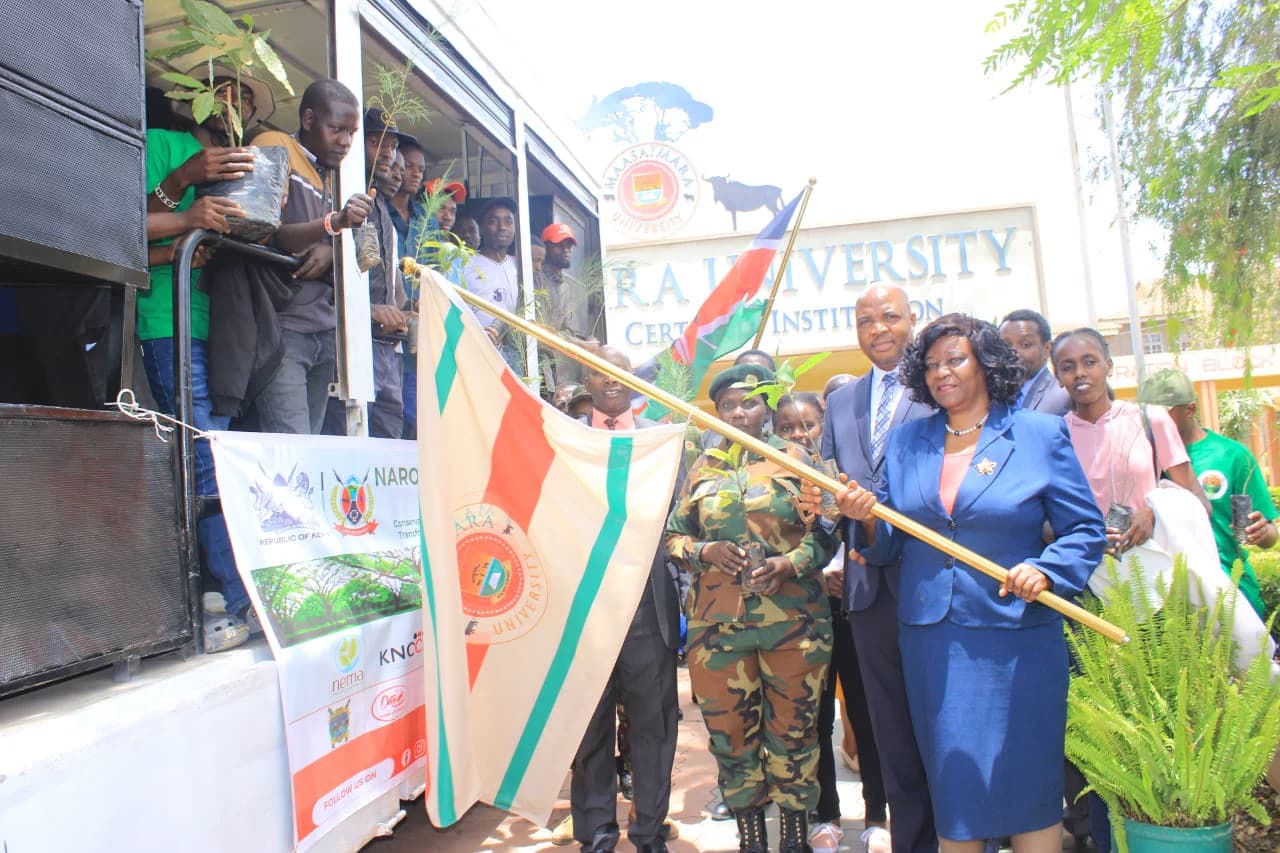
The Mazingira Day exercise forms part of a week-long national campaign running from October 5 to 10, with a target of planting 17.24 million trees during Mazingira Week.
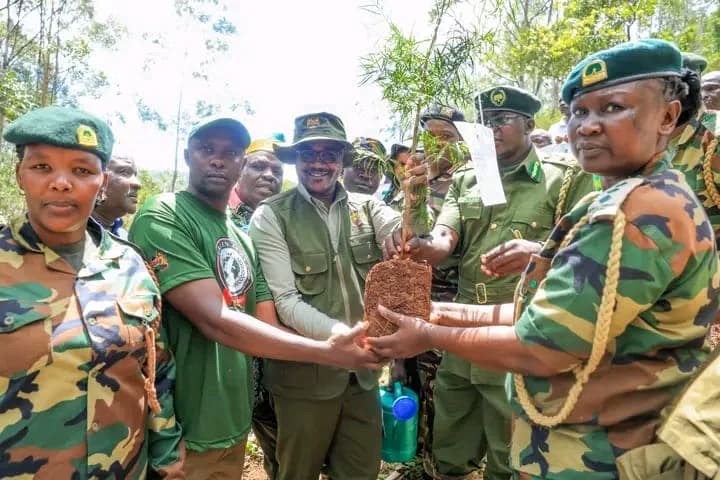
The initiative seeks to mobilise communities, institutions and individuals to make tree growing a sustained environmental responsibility rather than an activity confined to national celebrations.
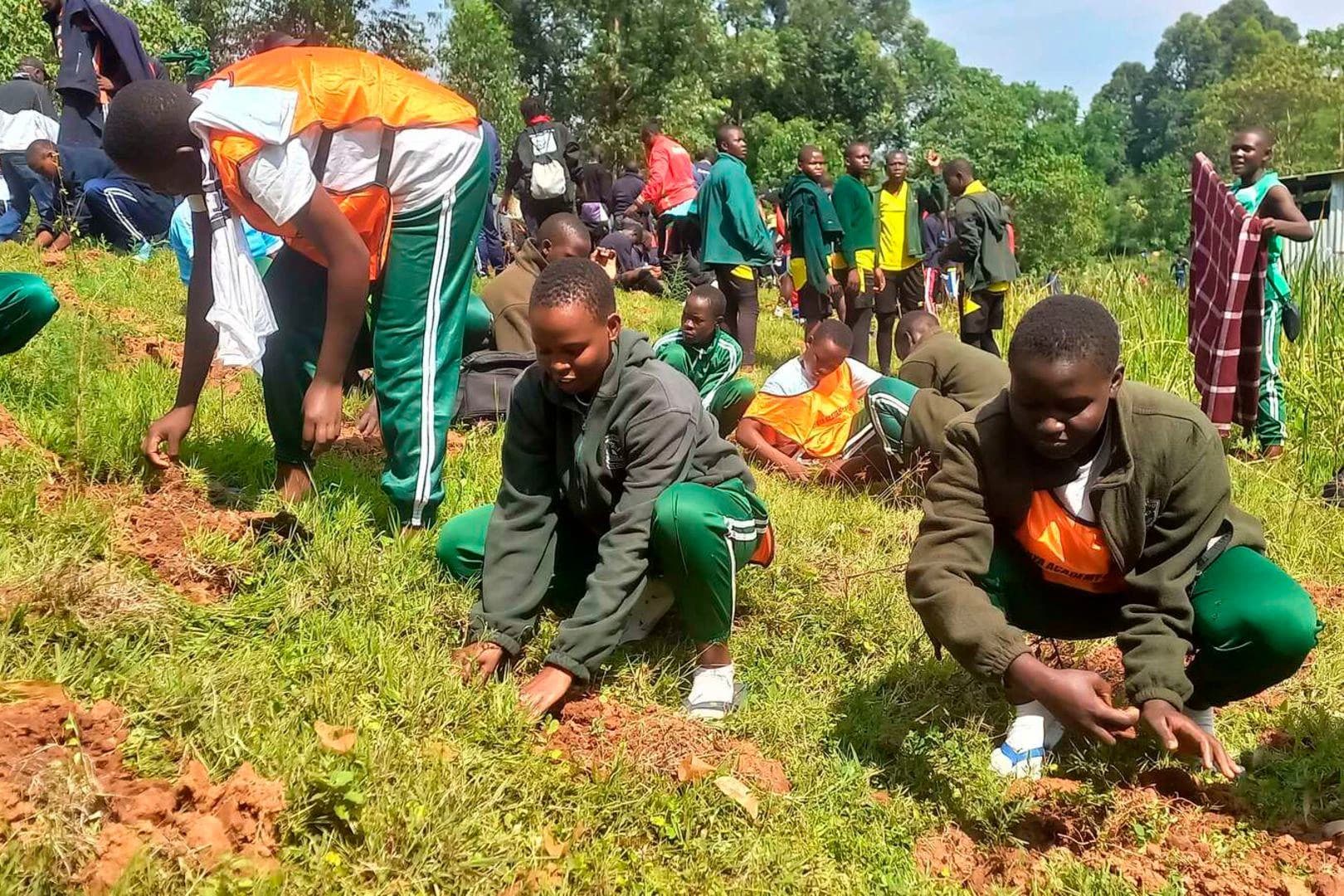
In Trans Nzoia, schools, farms, public institutions and community organisations can contribute by planting suitable indigenous and other ecologically appropriate species, protecting young seedlings and maintaining trees until they become established.
Tree selection is particularly important. Planting should take account of local rainfall, soil conditions, available space and water requirements, especially in farming areas where trees must complement rather than undermine food production.
Seedling survival will test the campaign
The long-term success of the national tree-growing programme will depend on more than the number of seedlings planted during high-profile events.
Regular watering, protection from livestock, replacement of dead seedlings and monitoring of growth are essential to achieving lasting results.
The government's emphasis on seedling-survival checks, including assessments after 90 days, provides a basis for measuring progress beyond planting-day statistics.
For Trans Nzoia, meaningful results would include healthier riverbanks, reduced soil erosion, better-protected catchments and improved integration of trees into sustainable farming systems.
The 2026 Mazingira Day celebrations were held under the theme, “Our Environment, Our Responsibility: Collective Action for Tree Growing and Environmental Stewardship.”
The message is especially relevant to a county whose livelihoods are closely linked to the land and the natural systems that sustain agriculture.
READ ALSO:
Ultimately, the value of President Ruto's tree-planting campaign in Trans Nzoia will be measured not only by the seedlings planted, but by the trees that survive, the ecosystems restored and the productive landscapes preserved for future generations.
Reader Discussion (0)
Sign in to comment