







Kenya’s competency-based education (CBE) is facing a critical implementation test, with classroom evidence pointing to a widening gap between what the reform expects teachers to deliver and what learning conditions allow them to achieve.
Nearly a decade after the country embarked on the competency-based approach, the central challenge is no longer simply changing the curriculum.
It is making the curriculum work.
A study covering 240 schools across 12 counties and observing 260 Grade 2 and Grade 4 learners has drawn attention to the realities confronting teachers as they translate CBE from policy into classroom practice.
The evidence raises an uncomfortable question for the education system: can Kenya expect teachers to deliver highly learner-centred, practical and differentiated education without providing the professional, financial and material impetus required to sustain it?
The issue is particularly urgent because foundational learning remains the gateway to every other competency.
A child who cannot read with understanding, write effectively or handle basic numeracy will struggle to develop the higher-order abilities that CBE seeks to promote.
This places Kenya at a crucial point in its education reform journey.
The country has changed the curriculum.
The next challenge is changing the conditions under which the curriculum is delivered.
The classroom is where CBE will succeed or fail
CBE was designed to move education away from excessive dependence on memorisation towards an approach that develops practical abilities, creativity, critical thinking, collaboration and problem-solving.
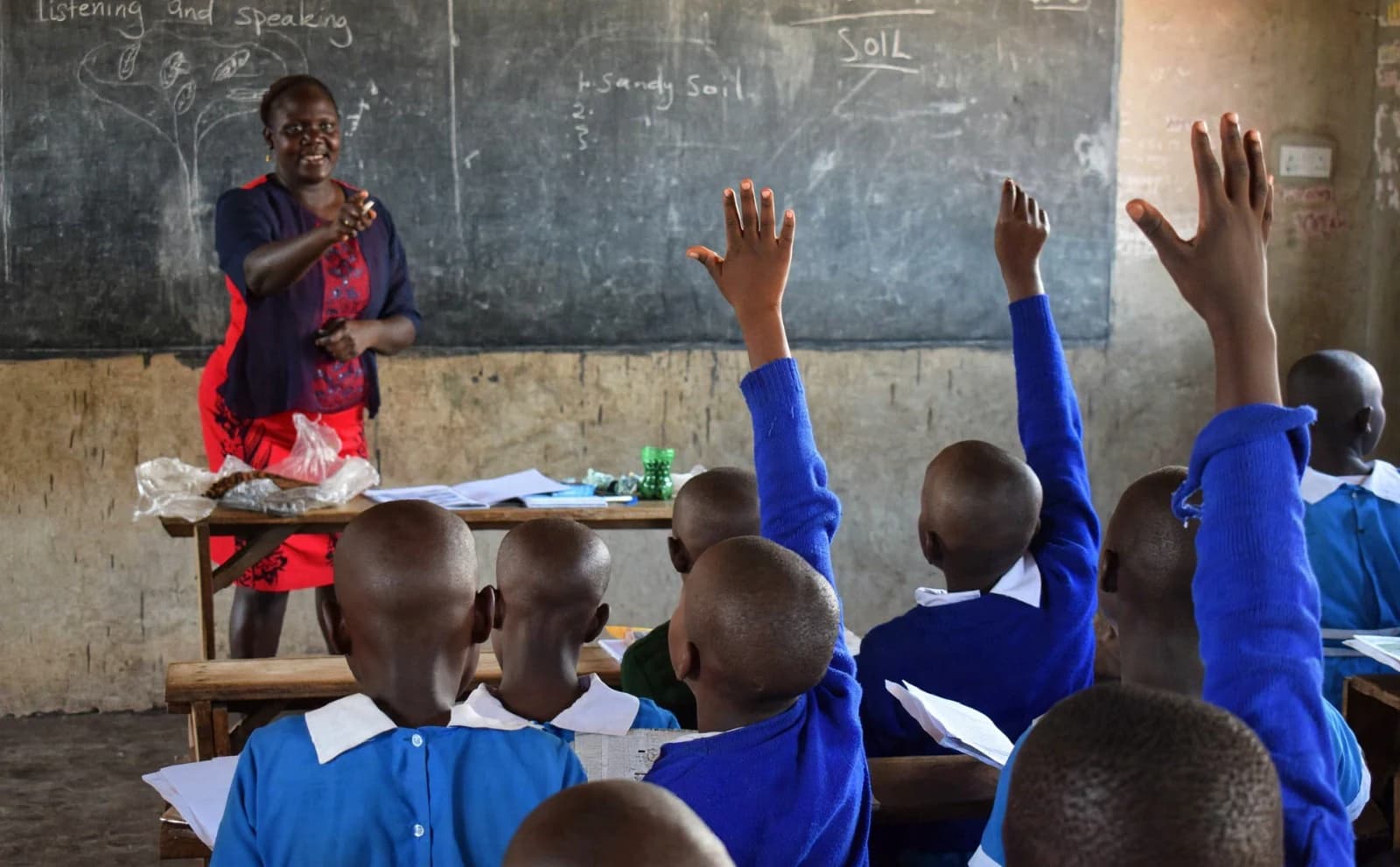
The teacher is expected to guide learning rather than remain the sole source of information.
That requires a different kind of classroom.
Learners should have opportunities to ask questions, investigate, experiment, collaborate and apply knowledge.
Teachers should also be able to identify individual learning needs and adjust instruction accordingly.
Yet classroom realities can make these expectations difficult to sustain.
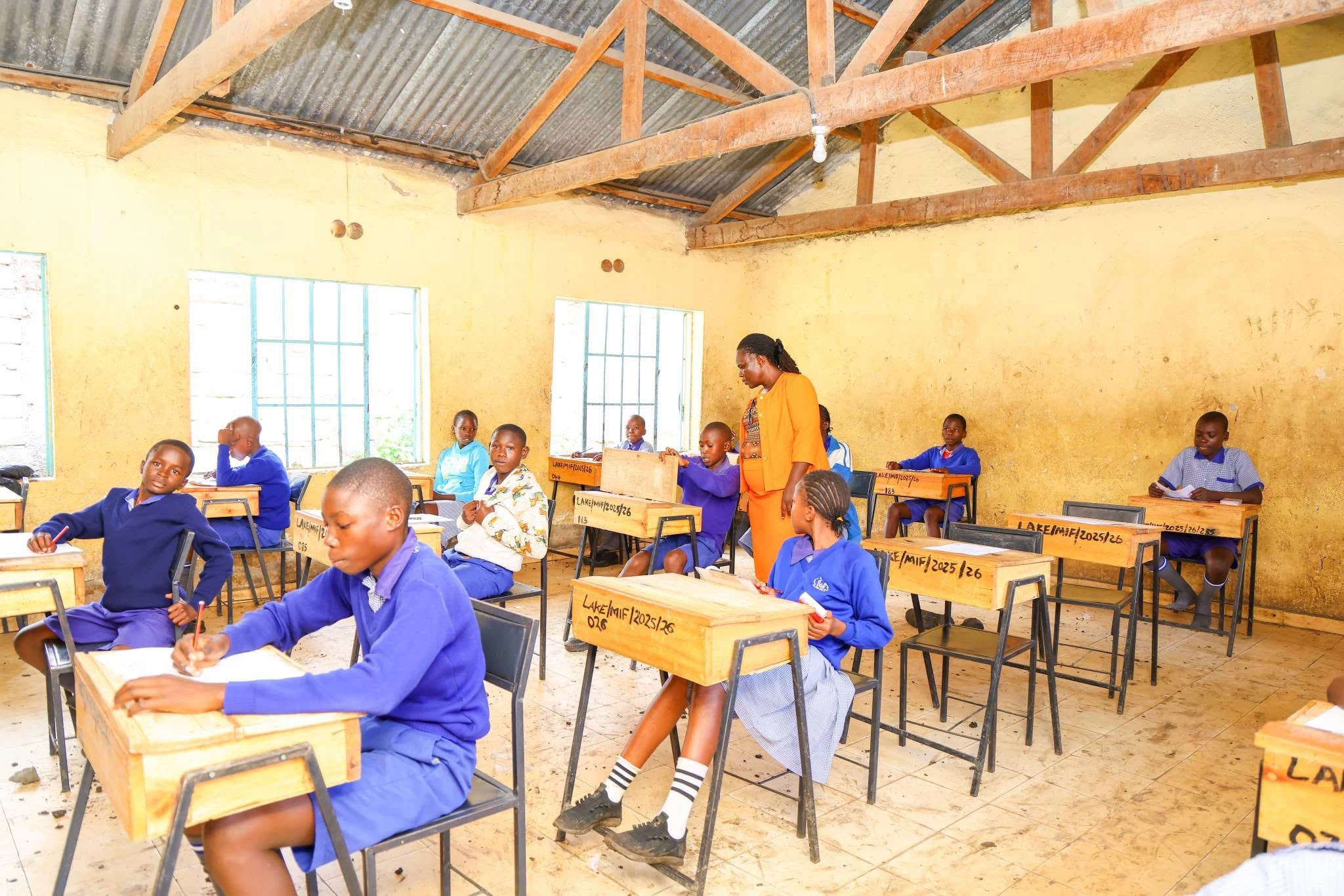
Large classes, curriculum pressure, limited teaching materials and heavy workloads can make whole-class instruction the most practical way of managing lessons.
The problem is that what is convenient for managing a crowded classroom may not always be what is best for every learner.
Children enter school with different abilities and experiences. Some need additional explanations and practice, while others require more challenging tasks.
CBE can only work fully when classrooms have the capacity to respond to those differences.
Foundational learning must come first
The debate over CBE ultimately returns to the basics.
Before learners can become sophisticated problem-solvers, innovators and digitally capable citizens, they must develop strong foundations in reading, writing and numeracy.
Reading is the gateway to learning across the curriculum.
Numeracy supports reasoning, calculation, measurement and problem-solving.
When these foundations are weak, learners can struggle to access more complex areas of the curriculum as they progress.
This makes early identification of learning gaps essential.
A child who is struggling should not simply be moved from one grade to another with the assumption that the problem will eventually correct itself.
The education system must identify learning difficulties early and provide targeted support.
The success of CBE therefore depends not only on developing higher-order competencies but also on ensuring that every learner acquires the foundational skills needed to develop them.
Teachers know the destination
One of the most important lessons from classroom experience is that teachers should not be treated as though they are unaware of what effective CBE implementation requires.
Many educators understand the reform.
They know the value of learner participation.
They understand differentiated instruction.
They appreciate the importance of practical learning and instructional materials.
They recognise that technology can enrich lessons.
The difficulty lies in sustaining these approaches under challenging conditions.
A teacher may know that learners should work in groups but struggle to organise meaningful group activities in a very large class.
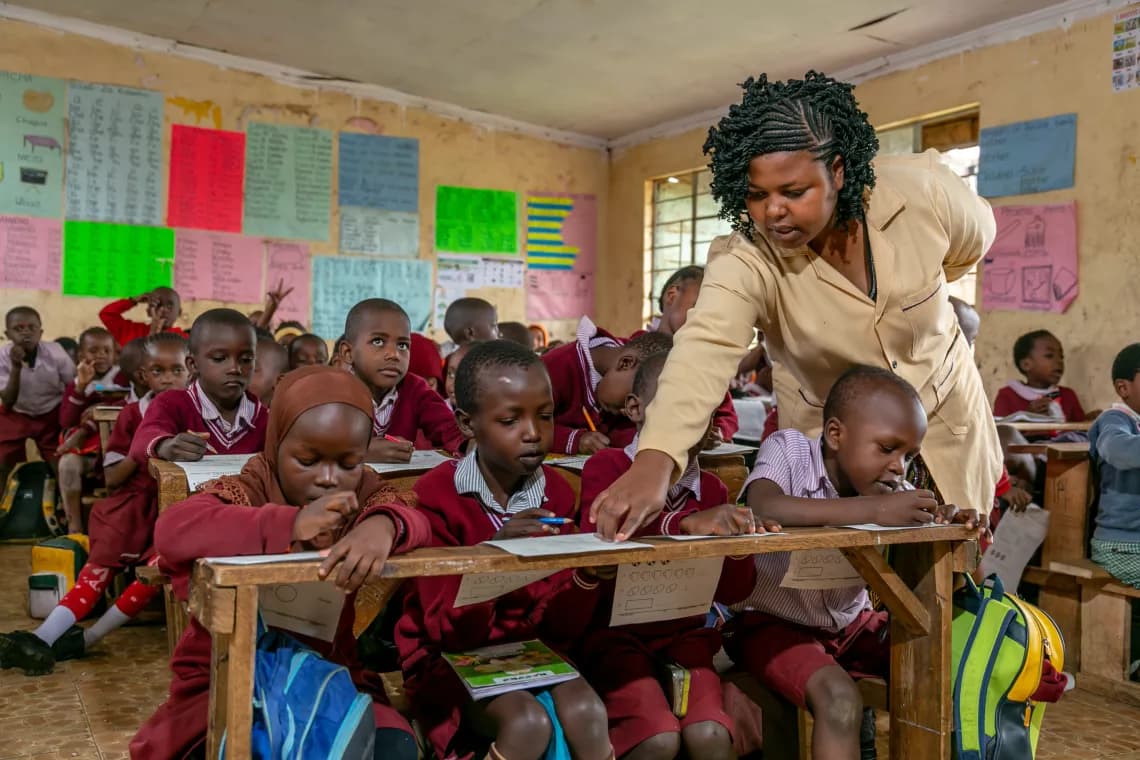
An educator may understand the importance of individual support but have too many learners to provide adequate attention to each child.
A teacher may want to integrate ICT but lack sufficient functional equipment or reliable infrastructure.
This is why the response should not simply be to tell teachers to do more.
They need an impetus to do better and sustain better practice.
Proper remuneration is part of the impetus
Proper remuneration of teachers is imperative to the success of education reform.
Teaching is becoming an increasingly demanding profession.
Under CBE, educators are expected to prepare learning activities, assess competencies, provide individual support, manage diverse classrooms, integrate technology, develop learning materials and continuously adjust their approaches to meet learner needs.
Those responsibilities require professional commitment and considerable time and energy.
A country cannot continuously expand expectations for teachers while treating their remuneration and professional welfare as secondary matters.
Fair and competitive compensation is important for morale, motivation, retention and the ability to attract capable professionals into teaching.
Proper remuneration does not automatically guarantee effective teaching.
But a serious education reform must recognise that teachers are not simply implementers of policy. They are professionals whose expertise, motivation and commitment determine what happens inside classrooms.
Teachers know where to go. They need the impetus to get there.
That impetus should include fair remuneration, professional recognition, effective mentorship, manageable workloads, adequate staffing and sufficient teaching resources.
## Resources can turn good intentions into good practice
CBE encourages teachers to move beyond abstract explanations and make learning practical.
Textbooks remain essential, but learning can also be strengthened through everyday objects, locally available materials, demonstrations and teacher-developed resources.
For younger learners, seeing and handling materials can make concepts easier to understand.
However, teachers cannot be expected to create rich learning experiences without reasonable access to resources.
Where materials are inadequate, the blackboard, verbal explanation and repetitive written exercises can become the default.
Those methods have a place in education, but overdependence on them can reduce opportunities for exploration, collaboration and practical application.
The solution is therefore both resource-based and professional.
Schools need adequate materials, while teachers need support in using those materials creatively and effectively.
Digital literacy is another important component of Kenya's education ambitions.
Technology can support research, collaboration, communication, creativity and problem-solving.
But meaningful ICT integration requires much more than distributing devices.
Schools need functional equipment, suitable infrastructure and teachers with the skills to integrate technology into lessons.
Where devices are insufficient or non-functional, digital learning can become occasional rather than routine.
Teacher capacity is equally important.
The objective should not simply be to put technology into classrooms.
It should be to use technology to help learners understand concepts, investigate questions, create products and solve problems.
Working conditions are part of curriculum reform
The experience of CBE demonstrates that curriculum reform cannot be separated from the conditions under which teachers work.
A teacher facing an overcrowded classroom, insufficient materials, heavy responsibilities and inadequate professional support may find it difficult to deliver the highly individualised learning expected under CBE.
This is why education reform must extend beyond curriculum documents.
Teachers require manageable workloads, adequate staffing, continuous professional development and supportive school leadership.
They also need opportunities to learn from one another.
Peer observation and professional collaboration can help educators discover practical ways of managing large classes, supporting mixed-ability learners and using simple resources to make lessons more engaging.
Kenya may not need another fundamental curriculum overhaul.
It needs to make the existing reform work.
That means moving from periodic training towards continuous teacher mentorship and coaching.
It means ensuring that teachers have access to the resources required for effective instruction.
It means strengthening foundational learning interventions.
It means improving ICT infrastructure and digital pedagogy.
And it means recognising that proper teacher remuneration and professional welfare are investments in educational quality.
The central issue is not whether teachers have been told what CBE requires.
They have.
The issue is whether the system has created the conditions in which they can consistently deliver it.
The real CBE report card is the learner
The ultimate measure of CBE is not the curriculum document.
It is the learner.
A successful education system should produce children who can read with understanding, communicate clearly, reason mathematically, think critically, solve problems, collaborate, create and apply knowledge beyond the classroom.
Those outcomes require more than a well-designed curriculum.
They require capable and motivated teachers, adequate resources, manageable classrooms, effective professional support and a system that values the people responsible for turning policy into practice.
Kenya has already decided where its education system should go.
The emerging challenge is whether it is prepared to provide the means to get there.
The classroom evidence should therefore be treated not as an indictment of teachers, but as a warning about the conditions surrounding the reform. Teachers largely know the destination. What is missing is a sufficiently strong impetus—fair remuneration, professional recognition, adequate resources, manageable workloads and sustained support—to turn CBE's promise into consistent classroom reality.
The country should now judge the reform by its most important outcome: whether children are actually acquiring the competencies they are supposed to acquire.
READ ALSO:
If Kenya wants CBE to produce a generation that can read, reason, create, communicate, collaborate and solve real-world problems, it must first invest in the teachers who make those abilities possible. The success or failure of CBE will ultimately be written not in policy documents, but in the capabilities of the learners leaving Kenya's classrooms.


Reader Discussion (0)
Sign in to comment