






World Handwashing Day, observed annually on October 15, puts the spotlight on one of the simplest and most effective ways to prevent disease, protect learners and promote healthier communities: washing hands properly with soap and clean water.
Handwashing takes only seconds, yet it can significantly reduce the spread of germs responsible for diarrhoeal diseases and respiratory infections. Its importance extends beyond personal hygiene to school attendance, household finances, public health and national development. The day is a reminder that protecting lives does not always require expensive medical interventions. Sometimes it begins with clean hands, access to soap and water, and the discipline to practise good hygiene consistently.
A first line of defence against disease
Hands touch many surfaces during the day, including door handles, desks, money, food, waste and shared facilities. These contacts can transfer harmful microorganisms onto the hands, which may enter the body when someone touches their eyes, nose or mouth. Washing with soap and clean running water removes dirt, germs and other contaminants and reduces the likelihood of spreading infections.
Handwashing is particularly important before preparing or eating food, after using the toilet, after changing a baby's nappy, after handling rubbish, after coughing or sneezing, and after caring for someone who is sick. It should be an everyday routine in homes, schools, workplaces, markets and public institutions, not something reserved for disease outbreaks or public health campaigns.
Why it matters in Kenyan schools
In schools, hand hygiene is a fundamental part of learner welfare and a safe learning environment. Pupils interact closely in classrooms, playgrounds, dining areas and shared sanitation facilities, which creates opportunities for infections to spread. Learners who fall ill may miss lessons and struggle to keep up, while parents may incur medical expenses and lose working time caring for them.
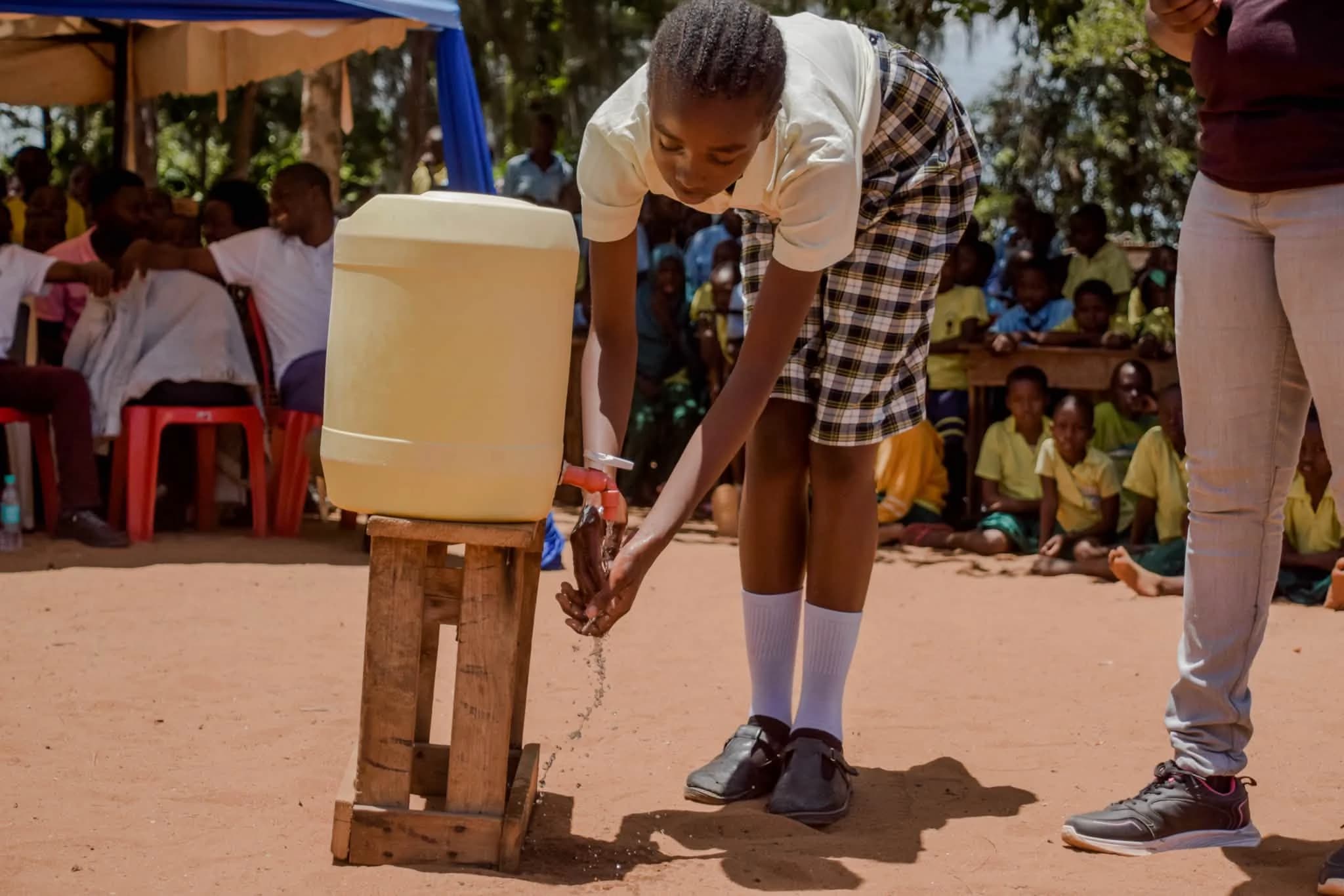
Functional handwashing stations, reliable access to clean water and adequate soap can help schools reduce preventable infections and promote regular attendance. Under the Competency-Based Education (CBE) system, hygiene education should complement academic learning by giving learners practical life skills that protect their health. Schools should include handwashing demonstrations in health education, set clear hygiene routines and encourage learners to remind one another.
Teaching children to wash their hands is not enough if the facilities are unavailable. Schools, particularly those in water-scarce and underserved communities, need sustained investment in water supply, sanitation facilities and hygiene materials.
The role of parents and teachers
Children learn through instruction, observation and repetition, so teachers and parents share responsibility for modelling good hygiene. At school, learners should be encouraged to wash their hands before meals and after toilet breaks, and parents should reinforce the same routines at home so that hygiene becomes a lifelong habit. Community health workers, school health clubs and local leaders can use awareness campaigns to demonstrate proper handwashing and address misconceptions. Children are more likely to develop lasting habits when the adults around them practise the same behaviour.
How to wash hands properly
Effective handwashing involves more than briefly rinsing the fingers. People should wet their hands with clean running water, apply soap and rub the palms, backs of the hands, between the fingers, around the thumbs and beneath the nails for at least 20 seconds. They should then rinse thoroughly and dry their hands using a clean method.
Soap and water are especially important when hands are visibly dirty or greasy. Alcohol-based hand sanitiser can be useful when soap and water are unavailable, provided it contains at least 60 per cent alcohol, but it does not replace washing with soap and water when hands are visibly dirty.
Protecting vulnerable people
Young children, older people and individuals with weakened immune systems may be more vulnerable to the effects of certain infections. Consistent handwashing reduces exposure to germs and limits their spread within households and institutions, which matters even more in crowded homes, boarding schools, health facilities and other shared environments.
Handwashing must be backed by other preventive measures, including safe drinking water, proper waste disposal, clean toilets, safe food preparation, vaccination where appropriate and timely medical care.
Lower household and public health costs
Preventing avoidable infections can reduce pressure on families and health facilities. Healthy children are more likely to attend school consistently, and parents spend less time dealing with preventable illness. At community level, better hygiene supports a healthier population and protects the productivity of households and workplaces.
Access remains a major consideration. Public awareness must go hand in hand with investment in water, sanitation and hygiene infrastructure so that even the poorest households and schools can adopt the recommended practices.
Making every day a handwashing day
The value of World Handwashing Day lies in the habits people maintain long after October 15. National and county governments, school administrators, parents, teachers and communities should work together so that clean water and soap are accessible wherever people learn, eat, work and receive healthcare. Schools should maintain functional handwashing facilities, families should teach children that hygiene is a shared responsibility, and public institutions should keep sanitation facilities clean, safe and well maintained.
The challenge is not simply to tell people to wash their hands, but to make proper handwashing possible, affordable and routine for everyone. For Kenya, the priority is to turn hygiene awareness into everyday action, particularly in schools and communities where access to water and sanitation remains a challenge. A simple 20-second habit can protect a child's health, preserve learning time and safeguard an entire community.
Reader Discussion (0)
Sign in to comment