The government has intensified its drive to enrol two million young people in Technical and Vocational Education and Training (TVET) institutions, enlisting chiefs, assistant chiefs and other grassroots administrators to mobilise prospective trainees as it seeks to bridge the skills gap and expand access to employment.
The campaign, spearheaded by the State Department for TVET, places community-level mobilisation at the centre of efforts to raise enrolment. National Government Administration Officers are expected to identify eligible youth, guide them to nearby institutions and raise awareness about the value of technical training.
At an enrolment sensitisation forum at Meru National Polytechnic in August 2026, TVET Principal Secretary Esther Thaara Muoria said the government was targeting two million learners by December. She said infrastructure, training capacity and student funding mechanisms had been put in place to support the expansion.(Education News Kenya — https://educationnews.co.ke/news/govt-enlists-chiefs-village-elders-in-push-to-enrol-2-million-youth-in-tvet-institutions)
The initiative reflects the government's growing reliance on vocational education as a route to economic empowerment, industrial development and practical skills. Its success, however, will depend on whether the enrolment drive translates into quality training, recognised qualifications and jobs.
Under the campaign, chiefs, assistant chiefs and village elders are expected to work with TVET institutions to identify young people who could benefit from vocational training. The government is relying on local administrators to reach school leavers, unemployed youth and other prospective learners who may lack information about courses, admission requirements and financial support.
State Department for Devolution Principal Secretary Michael Lenasalon has urged county governments to support the exercise, saying technical training can contribute to wealth creation and Kenya's industrial transformation.
Awareness alone may not secure sustained enrolment. Prospective students also need clear information about course costs, accommodation, entry requirements, training duration and the employment pathways linked to different qualifications.
TVET institutions train learners in fields that include construction, electrical installation, manufacturing, agriculture, hospitality, information technology and renewable energy. These skills are increasingly important as the country pursues industrialisation, infrastructure development and a growing digital economy.
The government has also promoted competency-based education and training, which emphasises demonstrated practical ability over theory alone. Other initiatives include the Dual Training Model, which combines institutional learning with workplace experience, and Recognition of Prior Learning, which lets people with existing occupational skills seek formal assessment and certification.
These approaches could help close the gap between classroom instruction and workplace expectations, but their value depends on properly equipped workshops, qualified trainers, credible assessments and employers willing to offer placements or hire graduates.
Capacity test for the two-million target
A rapid rise in student numbers requires enough trainers, modern equipment, workshop space, learning materials and sustainable financing, with practical subjects resourced to prepare learners for real working environments. Muoria said the government had employed more than 5,500 trainers and retrained many in competency-based education and training.
Expansion should be accompanied by transparent reporting on trainer-to-trainee ratios, equipment availability, course completion rates and the number of graduates who find jobs or start enterprises. Without such indicators, rising enrolment figures would give an incomplete picture of the programme's impact.
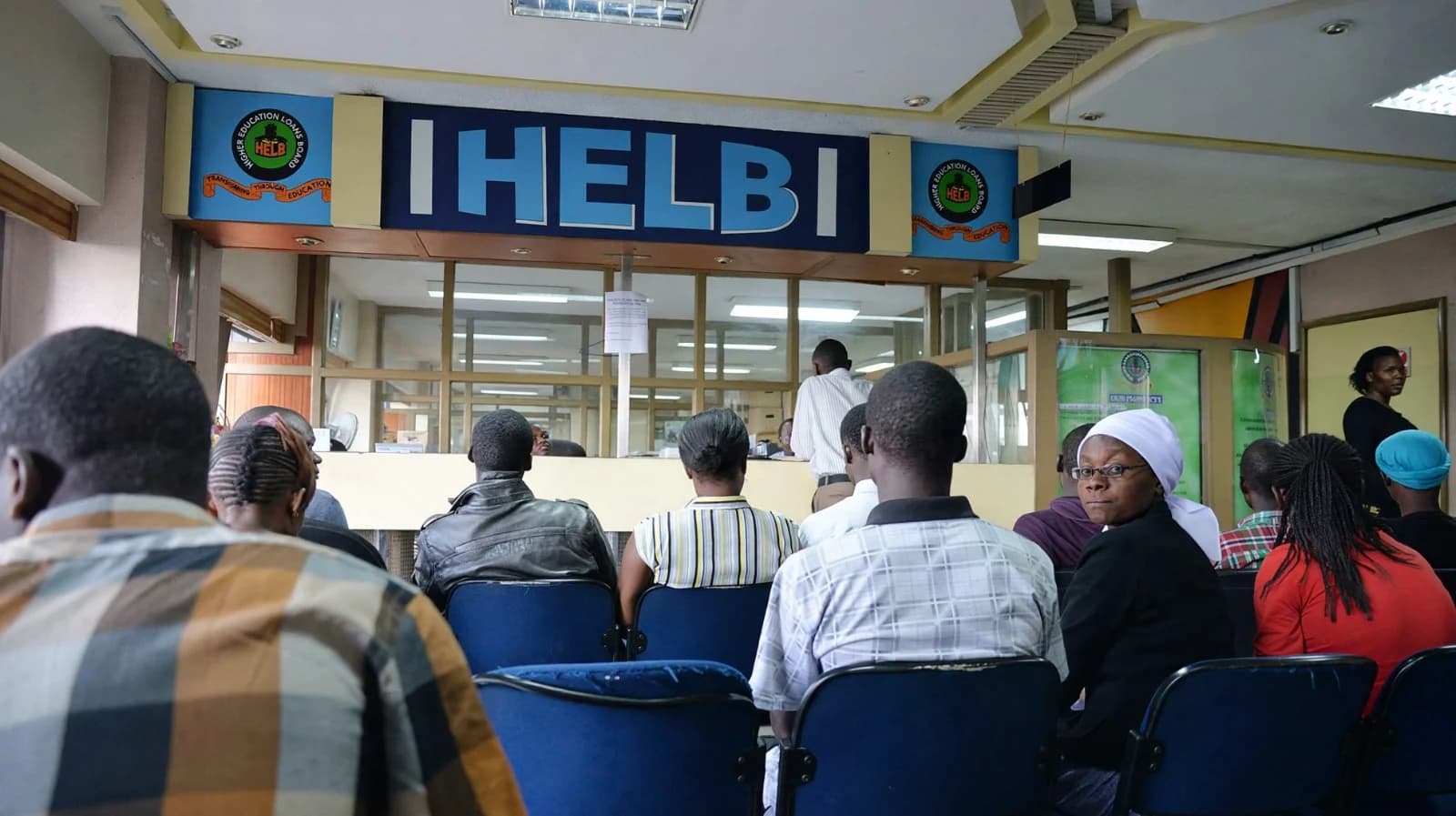
The cost of training remains a critical consideration for youth from low-income households, particularly those who must also pay for transport, accommodation, meals and learning materials. Officials have pointed to student funding arrangements as part of the strategy to widen access. Under the model they described, eligible students can obtain financial support, with loan repayment linked to their future employment.
Access to financing must be matched by clear communication on eligibility, application procedures, the balance between scholarships and loans, and the obligations learners may incur. Even subsidised tuition may not remove every barrier, as students who cannot afford daily transport or basic living costs may struggle to stay in training. Financial assistance must therefore reach eligible learners on time to support both enrolment and retention.
Industry partnerships
Vocational training will have limited economic impact if courses do not match labour-market demand. Stronger partnerships between TVET institutions and industry could help align curricula with occupational requirements, expand apprenticeships, improve access to workplace equipment and give students practical experience before graduation.
Construction, manufacturing, agribusiness, transport, hospitality, renewable energy and digital services offer potential pathways for skilled workers, though opportunities vary by location, specialisation and the pace of investment. Institutions should review their programmes against changing labour-market needs and avoid training large numbers of students in fields with limited jobs. Training should also include business management and financial literacy so that learners can turn technical skills into income-generating enterprises.
The two-million target is a significant expansion of the vocational training agenda, but its success will be judged by more than registrations. The government will need to show that institutions have adequate resources, qualifications are recognised, students complete their programmes, and employers value the skills taught. Regular publication of enrolment, completion, certification and graduate employment data would show whether the initiative is working and help identify regions and institutions needing additional support.
Ultimately, the expansion will be measured not by how many young people enter training institutions, but by how effectively the skills they acquire translate into productive work, stronger enterprises and wider economic opportunity.













Reader Discussion (0)
Sign in to comment