


The proposed reforms are contained in the Alcoholic Drinks and Drugs Control Laws (Amendment) Bill, 2026, sponsored by National Assembly Majority Leader Kimani Ichung’wah.
The Bill, which was introduced in Parliament on Thursday, November 5, seeks to tighten regulation of the manufacture, distribution, marketing and consumption of alcoholic drinks amid growing concerns over alcohol and substance abuse.
Under the proposed legislation, supermarkets, retail outlets dealing in products associated with children, residential areas and educational institutions would be prohibited from obtaining licences to sell alcoholic beverages.
The legislation also proposes banning alcohol sales through online platforms, courier services, hawking, home deliveries and vending machines.
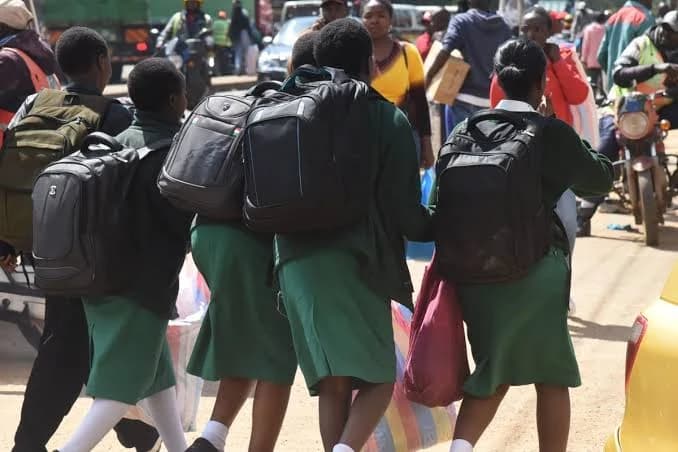
If enacted, licensed alcohol outlets would be required to maintain a distance of at least 300 metres from nursery, primary and secondary schools and other learning institutions serving young people below 21 years.
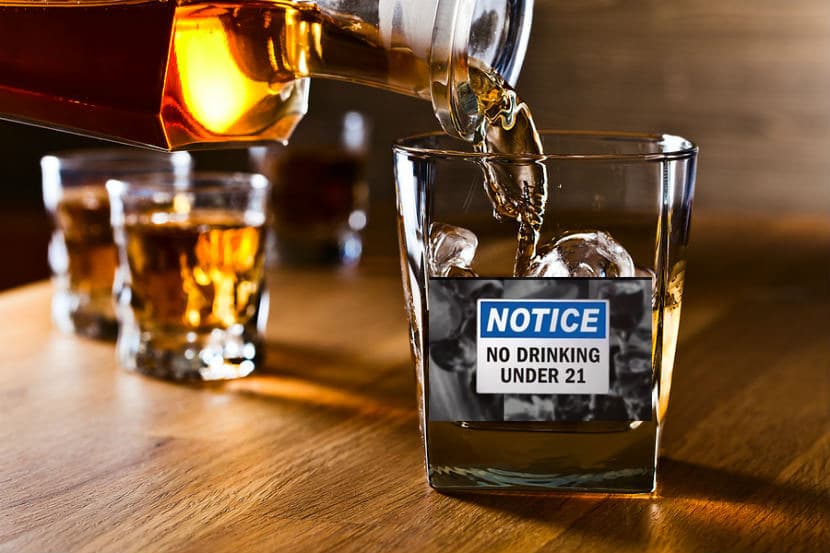
The proposed restrictions would also bar anyone below 21 from entering premises licensed to sell alcoholic drinks, even when accompanied by an adult.
Proposed restrictions on alcohol sales
Other proposed measures include prohibiting alcohol sales at public beaches, cinemas, medical facilities, parks, sports facilities, petrol stations, railway stations and in public transport vehicles.
The Bill further seeks to introduce a Sh2 levy on every litre of alcoholic beverages manufactured or imported into the country to support regulatory programmes and initiatives aimed at addressing alcohol and drug abuse.
At least 50 per cent of the money raised would go towards financing the National Alcoholic Drinks Control Committee, while a minimum of 15 per cent would support civil society organisations involved in the prevention and management of substance abuse.
The proposed law also introduces tighter controls on alcohol advertising, with promotional campaigns requiring approval from a designated regulatory committee. Online advertising and promotion of alcoholic drinks and related brands would be prohibited.
In addition, the transportation of alcoholic beverages would be restricted to between 6 a.m. and 6 p.m., while manufacturers, importers and distributors would face stricter licensing and product-tracking requirements.
Those found violating certain provisions of the proposed law could face fines of up to Sh10 million, imprisonment for a maximum of five years, or both.
Businesses operating in areas that would become prohibited under the proposed legislation would be granted a transition period of up to three months after the law takes effect, or until their existing licences expire, whichever comes first.
The Bill is part of renewed government efforts to address illicit alcohol production and consumption, which have been associated with serious public health and social challenges.
It will undergo public participation before further consideration by Parliament. The proposals are not yet law and will require parliamentary approval and presidential assent before implementation.

Reader Discussion (0)
Sign in to comment