Kenya cannot credibly declare its Competency-Based Education (CBE) system successful simply because learners transition from one level to another, schools record impressive assessment results, or universities continue to produce thousands of graduates. The real test of CBE is whether the entire education journey, from Early Childhood Development and Education (ECDE) through primary, Junior School, Senior School, middle-level colleges and university, develops learners who can apply knowledge, demonstrate competencies, solve problems and participate productively in society.
CBE should therefore be judged as a complete education continuum rather than as a collection of separate levels. Its success should be visible at every stage, with each level preparing learners for the next while developing knowledge, skills, values, attitudes and competencies that remain useful beyond the classroom.
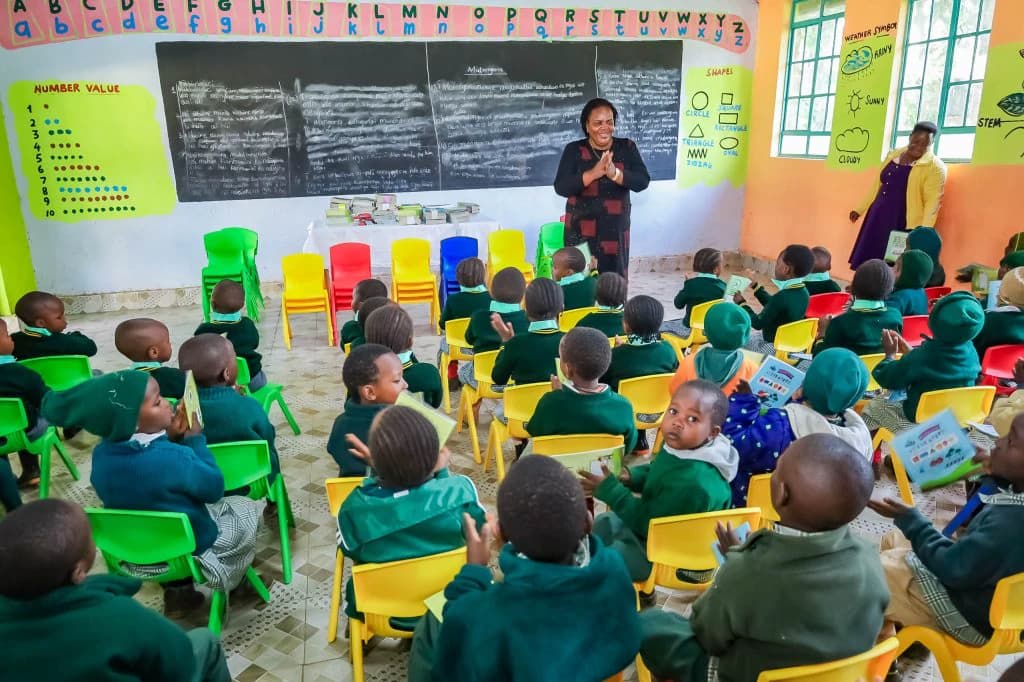
The first test begins at ECDE, where the foundations of CBE are established. Success at this level should not be measured primarily by enrolment numbers. It should be seen in the development of communication, early literacy, numeracy, creativity, curiosity, social interaction, emotional development and physical abilities. A strong CBE system should ensure that children entering Grade One are ready to learn, able to communicate, interact with others, follow instructions, recognise basic concepts and demonstrate curiosity about their environment. If children arrive in primary school without these basic competencies, the weakness is not simply a primary-school problem; it indicates that the CBE foundation has not been adequately established.
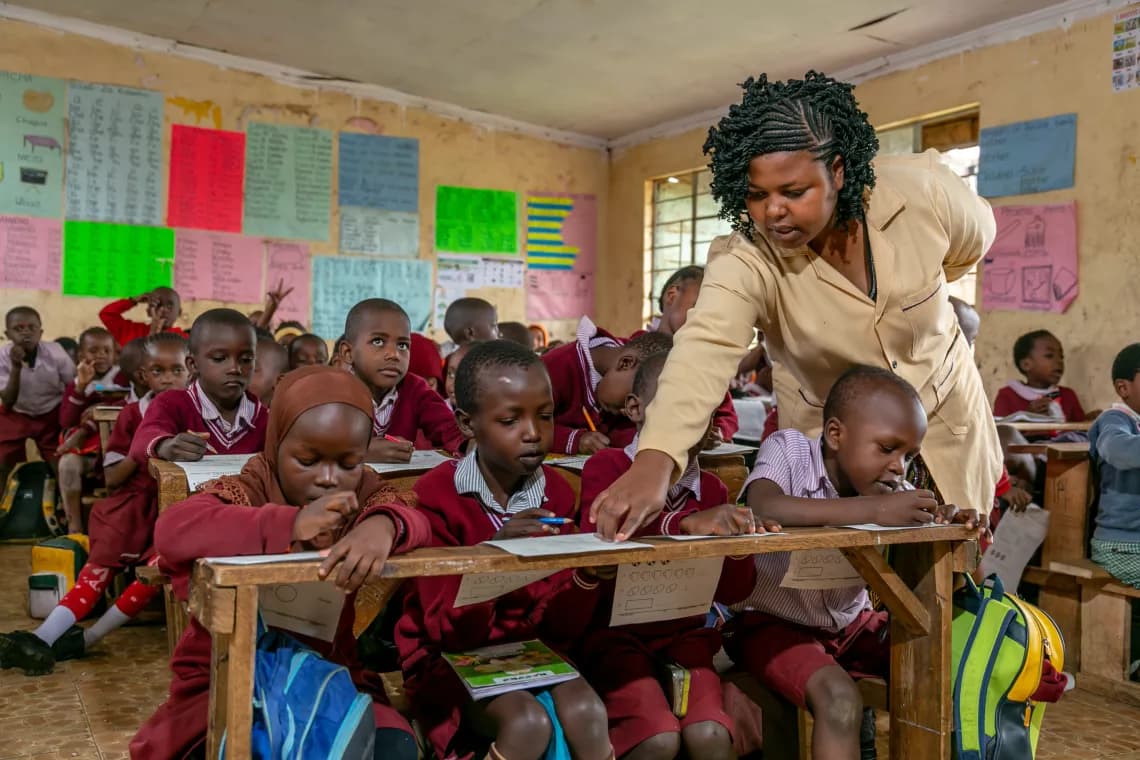
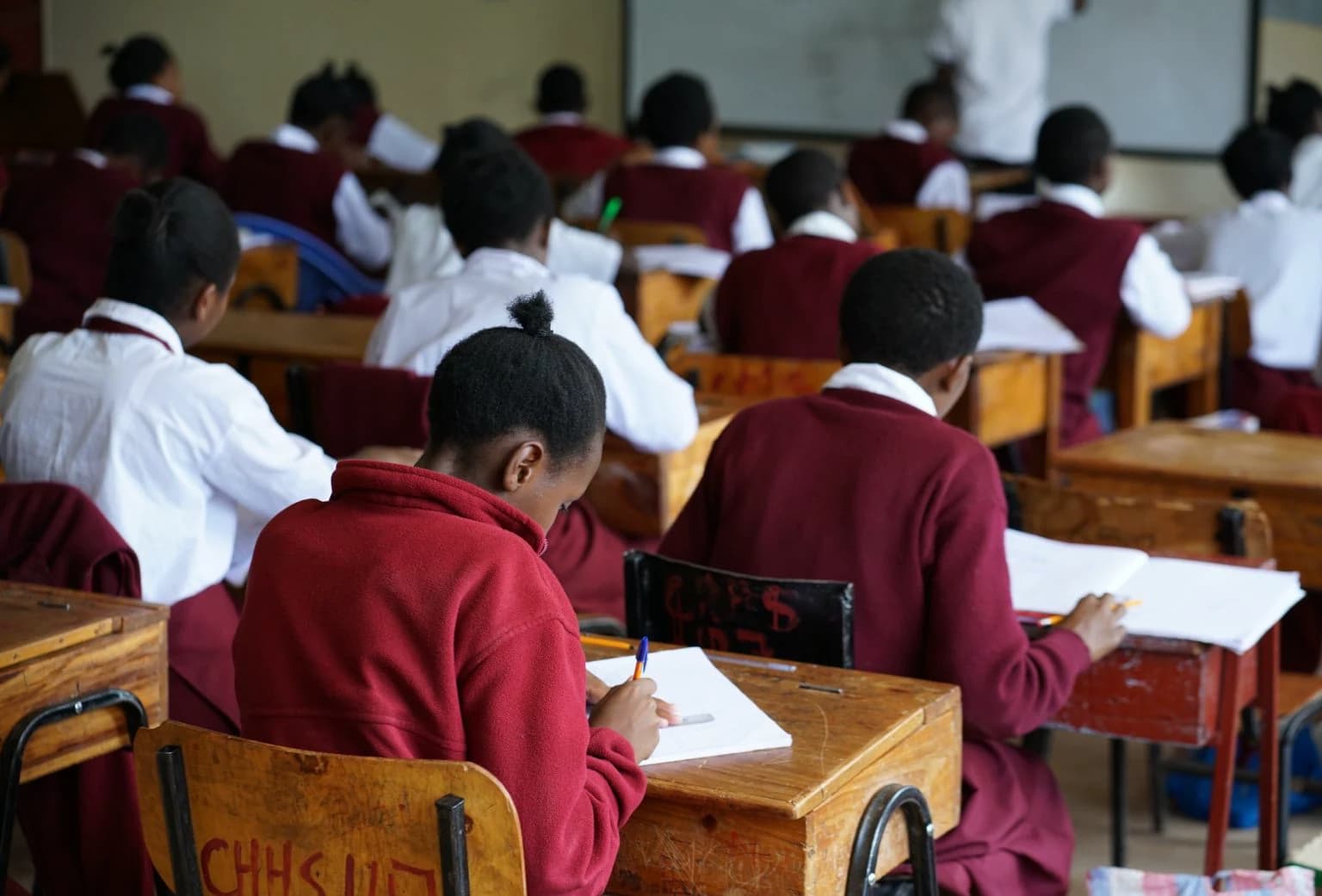
At primary level, CBE should deepen these foundations by ensuring that every learner develops strong literacy, numeracy, communication, creativity, critical thinking and problem-solving abilities. Learners should not merely memorise information for assessment; they should demonstrate that they understand what they are learning and can apply it to familiar situations. This is where the success of CBE must also be measured through equity. A CBE system cannot be considered successful if learners in well-resourced schools have opportunities to develop competencies that are unavailable to children in poorly equipped or marginalised schools.(Education News Kenya — https://educationnews.co.ke/news/what-would-real-success-for-kenyas-cbe-look-like)
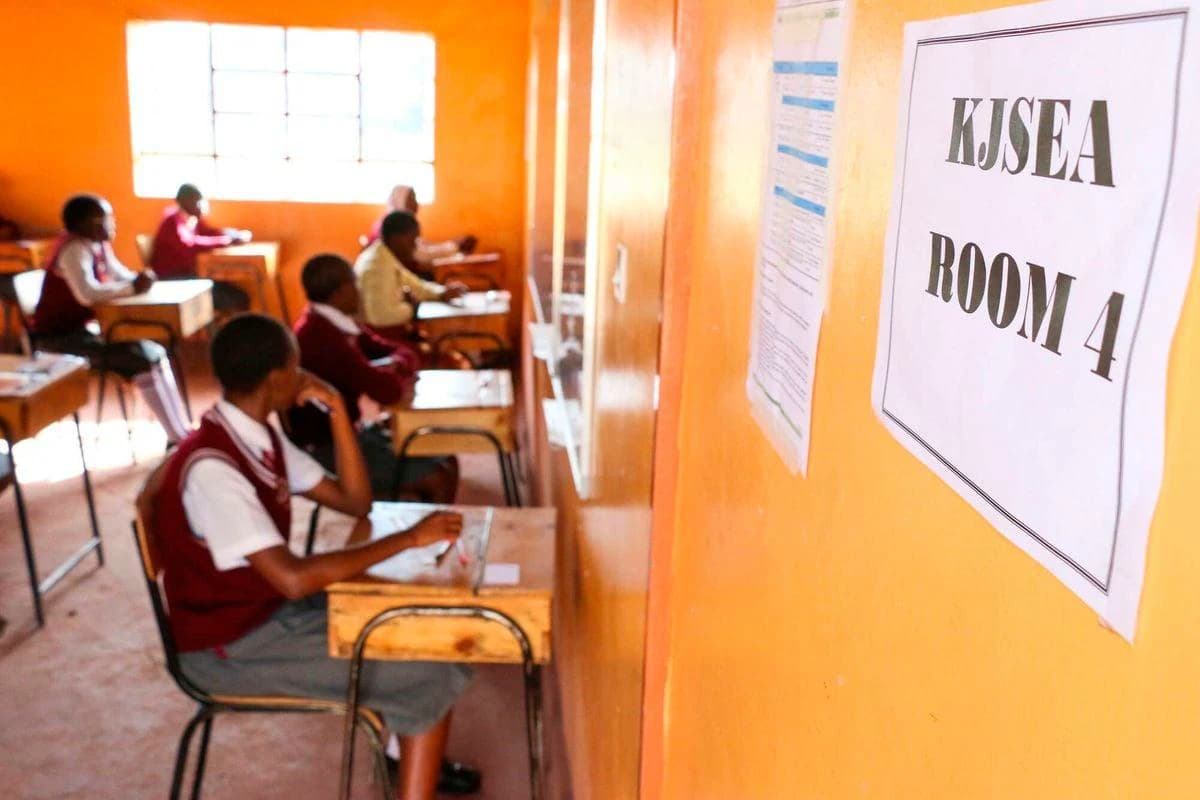
Junior School provides the next major test of CBE. This is where learners should increasingly demonstrate what they can do rather than simply what they can remember. CBE should enable learners to develop practical abilities, digital competence, creativity, collaboration, communication and problem-solving, while also providing a structured environment in which learners discover their talents, interests and potential areas of specialisation. Assessment under CBE should help teachers, parents and learners understand strengths and areas requiring support, rather than reducing learners to a single examination score.
Senior School represents another decisive stage. By this point, learners should be moving towards greater specialisation while continuing to develop transferable competencies. Whether a learner follows an academic, technical, creative, sporting or other pathway, CBE should ensure that learning remains connected to real-life applications and future opportunities. Career guidance becomes particularly important at this stage, helping learners understand their strengths and make informed choices rather than pushing every learner towards the same definition of success.
The real test comes after Senior School. Can learners successfully progress to university, middle-level colleges, TVET institutions, employment, entrepreneurship or other productive opportunities? Middle-level colleges and TVET institutions are essential to the success of CBE because competencies must eventually translate into practical capability. A learner who completes technical training should be able to demonstrate the skills associated with the qualification. The critical question should be straightforward: can the graduate actually perform the work for which he or she was trained? A certificate without competence would represent a failure of the very philosophy that CBE is designed to promote.
University education must also be viewed through the CBE lens. CBE does not end when a learner enters higher education; universities should continue developing critical thinking, research capability, innovation, communication, professional competence, creativity and problem-solving. University success should consequently not be measured only by the number of degrees awarded, but also by the quality and relevance of graduates, research output, innovation, entrepreneurship and the ability of graduates to contribute to national development.
Kenya needs a broader CBE scorecard, one that asks whether children are entering primary school ready to learn, whether primary learners are acquiring foundational literacy and numeracy, whether Junior School learners are demonstrating practical and transferable competencies, whether Senior School learners are making appropriate pathway choices, whether technical graduates can perform effectively in the workplace, and whether university graduates can apply knowledge, innovate and contribute to society.
Equity must run through all these stages. CBE cannot succeed if competency development depends on geography, household income, school infrastructure or access to qualified teachers. The system must provide every learner with a reasonable opportunity to develop and demonstrate competencies. This matters because CBE recognises that learners possess different abilities and forms of talent. Success should not be defined by producing a single type of learner; Kenya needs scientists, engineers, teachers, doctors, artisans, technicians, entrepreneurs, artists, athletes, researchers and professionals across many fields.
The long-term test is not whether Kenya has replaced one curriculum document with another or introduced new forms of assessment. The test is whether CBE is changing what learners can actually do: whether they can communicate, read and understand, calculate, think critically, solve problems, create, collaborate, use technology, apply technical skills, adapt, and create employment as well as seek it. If the answer to these questions becomes increasingly positive across ECDE, primary, Junior School, Senior School, middle-level colleges and university, then Kenya will have stronger evidence that CBE is working.
A successful CBE system is one that begins by building strong foundations, identifies and develops individual competencies, provides credible pathways, connects learning to life and work, reduces inequality and ultimately produces competent, ethical, adaptable and productive citizens. That, not examination scores alone, not transition numbers alone and not the number of certificates issued, should be the standard by which Kenya's CBE journey is ultimately judged.






Reader Discussion (0)
Sign in to comment