Kenya must move away from an examination-driven culture that equates grades with success and embrace practical skills, innovation and entrepreneurship, education expert Prof Julius Otundo has said, as the country grapples with youth unemployment and a widening gap between graduates and the demands of the labour market.
Prof Otundo said technical and vocational education and training (TVET) institutions could play a central role in transforming the economy by equipping learners to solve real-world problems, create businesses and generate jobs.
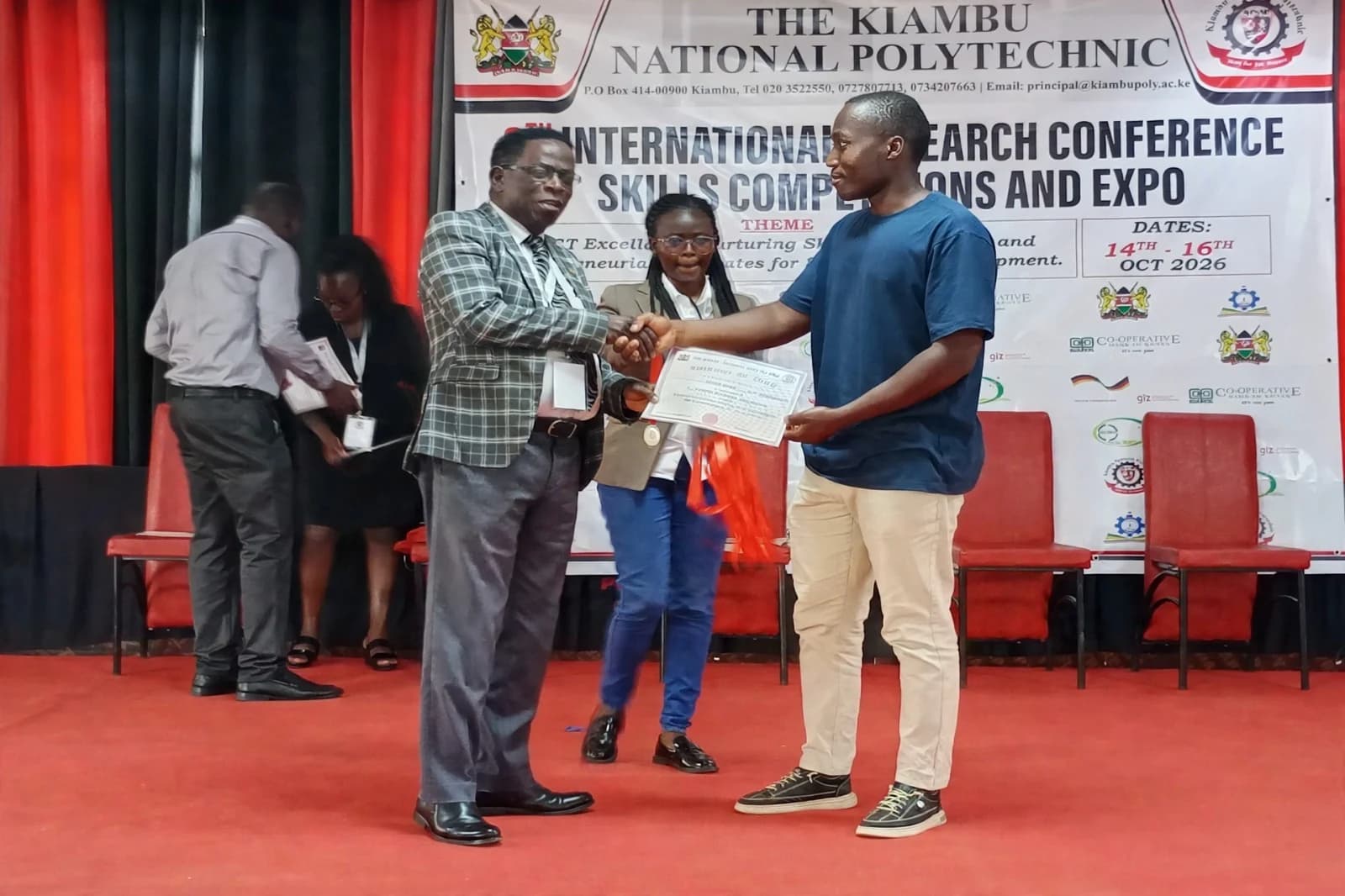
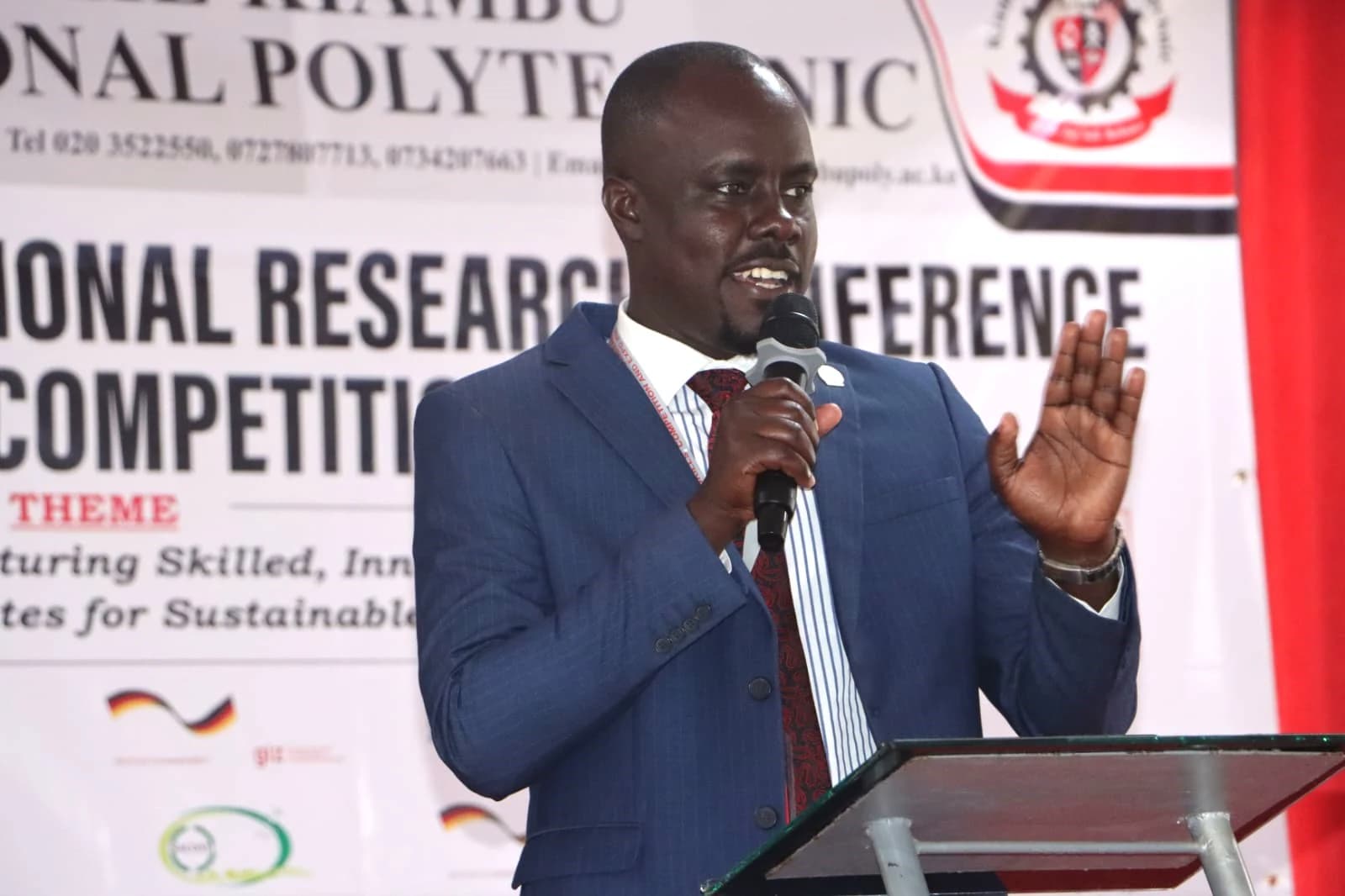
He was speaking as chief guest at the closing of the sixth International Research Conference at Kiambu National Polytechnic, where he challenged educators, policymakers and industry players to rethink the place of technical training in the education system.
He argued that the perception of TVET as a destination for academically unsuccessful students had undermined institutions that could offer practical solutions to unemployment, industrial development and technological change.
He traced part of the problem to an examination culture in which students are judged by their grades and by the secondary schools or universities they join. This, he said, had reinforced the misconception that learners who miss places in prestigious institutions have failed, pushing some away from technical training despite their aptitude for practical work.(Education News Kenya — https://educationnews.co.ke/news/varsities-and-tvet-institutions-urged-to-embrace-innovation-and-skills-based-learning)
"What matters is not merely the grade you have earned, but what you can do with the knowledge and skills you possess," he said.
He urged parents, teachers and policymakers to recognise different talents and career pathways, saying national development needs both academically trained professionals and highly skilled technicians. He stressed that he was not against university education, but against a system that fails to translate qualifications into meaningful contributions to society.
Prof Otundo called for a shift towards competence-based education and training, project-based learning and recognition of prior learning. He urged institutions to formalise and certify competencies acquired outside classrooms, so that experienced workers such as mechanics and artisans can obtain qualifications without repeating the entire training process.
He said the approach could help such workers access better jobs, improve productivity and gain entry into further training. He cited his mother, who had no formal schooling but exceptional cooking skills, as an example of valuable competencies acquired outside the education system.
He predicted that universities and TVET institutions would increasingly converge as graduates seek practical skills to complement their academic qualifications. Learners, he said, would move between academic and vocational pathways depending on their career goals, requiring closer collaboration among universities, technical colleges and industry.
He said the gap between graduate competencies and employer demands had contributed to prolonged job hunting that places financial pressure on families. Institutions should work with industry to identify emerging skills and build them into training, he said, and graduates should demonstrate competence through projects, products and practical assignments rather than rely only on examination results.
From research to enterprise
Prof Otundo also challenged researchers to move beyond academic papers and produce knowledge that can be commercialised, scaled up or used to improve livelihoods, particularly in agriculture, manufacturing and digital technology.
He warned innovators against discarding promising ideas without considering their long-term commercial value, saying value addition and scale were essential to sustainable enterprises. Farmers, for instance, could earn more by processing commodities into products with longer shelf life and higher market value rather than selling raw produce.
He urged trainees to look beyond conventional employment and see opportunities in community problems such as unemployment, inefficient production and limited access to services. He also asked educators to prepare learners for changes in technology and production, noting that advances in food technology could alter how commodities such as milk are produced.
He praised students who showcased innovations at the conference, saying their projects demonstrated the potential of technical institutions to nurture creativity, and encouraged Kiambu National Polytechnic to strengthen its innovation culture through research, exhibitions and practical learning.
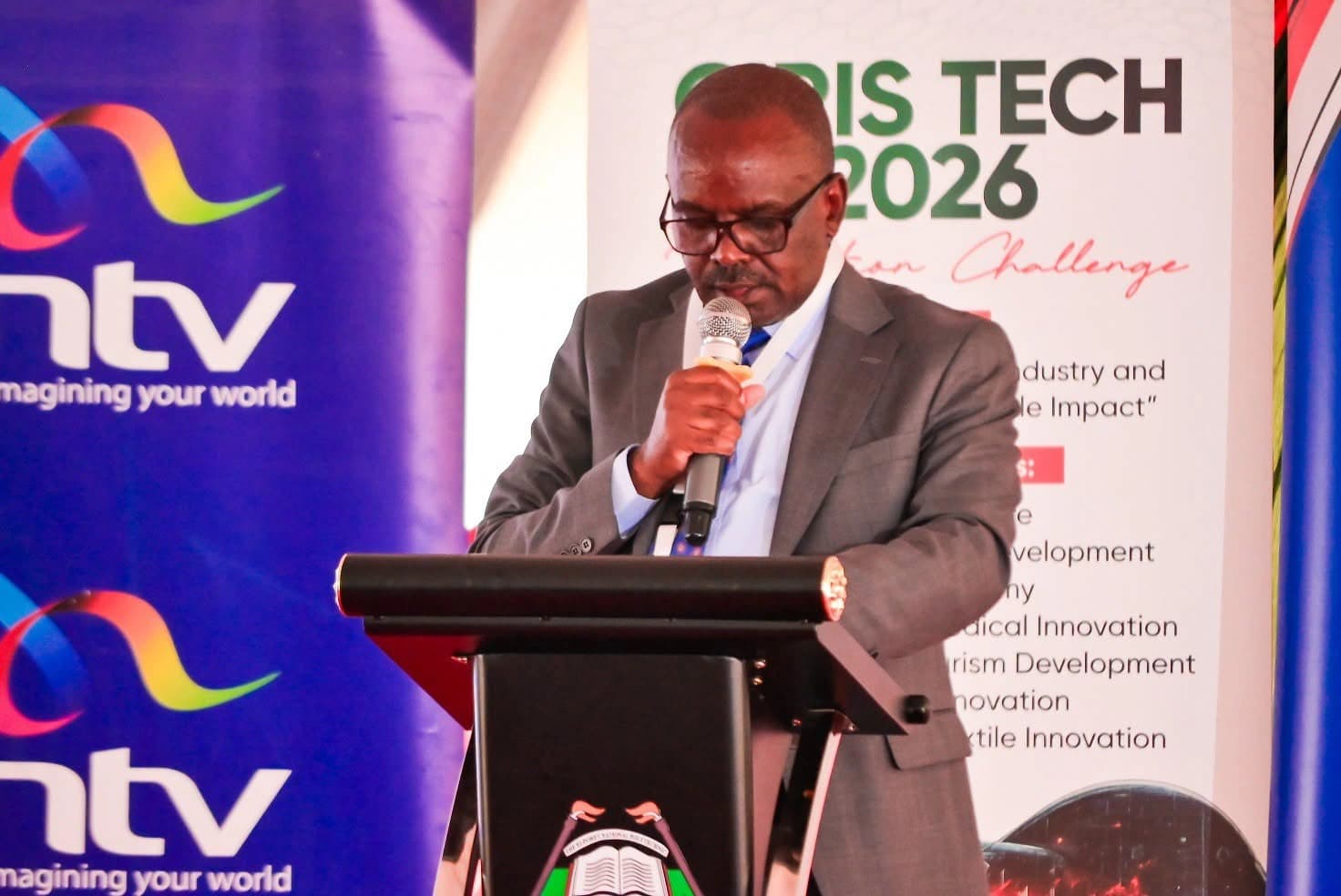
The polytechnic's Deputy Principal in charge of Academics, Phena Owiye, said the institution will continue encouraging trainees to develop innovations, including through exhibitions at the Nairobi International Trade Fair and its annual open day, which give students exposure and a chance to develop ideas that address everyday challenges.
The conference ended with a call for closer links between research, technical training and industry.










Reader Discussion (0)
Sign in to comment