









Technical and vocational education institutions have been urged to strengthen research, innovation and industry partnerships to equip young people with practical skills needed to compete in an increasingly technology-driven economy.
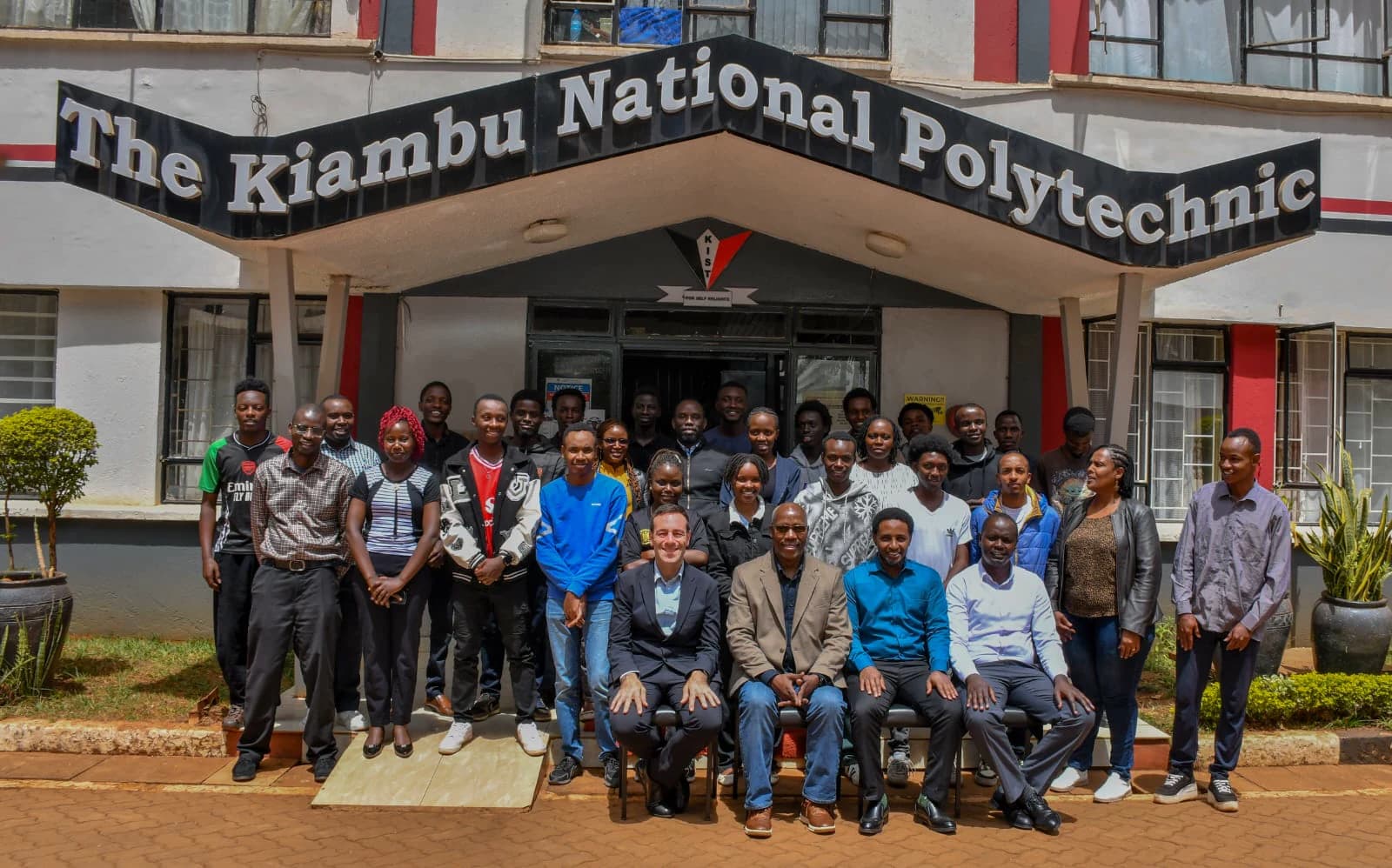
The call was made during the opening of the sixth International Research Conference, Skills Competitions and Expo 2026 at The Kiambu National Polytechnic, where education stakeholders highlighted the need to align training programmes with emerging labour market demands.
Gideon Murenga, a senior TVET and labour market adviser at GIZ Kenya, presided over the opening of the conference, which runs from October 14 to 16 under the theme “TVET Excellence: Nurturing Skilled, Innovative and Entrepreneurial Graduates for Sustainable Development.”
The conference brings together researchers, trainers, students, policymakers, industry representatives and development partners to discuss how technical and vocational education and training (TVET) can respond to changing economic, technological and environmental realities.
Participants are examining the role of entrepreneurship, digital literacy, artificial intelligence (AI), automation, green technologies, agribusiness and work-based learning in preparing graduates for employment and enterprise creation.
The discussions come amid growing calls for training institutions to move beyond conventional classroom instruction and strengthen practical learning, innovation and collaboration with employers to address skills gaps in the labour market.
In his address, The Kiambu National Polytechnic Chief Principal and Governing Council Secretary CPA Sammy Waititu said TVET institutions had a responsibility to produce graduates who could adapt to changing workplace demands while contributing to productivity, innovation and sustainable development.
He said technical competence alone was no longer sufficient, arguing that graduates also needed creativity, digital skills, problem-solving abilities and an entrepreneurial mindset to navigate a rapidly evolving economy.
Waititu said the conference offered an opportunity for institutions to exchange research findings, showcase innovations and develop partnerships that could strengthen the quality and relevance of vocational training.
He identified stronger collaboration between training institutions and industry as critical to ensuring that curricula, assessment methods and practical training reflect the realities of the workplace.
The conference is also examining how emerging technologies can be integrated into teaching and assessment without compromising responsible use, practical competence and the quality of training.
Waititu said sustainability should remain central to TVET development, with institutions exploring environmentally responsible construction, green technologies and innovative approaches to food security and agricultural value addition.

He commended the organising committee, researchers, reviewers, industry partners and other stakeholders for supporting the conference.
Researchers examine AI integration and digital skills in TVET
Artificial intelligence emerged as one of the key areas of discussion, with researchers examining its potential to transform technical training as well as the challenges institutions face in adopting new technologies.
A study by Susan Suchi of The Kiambu National Polytechnic and Eusebiah Nanzala of Zetech University examines opportunities for integrating AI into TVET, proposing a framework to help institutions assess their readiness for the technology.
The researchers argue that AI-powered learning platforms, intelligent tutoring systems, digital simulations and automated competency assessment could improve learning outcomes, identify skills gaps and make training more responsive to employers' needs.
However, they caution that limited digital infrastructure, inadequate funding, insufficient trainer preparedness and unresolved policy and ethical questions could slow adoption, particularly in institutions with limited resources.
Their proposed five-stage framework begins with establishing digital foundations and developing trainers' AI capabilities before advancing to AI-supported teaching, data-driven competency assessment and continuous improvement through industry collaboration.
Another study by Gideon Nzioka and Jessy Kitusa of Wote Technical Training Institute examines how trainers' competence in using AI influences instructional design and delivery under Competency-Based Education and Training (CBET).
The study, which involved 96 trainers and interviews with 10 others in Northern Kenya, found that 79 per cent of the respondents had acquired AI-related competence informally.
The researchers identified infrastructure constraints, gaps in professional development, cultural differences and language barriers as factors limiting the effective application of AI in training.
They recommend targeted capacity-building programmes, investment in digital infrastructure and the development of AI tools that respond to the linguistic and practical needs of learners and trainers.
The findings point to the need for institutions to complement individual efforts by trainers with structured support, appropriate technology and policies that encourage effective and responsible adoption.
Green technologies and gender inclusion take centre stage
The conference is also examining how vocational training can support Kenya's transition towards environmentally sustainable development.
In a paper presented by Miriam Njeri Stanley of The Kiambu National Polytechnic, researchers explored the integration of green building design skills into TVET curricula using mathematical modelling.
The study notes that construction activities contribute to energy consumption, greenhouse gas emissions, depletion of natural resources and waste generation, making sustainable building practices increasingly important.
Using a mathematical model to examine the relationship between green building adoption, energy consumption and greenhouse gas emissions, the study assessed the potential environmental benefits of sustainable construction.
The researchers also evaluated the extent to which green building competencies had been incorporated into vocational training through surveys, interviews, curriculum analysis and institutional observations.
The findings indicated moderate integration of green building content into training, with an average score of 2.8 out of five. Instructor preparedness scored 2.5, while the adequacy of training facilities scored 2.3.
The study recommends revising curricula, strengthening trainers' capacity, improving practical training facilities and establishing closer partnerships between TVET institutions and the construction industry.
It argues that combining mathematical modelling with hands-on green building instruction could help produce technicians capable of implementing sustainable construction methods and supporting the growth of Kenya's green economy.
Gender inclusion in technical education also featured prominently, with research highlighting persistent barriers affecting women pursuing science, technology, engineering and mathematics (STEM) courses.
A study by Monicah Kajuju Kaberia of Meru National Polytechnic examined challenges faced by female students undertaking engineering courses in TVET institutions.
Based on data targeting 200 female students in selected institutions, the research identified a significant gender disparity in science, engineering and technology programmes despite efforts to increase women's participation.
The study found that female enrolment had been rising in some institutions, although progress remained gradual.
Among the challenges identified were a shortage of female role models, discouragement from fellow students and negative attitudes among some male students and lecturers.
The researcher recommends improving training materials and facilities, creating more supportive learning environments and sustaining affirmative action measures to encourage women to enrol in engineering courses.
A separate study by Lyna Nkatha Muthomi of Kabete National Polytechnic examined the relationship between institutional social support and the psychological adjustment of female trainees pursuing STEM courses.
The research involved a sample of 330 trainees drawn from a target population of 900, alongside 10 TVET counsellors and eight gender desk officers.
It identified peer mentorship, guidance and counselling, and support from teaching staff as important factors in strengthening students' sense of belonging and academic resilience.
However, inadequate funding for gender support programmes, persistent stereotypes and limited training for staff responsible for student welfare remained significant institutional challenges.
The study recommends that colleges incorporate structured psychosocial support programmes into their student services to improve wellbeing, participation and retention among female STEM trainees.
The findings suggest that expanding access to technical education must go hand in hand with creating learning environments in which female students can participate confidently and complete their studies.
Industry partnerships key to translating research into jobs
Addressing participants, Deputy Principal for Planning, Administration and Finance Isaac N. Mokaya said research and innovation were essential to institutional excellence, evidence-based decision-making and sustainable development.
He urged researchers, students, trainers and industry partners to move beyond presenting findings and focus on translating research into practical solutions that improve employability, entrepreneurship and productivity.
Mokaya said the conference's broad agenda reflected the importance of connecting vocational education to current and future economic needs.
Deputy Principal for Academics and Quality Assurance Phena Owiye said TVET institutions needed to continually review their approaches to training in response to technological advances, environmental pressures and changes in the labour market.
She called for stronger collaboration between government, industry, training institutions and communities to ensure that research and innovation produced tangible benefits.
Owiye said the conference provided an opportunity to identify emerging opportunities, assess existing training practices and develop strategies for improving the quality and relevance of technical education.
The Head of Research and Innovations, Peter Kirui, said the research conference, skills competition and expo had been designed to bring together different players in the TVET sector to share experiences, demonstrate innovations and identify solutions to contemporary challenges.
He said the inclusion of skills competitions and exhibitions offered trainees an opportunity to demonstrate practical abilities, showcase technological innovations and present entrepreneurial ideas.
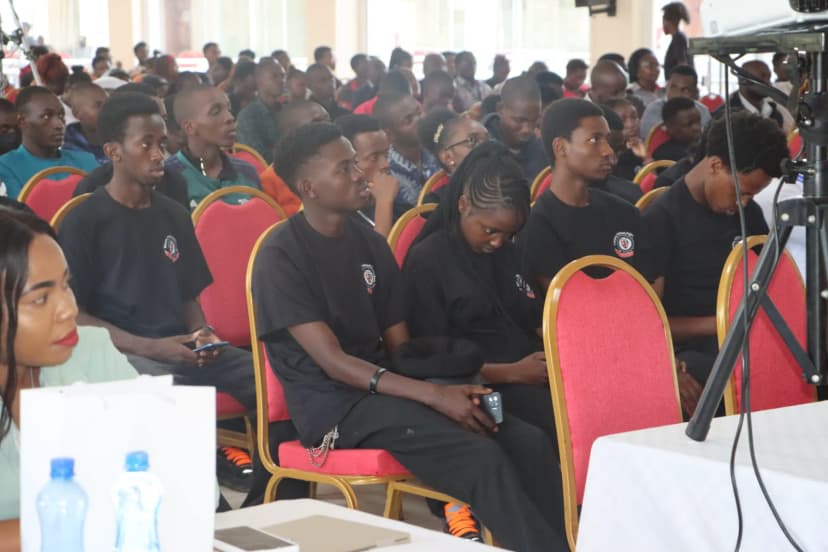
The event is expected to strengthen professional networks and encourage the exchange of ideas among institutions, researchers and employers.
The conference's focus on entrepreneurship, work-based learning, agribusiness and sustainable development reflects growing recognition that technical education must prepare learners for multiple pathways, including formal employment, self-employment and enterprise development.
For institutions, this means strengthening practical instruction, investing in modern training facilities, building trainers' capacity and ensuring that research responds to challenges facing communities and industries.
The discussions also place emphasis on agricultural value addition and food security, areas in which technical skills and innovation could support productivity, create employment and expand opportunities for young people.
Through its research, innovation and community engagement programmes, The Kiambu National Polytechnic says it is committed to producing graduates who can respond to industry needs while contributing to Kenya's wider development goals.
As the three-day conference continues, participants are expected to share research findings, demonstrate innovations and explore partnerships that could help turn new ideas into practical applications.
The central challenge, however, will be translating the recommendations into institutional reforms, improved training facilities, stronger industry linkages and better opportunities for graduates.
For Kenya's TVET sector, the conference presents an opportunity to reinforce the role of technical education not merely as a pathway to qualifications, but as a foundation for innovation, decent work, enterprise creation and sustainable economic growth.



Reader Discussion (0)
Sign in to comment