





For some, the challenge goes beyond making ends meet. They are trapped in a cycle of borrowing, repaying debts and borrowing again, with some remaining indebted even after receiving their monthly stipends.
Interviews with three intern teachers, Amina, Peter and Langat, have exposed the financial realities behind the internship programme, raising fresh questions about the sustainability of employing qualified teachers on terms that leave them struggling to achieve basic financial independence.
A review of the monthly budget figures shared by the teachers reveals that an intern supporting a household with two school-going children may require approximately Sh44,400 every month.
Against a take-home stipend of Sh17,000, this creates a monthly deficit of Sh27,400.
The shortfall means that parents, guardians and well-wishers have become an important financial safety net for teachers who cannot independently meet their obligations.
A closer look at the Sh44,400 monthly budget
The figures shared by the interviewed teachers with Education News provide a glimpse into the financial pressures facing intern teachers, particularly those with children and family responsibilities.
The following illustrative monthly budget captures the expenses reported.
Monthly expenditure Amount (Sh)
House rent 8,000
Transport to and from school 4,000
Food and groceries 4,500
Electricity and water 1,600
Airtime and internet 1,500
Personal care 800
School fees for child one 6,000
School fees for child two 6,000
School transport for child one 6,000
School transport for child two 6,000
Total expenditure 44,400
Source: Budget estimates shared by intern teachers interviewed by Education News.
The monthly financial gap
Monthly take-home stipendSh17,000
Monthly expenditureSh44,400
38%
62%
Covered by stipend
Funding shortfall
Monthly deficitSh27,400
Projected annual deficitSh328,800
The stipend covers approximately 38 per cent of the illustrated monthly expenditure, leaving the teacher to source the remaining 62 per cent elsewhere.
The deficit does not even account for unexpected medical expenses, clothing, emergencies and other unforeseen family obligations.
Responsibilities beyond the classroom
One of the realities highlighted by Amina, Peter and Langat is that their responsibilities do not end when they leave school.
Some have children to provide for, families to support and financial commitments that cannot be postponed simply because they are earning an internship stipend.
School fees, food, rent, healthcare and other household necessities compete for the same limited resources.
For teachers with dependants, the pressure is particularly pronounced because their responsibilities continue regardless of whether their monthly income is sufficient.
The Sh17,000 stipend, therefore, presents a difficult balancing act between personal survival, supporting children and meeting other family obligations.
Always in debt: Payday does not end the financial struggle
For some intern teachers, receiving their monthly stipend does not necessarily bring financial relief.
Instead, payday often marks the beginning of another round of settling debts accumulated while waiting for the next payment.
The reality is that some teachers are constantly borrowing to meet basic needs because their earnings cannot sustain them throughout the month.
By the time the Sh17,000 stipend arrives, part of it is already committed to outstanding debts, borrowed money, unpaid bills and other obligations carried forward from previous months.
This creates a difficult cycle in which teachers borrow to survive, receive their stipends, repay some of their debts and are subsequently forced to borrow again.
The situation is particularly distressing for teachers with children and other family responsibilities.
School fees, food, rent and transport cannot wait for better employment terms.
Even after receiving their earnings, some remain financially strained because the money is insufficient to clear accumulated obligations and meet new monthly expenses.
Parents, guardians and well-wishers consequently become an important source of financial support, helping teachers bridge the gap between their earnings and actual needs.
The result is a cycle of financial dependence that undermines the economic independence employment should provide.
CBE and the growing financial burden
The implementation of Competency-Based Education (CBE) has introduced additional professional demands requiring teachers to invest time, resources and money.
Teachers are expected to prepare learning experiences, assess learners, document progress, communicate with parents and undertake other activities associated with competency-based learning.
These responsibilities require reliable communication, internet access, electricity and learning preparation materials.
Airtime and internet expenditure cannot simply be regarded as optional for teachers who must maintain communication with parents and participate in school-related activities.
For intern teachers, these professional demands come at a time when their personal finances are already stretched.
They are expected to implement an education system that requires considerable preparation and engagement while struggling to finance their own daily needs.
The experiences of Amina, Peter and Langat, therefore, raise an important question: How sustainable is it to expect teachers to meet increasingly demanding professional standards while their earnings remain insufficient to cover basic living expenses?
TSC’s Sh24.868 billion plan to confirm 44,000 intern teachers
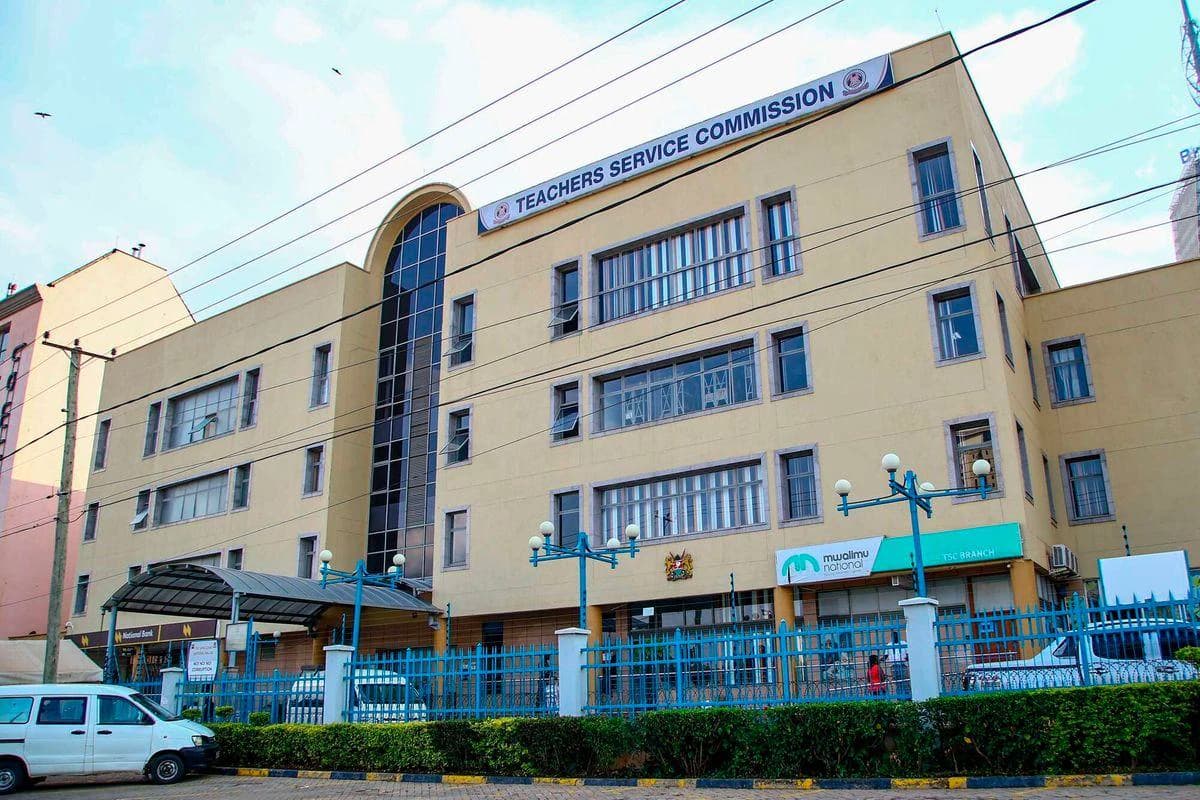
The financial experiences of the three teachers come at a time when the Teachers Service Commission (TSC) is pursuing plans to transition approximately 44,000 intern teachers to permanent and pensionable employment.
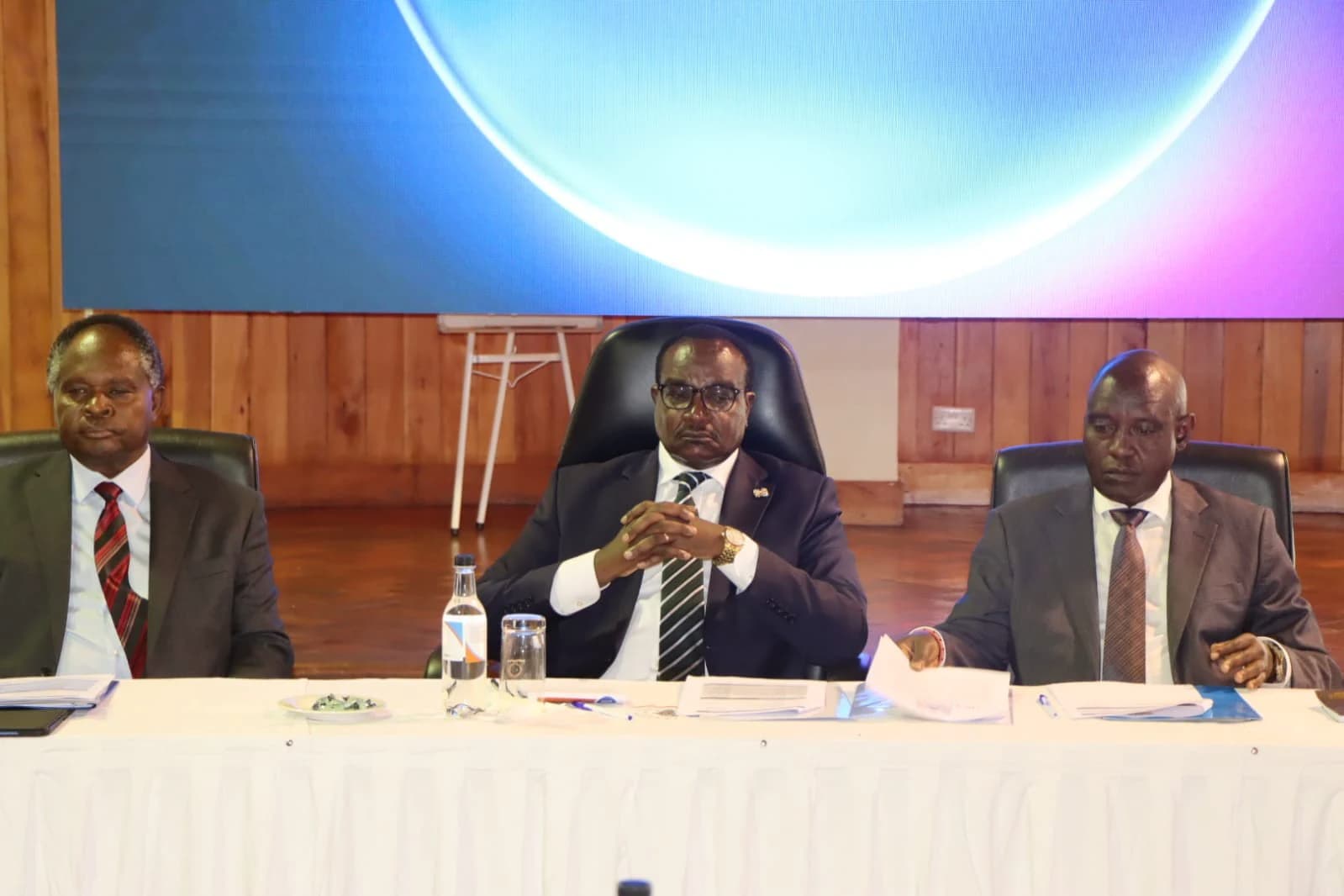
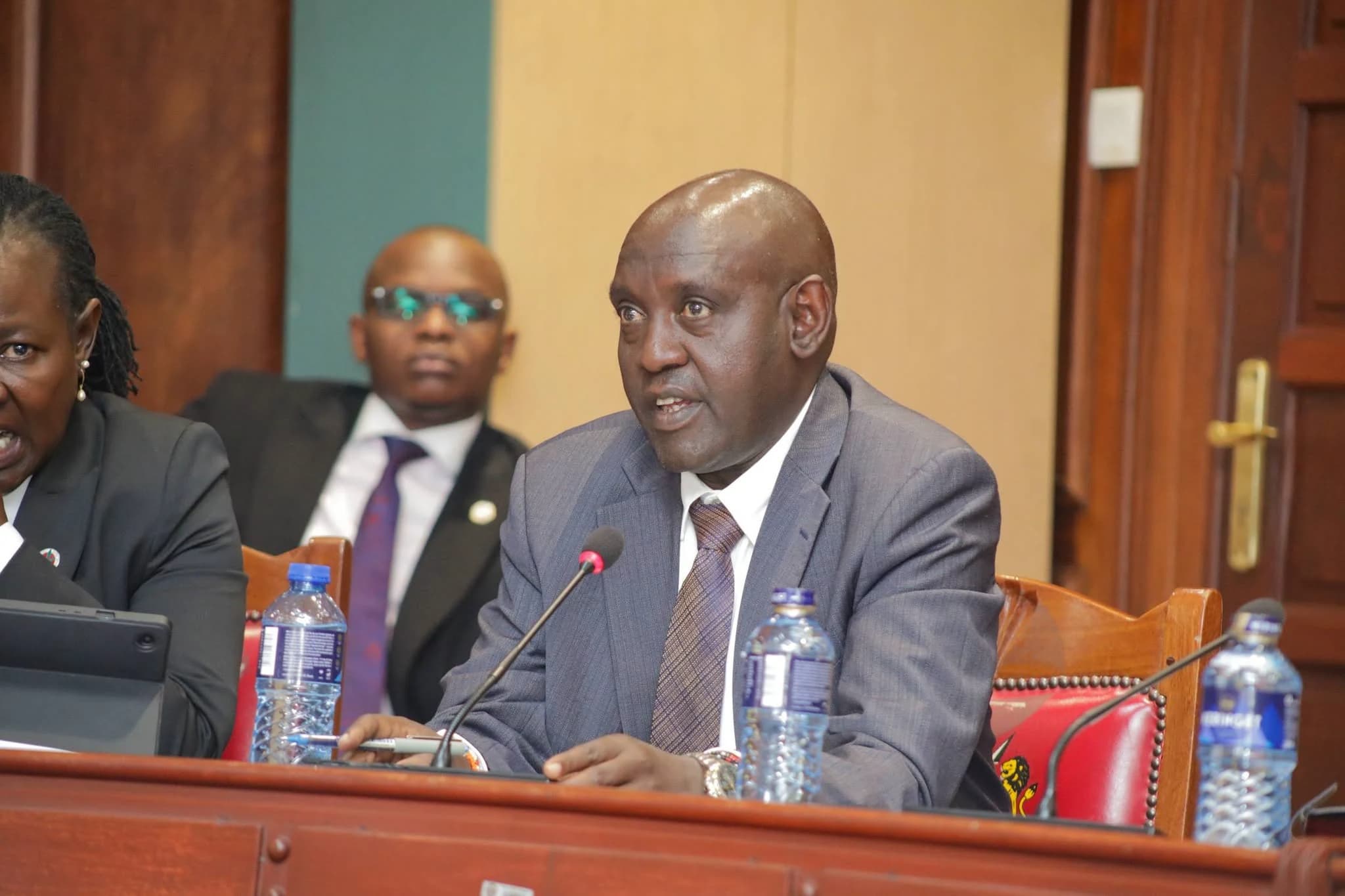
TSC Chief Executive Officer CPA Cheptumo Ayabei presented the Commission's latest conversion proposals when he appeared before the National Assembly Departmental Committee on Education on November 24, 2026.
According to the presentation, the Commission plans to convert 20,000 intern teachers to permanent and pensionable terms in January 2027 at an estimated cost of Sh7.3 billion.
Another 24,000 teachers are proposed for conversion in July 2027 at an estimated cost of Sh17.568 billion, subject to the outcome of ongoing court proceedings.
The two proposed phases translate into the following funding requirements:
Conversion phase Teachers Proposed funding
January 2027 20,000 Sh7.3 billion
July 2027 24,000 Sh17.568 billion
Total 44,000 Sh24.868 billion
The proposed Sh24.868 billion represents the combined estimated cost of converting the 44,000 teachers under the two phases.
However, the original National Treasury Budget Statement for the 2026/27 financial year had proposed Sh4.9 billion for converting 20,000 interns from January 2027. It separately provided Sh8.2 billion for the recruitment of 24,000 new interns.
The two provisions serve different purposes and should not be confused.
The difference between Treasury's original provision and TSC's latest conversion estimates makes parliamentary scrutiny and clarification of the final approved allocations particularly important.
Why permanent and pensionable employment is urgent
Confirmation would represent more than a change in employment status.
It would offer teachers greater income stability, predictable career progression and access to employment benefits associated with permanent service.
For teachers supporting children and other dependants, a stable salary would make it easier to plan household expenditure, pay school fees, meet housing obligations and provide for their families without excessive dependence on relatives.
Permanent and pensionable employment would also provide access to pension arrangements, allowing teachers to build towards retirement while serving the education sector.
More importantly, improved financial stability would help teachers break the recurring cycle of borrowing, debt repayment and financial dependence.
For the education sector, retaining experienced teachers is equally important.
Intern teachers have gained classroom experience and are already contributing to the implementation of education reforms. A stable teaching workforce is essential for continuity, improved learner support and successful implementation of CBE.
Why the two-phase conversion deserves close attention
Although the proposed conversion of 44,000 teachers is an important step, the staggered approach means that thousands will continue serving under internship arrangements while awaiting their turn.
The January 2027 phase targets 20,000 teachers, while another 24,000 are proposed for conversion in July 2027.
This raises questions about the welfare of teachers who will remain on internship terms during the intervening period.
The government and TSC need to communicate clearly on the conversion criteria, implementation timelines, funding availability and legal processes affecting the exercise.
Eligible teachers should not be left uncertain about their employment future, particularly when they are already meeting classroom responsibilities and supporting families on limited earnings.
The bigger question: How long should teachers depend on well-wishers?
The Sh27,400 monthly deficit is more than a budgetary concern. It reflects the difficult choices intern teachers must make between personal survival, family responsibilities and professional expectations.
It is difficult to demand maximum commitment to CBE implementation from teachers whose own financial circumstances remain precarious.
For Amina, Peter and Langat, confirmation is not simply about earning a better salary.
It is about providing for their children, meeting family obligations, achieving financial independence, escaping persistent indebtedness and receiving recognition for the professional responsibilities they undertake.
The proposed Sh24.868 billion conversion plan provides an important opportunity for the government to address the challenges facing the 44,000 teachers.
The priority should be to ensure that the proposed funding translates into actual employment security, subject to applicable legal and recruitment requirements.
Internship should be a bridge into a stable teaching career, not a prolonged period of financial uncertainty.
A teacher should not have to depend indefinitely on parents, guardians and well-wishers, borrow repeatedly to survive or remain indebted even after receiving a monthly stipend.
For Kenya's 44,000 intern teachers, permanent and pensionable employment is not merely a career milestone. It is a pathway to financial dignity, family stability and a more sustainable future.



Reader Discussion (0)
Sign in to comment