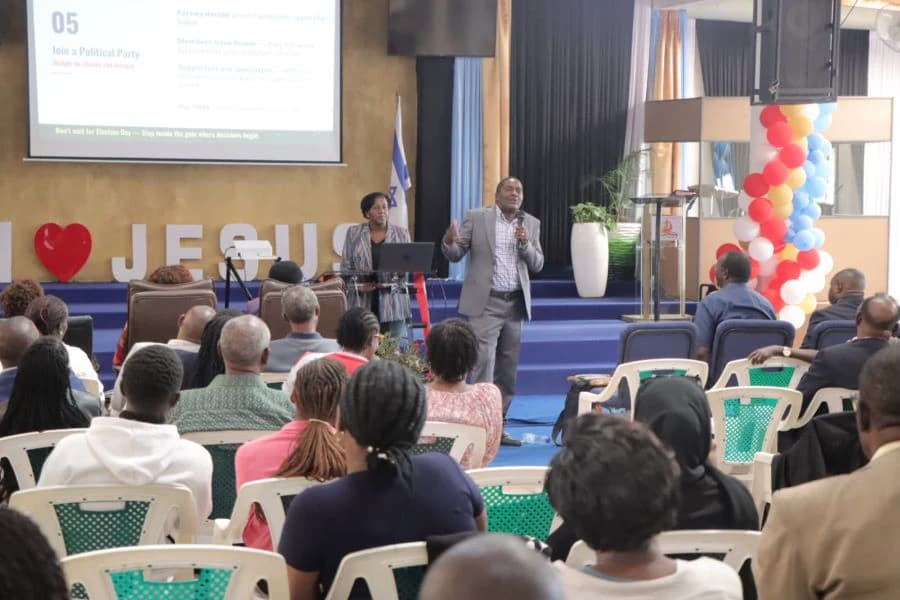

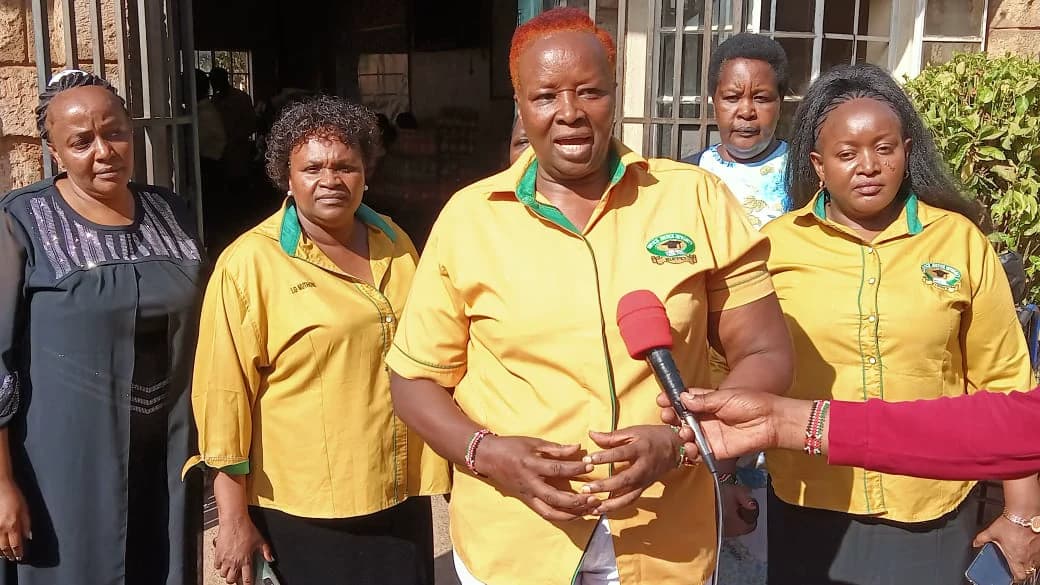
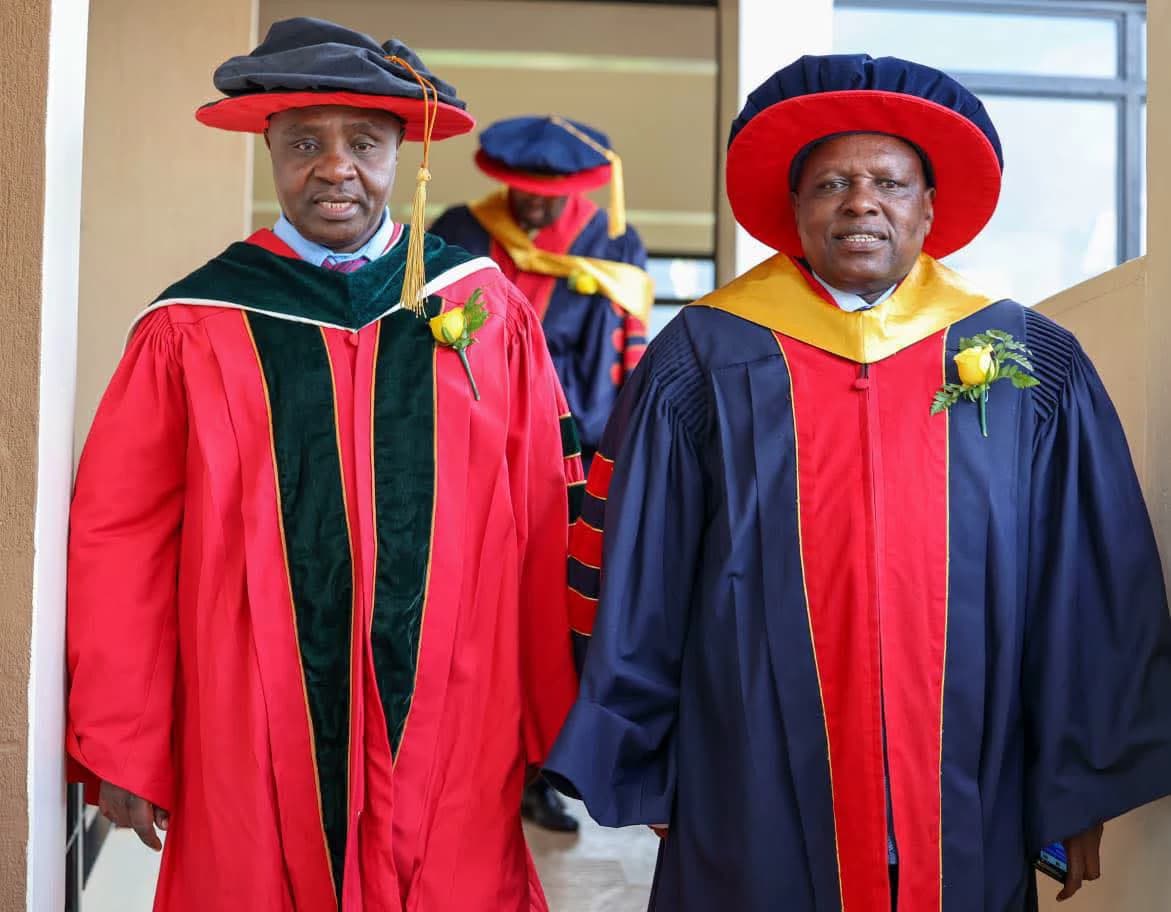
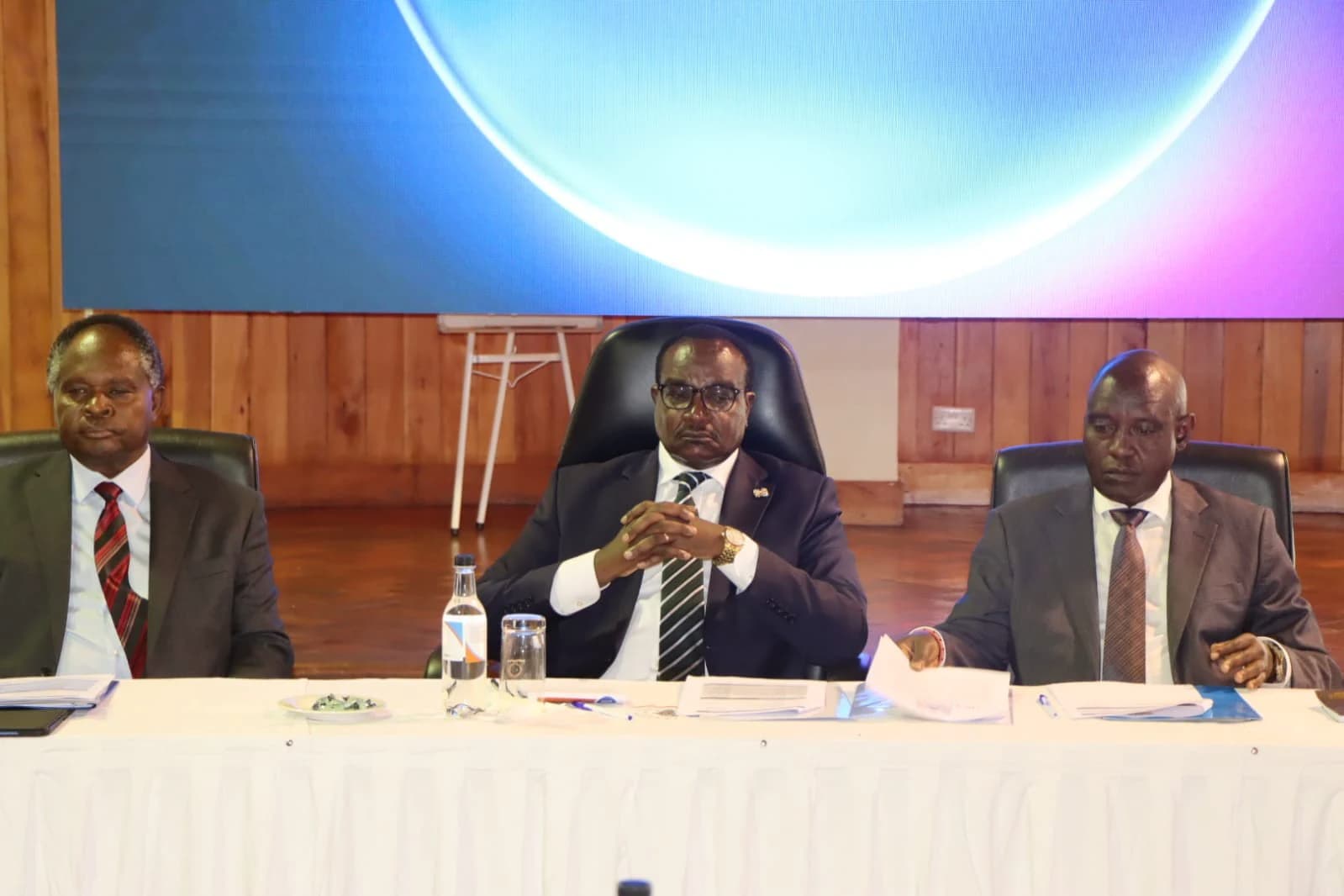

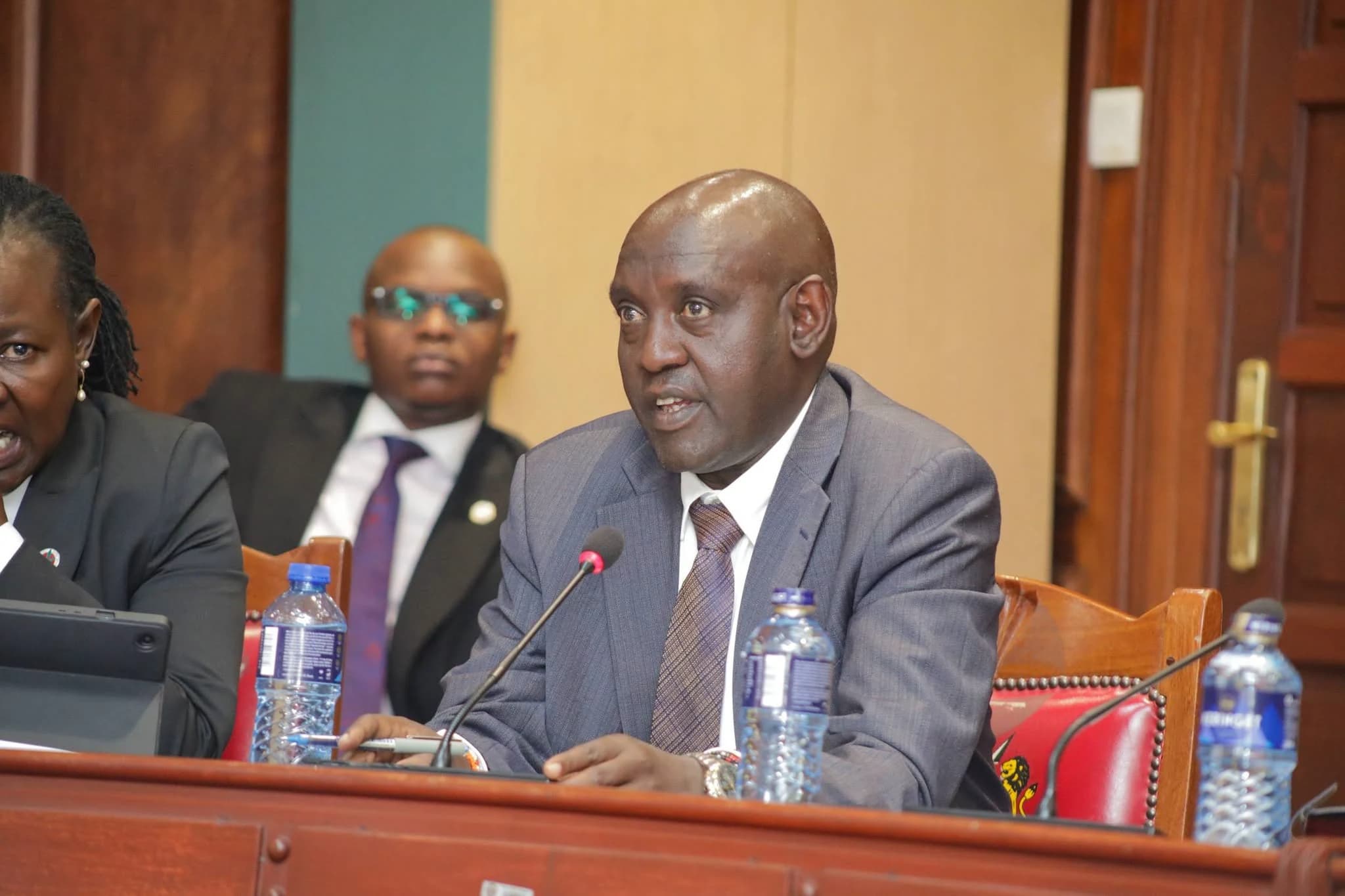

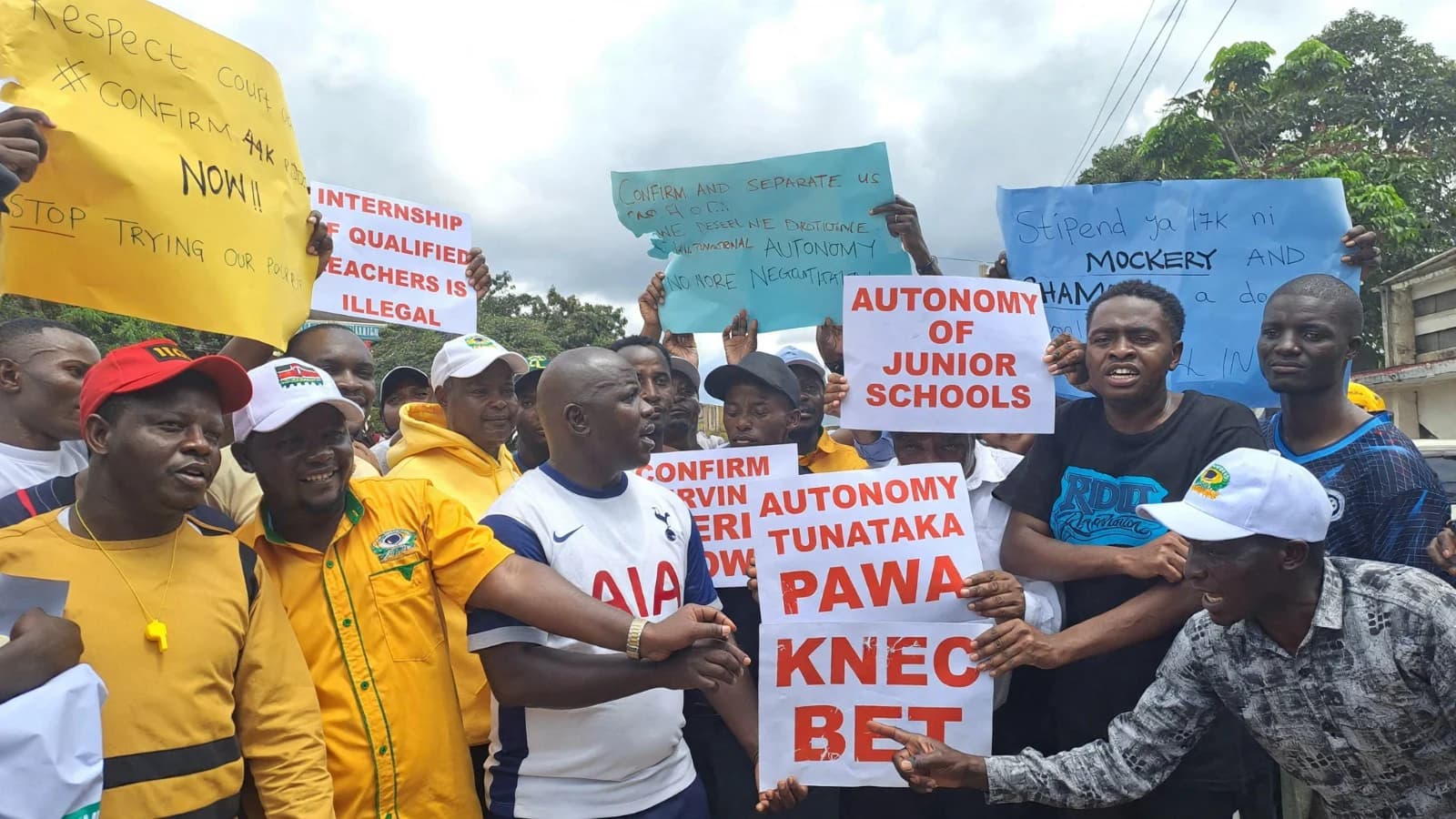

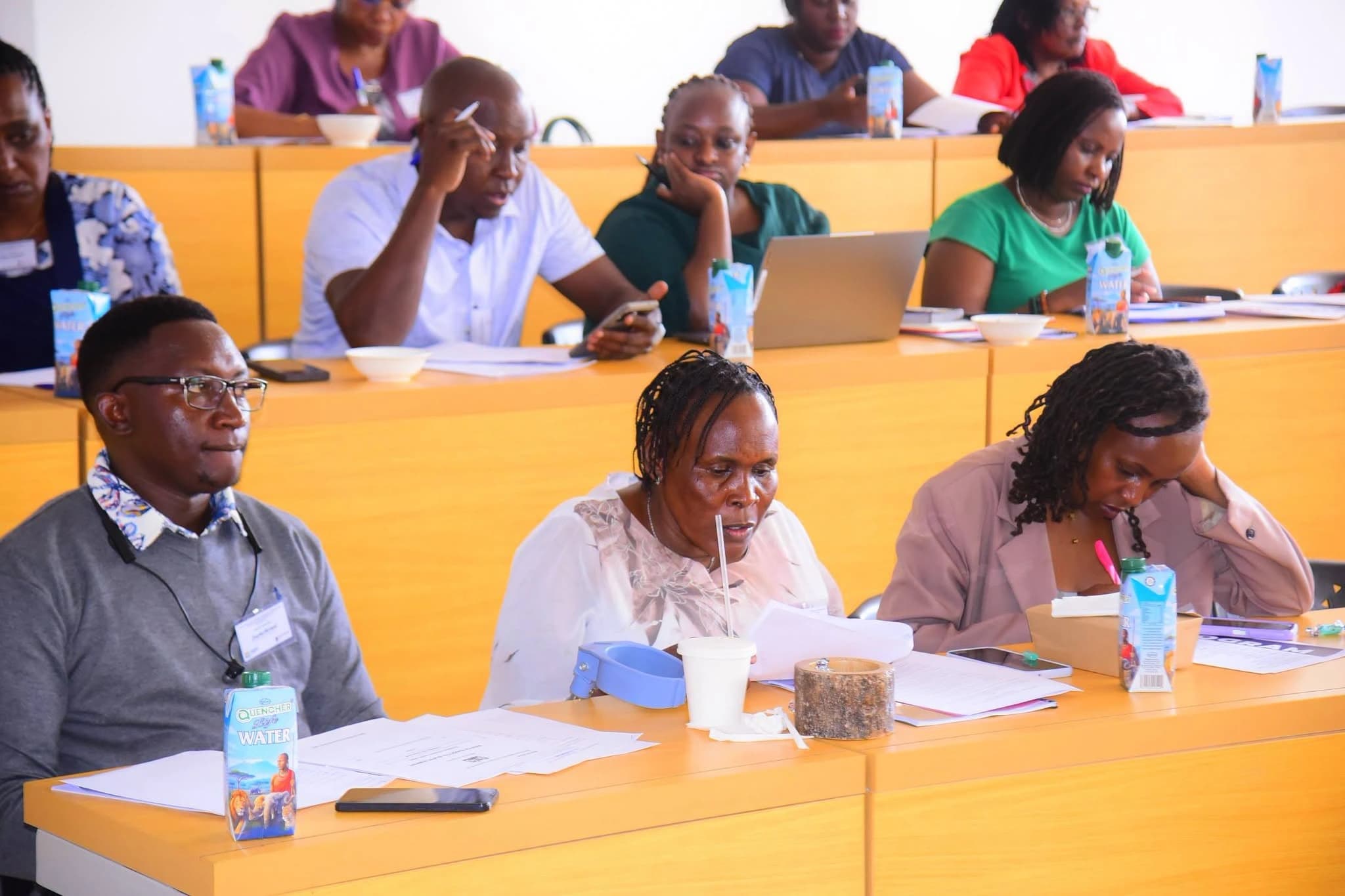
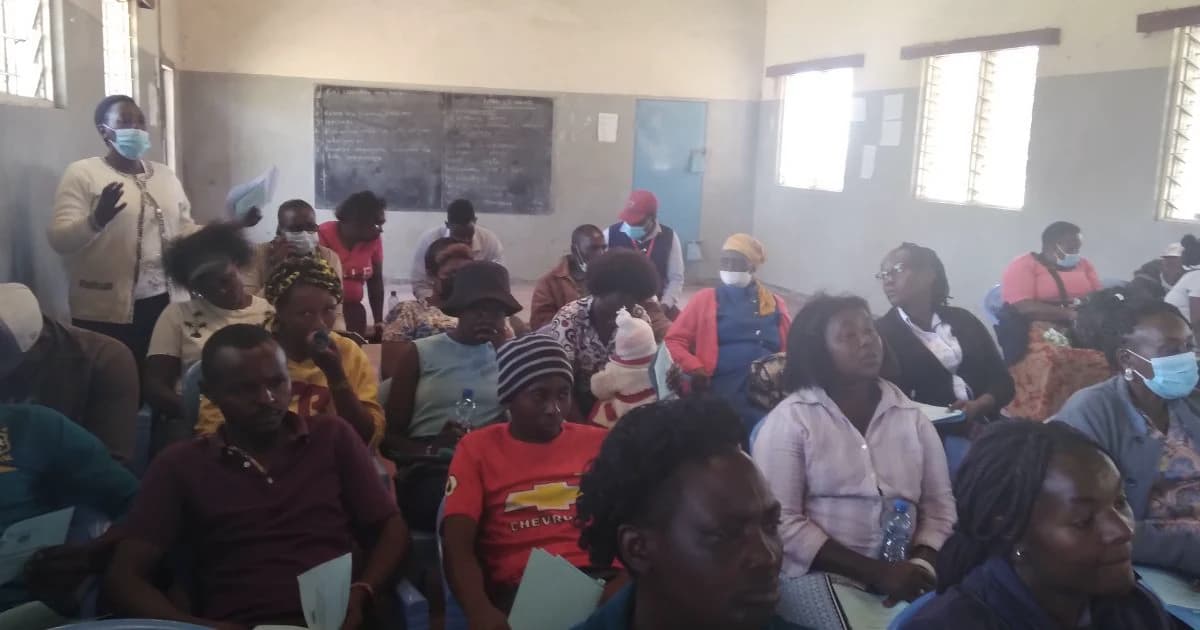
The Civic Engagement Programme, held in Kiserian for the Kajiado and West region, seeks to nurture an informed, responsible and actively engaged citizenry through grassroots civic education, empowering Kenyans to understand their constitutional rights and responsibilities and participate meaningfully in democratic processes.
Speaking during the programme, Rev. Emmanuel Nkoitiko, Parish Minister at PCEA Kiserian Parish, said the training focused on the roles and responsibilities of voters, religious leaders and other stakeholders in promoting accountable leadership.
He noted that citizens have a responsibility to scrutinise and vet political leaders before entrusting them with public office, adding that elected leaders exercise power delegated to them by the people.
“The citizens are the bosses and are able to command and demand what they want from their leaders. We will vet them according to the Constitution because leaders exercise delegated power,” said Rev. Nkoitiko.
He challenged residents to elect leaders with a clear vision and commitment to improving people's lives through better education, road infrastructure, healthcare and other essential services.
The civic education programme also highlighted pressing challenges affecting communities, including the high cost of living, unemployment, insecurity, poor urban planning and inadequate service delivery.
Participants were encouraged to prioritise servant leadership, where elected representatives put the needs and interests of citizens at the centre of governance rather than focusing on political rhetoric.
Strengthening grassroots governance
Francis Parsimei Gitau, a trainer with the Kenya National Prayer and Transformation Movement, said the initiative seeks to help both voters and leaders understand their respective roles in governance and work together to improve service delivery.
He emphasised the importance of cooperation between citizens and elected leaders in addressing community challenges and ensuring development reaches the grassroots.
The programme further underscored the need to strengthen devolution and promote people-led development, ensuring communities have a greater say in identifying and prioritising their development needs.
The discussions also highlighted the constitutional principle that all sovereign power belongs to the people of Kenya and must be exercised in accordance with the Constitution, either directly or through democratically elected representatives.
As part of its broader advocacy agenda, the movement highlighted key proposals under the National People’s Manifesto, including sealing loopholes that facilitate corruption and government wastage, addressing unsustainable public debt and strengthening devolution.
Other proposals include reducing the size of government to free up resources for development, promoting people-centred economic policies and ensuring development priorities are driven by citizens.
Calls for increased education funding
Education funding also emerged as a key concern among participants, who called for free primary and secondary education, free tuition in colleges and universities, as well as increased funding for the Higher Education Loans Board (HELB).
They also called for adequate financial support for students in Technical and Vocational Education and Training (TVET) institutions and universities to help cater for additional education-related expenses.
The movement said empowering citizens with civic knowledge is essential in building accountable leadership, strengthening democratic institutions and ensuring elected leaders remain responsive to the needs of the people.
The organisation has set an ambitious target of reaching five million members through civic education training across the country, with a goal of ensuring that 60 per cent of Kenyans have undergone the training by 2032.
Through grassroots engagements, the movement aims to encourage more Kenyans to take an active role in shaping the country's leadership and development agenda by making informed electoral choices, participating in governance and holding public officials accountable.

Reader Discussion (0)
Sign in to comment