







A university education is more than a degree certificate. It is a journey through which young people discover themselves, develop independence, build relationships and prepare for the responsibilities of adulthood. For many, university is their first opportunity to live away from home, manage limited finances and navigate a world in which personal choices increasingly shape their future.
But what happens when lecture halls fall silent for weeks, academic calendars become uncertain and thousands of young people are left wondering when their studies will resume?
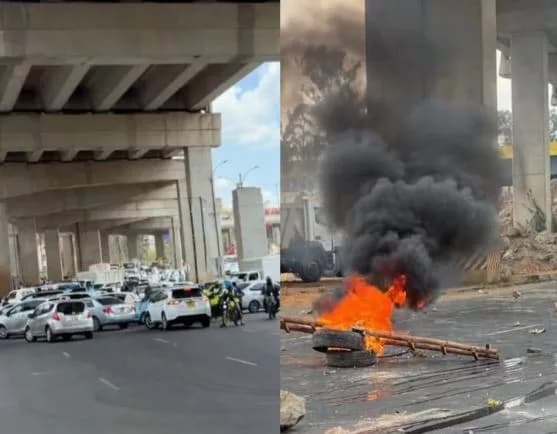
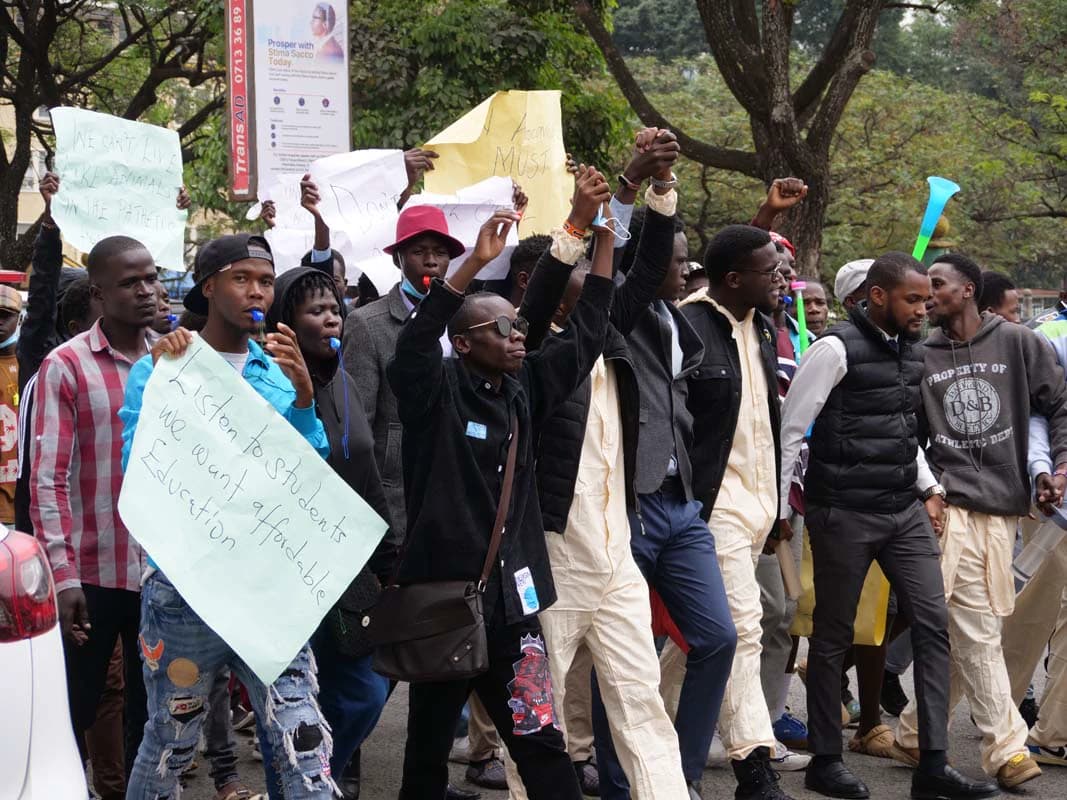
The ongoing lecturers' strike in Kenya's public universities raises this difficult question. On Tuesday, October 27, 2026, university students took to the streets demanding that the government and lecturers resolve their differences and restore learning, as the industrial action entered its fourth week.
Their concerns deserve more than a passing mention in the news. Behind every student protest is a young person whose education, family investment and future plans may be hanging in the balance. The disruption also raises serious questions about student welfare, institutional accountability and the responsibility to safeguard young people during periods of uncertainty.
Any meaningful discussion of the strike must begin by acknowledging that lecturers are workers with rights, legitimate grievances and professional interests that deserve serious consideration. Article 41 of the Constitution of Kenya, 2010, protects fair labour practices and recognises workers' rights to form and join trade unions and to engage in industrial action, subject to applicable legal requirements.
Lecturers should not be expected to remain silent when negotiated agreements remain unfulfilled, remuneration concerns persist or working conditions undermine their professional welfare. Their right to organise, present grievances and engage in lawful industrial action must be respected. A university system that values quality education must also value the people responsible for delivering it.
It would therefore be unfair to portray lecturers as enemies of students simply because they have withdrawn their labour. Their grievances deserve serious attention, and the government must honour legitimate commitments rather than allow unresolved disputes to become recurring crises. Protecting uninterrupted learning cannot justify silencing workers or dismissing their concerns.
However, recognising the right to strike does not mean overlooking its consequences. Students have a legitimate expectation that the institutions entrusted with their education will protect their academic progress and communicate honestly when disruptions occur.
Lecturers have a right to be heard, but students must not become the casualties of prolonged negotiations and unresolved grievances. These rights and responsibilities need not be in conflict. The challenge is to secure a fair settlement without allowing young people to continue losing valuable learning time.
When learning stops, life does not stop
Students still have rent to pay, food to buy and personal responsibilities to manage. Parents and guardians who have sacrificed to finance their children's education are left wondering whether their investments will translate into timely academic progression and graduation.
Those nearing the completion of their studies face additional anxiety over delayed examinations, postponed graduation dates, internships and entry into an increasingly competitive employment market. Others may have scholarships, financial arrangements or career opportunities tied to academic schedules they cannot control.
The consequences are not merely financial. Academic routines provide structure, purpose and opportunities for intellectual growth, mentorship and social interaction. Assignments, research projects, laboratory sessions and extracurricular activities keep students engaged and connected to their institutions.
When these routines disappear, some students will use the available time productively by reading, pursuing short courses, volunteering or developing practical skills. Others may struggle with frustration, anxiety, loneliness and uncertainty, particularly when they lack the resources to pursue alternative activities.
It would be unfair to assume that an idle student will inevitably become irresponsible. Nevertheless, prolonged disruption can expose some young people to unhealthy peer pressure, substance abuse, exploitative relationships and other risky choices. These outcomes are neither universal nor inevitable, but the possibility warrants attention.
University students are young adults learning to exercise independence. They deserve supportive environments in which they can make responsible decisions, even when circumstances beyond their control interrupt their education. Their welfare must not be treated as an afterthought in industrial negotiations.
Protecting students goes beyond reopening lecture halls
University life offers exciting opportunities, but it also demands emotional maturity. Students must navigate friendships, romantic relationships, financial pressures and competing expectations while making decisions that may influence their futures.
During an extended strike, uncertainty can intensify existing difficulties. Some students may be separated from the support systems available at home, while others may lack access to counselling, reliable information or meaningful activities. Financial hardship can make vulnerable young people susceptible to exploitation.
These concerns should not be used to stigmatise an entire generation. Many students demonstrate remarkable resilience and responsibility. However, resilience should never become an excuse for institutions to overlook their welfare.
University managements should maintain accessible counselling services, student support offices and peer mentorship networks throughout the disruption. Student leaders can organise constructive activities, communicate verified information and guide colleagues towards appropriate assistance.
Parents and guardians also have a role to play. Regular communication, patient listening and honest conversations about relationships, financial responsibility and personal safety can help young adults navigate uncertainty. The objective is to guide, not control.
Religious institutions, community organisations and youth programmes can provide additional opportunities for mentorship, recreation and community service. Such support is valuable, but it cannot substitute for formal learning or relieve the government and universities of their responsibility to resolve the dispute.
The government must broker a lasting settlement
While students bear the immediate consequences of the strike, they are not responsible for resolving the dispute. The government, university managements and lecturers' representatives must return to meaningful negotiations and address the substantive issues behind the industrial action.
The Ministry of Education should facilitate a time-bound, transparent process involving the relevant government agencies, university managements, lecturers' unions and student representatives. Students should not merely be informed of decisions after negotiations have concluded; their experiences and concerns should inform the process.
First, the parties must establish the outstanding issues, agree on realistic implementation timelines and communicate clearly about their commitments. Agreements must be more than documents signed to end a strike. They must be honoured, monitored and implemented within agreed timelines.
Second, the government and university managements should examine why disputes recur and strengthen mechanisms for addressing grievances before they escalate into industrial action. Regular consultation, credible dispute-resolution procedures and accountability for negotiated commitments can help prevent avoidable disruptions.
Third, there must be a clear academic recovery plan once learning resumes. Universities should communicate revised examination dates, practical-session arrangements, research deadlines and graduation schedules. Recovery plans must protect academic standards while avoiding unnecessary compression of the curriculum that could compromise learning quality.
Finally, Kenya needs a durable framework for protecting students during industrial disputes. This should include timely communication, access to welfare support and clear procedures for managing academic interruptions. Such arrangements must complement, rather than undermine, the lawful rights of academic staff.
A return to work should not be treated as the final achievement. It should mark progress towards a university system in which legitimate grievances receive attention early and students are not repeatedly forced to take to the streets to demand the restoration of learning.
Students must protect their future, too
As they demand a resolution, students should continue making choices that safeguard their education, dignity and personal safety. Peaceful demonstrations and constructive engagement are legitimate ways of drawing attention to concerns affecting their lives. Violence, destruction of property and criminal conduct, however, can expose students and others to further harm.
During the interruption, students can organise reading groups, pursue relevant online learning where resources permit, engage in community service and develop practical skills. They can also use their student associations to communicate concerns constructively and demand regular updates from university managements.
These initiatives cannot replace lectures, laboratory work, supervised research or other essential academic experiences. Nor should students be expected to compensate for institutional failures through personal initiative alone. Their efforts are simply ways of maintaining momentum while the responsible parties work towards a settlement.
University managements must equally resist the temptation to leave students dependent on rumours, conflicting announcements and speculation. Honest, consistent communication is an essential part of student protection.
Let this dispute become a turning point
Kenya's young people deserve a higher education system that respects lecturers' rights while safeguarding students' aspirations. Recurrent industrial disputes undermine confidence in universities, disrupt family plans and impose costs on households already struggling to finance education.
The answer is neither to silence lecturers nor to expect students to endure indefinite uncertainty. It is to confront the underlying problems through responsible negotiation, credible agreements, timely implementation and a shared commitment to protecting the integrity of higher education.
We must remember the young people behind the headlines. They are sons and daughters whose families have invested in their future, young adults trying to establish their identities and aspiring professionals preparing to contribute to national development. Their time matters. Their welfare matters. Their dreams matter.
Lecturers deserve to be heard, and their lawful right to strike must be respected. Their grievances should never be trivialised simply because resolving them is difficult. At the same time, students should not repeatedly pay the price for delayed decisions, unfulfilled commitments or failed negotiations.
The government, university managements and lecturers' representatives must therefore act with urgency to secure a fair settlement and provide a credible roadmap for resuming learning. Universities and families must meanwhile remain attentive to students who need emotional, financial or practical support.
A strike may be a legitimate instrument for workers to press their demands, but prolonged disruption should never become an accepted feature of university life. The rights of lecturers and the welfare of students need not be enemies. With good-faith negotiations, accountability and responsible leadership, both can be protected.
Respect the lecturers. Listen to their grievances. Honour legitimate agreements. But save the students from losing precious learning time and having their futures placed on hold. Kenya's next generation should not have to take to the streets repeatedly to remind the country that its future cannot wait.

Reader Discussion (0)
Sign in to comment