
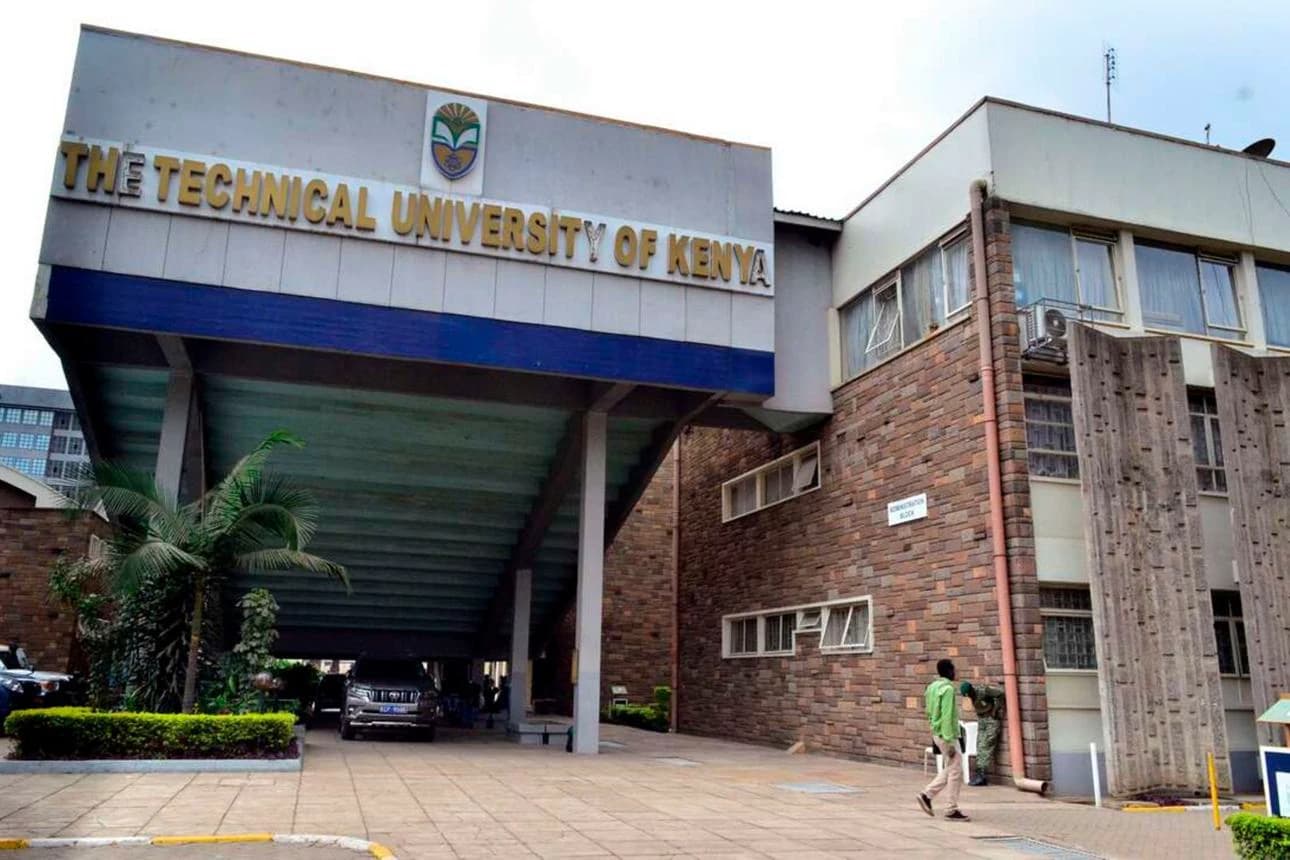





Kenyan universities are preparing for an intensive academic recovery exercise following the end of the nationwide lecturers' strike, with institutions expected to reorganise their academic calendars to compensate for nearly four weeks of disrupted learning.
The return to classrooms on Monday, November 2, 2026, marks the beginning of a challenging period for university administrators, lecturers and students as institutions work to restore academic programmes interrupted by the industrial action that began on October 2.
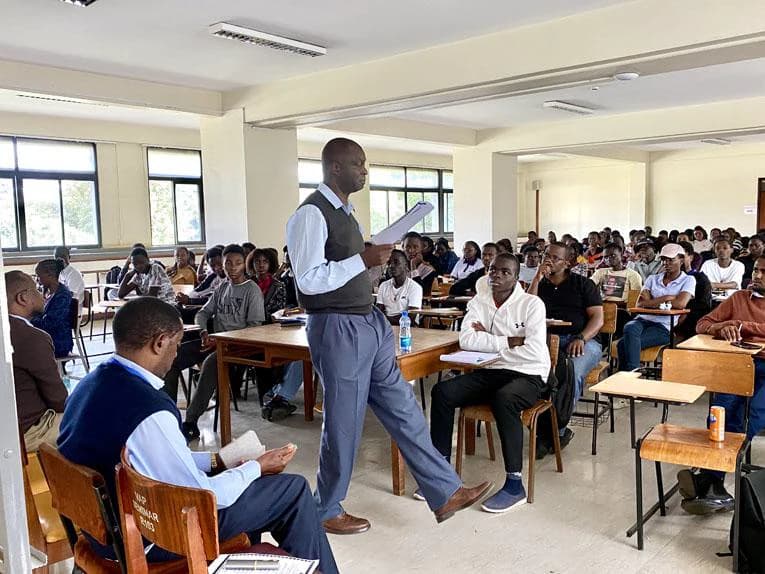
The immediate responsibility facing university management is to establish how missed lectures, practical sessions, examinations and other academic activities will be recovered without compromising the quality of higher education.
Unlike ordinary classroom lessons, university programmes involve practical training, laboratory experiments, fieldwork, research and industrial attachments, making the recovery exercise more complicated than simply extending lecture hours.
Universities consider intensive teaching and extended semesters
Universities are expected to consider different approaches depending on their academic calendars, the number of weeks lost and the extent of disruption experienced by individual faculties.
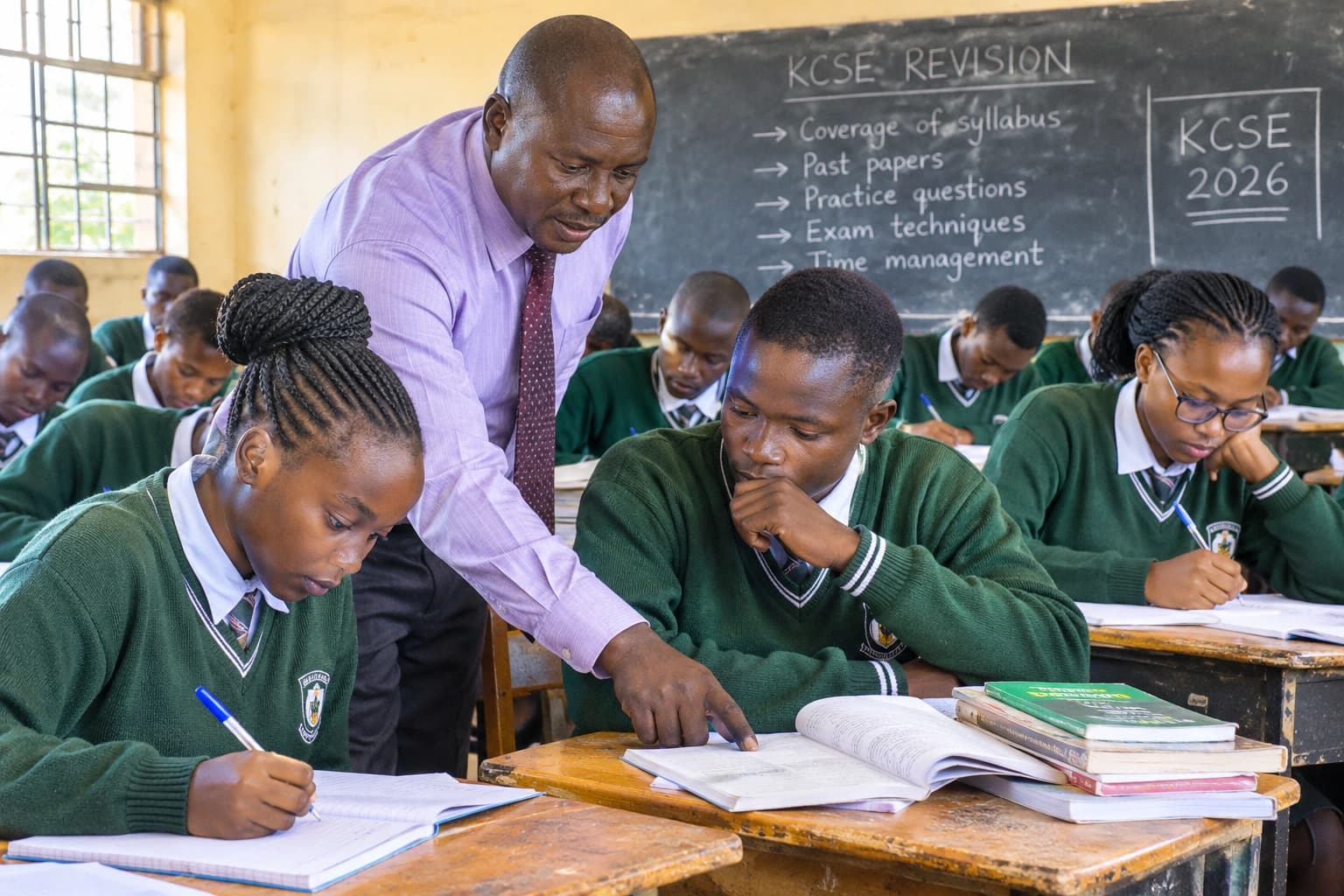
One possible intervention is the introduction of intensive teaching programmes, commonly referred to as crash programmes, in which lecturers cover outstanding course content through additional lessons.
Other institutions may extend their semesters to provide adequate time for completing the syllabus, conducting examinations and assessing students.
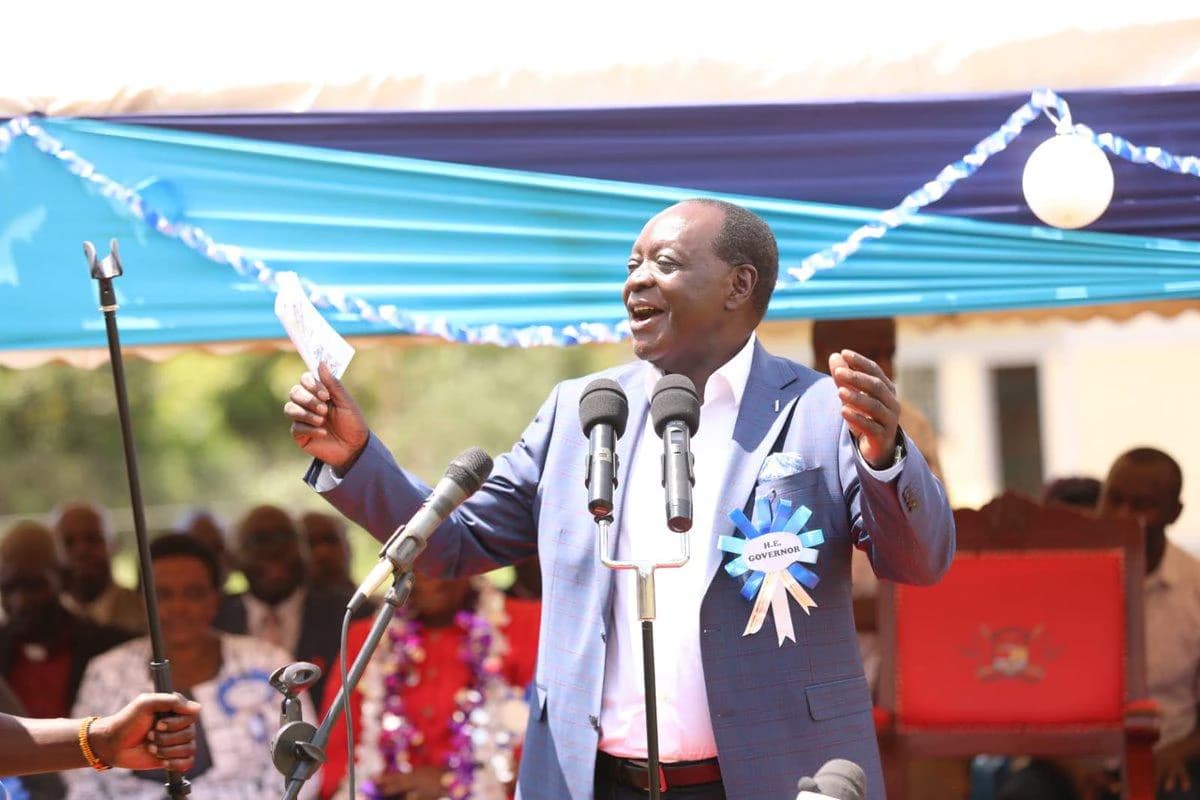
Vice-Chancellors' Committee of Public Universities Chairperson Prof Daniel Mugendi indicated that universities would assess their individual circumstances before determining the most appropriate recovery arrangements.
This means institutions may not necessarily adopt identical timetables, as some universities could require more time than others to restore their academic programmes.
The Ministry of Education has also placed responsibility on university management to develop practical strategies for recovering lost academic time.
Principal Secretary for Higher Education Dr Beatrice Muganda Inyangala called on universities to review their academic calendars and make appropriate adjustments to accommodate the four weeks lost during the strike.
The exercise is expected to involve consultations among university councils, vice-chancellors, lecturers, students and other relevant stakeholders.
Institutions will need to communicate revised teaching schedules, examination dates and other academic arrangements to prevent confusion among students.
Final-year students concerned about graduation delays
The industrial action has raised concerns among thousands of students, particularly those in their final years of study who are preparing to complete their courses and graduate.
Students will be watching closely to establish whether the recovery programmes will affect examination dates, completion of academic requirements and scheduled graduation ceremonies.
For those undertaking professional and technical courses, the challenge could be greater because practical sessions and supervised training cannot always be compressed into ordinary lecture periods.
Universities will therefore need to identify missed activities that require physical attendance and provide sufficient time for students to complete them.
The recovery exercise follows the signing of a Return-to-Work Formula on Friday, October 30, 2026, bringing an end to the nationwide university staff strike.
The industrial action involved university workers represented by the Universities Academic Staff Union (UASU), Kenya Universities Staff Union (KUSU) and the Kenya Union of Domestic, Hotels, Educational Institutions, Hospitals and Allied Workers (KUDHEIHA).
The agreement, which includes a reported Sh20 billion government commitment towards implementing the 2025–2029 Collective Bargaining Agreements, paved the way for the resumption of normal academic and administrative operations.
UASU Secretary-General Dr Constantine Wasonga directed union members to resume teaching, research and other university responsibilities on Monday, November 2.
Recovery plans must protect academic standards
While extending semesters and introducing additional lessons may help universities recover lost time, administrators must guard against overloading lecturers and students.
Compressing an entire syllabus into a shortened teaching period could undermine comprehension, assessment standards and the overall quality of university education.
Universities must also consider students who depend on accommodation, transport, meals and other services, whose costs may increase if semesters are extended.
A successful recovery programme should therefore provide a realistic balance between academic efficiency, student welfare and the professional responsibilities of lecturers.
The coming weeks will test the ability of university management to restore normal operations while ensuring that students do not pay the price for an industrial dispute over which they had little control.
For thousands of affected learners, the most important assurance will be a transparent recovery timetable that guarantees completion of course requirements without unnecessarily delaying their academic progression.


Reader Discussion (0)
Sign in to comment