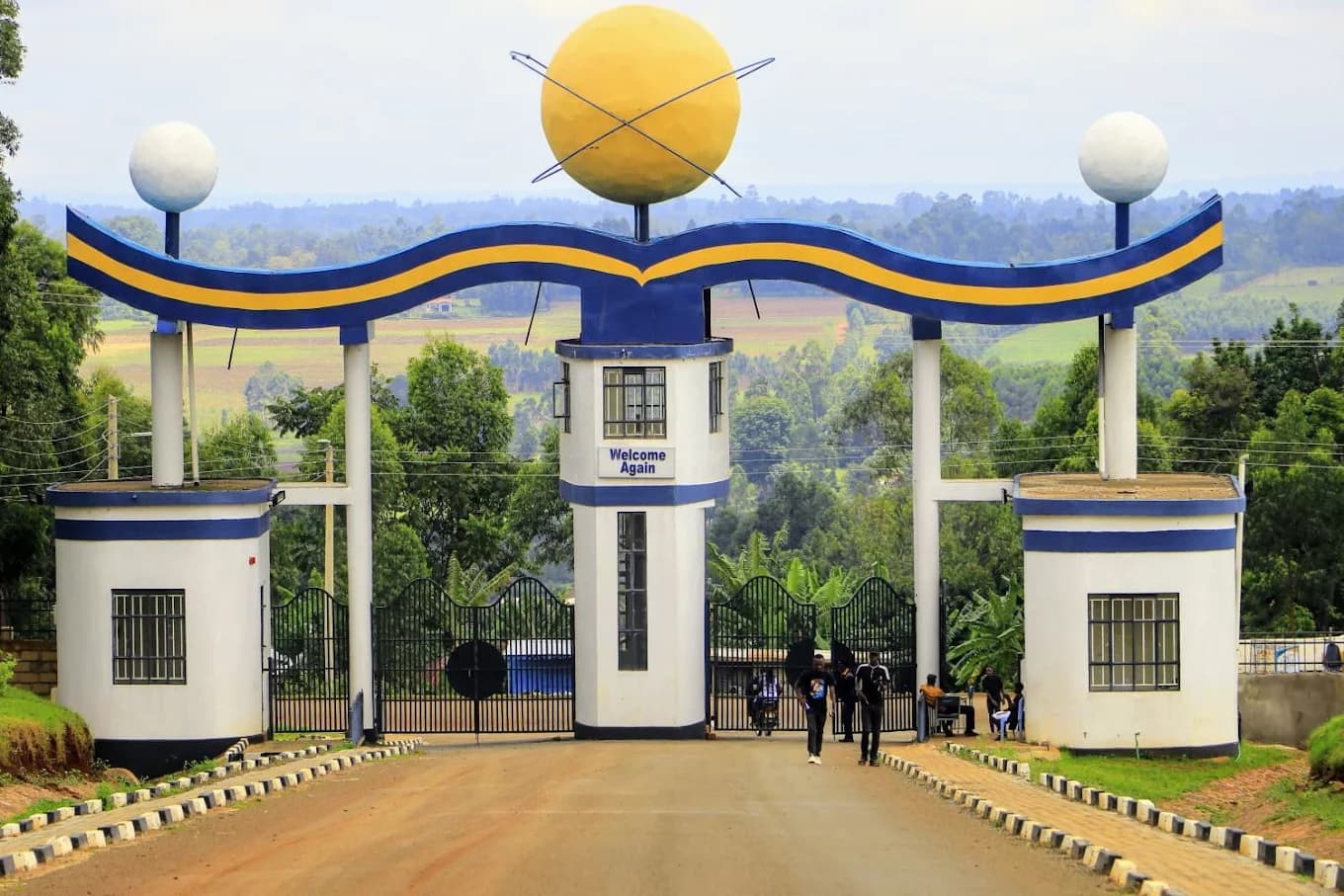





Some parts of Kenya have recently experienced an alarming increase in power outages, affecting daily life, education and economic activity. Around Rongo University in Migori, the disruptions frustrate students and hinder academic progress. It is therefore imperative that the government, in collaboration with Kenya Power, take decisive action to address the problem.
The frequent outages stem from several factors, including ageing infrastructure, rising demand for electricity, and insufficient maintenance and planned maintenance by Kenya Power. As the university population grows and demand for energy rises, the current power supply systems are stretched beyond their limits. Climate change has made matters worse, producing unpredictable weather patterns that can damage power lines and other essential infrastructure.
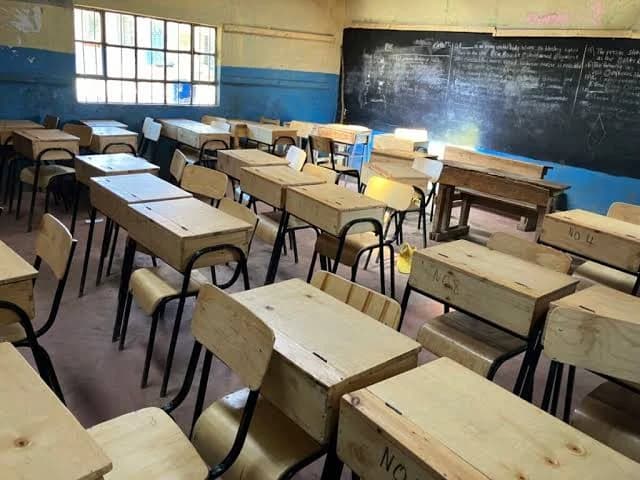
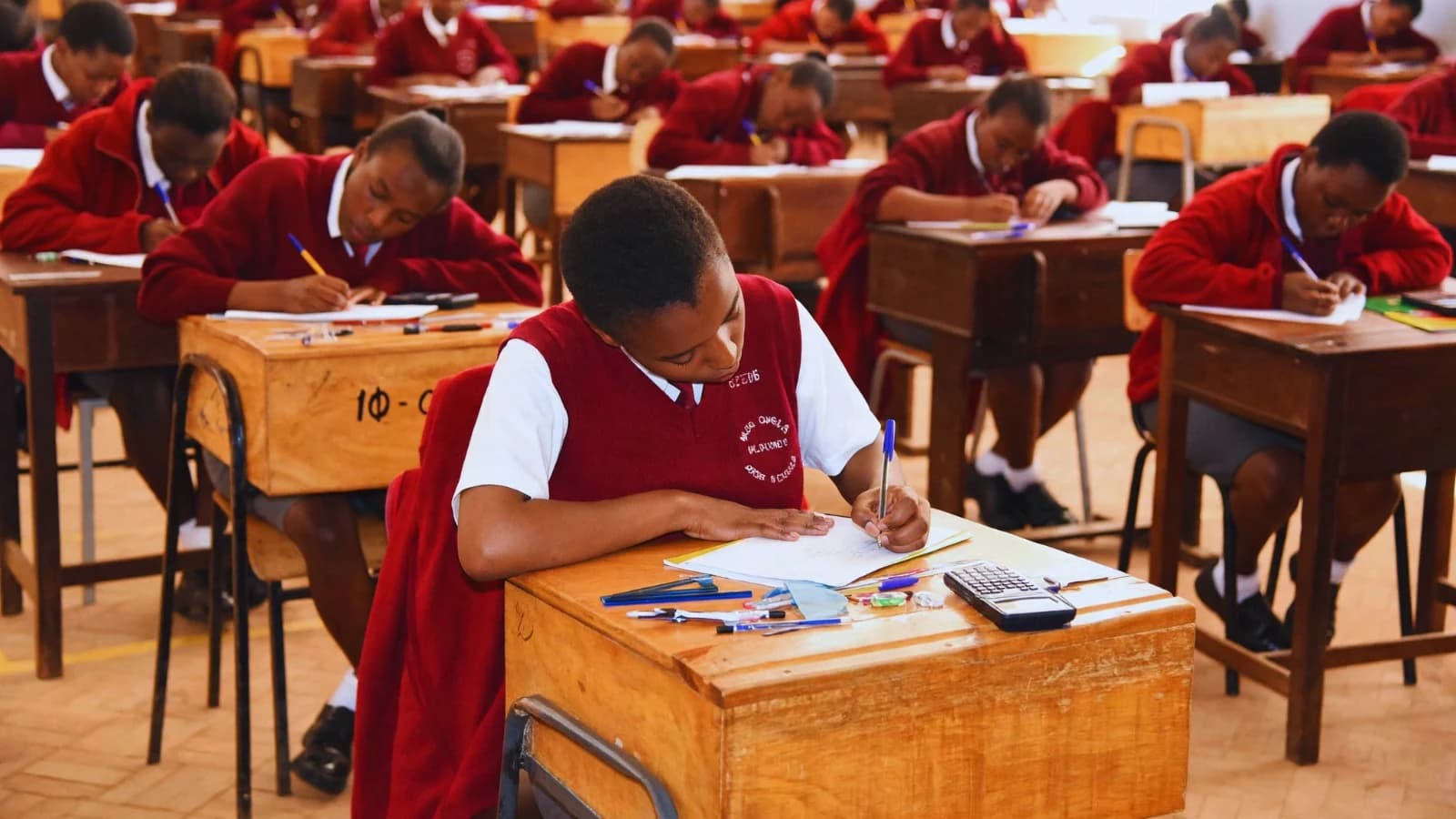
Power outages are a significant challenge in many learning institutions, and their effects go beyond inconvenience. They disrupt academic activities such as online learning, lectures, research and the timely submission of assignments because students cannot access the internet (wifi) or charge their laptops and phones.
Small businesses around the university, including cyber cafes, salons, barbershops, gaming places and food vendors, depend on electricity to operate. The outages lower their income and raise costs for those who turn to generators.
Poor communication and connectivity are another effect on residents. Outages affect network boosters and wifi routers, limiting communication and access to information.
To mitigate these challenges, Kenya Power must prioritise modernising the electricity infrastructure. The first step is upgrading transformers and distribution lines, which would prevent frequent overloads and breakdowns.
The second is replacing old and worn-out poles and cables with stronger, weather-resistant materials to reduce faults caused by rain and wind.
The third is installing fault detection systems and smart meters, which help to detect and locate outages so that Kenya Power can respond faster.
Kenya Power should also improve communication with consumers by giving timely notice of planned maintenance through social media, its website and community radio stations so that the information reaches people quickly.
Regular inspections and investment in alternative energy sources are also needed. The university and other learning institutions can work with Kenya Power by providing solar energy, inverters and generators as backup in lecture halls, hostels, laboratories and libraries.
Students and residents should also take part by reporting outages through the Kenya Power chatbot and website, so that the company can respond quickly.
Addressing the disruption of learning, the losses to businesses and poor communication will take a joint effort.
Faith Oloo is a student at Rongo University


Reader Discussion (0)
Sign in to comment