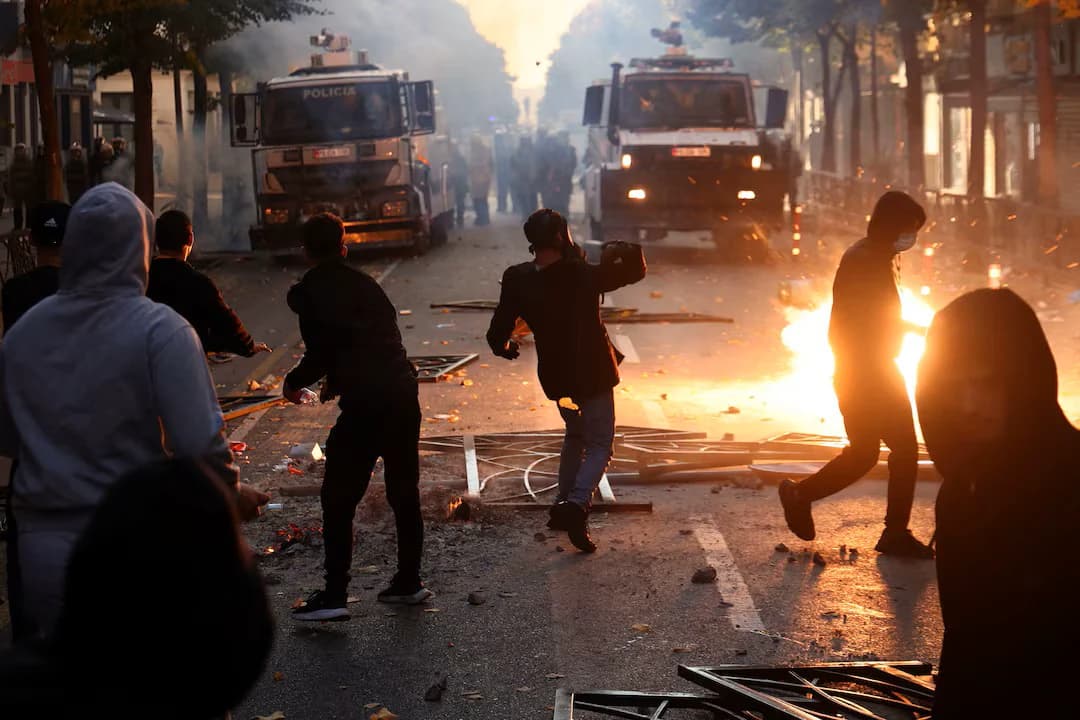
Anger over the financial burden of university education, concerns about learning conditions and uncertainty over graduate employment have spilt into the streets of Albania's capital, Tirana, where student-led demonstrators pelted the Ministry of Education building with stones, turning education grievances into a violent confrontation with authorities.
Reports indicated that some demonstrators threw bricks and concrete blocks at the ministry, damaged windows and attempted to breach the building's perimeter. Police responded with tear gas and water cannons as security officers moved to contain the unrest.
Initial reports said 23 people had been taken into custody, six police officers and a female journalist had been injured, while three protesters sought medical attention following exposure to gas. Subsequent reports cited a different arrest figure, leaving the precise number of people detained unclear.
One of the central concerns associated with the demonstrations was the financial burden of pursuing university education, which extends beyond tuition fees to include accommodation, food, transport, books, learning materials and other academic expenses. Students from low-income households say these costs make university education difficult to sustain even after gaining admission, forcing some to depend heavily on their families, seek additional work or struggle to meet basic academic requirements.
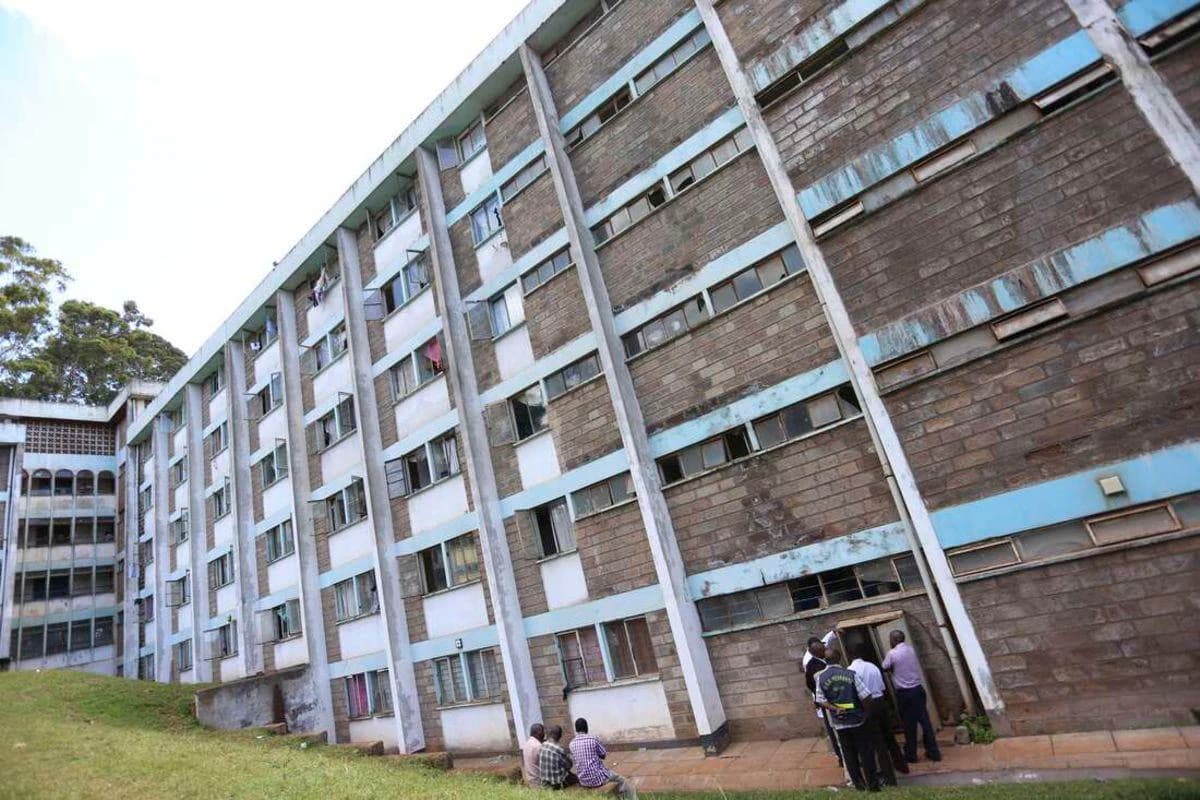
Concerns about university conditions also formed part of the wider grievances, with students citing inadequate lecture halls, poorly maintained facilities, limited learning resources and substandard accommodation. The employment prospects of university graduates added another dimension to the frustration, with students questioning whether their courses provide the skills demanded by employers and whether the economy is generating enough opportunities for qualified young people.
The demonstrations also acquired a wider political dimension, with some protesters reportedly calling for Prime Minister Edi Rama to resign. Government officials condemned attacks on public institutions and clashes with police, maintaining that violence cannot be accepted as a means of expressing dissatisfaction.
The unrest reportedly extended to Tirana City Hall, where demonstrators damaged a door and threw flares into the building. On October 14, students from several universities reportedly boycotted classes and returned to demonstrate, indicating that the confrontation had not immediately resolved the grievances behind the protests.(Education News Kenya — https://educationnews.co.ke/news/albanian-students-stone-education-ministry-as-university-costs-poor-conditions-fuel-unrest)
The continued mobilisation has increased pressure on the authorities to respond to students' concerns while preventing further injuries, property damage and disruption to university education. Whether the demonstrations will produce meaningful policy changes remains uncertain as tensions continue.
You can also follow our social media pages on Twitter: Education News KE and Facebook: Education News Newspaper for timely updates.
>>> Click here to stay up-to-date with trending regional stories
>>> Click here to read more informed opinions on the country's education landscape
>>> Click here to stay ahead with the latest national news.



Reader Discussion (0)
Sign in to comment