







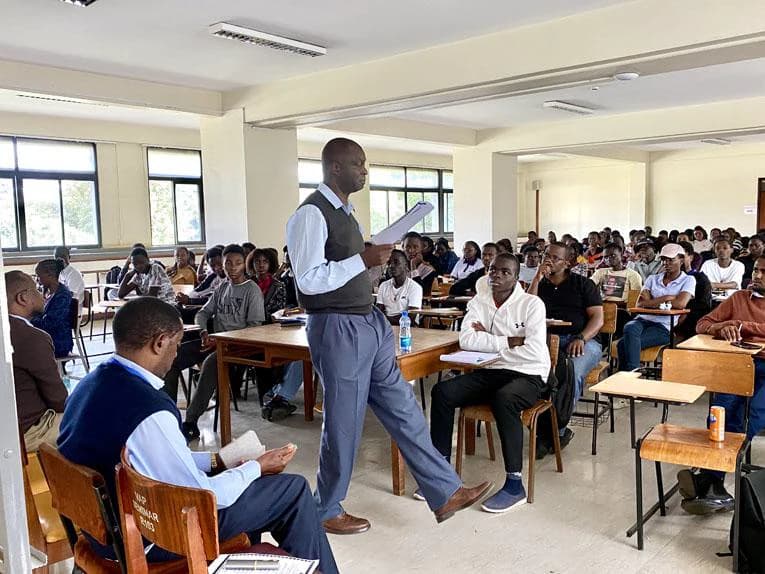
Former Education Cabinet Secretary Prof Jacob Kaimenyi has challenged universities to strengthen admission requirements and embrace emerging technologies, warning that the quality of graduates should take precedence over increasing student enrolment.
Kaimenyi said institutions of higher learning must rethink their admission policies, academic programmes and teaching approaches to ensure graduates acquire relevant skills that respond to the changing demands of the labour market.
He argued that universities should resist the temptation to lower academic standards to attract more students, insisting that the country needs graduates who can compete effectively in an increasingly technology-driven economy.
The former CS also called on universities to incorporate AI into teaching, learning and research, saying institutions must adapt to technological developments reshaping the world of work.
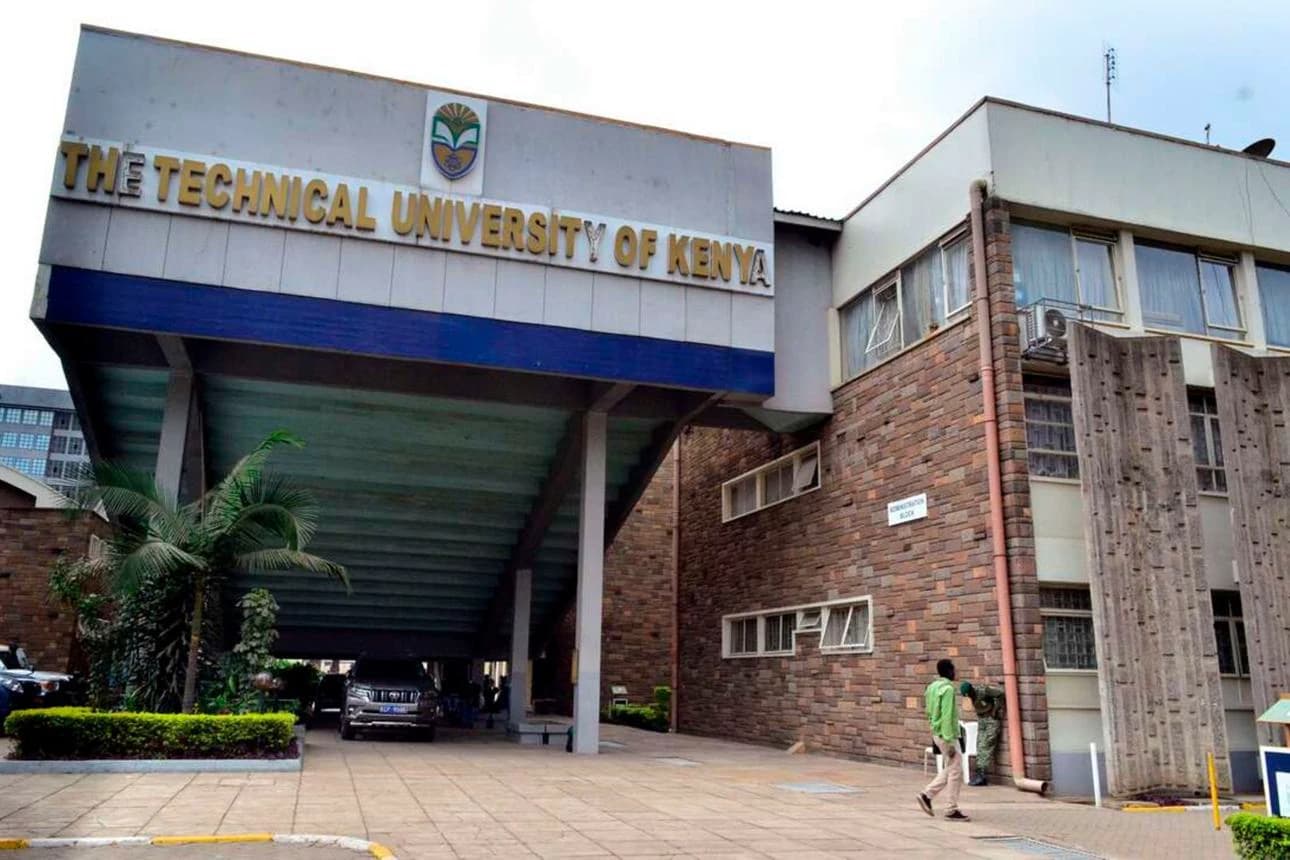
He spoke on Friday after being installed as the second Chancellor of the Management University of Africa (MUA) at its main campus in Kisaju, Kajiado County.
Graduate skills mismatch
Kaimenyi's remarks come amid growing concerns over the gap between university training and the skills employers require, with questions being raised about the preparedness of graduates entering the job market.
The Ministry of Labour's National Skills Development Policy identifies the mismatch between academic qualifications and workplace requirements as a major obstacle to productivity and graduate employability.
The policy cites a 2018 Federation of Kenya Employers survey which established that some university graduates were working in positions below their qualifications.
It also references a 2022 Employers and Skills Occupational Survey, which ranked technical and vocational education and training (TVET) institutions ahead of universities in producing graduates considered ready for employment.
A separate employers' survey conducted in 2023 further highlighted the skills gap, calling for stronger collaboration between learning institutions and industry to ensure training responds to technological and economic changes.
AI and university reforms
The Commission for University Education (CUE) is mandated under the Universities Act to establish admission criteria, enforce quality standards and regulate university academic programmes.
Meanwhile, Kenya is developing a policy framework to guide the adoption and regulation of artificial intelligence and other emerging technologies.
The Ministry of Information, Communications and the Digital Economy published a draft Artificial Intelligence and Other Emerging Technologies Policy in 2026, addressing issues including AI governance, digital infrastructure and human capital development.
Kaimenyi's appeal places universities at the centre of the country's efforts to produce a workforce equipped for the demands of a rapidly evolving economy.




Reader Discussion (0)
Sign in to comment