- President William Ruto has proposed merging HELB and KUCCPS under a single legislative framework to align university placement with financing.
- Ruto has said the new system aims to ensure student access to higher education is based on ability and potential rather than parental income.
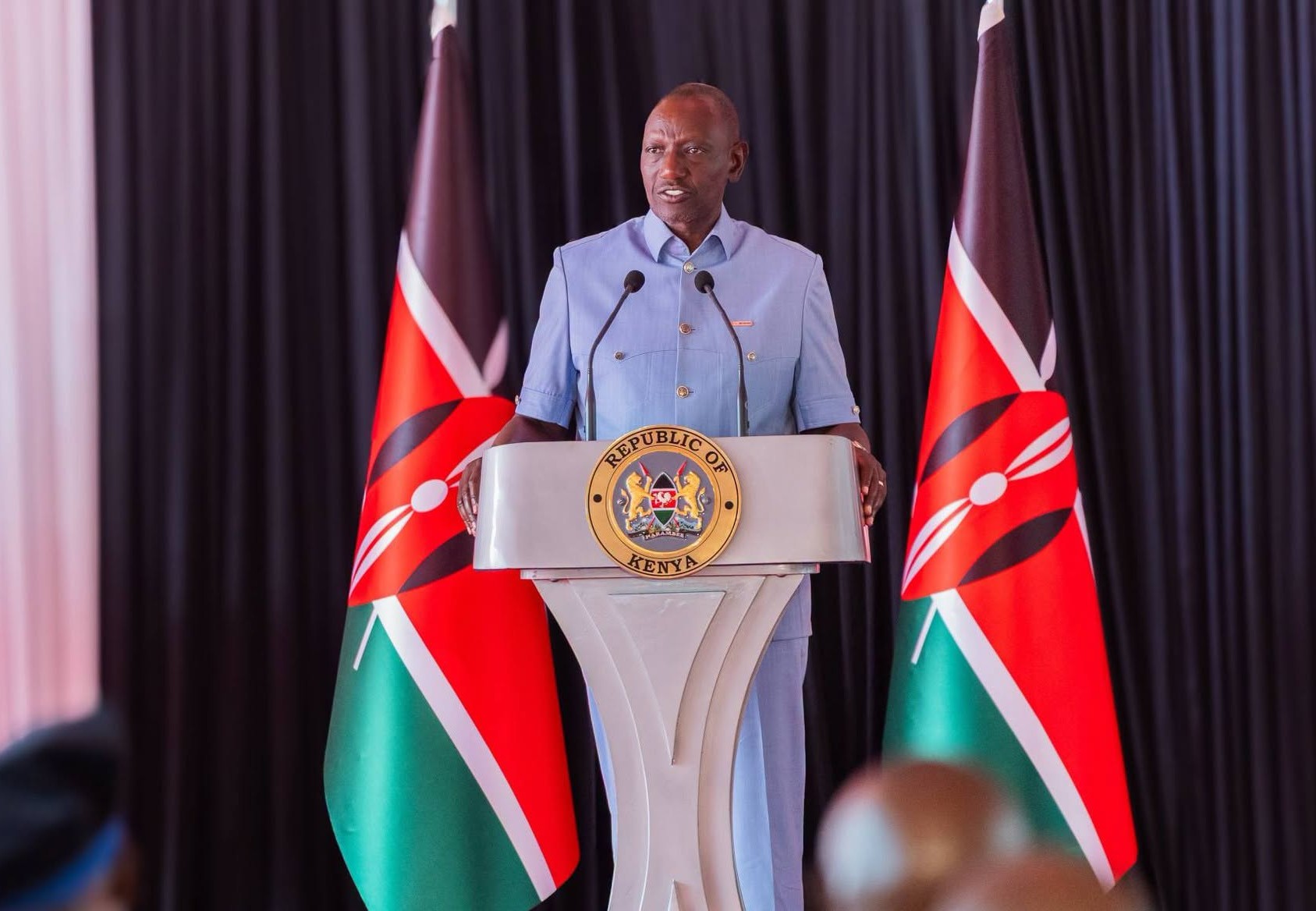
President William Ruto has given the clearest indication yet of how the government intends to reorganise Kenya’s higher education financing and student placement system, proposing the consolidation of the Higher Education Loans Board (HELB) and the Kenya Universities and Colleges Central Placement Service (KUCCPS) under a single legislative framework.
The proposed merger could change how students are placed in universities, technical institutions and Kenya Medical Training Colleges, and how their education is financed once they secure admission. Ruto said the reform is intended to address a disconnect between student placement and funding, where learners have sometimes been admitted to institutions without adequate consideration of how their education would be financed.
Speaking on Tuesday, September 15, 2026, during the issuance of a Letter of Interim Authority to Kamagambo University at Kisumu State Lodge, the President said the government had engaged stakeholders and that the proposals were undergoing public participation in Parliament.
He said placement and financing can no longer operate as separate processes, arguing that students should not first receive a university or college placement and only afterwards begin establishing whether they can afford the programme. The proposed framework would bring placement, funding and higher education planning closer together, potentially giving learners a clearer financing pathway from admission to graduation.
ALSO READ:
TSC concludes primary teacher promotion interviews as focus shifts to secondary schools
Ruto said the government wants a financing system in which a student’s access to education is not determined by the financial capacity of their parents, but supports learners according to their ability and potential to pursue higher education. Kenya has significantly increased access to universities and other post-secondary institutions over the years, and a unified system could allow the government to link the number of students being placed into institutions with the resources available to support them.
Ruto also said universities should not be judged merely by the number of degrees they award but by the competence of their graduates, the quality of their research and the solutions they deliver to society. Kenya now has 90 institutions authorised to operate as universities following the addition of Kamagambo University. The Commission for University Education recorded about 630,000 students enrolled in degree programmes in 2024, with nearly 124,000 graduates.
ALSO READ: Former KenGen employee jailed for 11 years over forged certificates
Ruto identified agriculture, healthcare, affordable housing, the digital economy and renewable energy among sectors requiring specialised skills, innovation and new technologies. He also called for closer collaboration between universities, industry and government, saying employers should have a stronger voice in curriculum development while universities expose students to real workplace challenges.
By Hillary Muhalya
Get more stories from our website: Education News
To write to us or offer feedback, you can reach us at: editor@educationnews.co.ke
You can also follow our social media pages on Twitter: Education News KE and Facebook: Education News Newspaper for timely updates.
>> Click here to stay up-to-date with trending regional stories