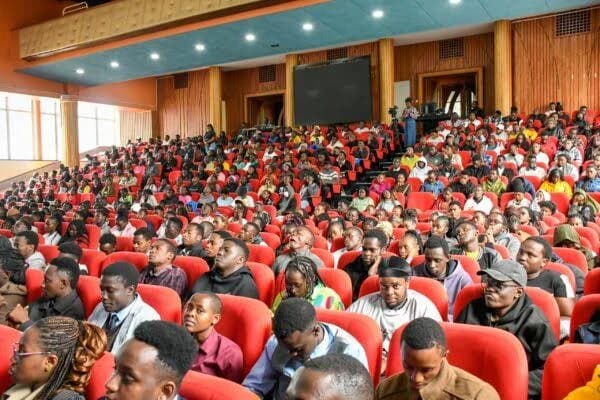
A section of Kirinyaga students and youth leaders have threatened to take to the streets to oppose the proposed Tertiary Education, Placement and Funding Bill, 2026, claiming it is oppressive to learners and parents.
The bill is a proposed legislative overhaul seeking to restructure higher education financing and student placement. Among its provisions is a requirement compelling students to begin repaying education loans within one year of completing their studies, a proposal that has drawn criticism from education stakeholders across the country.
Njuguna Mundati, one of the Kirinyaga students, said the requirement was too strict and should be changed to allow graduates to begin repayments once they secure employment. "As students and youths, the Tertiary Funding Bill is meant to oppress us. When the bill passes and a graduate is expected to pay a year after completion, where will they get the money if they have not been employed? We propose that graduates be allowed to make payments once they get employed," Mundati said.
He said many graduates take years to find jobs, while others fail to secure employment altogether and turn to small hustles to earn a living, leaving them unable to meet loan repayment deadlines. Mundati described the proposed one-year repayment deadline as punitive and called on the government to scrap the bill and retain the old financing model. "We urge the government to consider retaining the old model, as the proposed one stands to be punitive," he said, adding that students would take to the streets to oppose moves they believe could derail gains made in the education sector.
Stakeholders have also raised concerns over the proposed 4 per cent interest rate on the loans, calling for clarity on the distinction between scholarships and loans, given the slow pace of youth employment in the country.
Separately, youth leader Lewis Ndege raised concerns over the re-emergence of illicit brews in the Mt Kenya region, claiming there was a scheme targeting young men. He said the government should prioritise intensifying crackdowns on manufacturers and retailers of poisonous brews rather than pursuing what he termed diversionary tactics, such as closing down strip clubs. "Drug abuse has not spared students. We have seen how fellow students are into drug abuse, a thing we suspect could be a way to eliminate the youths," Ndege said.
Pauline Wairimu, however, defended strip club workers, saying many had turned to such businesses due to a lack of job opportunities in the country, and called on the government to focus on job creation instead of harassing the women.




Reader Discussion (0)
Sign in to comment