

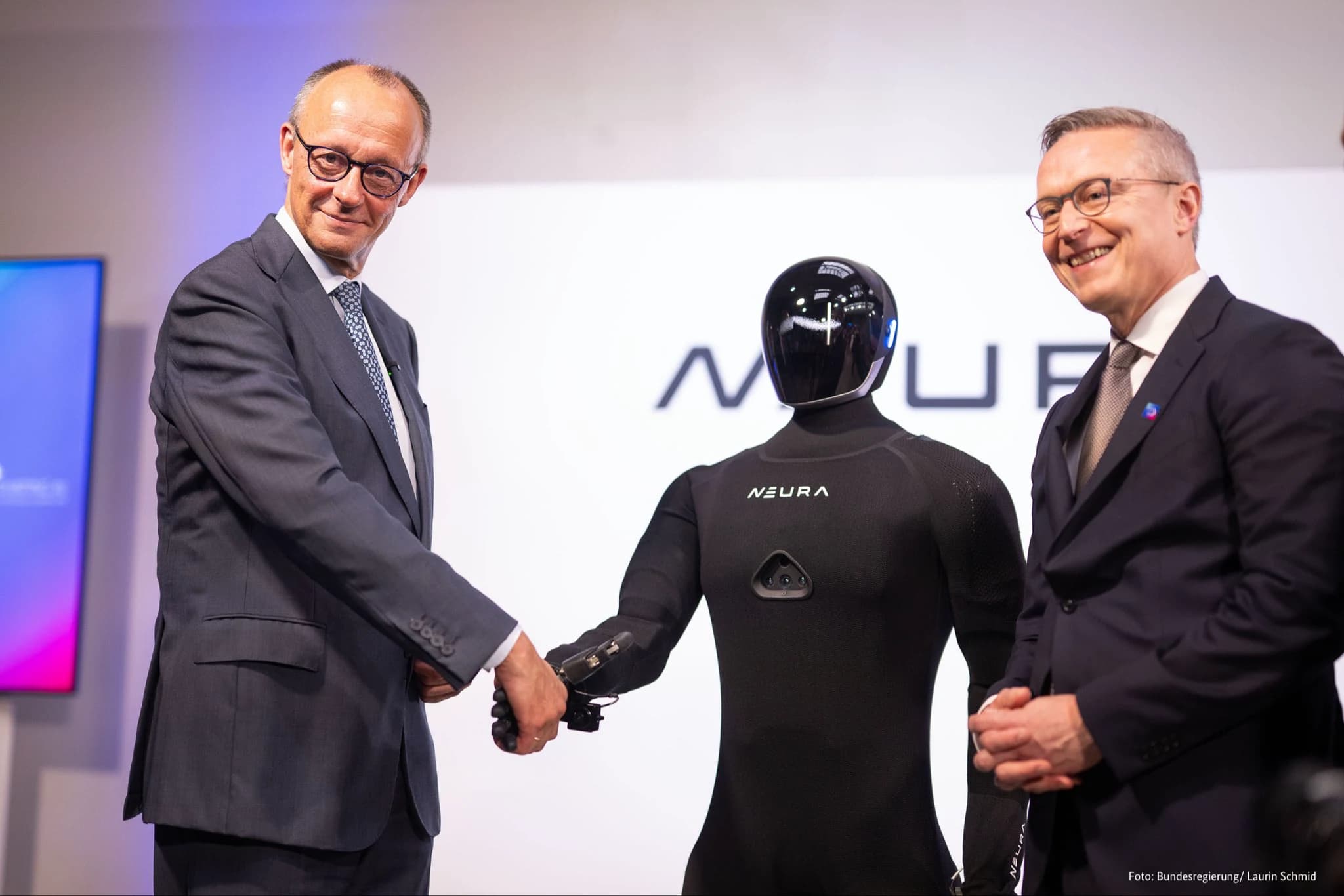



Chancellor Friedrich Merz put it bluntly: Germany must move faster and be a front-runner, not a customer. Digital Minister Karsten Wildberger added the line that should jolt us awake: as work changes, human judgment becomes more important.
But here is the part that stings, and that Kenya must read twice. The same report that set those bold targets confesses that Germany, with all its money, research, BMWs and Siemens, risks falling even further behind the United States and China. Its own analysis shows the US Big Four, Amazon, Alphabet, Microsoft and Meta, will invest about $655 billion this year alone, while Germany's federal AI spend is around $800 million. That is not a gap. That is a cliff. The report warns that the window to close it is closing fast. The next 12 to 18 months will decide everything.
AI is irreversible. It will be the great game-changer for economies and for building new global power. Germany has given us a blueprint on how to think. We need our own Kenya AI Nation 2030 strategy, borrowing wisely from others.
First, we must choose our battlefield. Germany is not trying to build another ChatGPT to beat OpenAI. "AI Made in Germany" will mean industrial AI: highly specialised models for factories, robotics and production systems. That is wisdom.
Kenya cannot out-build America in general models, but we can lead the world in applied AI where we have a real edge: agriculture AI for smallholder farmers, climate AI for drought prediction, health AI for community health workers, logistics AI for boda boda and matatu networks, and other areas where our economy, creativity, innovation and politics can project strongly. That is our industrial AI.
Second, we must set hard adoption targets. Let us say that by 2030, 60 per cent of large corporates and 40 per cent of SMEs in Kenya must be using AI in core operations, from the Kenya Revenue Authority (KRA) to Kenya Power to tea factories. Let us say 50 per cent of government services must have at least one AI application that cuts waiting time and kills queues. Without numbers, strategy is just talk. With the right tools, we could even deploy AI to help us destroy corruption.
Third, we must build sovereign capacity. Germany is deliberately reducing dependence on US and Chinese tech giants and building partnerships with France and Canada, plus its own gigafactory. Kenya must also stop putting all our data in Virginia.
We need a National Data Centre Strategy: affordable green data centres in Naivasha and Konza, doubling our capacity, plus a policy that government data stays in Kenya. We need to pool our university supercomputers into one national compute ecosystem for startups.
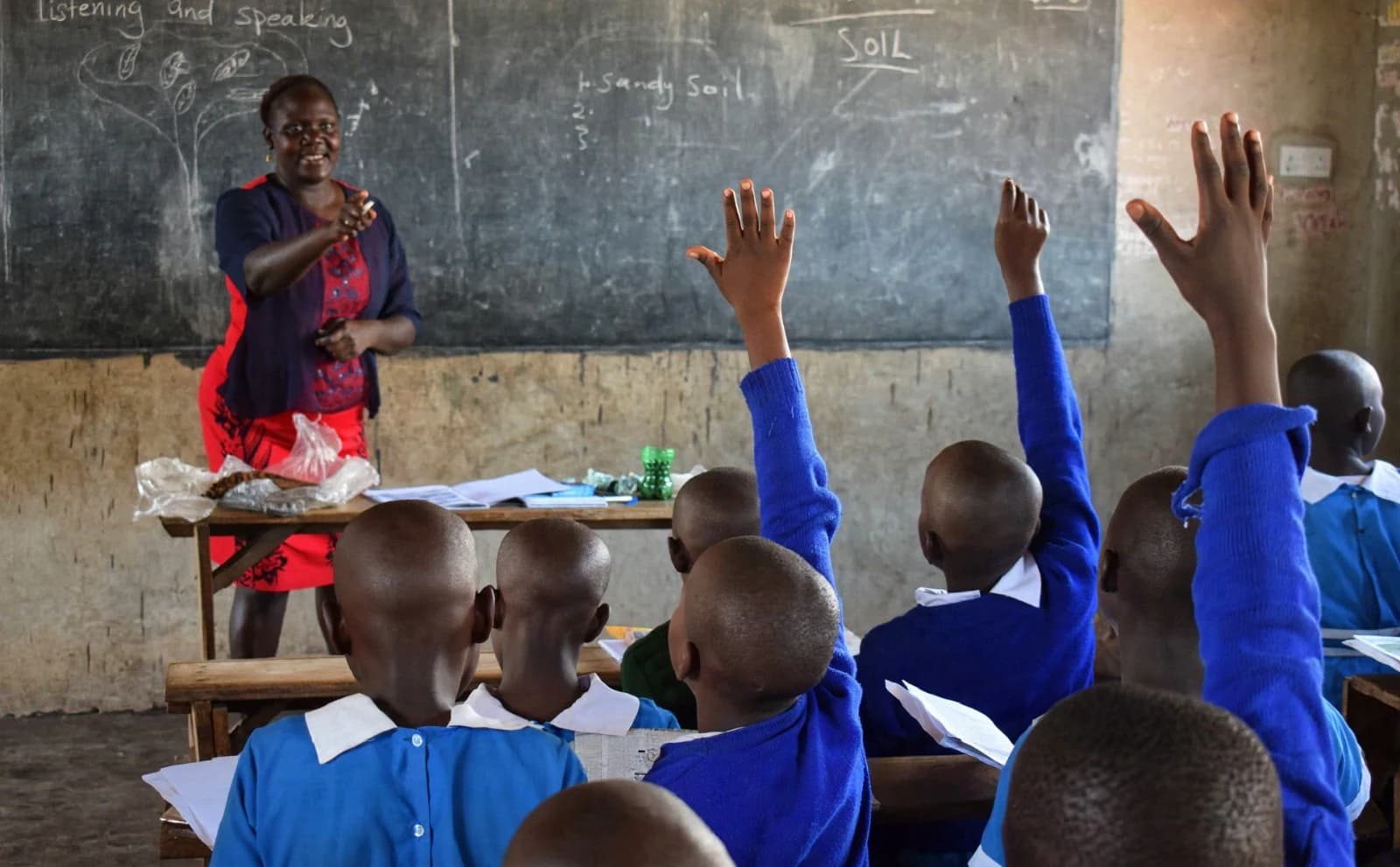
Fourth, we must think about people, not just machines. Germany is planning to reskill 500,000 workers by 2028 and is openly debating how to share AI gains and cushion those who will lose jobs. In Kenya, we are silent about the fundi, the accountant and the customer care agent whose job is already changing. Our AI strategy must have a massive reskilling fund embedded in TVETs and universities, and a serious conversation about an AI dividend, not just AI fear.
Finally, government must become the anchor customer. Germany says it will use public contracts to help European AI providers enter the market. Kenya should do the same. If a Kenyan startup builds a good AI tool for detecting coffee disease or for teaching mathematics and all other STEM subjects more easily, government should be its first buyer, not its last sceptic.
The clock is running. Germany says it is running for them, with all their billions. It is running faster for us. We cannot afford to be a country that just uses AI. We must be a country that also builds with AI, builds for Africa, and builds wealth from it.
Otherwise, in 2030, we will still be importing models, importing answers, and exporting our best youth to build other people's AI nations.
The Writer is a trained Journalist who is also a political, economic, and Social Analyst and Commentator
He is also the leader of significant Associations in the auto industry, Renewable energy and Beekeeping. He plays significant roles in the Renewable Energy sub-sector in Kenya and global campaigns on matters of climate change and is a board Chairman of a Charitable organization. He was recently appointed Global Strategy & Fundraising Director for an organization in Renewable Energy, Energy Sources Innovations, Clean Cooking & Waste to Value. He is also a Consultant in Strategy, Finance, Accounting, investments, and Fundraising
Reader Discussion (0)
Sign in to comment