



Lecturers are back in class, and many Kenyans will be tempted to exhale and move on. That would be a mistake. A return to work ends a strike; it does not fix the system that produced it.
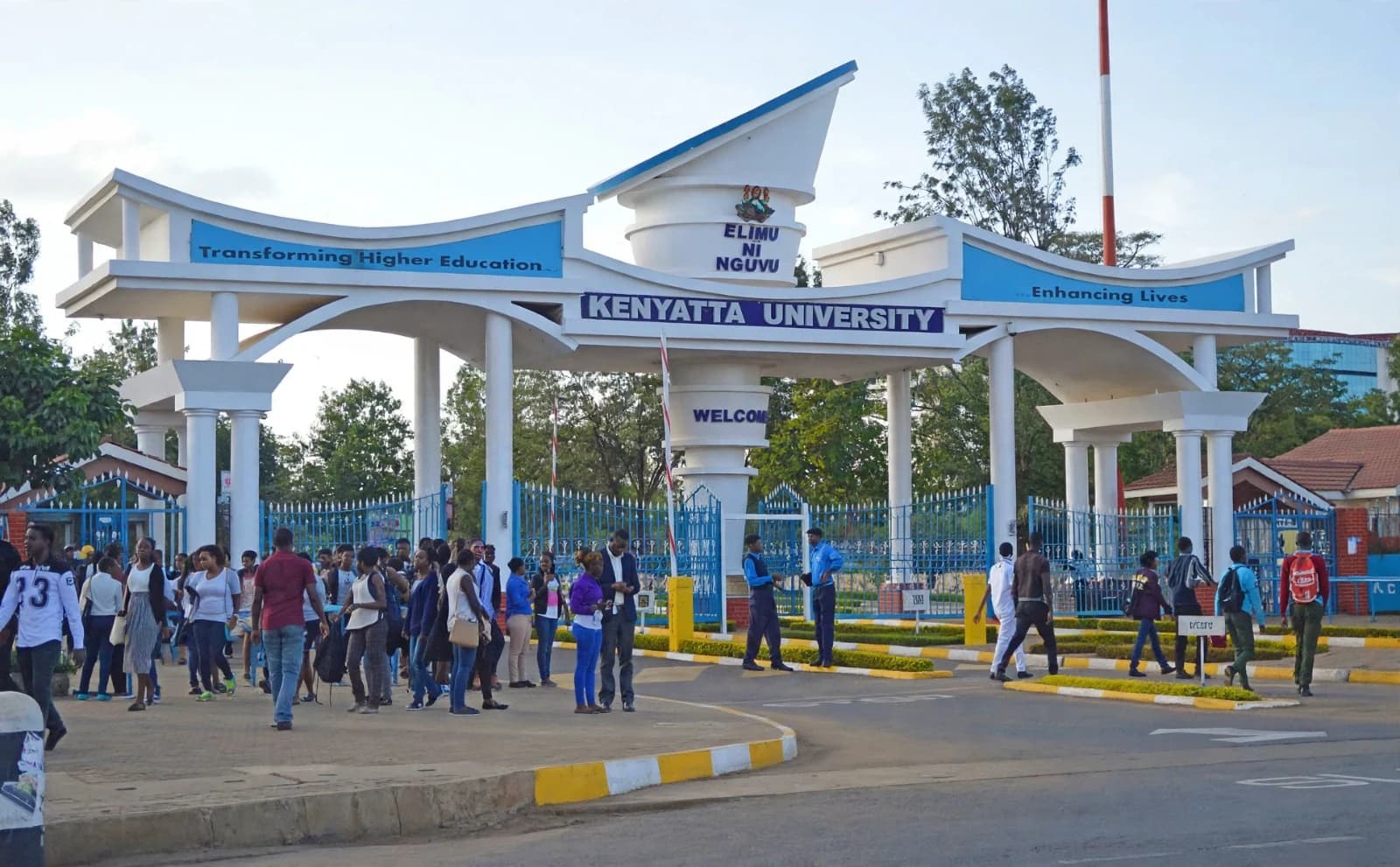
On Wednesday, October 28, 2026, I visited Kenyatta University and found students passing time around the compound instead of attending lectures. Some trained on the field; others chatted or browsed online. One told me: "It is a waste of our time. They are wasting our time and might delay our graduation. It is very demotivating, and the government should be serious now." What troubled me most was how normal this interruption had started to feel to young people who should be building knowledge and skills.
Classes may have resumed, but that frustration has not gone away. Lost weeks do not return when a strike ends. They resurface as postponed examinations, disrupted attachments, stalled research and delayed graduation.
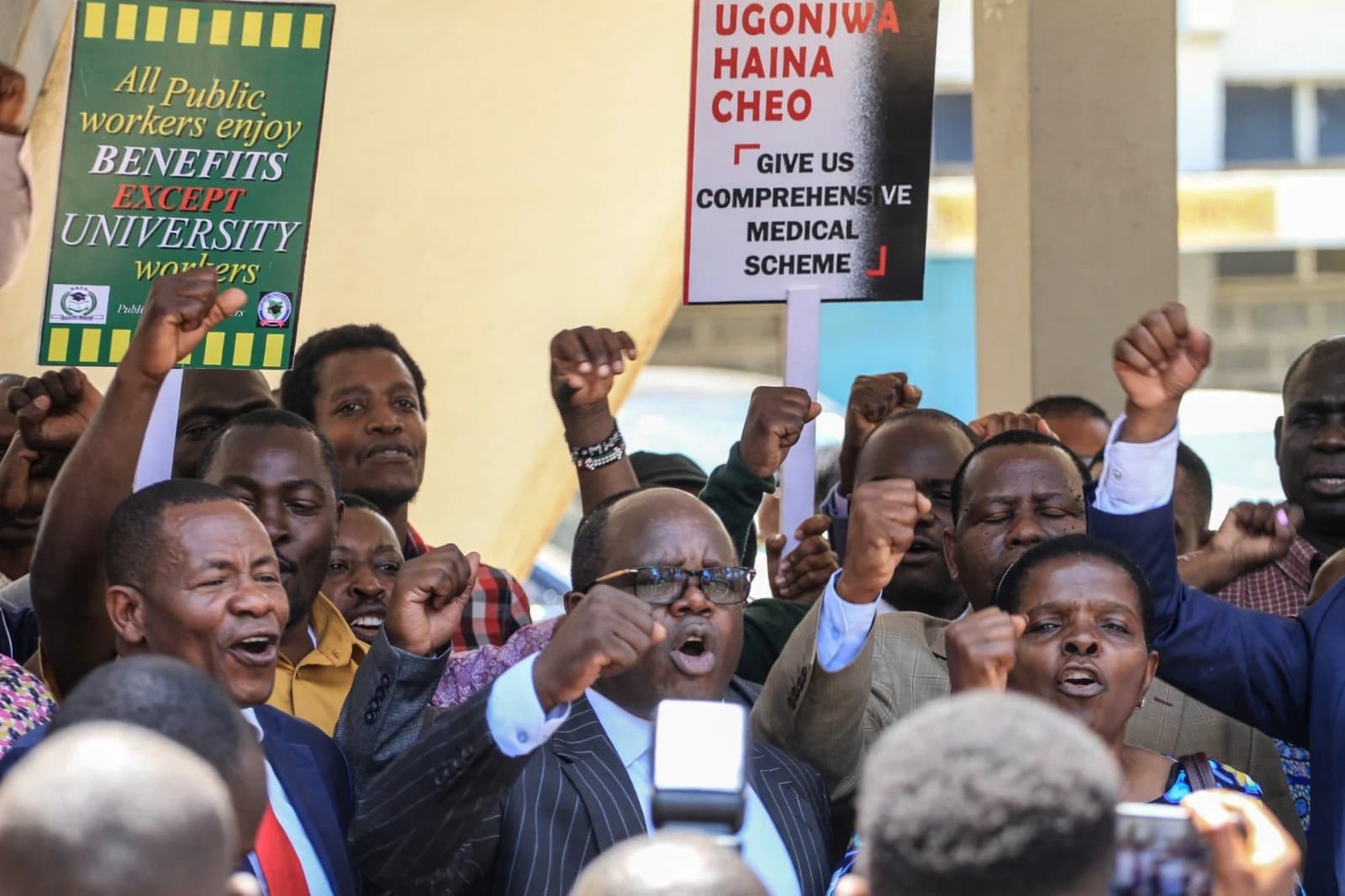
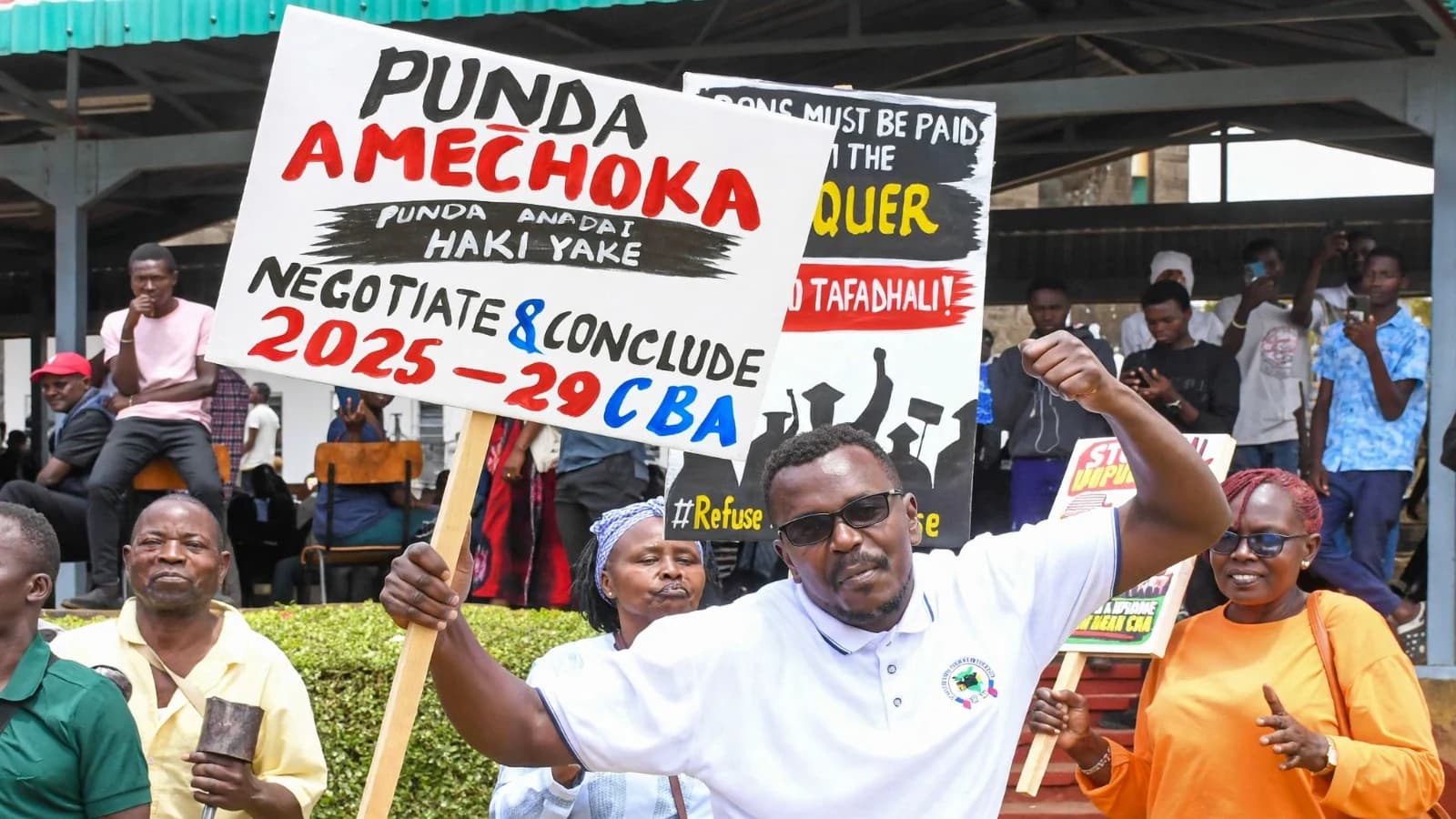
Since President William Ruto took office, public universities have seen repeated nationwide industrial action: the disputes of September and October 2024, the prolonged strike of September to November 2025, and the October 2026 strike. Together, the four episodes add up to roughly three and a half months of disruption, excluding university-specific interruptions and the time needed to recover lost teaching. A pattern this consistent points to a structural problem.
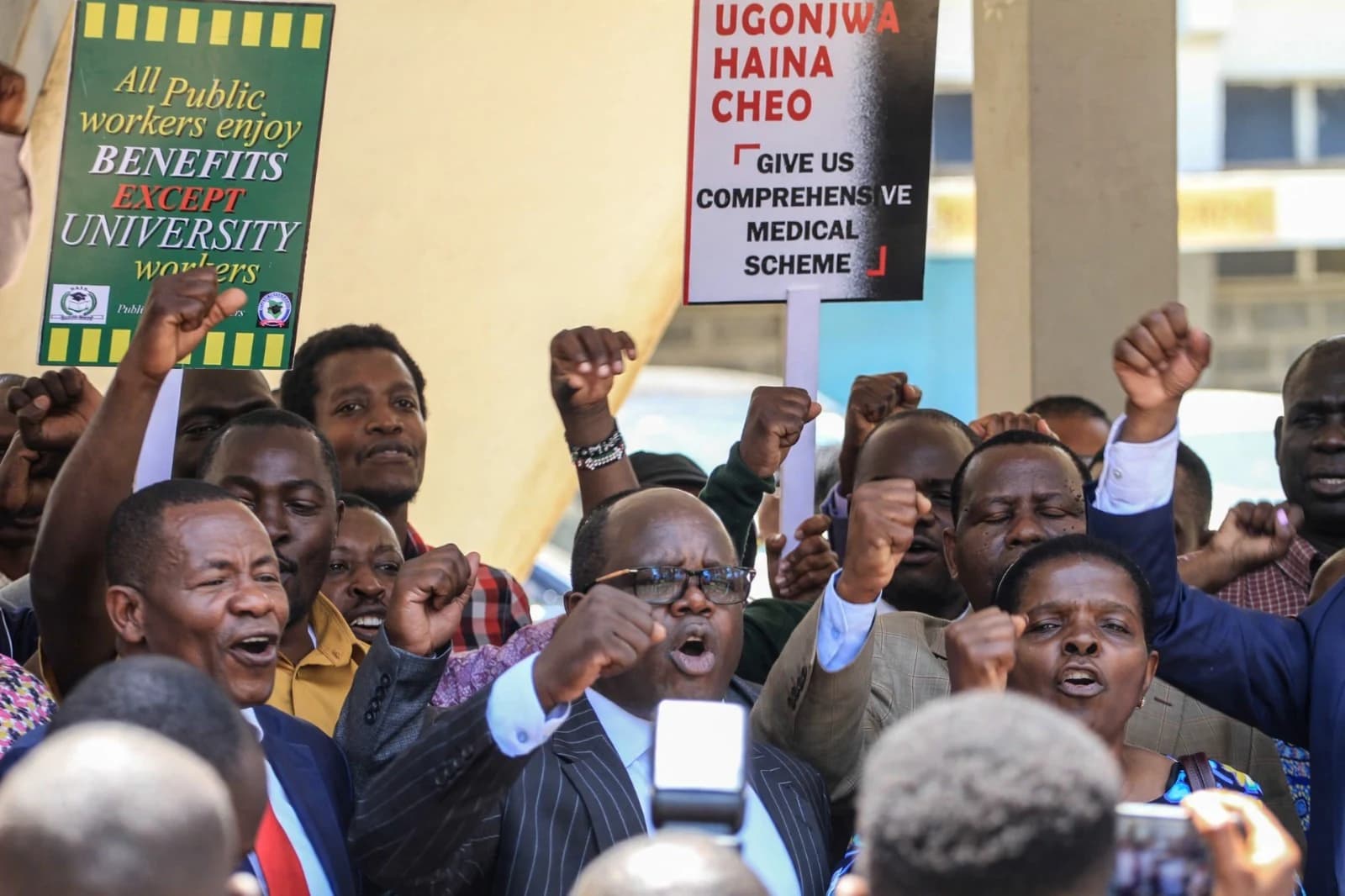
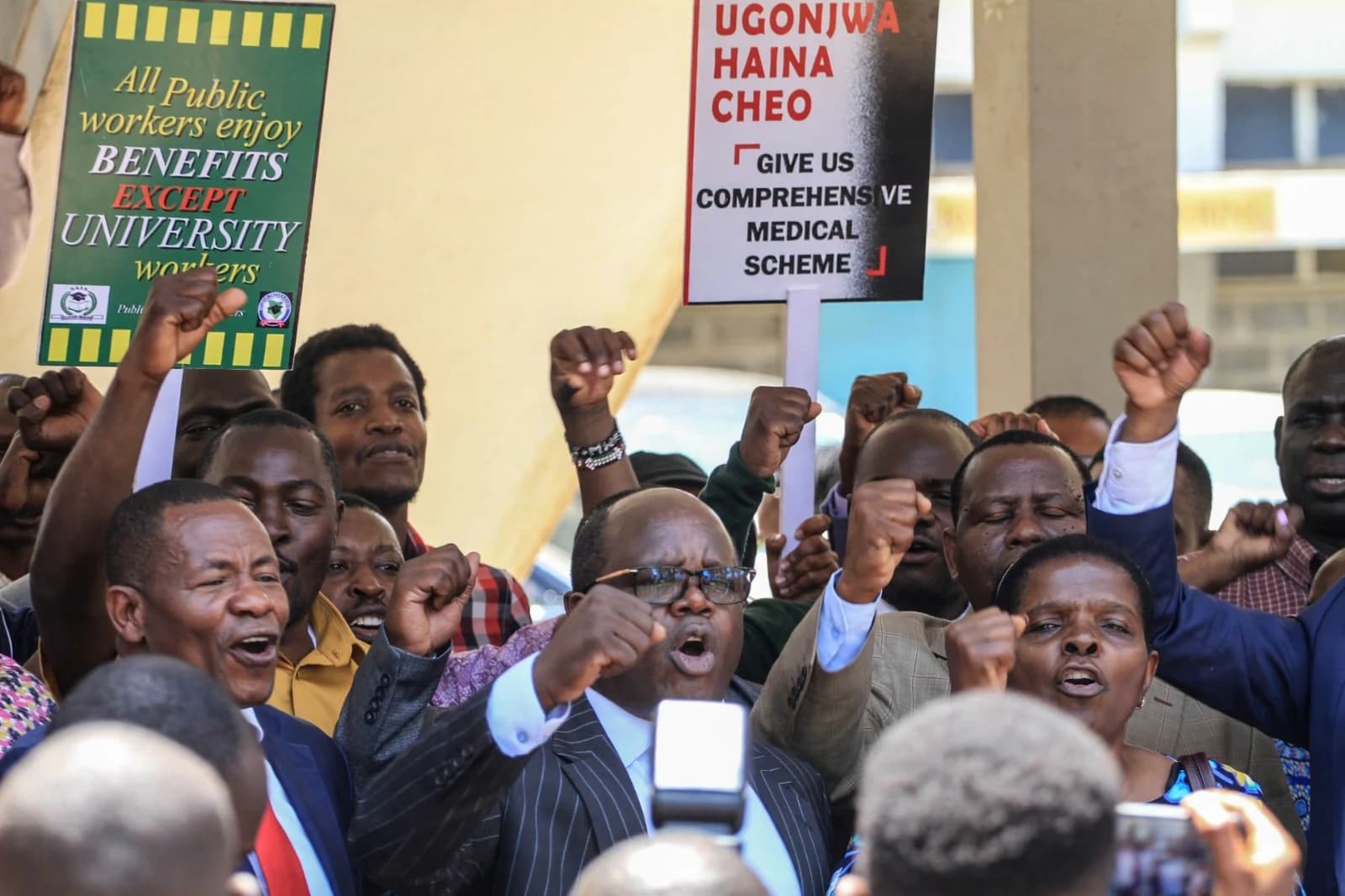
Lecturers have legitimate concerns. They deserve fair pay, reliable medical cover, timely salaries and implemented agreements. The 2025 action involved about Sh7.9 billion in arrears. The latest dispute, over the 2025-2029 Collective Bargaining Agreement (CBA), ended with a Sh20 billion package against an initial demand of Sh98 billion.
Now the real test begins. Why do negotiated commitments so often need another strike before they get serious attention? A return-to-work agreement should be more than a tool for restoring calm. It needs clear timelines, budget allocations, named institutions responsible for delivery and transparent monitoring. Without these, we institutionalise a cycle: workers withdraw services, students suffer, promises are made, learning resumes, and unresolved issues trigger the next dispute.
Stability is best judged by outcomes, not announcements. Are agreements implemented on schedule? Are students graduating when they should? Can parents plan with reasonable certainty?
The economic cost deserves attention too. Kenya invests heavily in scholarships, loans and infrastructure, expecting skilled workers, researchers and entrepreneurs in return. A delayed graduate is a delayed entrant into the labour market. Families keep paying for accommodation, food and transport while their children receive little teaching. Yet the true cost of these strikes has never been properly measured.
Three steps would help. First, an independent mechanism to assess and monitor the consequences of disruptions, from lost teaching time and delayed graduations to household expenditure and graduate employment. Second, a formal voice for students, who are often spectators in negotiations that decide their academic progress. Third, a published academic recovery plan from every university after any disruption, setting out how missed instruction, examinations and research will be addressed.
Lecturers should not have to strike repeatedly to secure what has already been agreed. Equally, students should not have to plead and wait for their right to uninterrupted learning. Both deserve a system that protects their rights and dignity.
We speak often of youth unemployment and building a knowledge economy. Those ambitions depend on universities that deliver learning consistently. We cannot aspire to compete while accepting recurring breakdowns in the institutions meant to produce knowledge.
The question is no longer when lecturers will return. They have. It is whether Kenya will use this moment to build a university system in which students can plan their futures without wondering whether the next semester will happen. Our students' time is a national resource, and their future is our collective responsibility. Kenya cannot afford to keep wasting either.
Dr. Peter Karanja Wainaina, PhD, is an Educational Management and Policy expert
Reader Discussion (0)
Sign in to comment