






Students face academic uncertainty as the government, Treasury and unions come under pressure to seal a binding deal
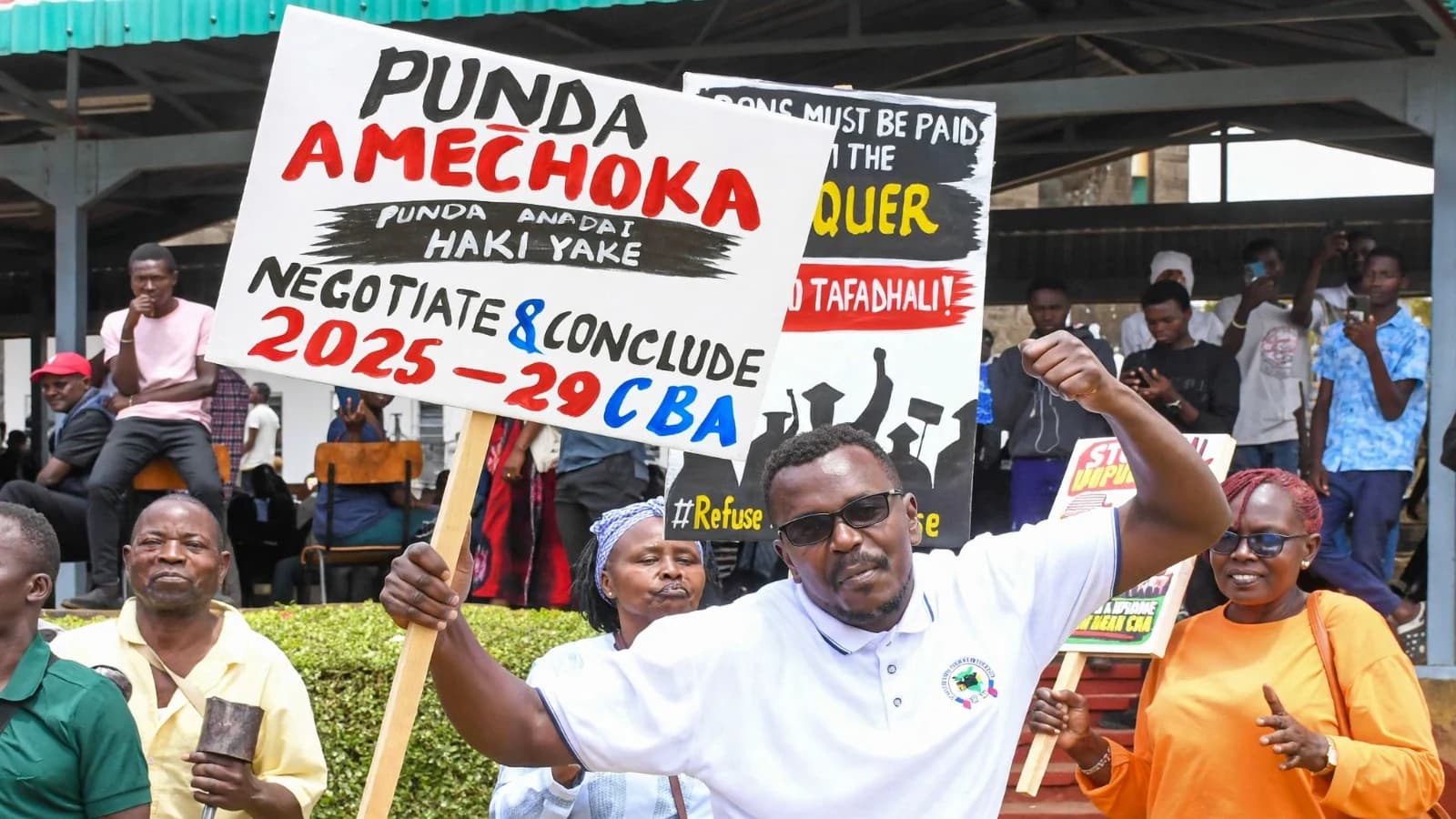
Kenya's university lecturers' strike demands urgent intervention. The government, university employers and the unions are under growing pressure to break the deadlock and prevent further damage to higher education.
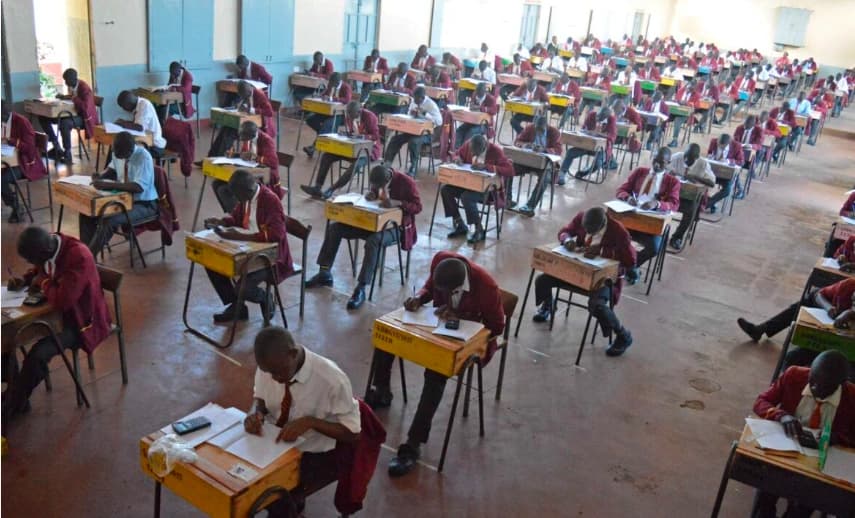
More than the return of lectures is at stake. Thousands of students face uncertainty over examinations, graduation dates, academic progression and entry into the job market, while universities risk further disruption to teaching, research and planning.
The immediate task is to turn negotiations into a credible agreement on lecturers' outstanding grievances, including salary adjustments, collective bargaining commitments and other staff benefits. A 72-hour emergency negotiation framework could offer a practical route to a breakthrough.
It would require the government and the unions to exchange firm proposals, settle the financial questions and put a settlement in writing with clear implementation deadlines. The 72-hour period is a recommendation, not an officially announced deadline.
Why the National Treasury must join
The Ministry of Education and university management cannot resolve a financial dispute with assurances alone. The National Treasury should be directly involved in setting out the resources available, the cost of the outstanding commitments and the timetable for implementation. A credible financial proposal would give the unions something concrete to assess, and would show whether outstanding obligations can be paid at once or through an agreed phased arrangement.
Seven moves that could break the deadlock
1. Convene an emergency negotiating summit. Bring the Ministry of Education, the National Treasury, the Ministry of Labour, university employers and the unions together, with authority to decide.
2. Put a costed offer on the table. Specify salary adjustments, allowances, benefits, funding sources and payment dates.
3. Audit and settle verified arrears. Establish what is owed and publish an agreed payment schedule.
4. Negotiate phased implementation where necessary. Allow reasonable flexibility on timing without turning agreed commitments into open-ended promises.
5. Set firm negotiating deadlines. Use the 72-hour framework to push talks towards a written settlement or a precise timetable for resolving remaining differences.
6. Agree a return-to-work formula. Fix the resumption date, safeguards for implementation and procedures for handling future disputes.
7. Protect students from further losses. Publish a recovery plan for missed lectures, examinations, assessments and graduation schedules.
Students must not bear the cost
Students, who have little say in the talks, will carry the heaviest burden. Delayed graduation can affect job prospects, and longer academic calendars can raise accommodation, transport and living costs. Student leaders should be involved in consultations, and university management should communicate clear plans for recovering lost time once teaching resumes. Recovery must also protect academic standards, and restoring lectures should not mean rushing through courses at the expense of quality.
Resolving the current dispute will not be enough if the underlying problems remain. The government and university employers need a sustainable financing framework that covers staff pay, research, infrastructure and teaching resources. Future collective bargaining agreements should be backed by realistic budgets, transparent implementation schedules and ways to monitor compliance. Without them, the country risks repeating the cycle of negotiations, strikes and disruption.
The proposed 72-hour window is a test of whether the government, employers and unions can move past their competing positions. The government must offer a credible financial commitment. The unions must have a real chance to negotiate enforceable terms. University managements must prepare for an orderly academic recovery, and students deserve clear information about their studies.
Kenya does not need another round of promises. It needs a binding deal, a credible payment plan and a clear timetable for getting lecturers back into classrooms. Success should be measured by commitments honoured, learning restored and safeguards against a repeat of the crisis.

Reader Discussion (0)
Sign in to comment