

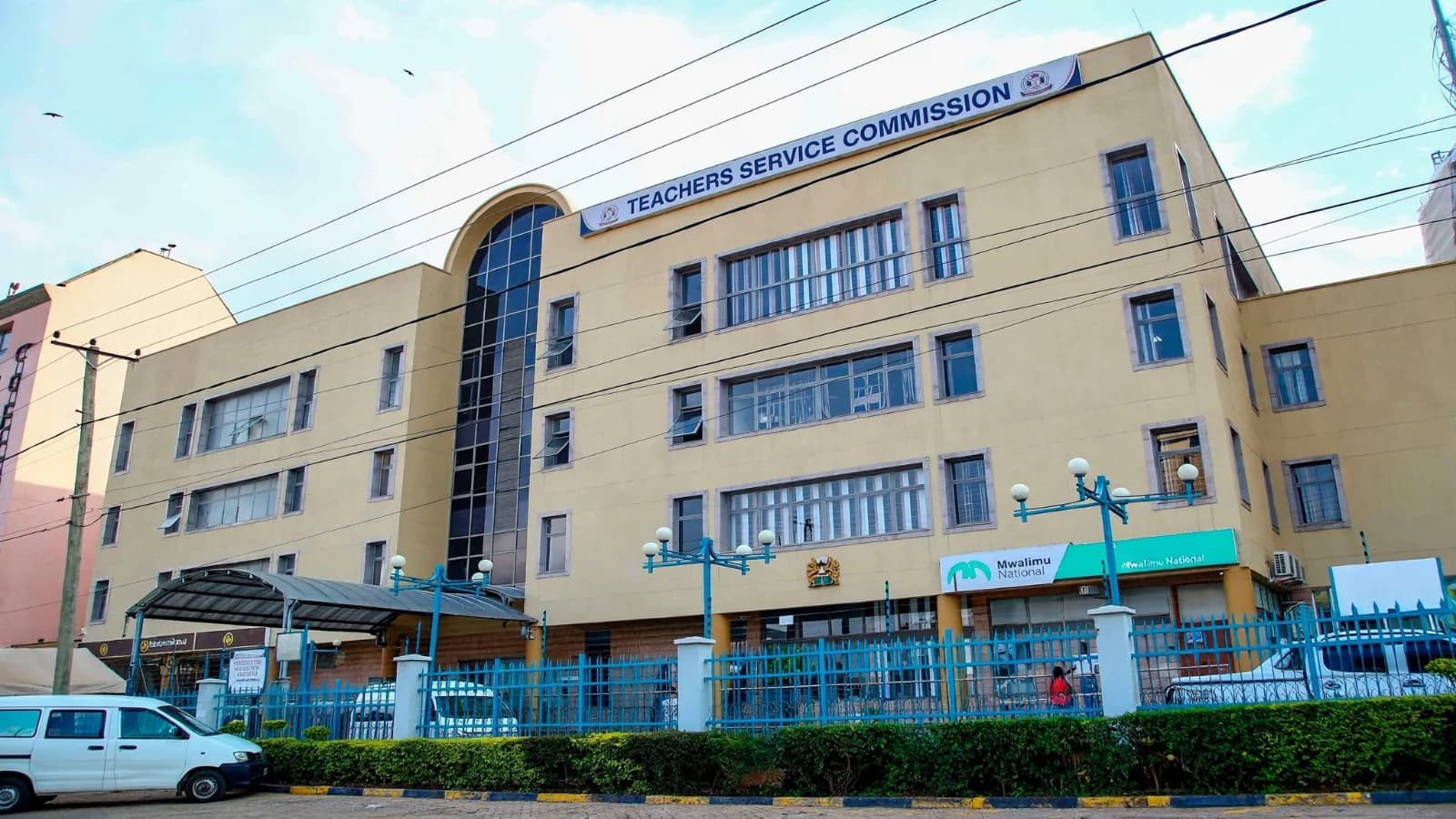






The search for the next Teachers Service Commission (TSC) Secretary and Chief Executive Officer comes at a defining moment for Kenya's education sector. The successful candidate will inherit an institution facing enormous pressure to improve teachers' welfare, resolve long-standing career progression challenges and provide effective leadership during the transition to Competency-Based Education (CBE). But perhaps the biggest test awaiting the incoming secretary will be the implementation of the commitments President William Ruto has made to teachers.
Teachers have heard numerous assurances concerning promotions, recruitment, salaries, medical cover, housing, retirement benefits and improved working conditions. They now want to see those commitments translated into tangible improvements in their professional lives. The President's October 2026 announcement that 50,000 teachers would be promoted during the 2026/2027 financial year has raised expectations across the profession. The proposed review of the Career Progression Guidelines, the recruitment of additional teachers and the conversion of 20,000 contract teachers to permanent and pensionable terms are equally significant. The incoming secretary will therefore take office at a time when teachers expect action rather than additional promises.
The five shortlisted candidates must demonstrate not only their administrative capabilities but also their understanding of the challenges affecting teachers, schools and the wider education system. The next secretary must be a reform-minded leader capable of balancing teachers' expectations, government priorities and the TSC's constitutional responsibilities.
Implementing the President's promises to teachers
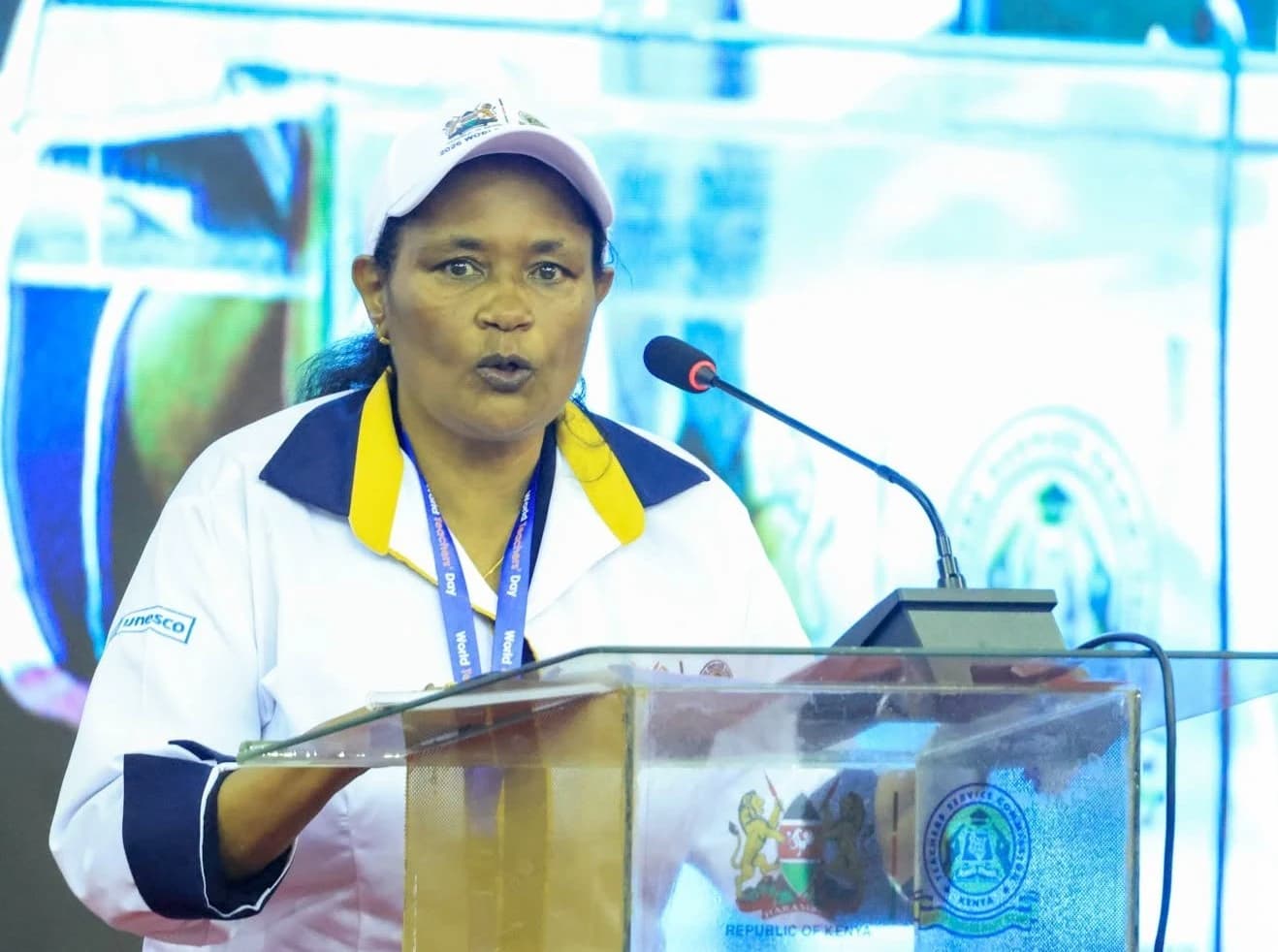
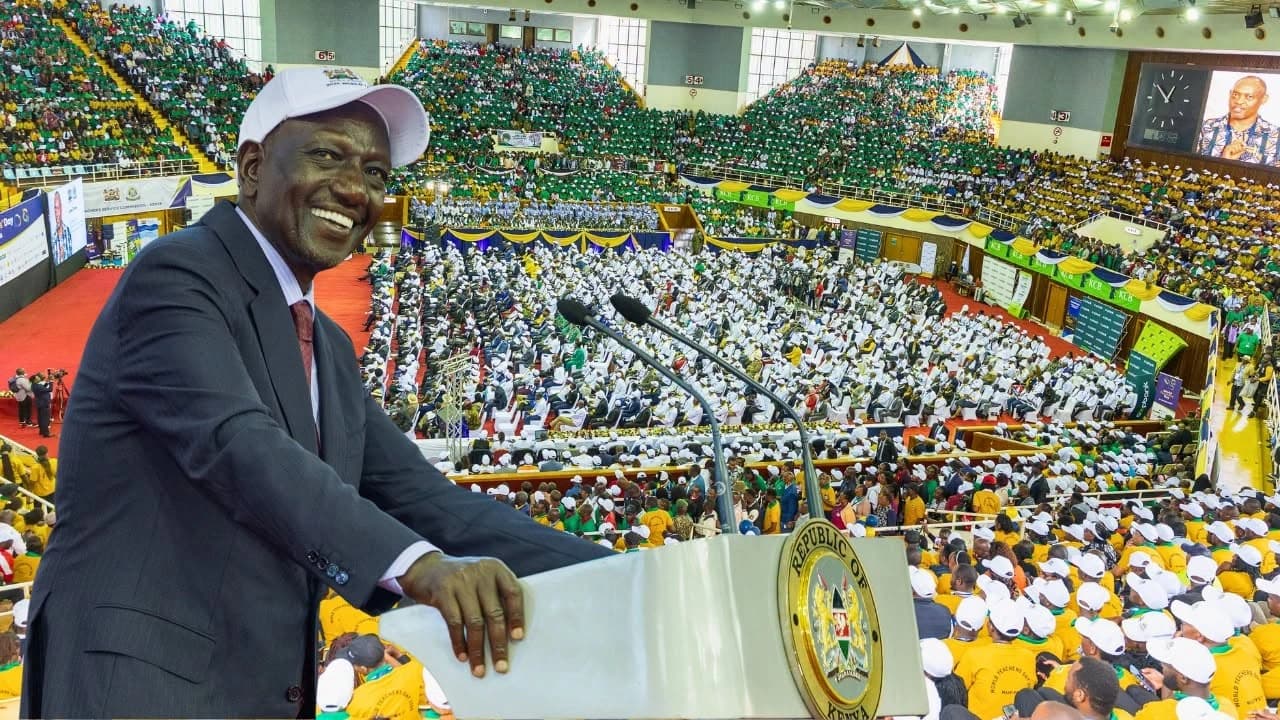
One of the most important responsibilities of the incoming secretary will be ensuring that presidential commitments to teachers are implemented within the agreed timelines. During his engagement with teachers and the subsequent World Teachers' Day celebrations, President Ruto outlined several measures aimed at improving teachers' welfare and professional development.
He announced that the government would increase promotion opportunities from the initially advertised 34,016 to 50,000 during the 2026/2027 financial year, and pledged additional funding to support the exercise. The incoming secretary must work with the relevant government agencies to ensure that the promised opportunities translate into actual promotions.
On the Career Progression Guidelines, teachers have complained about stagnation in various job groups despite years of experience and additional qualifications. The President indicated that the review involving the TSC and teachers' unions had been completed and was awaiting approval by the Salaries and Remuneration Commission. The new secretary must ensure that the process is completed and that the revised guidelines provide fair, transparent and predictable career advancement.
Teachers have also asked that the Collective Bargaining Agreement (CBA) review period be reduced from four years to two. The President indicated that the government would consider returning to a two-year cycle after the current 2025-2029 agreement expires, and the incoming secretary should engage unions and government agencies to establish a framework for more responsive salary negotiations.
The government has also announced plans to convert 20,000 contract teachers to permanent and pensionable terms from January 2027. The new secretary must ensure that the transition is transparent and that affected teachers receive clear communication on their employment status. The President also highlighted improvements in teachers' medical cover under the Social Health Authority (SHA), including increased access to inpatient services, and the incoming secretary should monitor service delivery, address complaints and ensure that teachers and their dependants receive the promised benefits.
On housing, the government has committed to reserving 20 per cent of affordable housing units for teachers, and the TSC must work with housing agencies and unions to make the programme accessible and affordable to teachers across different income levels. On pensions, the government has introduced a Pension Management Information System, and the President pledged that teachers would receive their retirement benefits within 10 days of leaving service once the system is fully operational. The next secretary must ensure that pension records are accurate, processing delays are reduced and retired teachers are paid promptly.
On recruitment, the President announced an ambitious target of 120,000 teachers recruited by December 2026 under the government's wider recruitment programme. The incoming secretary must ensure that recruitment is based on genuine staffing needs and that underserved schools receive adequate personnel. These commitments should not remain political announcements. They must become measurable institutional targets.
Addressing teacher shortages and the JS question
Teacher shortages remain a major concern, particularly in rural, remote and hardship areas. The transition to CBE has introduced new staffing demands across primary, Junior School (JS) and senior school. JS in particular have faced challenges relating to teacher deployment, subject specialisation, professional recognition, career progression and workload.
The incoming secretary must undertake a comprehensive staffing audit to establish actual teacher requirements in every institution, and ensure that teachers are deployed according to their qualifications and the learning areas they are expected to handle. JS teachers also deserve clear career progression opportunities and fair access to leadership positions. The next secretary must address their administrative and professional concerns and develop sustainable staffing arrangements.
Training teachers for effective CBE implementation
The success of CBE depends on the preparedness of teachers. The new curriculum requires skills in competency-based instruction, learner-centred teaching, classroom assessment, digital learning and practical skills development. Although the government has reported that more than 220,000 teachers have undergone CBE retooling, continuous professional development remains necessary. The incoming secretary must establish a sustainable training framework that reaches teachers in all regions, with training that is practical, accessible and responsive to classroom realities. The commission should also work closely with the Kenya Institute of Curriculum Development (KICD), the Kenya National Examinations Council (KNEC), the Ministry of Education and teacher training institutions to ensure consistent professional guidance.
Ending stagnation and acting appointments
Teachers who have acquired higher academic and professional qualifications expect their efforts to be recognised. Many have invested in postgraduate studies and specialised training but continue to raise concerns about limited advancement. The incoming secretary should ensure that the revised guidelines provide clear pathways for professional growth, with promotion criteria that fairly balance qualifications, experience, professional competence and demonstrated performance. Teachers should also be able to advance within the profession without necessarily moving into administrative positions.
Another issue requiring urgent attention is the number of teachers serving in acting administrative positions for extended periods, including acting principals, deputy principals, senior teachers and heads of department without substantive appointments. The incoming secretary should audit all acting appointments and set clear timelines for filling vacant positions. Acting arrangements should not become permanent through administrative delays, and teachers who have shown leadership capacity should receive fair consideration for substantive appointments under established procedures.
Remuneration, industrial relations and fairness
The incoming secretary must ensure effective implementation of the 2025-2029 CBA, with the agreed salary adjustments and benefits delivered on schedule, and must engage the National Treasury and other agencies to secure adequate funding for teacher-related commitments. Beyond salaries, attention should be given to working conditions, medical cover, housing, retirement benefits and professional dignity.
The secretary must also build constructive relationships with the Kenya National Union of Teachers (KNUT), the Kenya Union of Post-Primary Education Teachers (KUPPET) and other recognised unions, prioritising dialogue, consultation and timely resolution of grievances. Teachers should not have to resort to industrial action to secure attention to legitimate concerns, and industrial stability depends on trust, transparency and respect for negotiated agreements.
The commission must establish transparent promotion and transfer systems guided by clear criteria rather than administrative inconsistencies. Disciplinary cases must be handled fairly, with respect for due process and reasonable timelines, and teachers should have accessible mechanisms for resolving administrative complaints and appeals.
The national government will expect the incoming secretary to demonstrate prudent financial management, institutional accountability, effective teacher deployment and support for education reforms, and to ensure that public resources are used responsibly and deliver measurable results. The secretary must also maintain the TSC's constitutional independence while working constructively with the Ministry of Education, the National Treasury and other government institutions.
The five candidates shortlisted for the position are Cheptumo Ayabei of Baringo County; Dr Evaleen Jesang Mitei of Uasin Gishu County, the acting TSC Secretary and CEO; Robert Odette of Migori County; Lawrence Ngai Kaburu of Tharaka-Nithi County; and Farah Abdi Saman of Mandera County. The interviews are scheduled for November 16, 2026, at TSC headquarters in Upper Hill, Nairobi, and the commission has invited the public to submit credible information about the candidates through sworn affidavits by November 13, 2026.
The selection panel must look beyond academic qualifications and administrative experience. Kenya needs a secretary with a deep understanding of teacher management, education policy, financial management, industrial relations and institutional leadership, who demonstrates integrity, fairness, negotiation skills and the ability to make difficult decisions. Above all, the candidate must understand the realities facing teachers in classrooms and schools across the country.
The ultimate test: turning promises into action
The next TSC secretary will inherit an institution with enormous responsibilities and a teaching workforce expecting meaningful reforms. The promotion of 50,000 teachers, the revised Career Progression Guidelines, the conversion of contract teachers, improved medical cover, affordable housing and faster pension processing will each test the new secretary's leadership. Equally important will be resolving the JS question, addressing teacher shortages, strengthening CBE implementation, recognising higher academic qualifications and ending prolonged acting appointments.
These challenges cannot all be resolved overnight. However, teachers deserve clear timelines, transparent decisions and regular progress reports. The credibility of the TSC will increasingly be judged by its ability to deliver on the commitments made to teachers. President Ruto has made important promises to the teaching profession, and the responsibility now lies with the relevant institutions, particularly the TSC, to ensure they are implemented.
Teachers do not simply want another administrator. They want a leader who can listen, negotiate, make difficult decisions and deliver results. The next TSC secretary must be remembered not for occupying the office, but for transforming the teaching profession, restoring teachers' confidence and ensuring that promises made to educators finally translate into meaningful change.

Reader Discussion (0)
Sign in to comment