
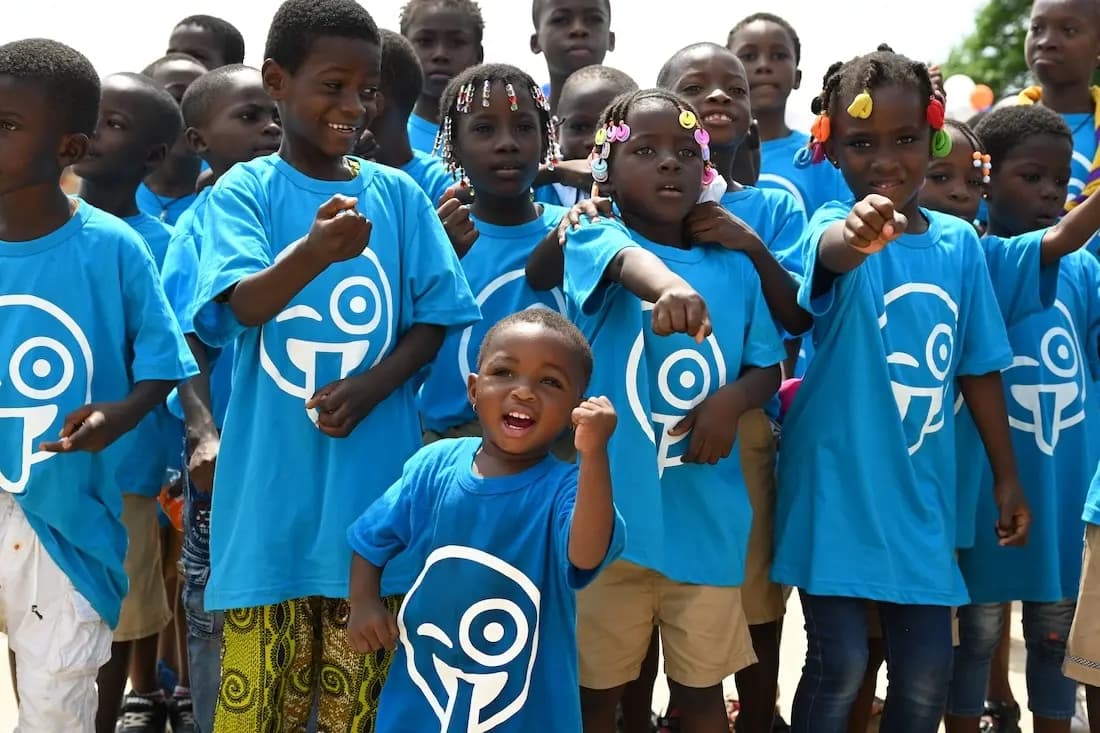








Every parent wants to raise a happy, confident, responsible and successful child. However, according to UNICEF's positive parenting principles, the way parents communicate, discipline and respond to children's needs can significantly influence their emotional development, self-esteem and relationships.
UNICEF advocates for parenting approaches built on respect, understanding, encouragement and appropriate guidance rather than fear, humiliation or intimidation.
The UN children's agency emphasises that children need to feel loved, heard and valued as they grow. Parents are encouraged to acknowledge their children's feelings, recognise individual abilities, establish clear boundaries and provide opportunities for learning and independence.
Although no parent is perfect, certain everyday habits can unintentionally undermine a child's confidence and emotional security.
Drawing on UNICEF's positive parenting guidance, here are eight common parenting mistakes families should avoid when raising children.
Comparing, dismissing and humiliating children
1. Constantly comparing children
One parenting habit that can undermine a child's confidence is constantly comparing them with siblings, classmates or neighbourhood children.
UNICEF's positive parenting approach encourages parents to recognise that children develop differently and have individual strengths, interests and abilities.
Telling a child that their sibling is more intelligent, hardworking or talented can create feelings of inadequacy rather than motivate improvement.
Instead of making comparisons, parents should recognise individual achievements, celebrate progress and encourage children to develop their abilities at their own pace.
Every child deserves an opportunity to feel valued without having to compete for parental approval.
2. Ignoring or dismissing children's feelings
Children experience sadness, fear, disappointment, frustration and anxiety, but they may not always know how to communicate these emotions.
UNICEF's positive parenting principles encourage parents to listen to children, acknowledge their feelings and respond with understanding.
Dismissing a crying child by saying they are being dramatic or that their problems do not matter can discourage them from sharing their concerns.
For example, when a child returns home upset because of an incident at school, parents should first listen and establish what happened instead of immediately dismissing the experience.
Acknowledging emotions does not mean allowing unacceptable behaviour. It means helping children understand their feelings and develop healthy ways of managing them.
3. Using harsh words and humiliating children
The language parents use can influence how children perceive themselves.
Repeatedly calling a child foolish, lazy, useless or irresponsible can damage their self-image and discourage them from developing confidence.
UNICEF's positive parenting approach promotes respectful communication and discipline that teaches rather than humiliates.
Parents should distinguish between correcting behaviour and attacking a child's character.
Instead of saying, "You are careless," a parent can explain, "You need to be more careful when arranging your school materials."
Children require correction and boundaries, but these should be accompanied by encouragement, patience and respect.
Encouraging independence and recognising children's efforts
4. Never allowing children to make mistakes**
UNICEF's positive parenting principles recognise the importance of allowing children to learn and develop through age-appropriate experiences.
Overprotective parents sometimes attempt to control every decision, solve every problem and prevent their children from making mistakes.
Although protecting children from danger is essential, excessive control can limit their independence and problem-solving abilities.
Allowing children to organise their schoolbags, complete simple household responsibilities and make appropriate decisions helps them develop responsibility.
When mistakes occur, parents should explain what went wrong and encourage improvement rather than resorting to shame or punishment.
5. Giving attention only when children misbehave
Children need recognition and encouragement when they demonstrate positive behaviour.
Parents who concentrate exclusively on mistakes while overlooking good actions may unintentionally discourage positive habits.
UNICEF's positive parenting approach encourages parents to acknowledge children's efforts, reinforce good behaviour and provide constructive feedback.
For instance, a parent can praise a child for helping a younger sibling with homework, completing household responsibilities or showing kindness to others.
Recognising positive behaviour helps children understand that their efforts and contributions matter.
6. Setting unrealistic expectations
Parents naturally want their children to excel academically, behave responsibly and achieve their ambitions.
However, expecting perfection can place unnecessary pressure on children.
UNICEF's child-centred parenting principles encourage parents to understand children's individual developmental stages, abilities and needs when providing guidance.
Demanding excellent examination results, perfect behaviour and exceptional performance in every activity may make children feel that nothing they do is ever good enough.
Parents should establish realistic expectations, celebrate progress and encourage children to work towards achievable goals.
Children should be motivated to improve without being made to believe that their worth depends on academic performance or achievements.
Building stronger relationships through time, trust and respect
7. Failing to spend quality time with children
UNICEF emphasises the importance of positive parent-child interaction in children's development.
Providing food, clothing, shelter and school fees is essential, but children also need attention, affection and meaningful communication.
Parents who are constantly occupied with work and other responsibilities may unintentionally overlook their children's emotional needs.
Simple activities such as sharing meals, reading together, playing games and discussing school experiences can strengthen family relationships.
Even short periods of meaningful interaction can help children feel valued and understood.
Parents should make deliberate efforts to listen, participate in their children's lives and create opportunities for open communication.
8. Refusing to apologise when wrong
Positive parenting also requires parents to recognise that they can make mistakes.
Some parents believe apologising to children weakens their authority. However, acknowledging wrongdoing demonstrates accountability and respect.
For example, a parent who unfairly blames a child or loses their temper can say, "I am sorry I shouted at you. I was upset, but I should have spoken calmly."
This teaches children that taking responsibility is important and that mistakes provide opportunities for learning.
It also helps build trust and demonstrates the importance of treating other people with respect.
Children need guidance, not fear
The central message of UNICEF's positive parenting guidance is that raising children requires more than providing for their physical needs. It also involves nurturing their emotional well-being, respecting their individuality and creating an environment where they can develop with confidence.
Parents should combine affection with appropriate boundaries, discipline with understanding and correction with encouragement.
Avoiding these eight parenting mistakes can help families establish healthier relationships and support children's emotional and social development.
Children do not need perfect parents. They need parents who are willing to listen, understand, guide, encourage and learn from their own mistakes.
Ultimately, the foundation of positive parenting is not fear, humiliation or excessive control, but love, respect, consistency and guidance.
By embracing these principles, parents can help children develop the confidence, independence and emotional resilience needed to face challenges and become responsible members of society.


Reader Discussion (0)
Sign in to comment