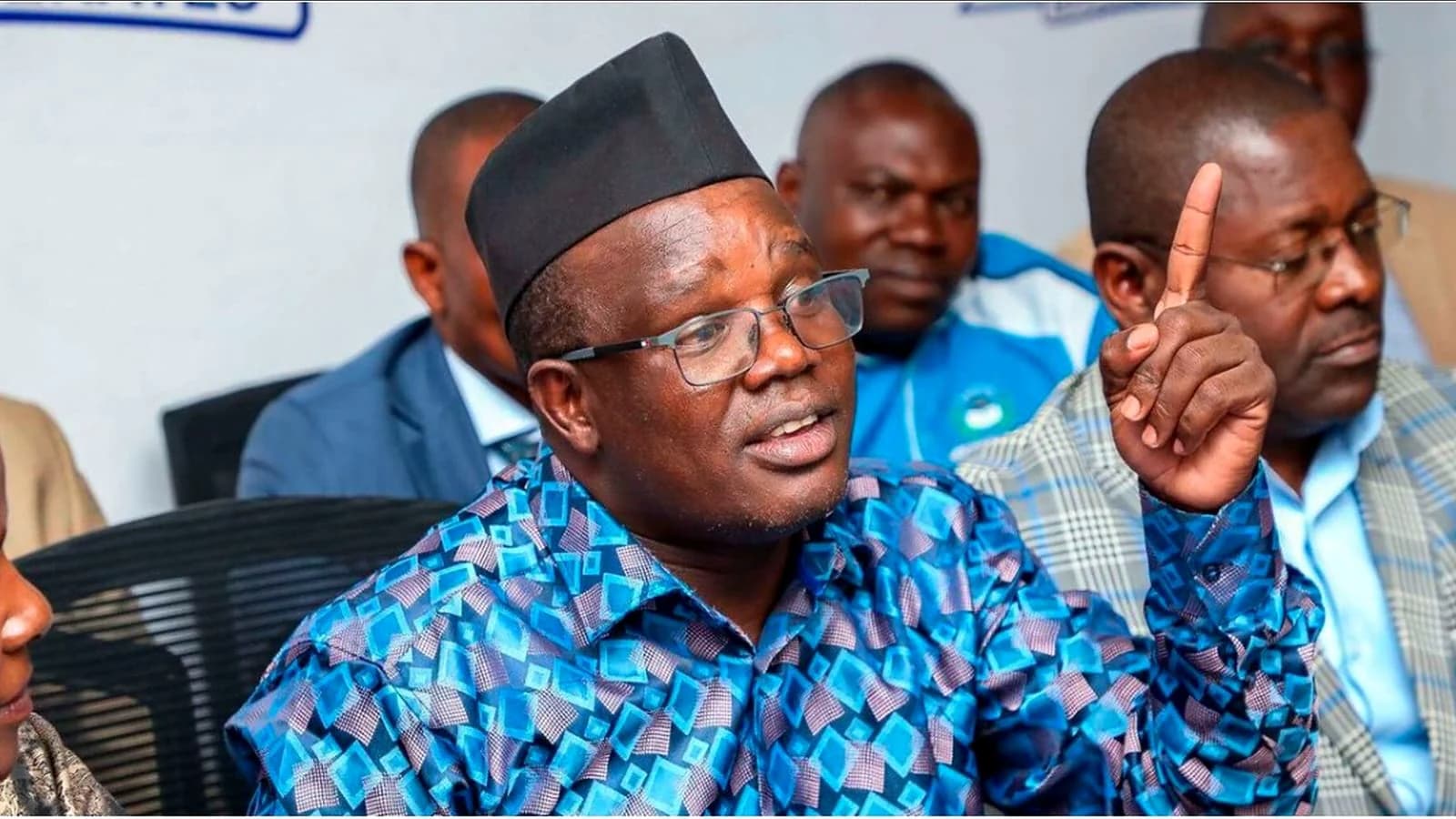
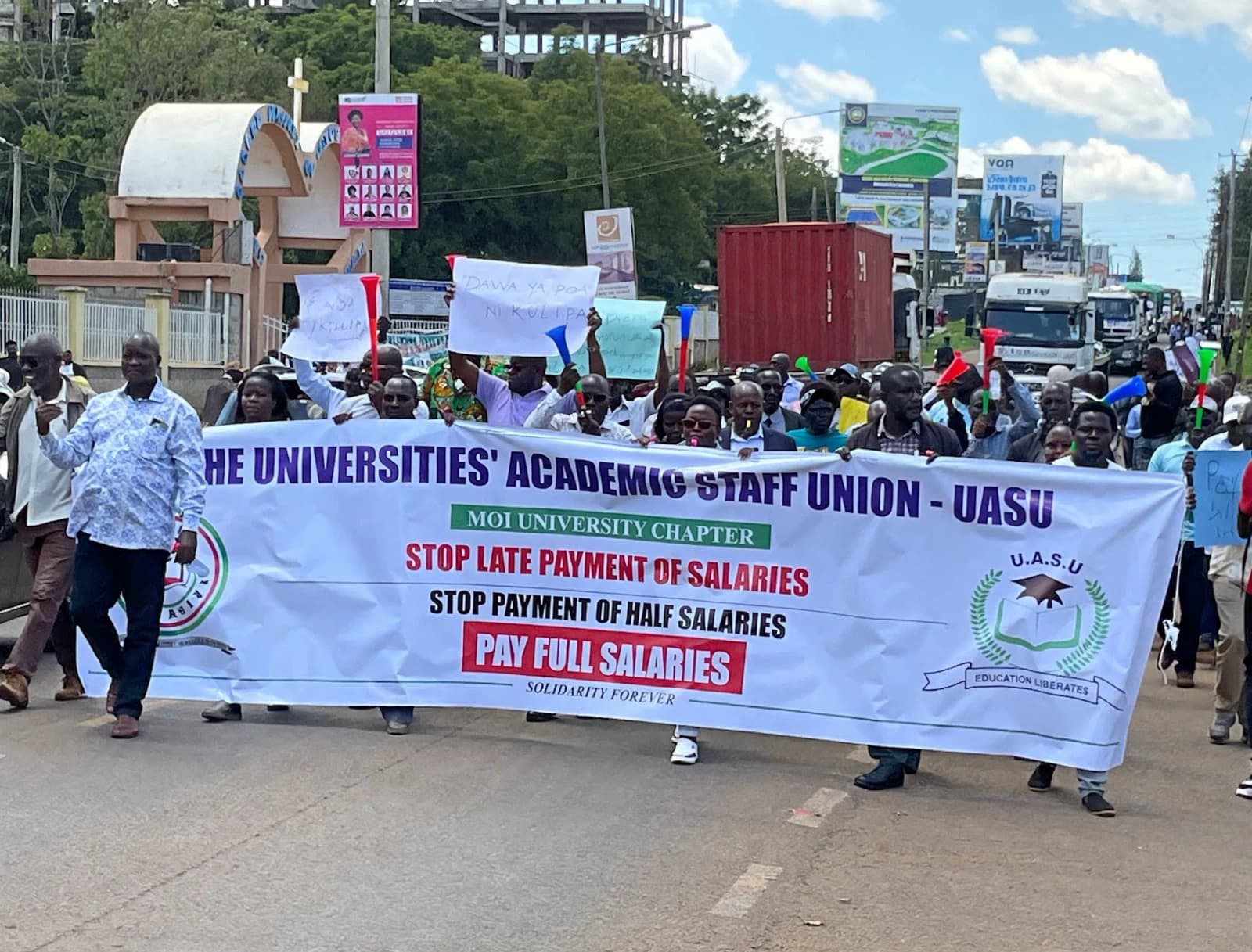
A reported Sh12 billion government pay offer has failed to break the deadlock in Kenya's public universities, with the Universities Academic Staff Union (UASU) rejecting the package as negotiations collapsed, leaving the lecturers' strike unresolved and students uncertain about when learning will resume.
The breakdown exposes the widening gap between the government and university staff unions over salary increases and the implementation of the 2025-2029 Collective Bargaining Agreement (CBA). With the specific terms of the rejected offer still scanty, it remains unclear how the proposed package addressed the unions' demands or which outstanding issues proved decisive in the collapse of talks. The immediate consequence is continued uncertainty across public universities, where interrupted lectures, examinations, research supervision and graduation schedules threaten to disrupt academic progression.
Salary Negotiations at the Heart of the Deadlock
The current dispute centres on remuneration and the implementation of the 2025-2029 CBA, which governs the employment terms negotiated between university staff and their employers. UASU has demanded substantial salary adjustments and improved allowances, arguing that university employees' remuneration must reflect their responsibilities and prevailing economic pressures. Proposals previously associated with the negotiations included basic salary increases ranging from 36 to 68 per cent, depending on job grade, and a 57 per cent increase in house allowances, though these figures represent union demands and should not be confused with the confirmed terms of the rejected Sh12 billion package. Employers have advanced lower salary-increase proposals, leaving the two sides divided over the financial requirements and implementation of the current agreement, and without a detailed breakdown of the rejected package, the headline amount alone cannot establish how much individual employees stood to gain or whether the offer adequately addressed the union's demands.
The current salary negotiations must also be distinguished from outstanding arrears arising from earlier collective bargaining agreements. Arrears linked to the 2017-2021 and 2021-2025 CBAs concern obligations from previous agreements, while the 2025-2029 CBA covers the current round of salary and employment negotiations. Paying historical arrears would not automatically settle the current salary dispute, and agreeing on new salary increases would not establish that all outstanding obligations from previous agreements had been cleared. The government therefore needs to clarify the amounts outstanding under earlier agreements, how and when they will be paid, and how the current CBA will be funded and implemented, separating the two issues to prevent historical obligations from obscuring the specific salary adjustments being negotiated.
Students Bear the Brunt as Talks Remain Stalled
As negotiations remain stalled, students face uncertainty over lectures, examinations, research supervision and graduation schedules. The longer the strike continues, the harder it becomes for universities to maintain academic calendars and guarantee uninterrupted progression through their programmes, with students approaching examinations or graduation particularly vulnerable to delays. The dispute also raises wider questions about public university financing, academic staffing and the government's capacity to honour negotiated employment agreements.
Ending the industrial action will require more than another headline financial commitment. The government and university employers need to explain the composition of the reported Sh12 billion offer, including the proposed increases by grade, allowances covered, employees affected and implementation timelines, while UASU needs a substantive response to its demands and clarity on which elements of the package remain unacceptable. Historical arrears should be addressed through a separate and transparent payment framework, while negotiations over the 2025-2029 CBA should establish the salary and benefits package applicable to the current agreement.
The deadlock is no longer just about the amount of money on the table; it is about whether the government and university staff can agree on a credible pay settlement that ends the strike. Until that gap is bridged, lecturers remain locked in an unresolved dispute, while students continue to bear the cost of interrupted university education.

Reader Discussion (0)
Sign in to comment