




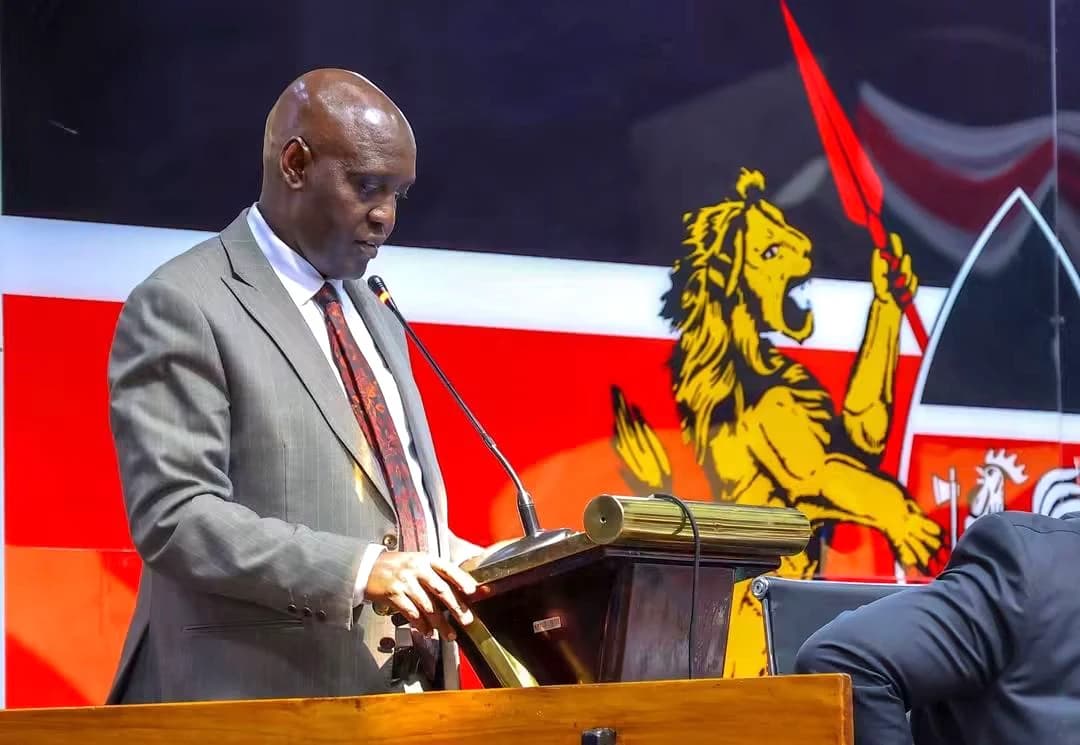
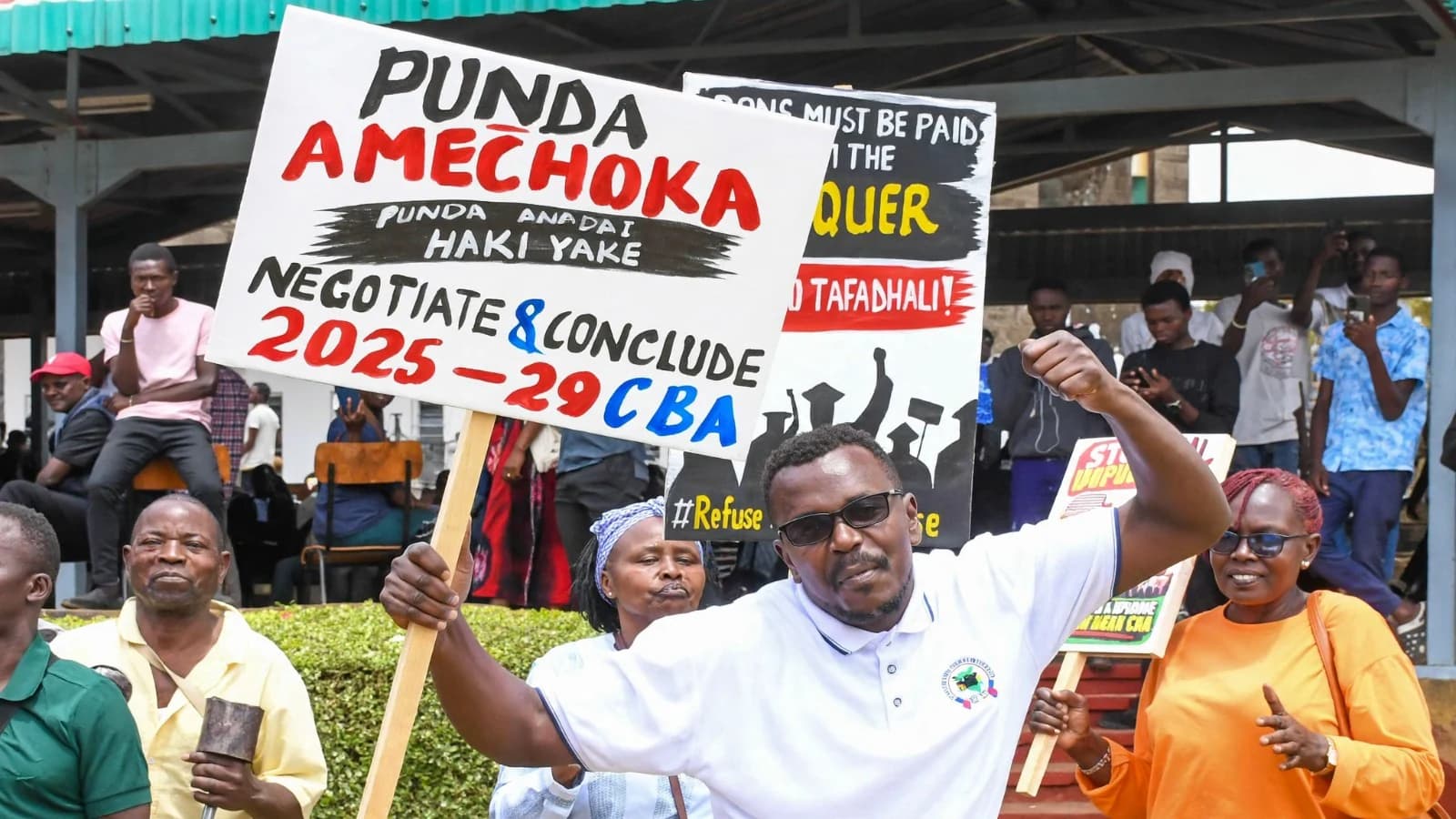
Kenya's public university lecturers' strike has exposed a deepening trust deficit between the government and university staff unions, with disagreements over collective bargaining agreements (CBAs), funding commitments and the implementation of negotiated pacts threatening to prolong the disruption of academic activities.
The nationwide industrial action, which began on October 2, entered a critical phase after negotiations collapsed on October 12, with university staff unions rejecting the government's latest proposal for the 2025–2029 CBA. The stalemate has renewed questions over whether both parties can trust one another to honour commitments once negotiations conclude.
Dishonoured Pacts Erode Confidence
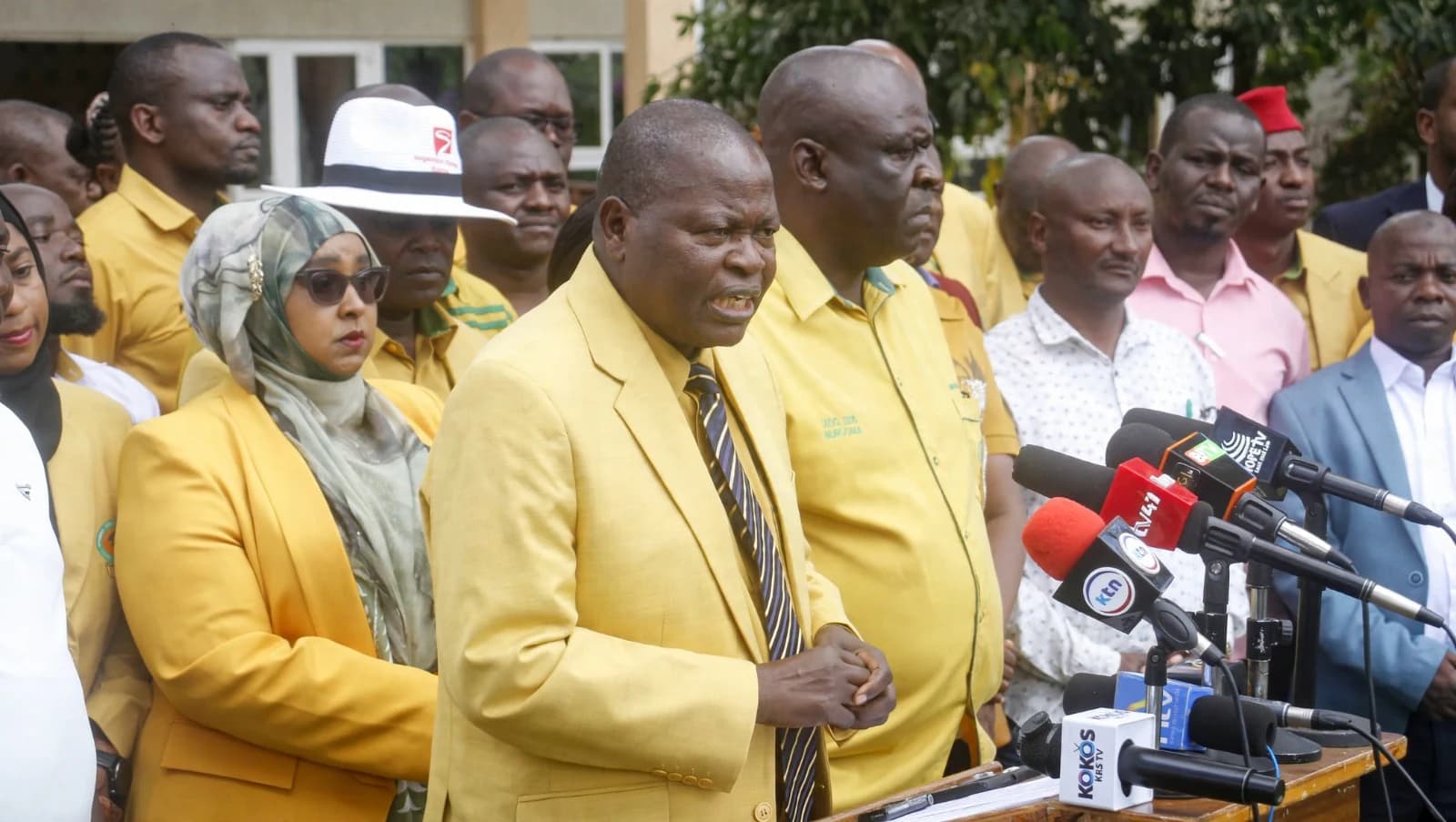
The unions have expressed dissatisfaction with the pace of implementing commitments made under the return-to-work arrangements reached in November 2025, with negotiations failing to conclude within the anticipated period. Education Cabinet Secretary Julius Ogamba has maintained that arrears under the 2017–2021 and 2021–2025 CBAs have been cleared, and has urged lecturers to return to work as talks continue.
The two positions are not necessarily contradictory: previous arrears may have been settled while fresh disagreements persist over the new agreement, its financing, and other outstanding employment commitments. What is needed, analysts say, is a common, verifiable account of which obligations have been fulfilled and which remain outstanding.
Questions Over Elite Accountability
The strike has also raised questions about the accountability of political and institutional decision-makers who control negotiations, funding and implementation. When successive meetings produce fresh assurances without resolving the underlying grievances, workers may begin to doubt whether talks are addressing their concerns or merely delaying another confrontation.
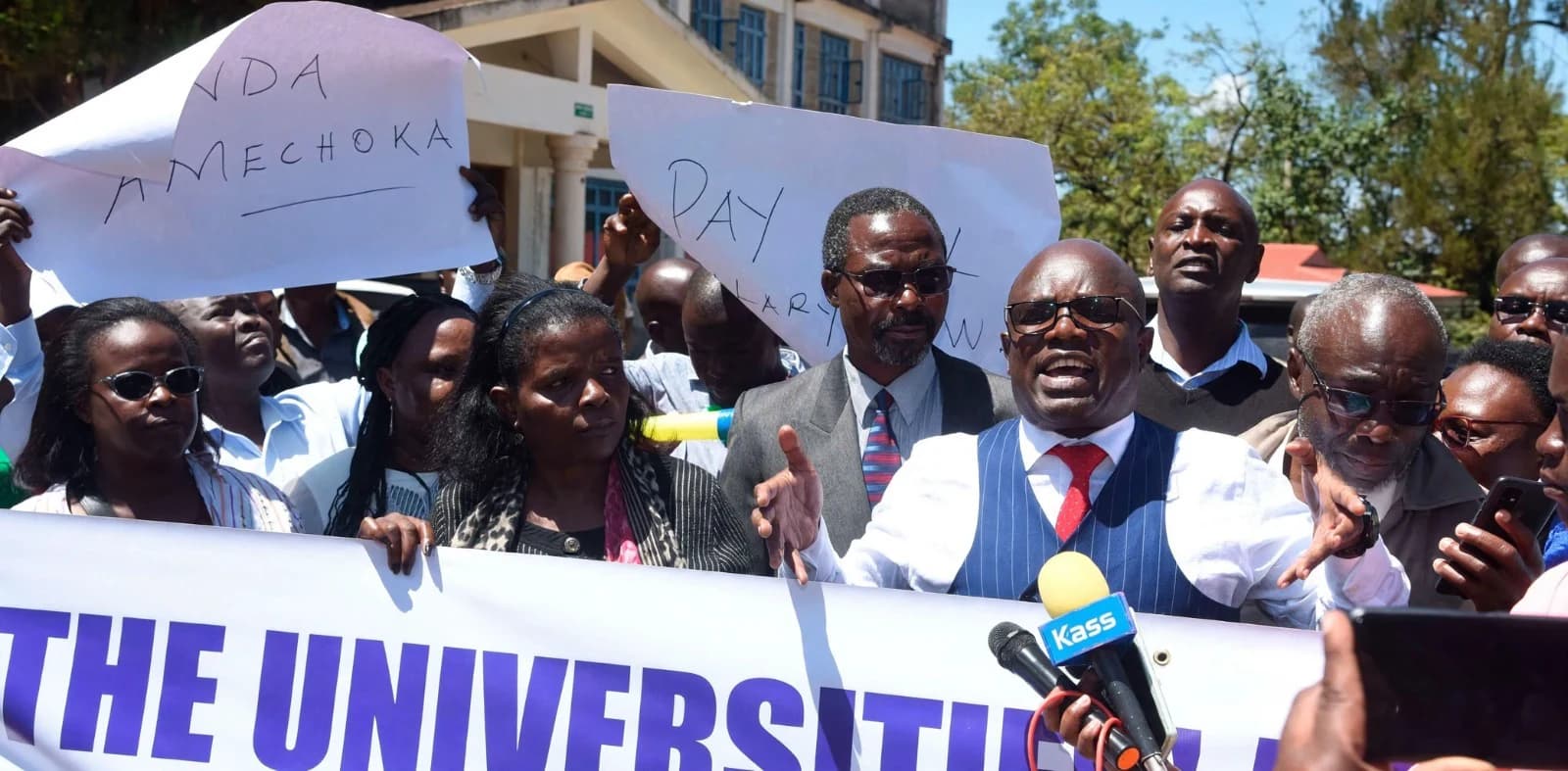
The National Treasury's involvement is seen as critical given that the disagreements centre on financing a multi-year CBA. The University Academic Staff Union (UASU) has planned a procession in Nairobi on October 15, from the University of Nairobi's Graduation Square to Parliament Buildings, the Treasury and the Ministry of Education offices, underscoring the urgency of the dispute.
A Cycle of Strikes and Temporary Settlements
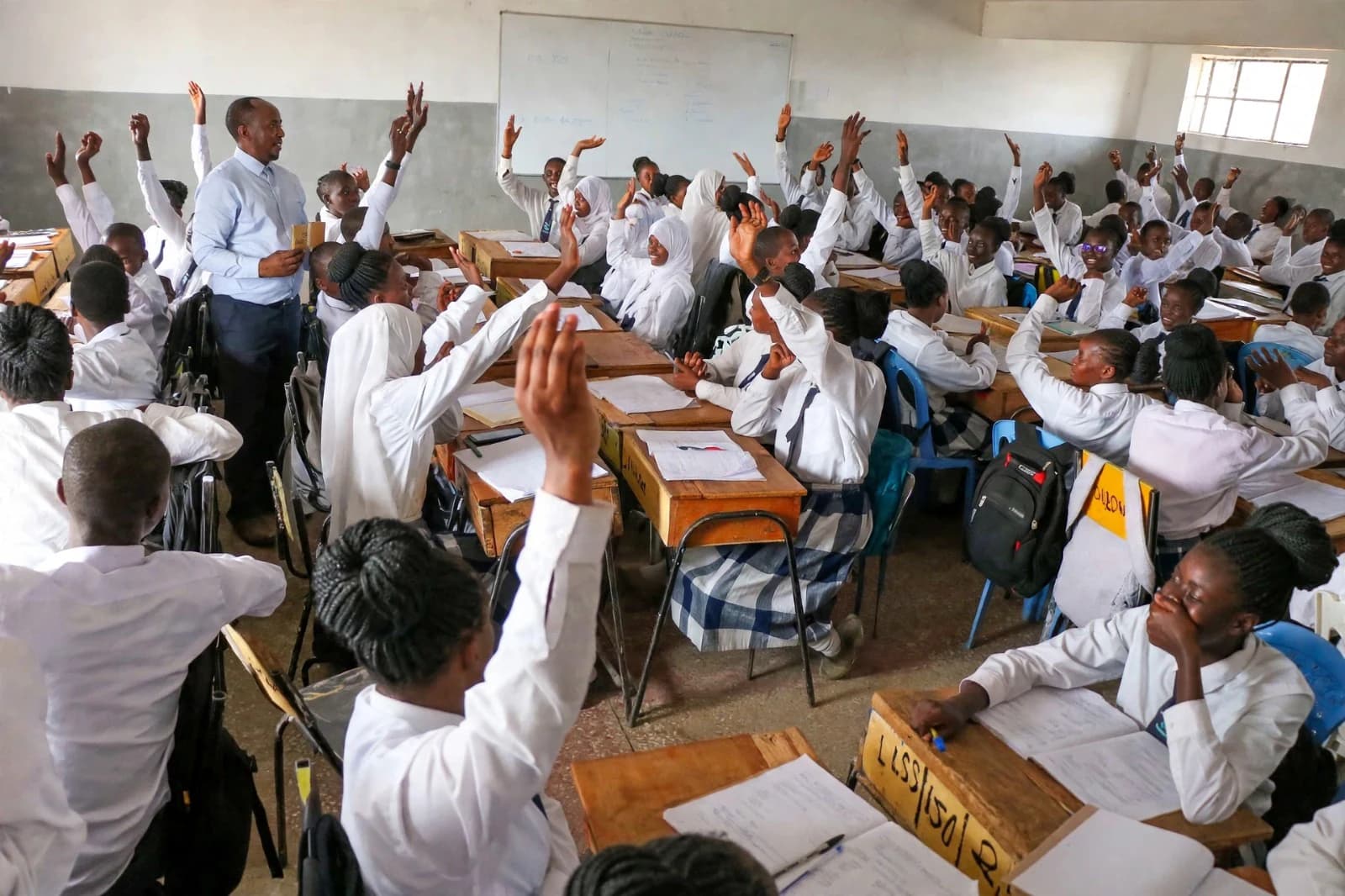
The current standoff follows a prolonged university strike in 2025, whose return-to-work arrangements were meant to provide a framework for concluding negotiations. The recurrence raises concerns that collective bargaining has become dependent on strikes to compel engagement, with students losing learning time, research activities interrupted, and graduation schedules delayed. Families continue bearing accommodation, food and transport costs even as learning is suspended, while universities and the government both grapple with the administrative and financial fallout.
Rebuilding Trust Through Transparency
Restoring confidence, analysts argue, requires more than assurances from either side. The parties should jointly review previous CBAs and return-to-work agreements to establish which commitments have been fulfilled and what remains outstanding, potentially through a joint implementation committee drawing on government agencies, university management and staff unions to track milestones and address emerging disputes.
The Treasury should participate directly in talks where funding is central to the dispute, ensuring that proposals have the necessary financial backing. Periodic progress reports, analysts say, would give all parties a shared understanding of what has been achieved and make accountability a routine part of collective bargaining rather than an issue raised only after a strike begins.
Beyond Return-to-Work Agreements
A credible return-to-work deal should address the underlying causes of the strike rather than focus only on the date lecturers resume teaching, outlining outstanding grievances, responsibilities, timelines and financing arrangements. Outstanding issues surrounding the 2025–2029 CBA, including salary adjustments, allowances and employment conditions, still need to be resolved, with mediation activated where differences persist before talks break down again.
Both government and unions carry responsibility for sustaining industrial peace, the former through credible implementation of its commitments, the latter through constructive engagement. Students' interests remain central to the process, but protecting academic continuity should not come at the expense of legitimate employment grievances.
The success of any eventual settlement, observers say, will be measured not just by how quickly lecturers return to class, but by whether outstanding grievances are resolved and credible mechanisms are put in place to prevent future disputes from escalating into fresh strikes.

Reader Discussion (0)
Sign in to comment