




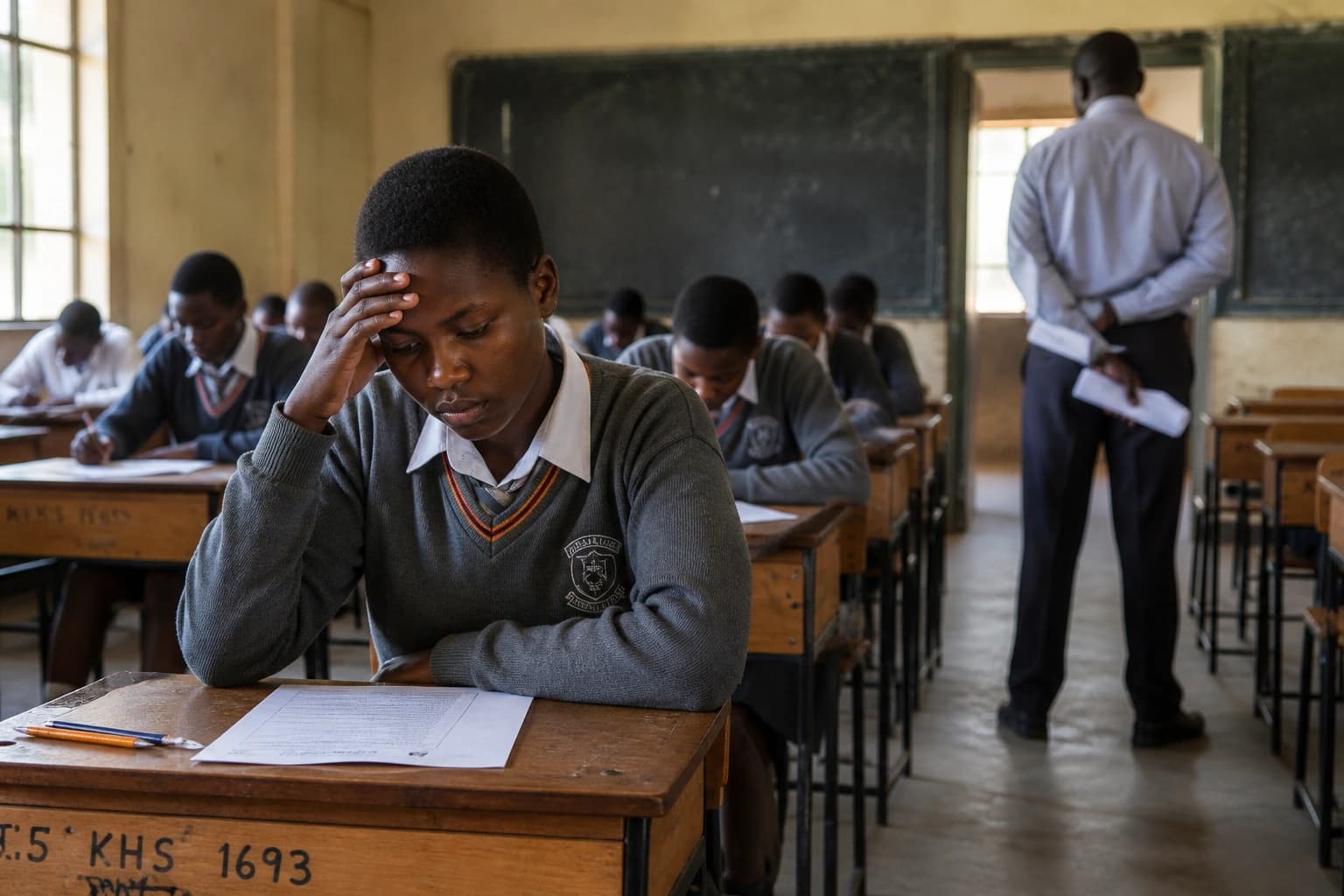
The integrity of School-Based Assessments (SBAs) is a responsibility that every Head of Institution (HOI) must take seriously. As Kenya implements Competency-Based Education (CBE), protecting the credibility of assessments is essential so that learners are evaluated fairly and guided towards pathways that match their abilities, interests and career aspirations.
I am concerned that some SBAs have been shared on social media and other online platforms before their official administration. I have come across groups where they have been posted, which raises serious questions about the security of assessment materials and the accountability of those entrusted with them.
SBAs contribute to learners' overall assessment outcomes, particularly at Grades 6, 9 and 12. Any leakage, unfair assistance or deliberate compromise of these assessments therefore threatens the credibility of the whole process.
Who is responsible for safeguarding SBAs?
The Kenya National Examinations Council (KNEC) entrusts Heads of Institutions with access to their schools' assessment portals. They are responsible for downloading, printing and administering the materials according to the prescribed guidelines. That responsibility carries an obligation to maintain confidentiality and prevent unauthorised access or distribution. KNEC's added security measures, including one-time passwords (OTPs) sent to the Head of Institution's registered phone, show how important it is to protect access.
Where confidential materials appear online before the official administration, a thorough investigation is needed to establish how they were accessed and distributed. The source cannot be established from a social media post alone, but the security arrangements should enable KNEC to identify possible breaches and hold those responsible accountable.
It is unacceptable for anyone entrusted with safeguarding assessment materials to become a source of leakage. Heads of Institutions and teachers with authorised access must uphold the highest standards of professional integrity.
The consequences go beyond results
Leaked assessments are not merely an examination management problem. They threaten the purpose of CBE, which is to nurture every learner's potential. Assessment information should show what learners know, what they can do and where they need support, and it should inform decisions about progression and career pathways.
When a learner receives unfair help to achieve a score that does not reflect their competence, the record gives a misleading picture of their abilities. Where such results influence pathway guidance or placement, the learner may be directed to a pathway that does not match their strengths. Consider a learner with inflated results who chooses a demanding pathway on a false impression of their abilities. That learner may struggle later, while another who worked honestly may lose a fair opportunity. This undermines equity and fairness.
CBE is also about values
CBE also emphasises values and responsible citizenship. Integrity, responsibility, respect and accountability should show in the daily conduct of everyone in education. Teachers are role models, and learners observe their actions as much as they hear their instructions. When learners see teachers compromising assessment integrity, they may conclude that dishonesty is an acceptable shortcut to success. We cannot nurture ethical citizens through dishonest assessment practices, so every teacher and school leader must treat the protection of assessment materials as part of their professional duty.
What KNEC and the government should do
To safeguard the credibility of SBAs, I propose the following measures:
- Enforce strict accountability. KNEC and the Ministry of Education should strengthen enforcement of existing assessment-security rules and set clear consequences for those found to have leaked materials.
- Introduce school-specific QR codes or digital watermarks. A unique identifier on each school's materials would help trace the origin of leaked copies. The identifiers should be linked to secure audit records and should not expose confidential information unnecessarily.
- Strengthen digital monitoring. KNEC should keep secure access logs showing when materials are accessed, downloaded or reprinted and, where feasible, use document-level tracking.
- Investigate leaks promptly and fairly. Suspected breaches should be investigated using verifiable digital evidence and established procedures, with accountability based on evidence and not assumptions.
- Train Heads of Institutions and teachers. Regular training should cover confidentiality, professional ethics, secure handling of digital materials and the consequences of sharing confidential documents.
- Strengthen reporting mechanisms. Teachers, parents and the public should have secure channels to report suspected leaks without fear of retaliation.
- Protect honest learners. Where a breach compromises the fairness or validity of an assessment, KNEC should have clear procedures for corrective action.
Protecting SBAs cannot be left to KNEC alone. Every Head of Institution and teacher who handles assessment materials has a duty to safeguard their integrity. The government must strengthen accountability, while KNEC should explore practical technology such as school-specific identifiers, digital watermarks and secure audit trails to trace leaked materials.
The purpose of assessment is not simply to produce marks. It is to generate credible evidence that supports learning, identifies strengths and informs educational progression. If we compromise the integrity of assessments, we risk compromising the future of our learners. Let us protect the integrity of SBAs, uphold professional ethics and ensure that CBE fulfils its promise.
Polycap Ateto is a CBE champion and holds a Master's degree in Education Leadership and Policy Studies



Reader Discussion (0)
Sign in to comment