The Kenya Private Sector Alliance (KEPSA) has called on Parliament to reject proposed amendments to the Kenya Information and Communications Act, warning that mandatory internet metering could increase connectivity costs, threaten digital jobs and expose consumers to privacy risks.
The alliance told the National Assembly Committee on Communication, Information and Innovation that the Kenya Information and Communications (Amendment) Bill, 2025, could disrupt the country's digital economy by introducing additional regulatory requirements for internet service providers.
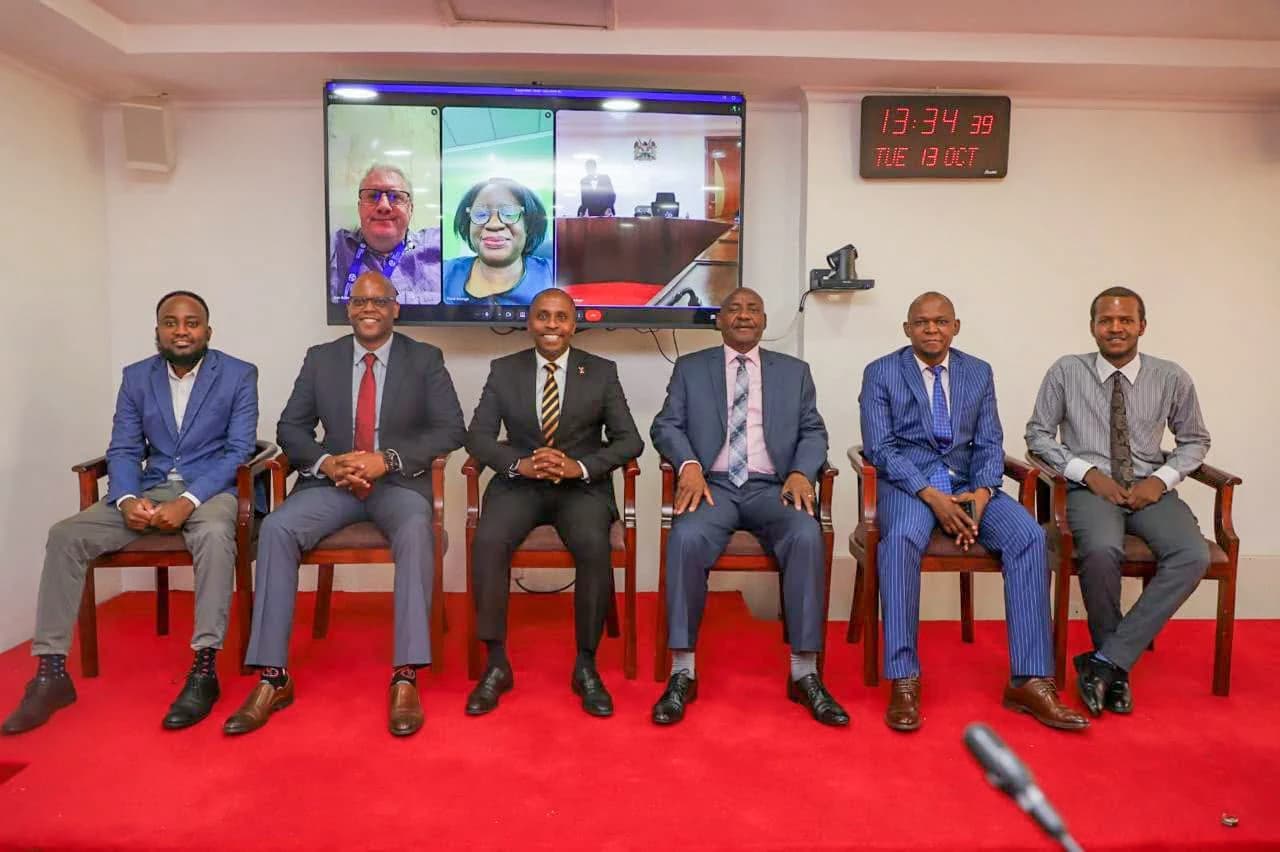
Appearing before the committee at Bunge Tower on Tuesday, KEPSA representatives Ben Roberts and Dr Fiona Asonga argued that the proposed changes could undermine affordable internet access and reverse gains made in expanding digital opportunities. The committee, chaired by Dagoretti South MP John Kiarie, was considering submissions on the Bill, National Assembly Bill No. 9 of 2025, alongside discussions on the Budapest Convention on Cybercrime.
Roberts questioned the need to introduce internet metering into law, arguing that the Communications Authority of Kenya already had sufficient powers to investigate complaints, consult industry players and develop appropriate regulations. He warned that mandatory metering could force internet service providers to invest in additional monitoring equipment and software, increasing operational expenses that could ultimately be passed on to consumers through higher internet charges, with smaller providers bearing a heavier burden.(Education News Kenya — https://educationnews.co.ke/news/kepsa-warns-internet-metering-bill-could-raise-costs-kill-digital-jobs)
He also raised concerns over the possible use of deep packet inspection technology to monitor data consumption, warning that its implementation could raise questions about surveillance and the protection of personal information. Roberts maintained that broadband services differed from conventional utilities, as providers offered packages suited to customers' budgets and varying needs, and that a centralised metering system could interfere with existing business models and limit flexibility for households, institutions and businesses.
Dr Asonga warned that the proposed legislation could particularly hurt young Kenyans who depend on internet connectivity to earn a living, telling MPs that online tutors, content creators, e-commerce traders, virtual assistants and other digital entrepreneurs relied on affordable broadband to access markets and sustain their businesses.
"The internet is not just a utility. It is their workplace. It is their shopfront," she said, urging lawmakers to protect livelihoods created through the digital economy. She cautioned that metered connectivity could make it more expensive for entrepreneurs who regularly upload and download large volumes of data, potentially discouraging online business activity at a time of limited formal employment opportunities, and called on the government to prioritise expanding affordable internet access to underserved areas such as Turkana instead.
The proposal faced scrutiny from committee members, who challenged KEPSA to provide evidence supporting its concerns over implementation costs. Committee vice-chairman and Bomachoge Chache MP Alfah Miruka, alongside Mbooni MP Erastus Kivasu Nzioka, sought a detailed cost-benefit analysis of the investment internet service providers would require to install and maintain the proposed metering systems, and questioned whether KEPSA had studied similar regulatory approaches in other countries.
KEPSA maintained that the amendments could create regulatory overlaps, undermine consumer rights and raise questions about public participation and compliance with Article 46 of the Constitution, which protects consumer rights. The alliance urged Parliament to reject the Bill in its entirety, arguing that the existing regulatory framework could be strengthened without introducing mandatory internet metering.
Beyond the proposed amendments, KEPSA supported international cooperation in combating cybercrime, misinformation and other emerging digital threats. Roberts said cross-border collaboration was increasingly necessary as cybercriminals exploited digital networks beyond national jurisdictions, citing the Budapest Convention on Cybercrime and the African Union's Malabo Convention on Cyber Security and Personal Data Protection as important frameworks.
Asonga called for a review and harmonisation of Kenya's cybersecurity laws, including the Computer Misuse and Cybercrimes Act, and urged Parliament to take an active role in shaping global artificial intelligence policy ahead of the Internet Governance Forum expected to be hosted in Nairobi in December. She argued that African countries needed a stronger voice in determining how AI technologies are developed and governed.
"There is a conversation around AI sovereignty that we need to have and drive for the African region. AI that doesn't have African content is not going to work for us," she said.
Committee chairman Kiarie said the legislators would consider the submissions as part of an inclusive legislative process, assuring stakeholders that their views would inform the committee's deliberations. The proposed amendments now face scrutiny over their potential implications for internet affordability, consumer privacy, regulatory oversight and employment in Kenya's growing digital economy.











Reader Discussion (0)
Sign in to comment