

Tanzanians have a tradition of taking stock of the achievements of the head of state, lauding them through public address or song in a show of patriotism rather than pulling them down for the sake of it. Educationists and thinkers take the lead, unlike in Kenya, where any attempt by leaders to bring positive change is often criticised reflexively.
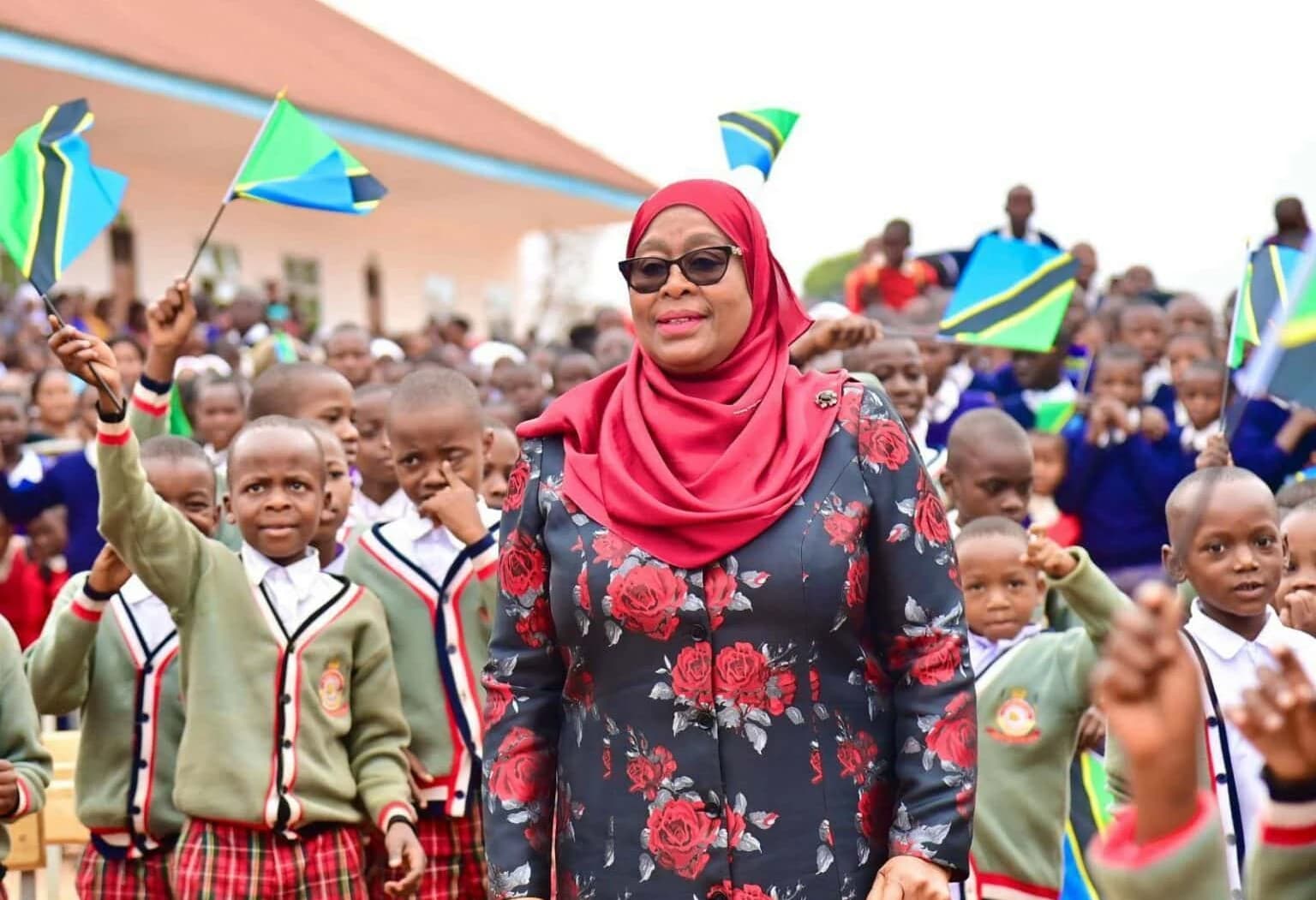
That difference in attitude is now visible in the classroom. In Tanzania, when President Samia Suluhu Hassan reversed the policy expelling pregnant girls from school in November 2021, educationists, university dons, headteachers and parents publicly supported it. They debated it, improved it and owned it, asking not which party brought the policy but whether their daughters would benefit.
In Kenya, the first question raised during education reforms tends to be political rather than child-centred. When the Competency Based Curriculum was introduced, when free day secondary education was expanded, and when new CBC classrooms were built, the national conversation was quickly overtaken by politics, with textbooks turned into campaign slogans and teachers left confused.
Tanzania's Investment in Numbers
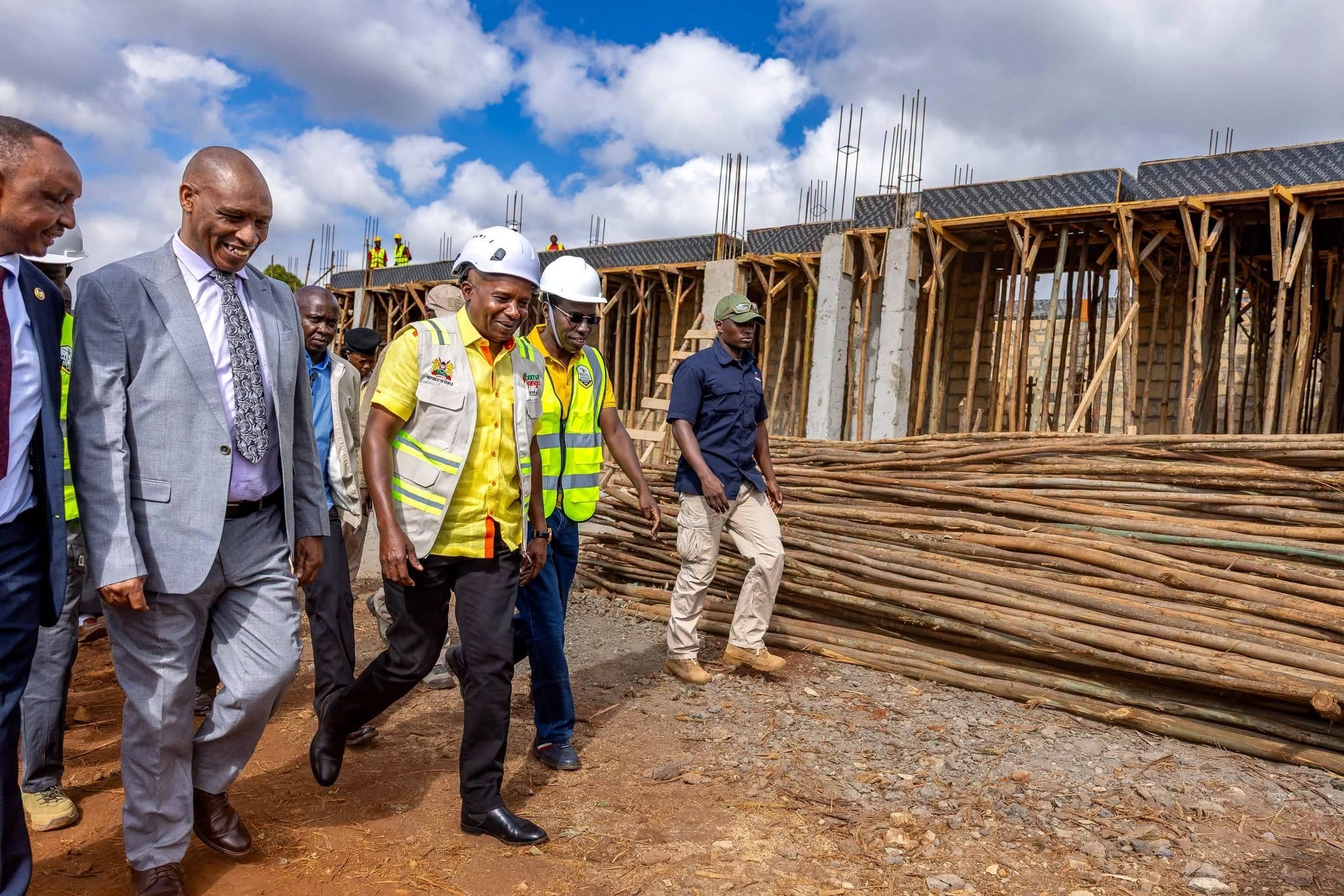
Tanzania has made deliberate investments in school infrastructure. Under the Secondary Education Quality Improvement Project (SEQUIP), the government has built 28 new special science boarding schools for girls across the country, complete with laboratories, ICT centres, dormitories and facilities for learners with special needs. The President's Office for Regional Administration and Local Government puts the investment at 108 billion Tanzanian Shillings, with about 4,800 girls already enrolled. Between 2021 and 2025, Tanzania built 2,441 new schools.
Tanzania also extended free education to Form Five and Form Six from the 2022/23 academic year, meaning a child from a poor family in Dodoma or Mtwara can now progress from Standard One to Form Six in a public school without paying fees. More than 22,800 girls who had dropped out, including teen mothers, have returned to school.
Kenya's Squandered Advantage
Kenya remains the region's pioneer in free education, having introduced free primary education in 2003 and free day secondary education in 2008, alongside better-trained teachers, stronger universities and students who perform well internationally. However, these advantages are often undercut by political noise, with reforms dragged into rallies, teachers criticised, and previous governments' programmes threatened with being scrapped, while the child in the classroom remains without a political party.
Beyond Education: The Buffalo Debate
The pattern extends beyond education. While addressing the Agriculture and Food Systems Transformation Summit at the Jamhuri ASK Showground on October 8, President William Ruto raised the possibility of domesticating water buffaloes to boost milk production, noting that countries such as India and Pakistan produce more milk from buffaloes than from cows.
The Murrah water buffalo, he said, produces milk with 7 to 8 percent butterfat, double that of a cow, ideal for cheese, butter, ghee and yoghurt, and could help address Kenya's milk shortage, with deliveries having dropped from 84.4 million litres in June to 81.3 million in July.
Livestock Principal Secretary Jonathan Mueke later clarified that the proposal involved importing domesticated river buffaloes, the same breed used in India, rather than relying on wild buffaloes. Despite this clarification, the idea was widely mocked on social media, with memes depicting Kenyans milking wild Cape buffaloes. The Kenya Wildlife Service issued a light-hearted warning on October 12, cautioning Kenyans against entering Aberdare National Park with milking jelly to try milking wild animals.
A Call for Reasoned Debate
In Tanzania, ideas raised by leaders are interrogated and refined by thinkers. In Kenya, the tendency is to interrogate the person rather than the idea, often dismissing proposals before they can be examined on merit. Education and agriculture, the writer argues, should not be treated as political battlegrounds, and Kenyans would benefit from allowing educationists, scientists and innovators to lead such conversations rather than politicians and critics focused on personalities.
Reader Discussion (0)
Sign in to comment