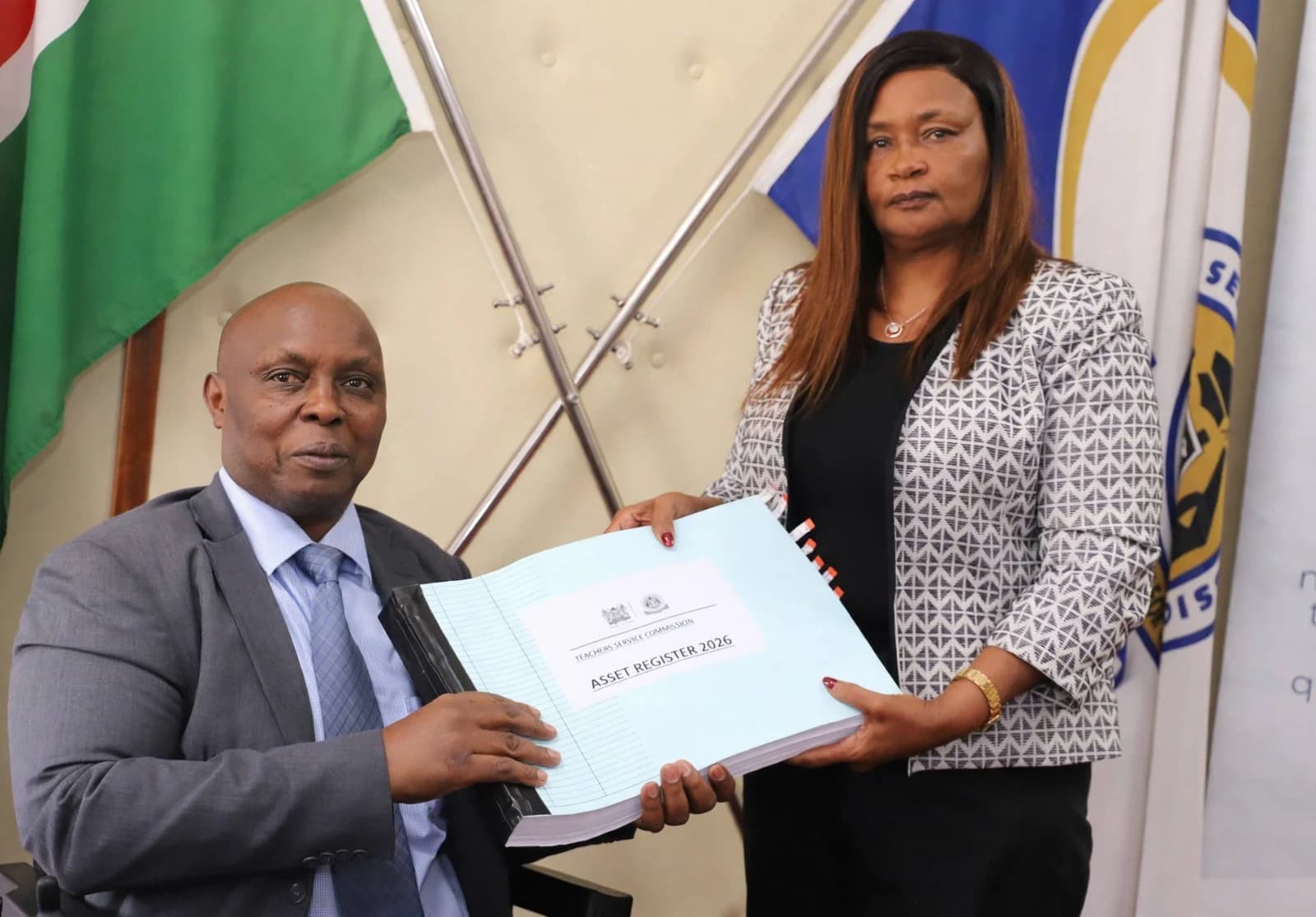









Some teachers have allegedly obtained disability certification fraudulently to access benefits reserved for eligible persons with disabilities, according to sources interviewed by Education News.
The sources claimed that some officers approaching retirement were exploiting registration procedures to remain in employment beyond the standard retirement age or obtain income tax exemptions.
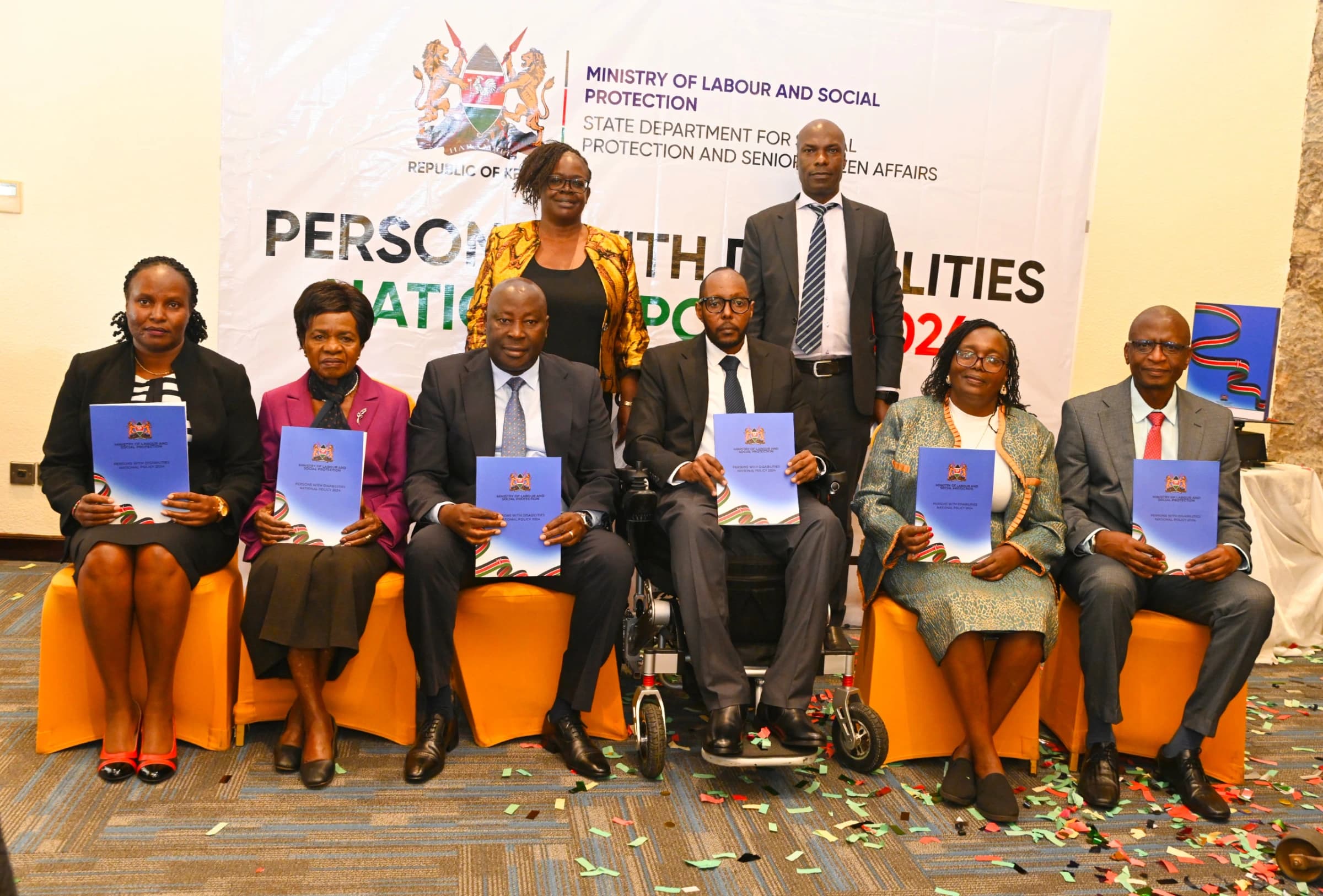
However, an official of the National Council for Persons with Disabilities (NCPWD), identified in the reporter’s notes as Leonard Juma, dismissed the allegations as unfounded, saying assessment and verification involved qualified professionals.
The claims concern two distinct processes: registration with NCPWD and approval for income tax exemption by the Kenya Revenue Authority (KRA). Holding an NCPWD certificate does not automatically establish entitlement to tax exemption.
Claims over certification
Kakamega County disability caucus vice-chairman Habil Ouma alleged that some public officers, including teachers and lecturers, held questionable disability certificates.
He questioned the safeguards used to assess applicants and claimed that changes to registration requirements had weakened community verification.
Ouma also questioned why some certificate holders were not known within disability organisations or networks.
However, membership of a disability organisation is not, by itself, proof of disability, and non-membership does not establish that a certificate was obtained fraudulently.
Responding to questions about assessment, Juma said medical practitioners in designated public hospitals examined applicants and prepared disability assessment reports.
He explained that applicants completed registration online by attaching the required medical documents.
Juma said the council could cancel registration found to have been based on a fraudulent medical report following a complaint and verification.
KRA’s published guidance requires applicants for income tax exemption to submit supporting documents, including disability assessment and specialist medical reports, proof of income and NCPWD certification.
Retirement and tax benefits
The Persons with Disabilities Act, 2025 provides that the retirement age for persons with disabilities shall be five years above the mandatory retirement age set by the government.
For public officers ordinarily retiring at 60, this generally means retirement at 65, subject to applicable employment requirements.
The Act also addresses workplace accommodation, access to healthcare and tax relief. Income tax exemption is subject to application and approval rather than being granted automatically upon disability registration.
KRA’s published guidance provides for exemption on the first Sh150,000 of qualifying monthly income, or Sh1.8 million annually.
Ouma claimed that some officers obtained NCPWD certification close to retirement but subsequently failed to secure approval for tax exemption.
However, rejection of an exemption application does not, on its own, establish that an applicant’s disability registration is fraudulent. The reasons for individual decisions would need to be examined.
An unnamed KUPPET official alleged that some officers sought to remain in employment through disability-related retirement provisions.
The official further claimed that prolonged occupancy of senior positions could reduce promotion opportunities for deputy principals.
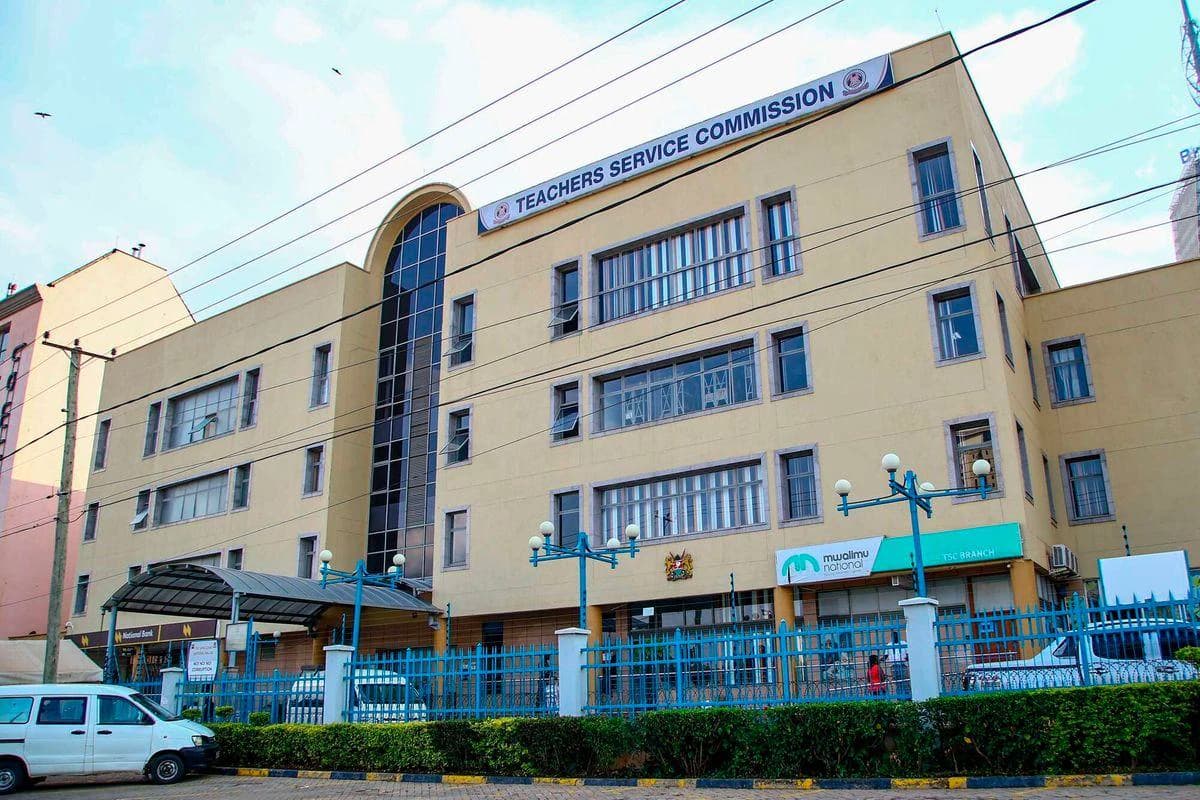
These allegations require a response from TSC and evidence distinguishing disability-related retirement arrangements from separate post-retirement contracts.
Disability representation remains low
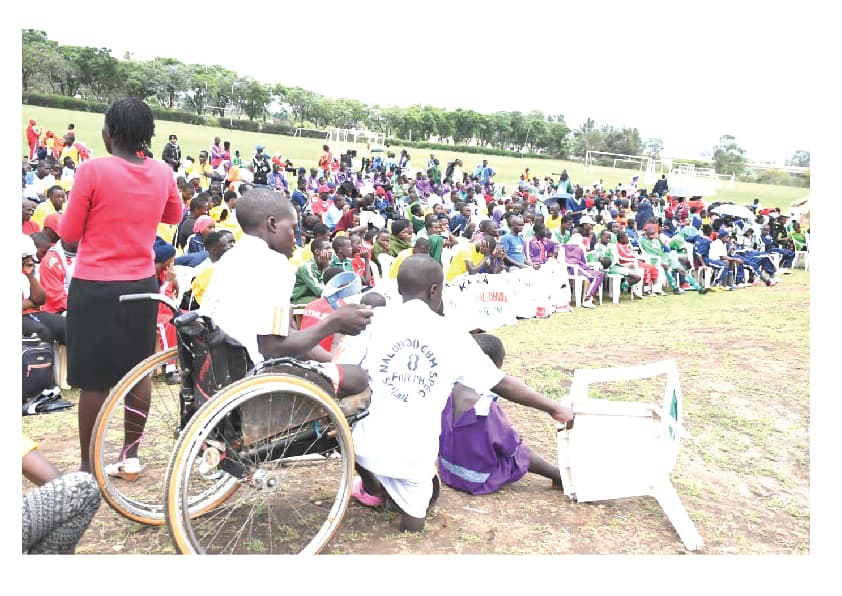
Separately, an audit by the National Gender and Equality Commission (NGEC), using TSC data, found that teachers with disabilities remained underrepresented in the public teaching workforce.
The audit covered 425,613 TSC-employed teachers as at June 2025, of whom 7,219, or approximately 1.7 per cent, were recorded as persons with disabilities.
The findings highlight the need to protect access to employment and support for eligible officers while ensuring that certification procedures are credible.
A lecturer at Masinde Muliro University of Science and Technology (MMUST), who requested anonymity, also questioned the disability certification of some colleagues.
However, observations that an individual uses reading glasses, walks without assistance or appears not to have a disability cannot establish fraud. Some disabilities are non-visible, and support needs differ between individuals.
Any investigation into suspected abuse would therefore require medical and administrative evidence, alongside responses from the institutions and individuals concerned.

Reader Discussion (0)
Sign in to comment