
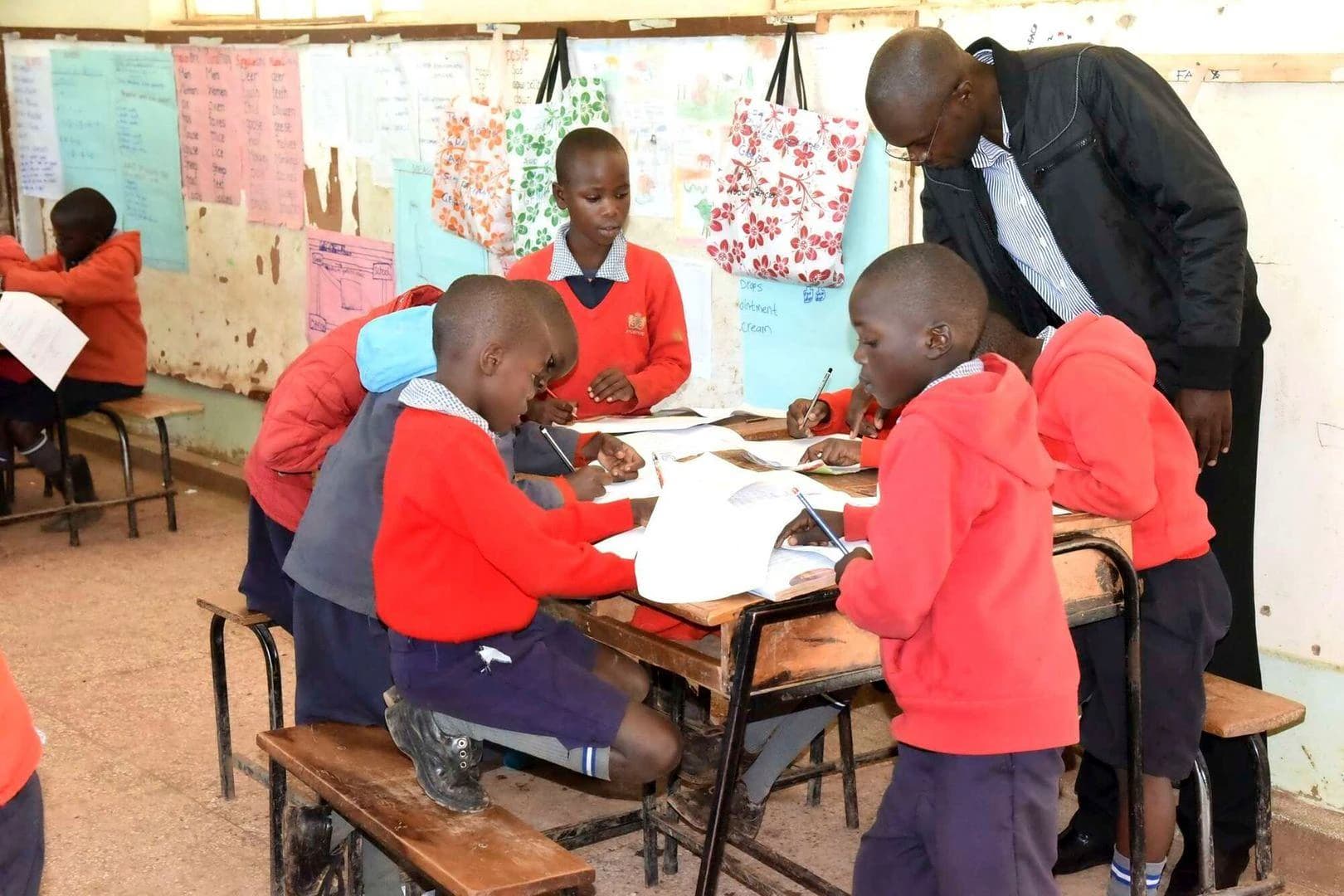
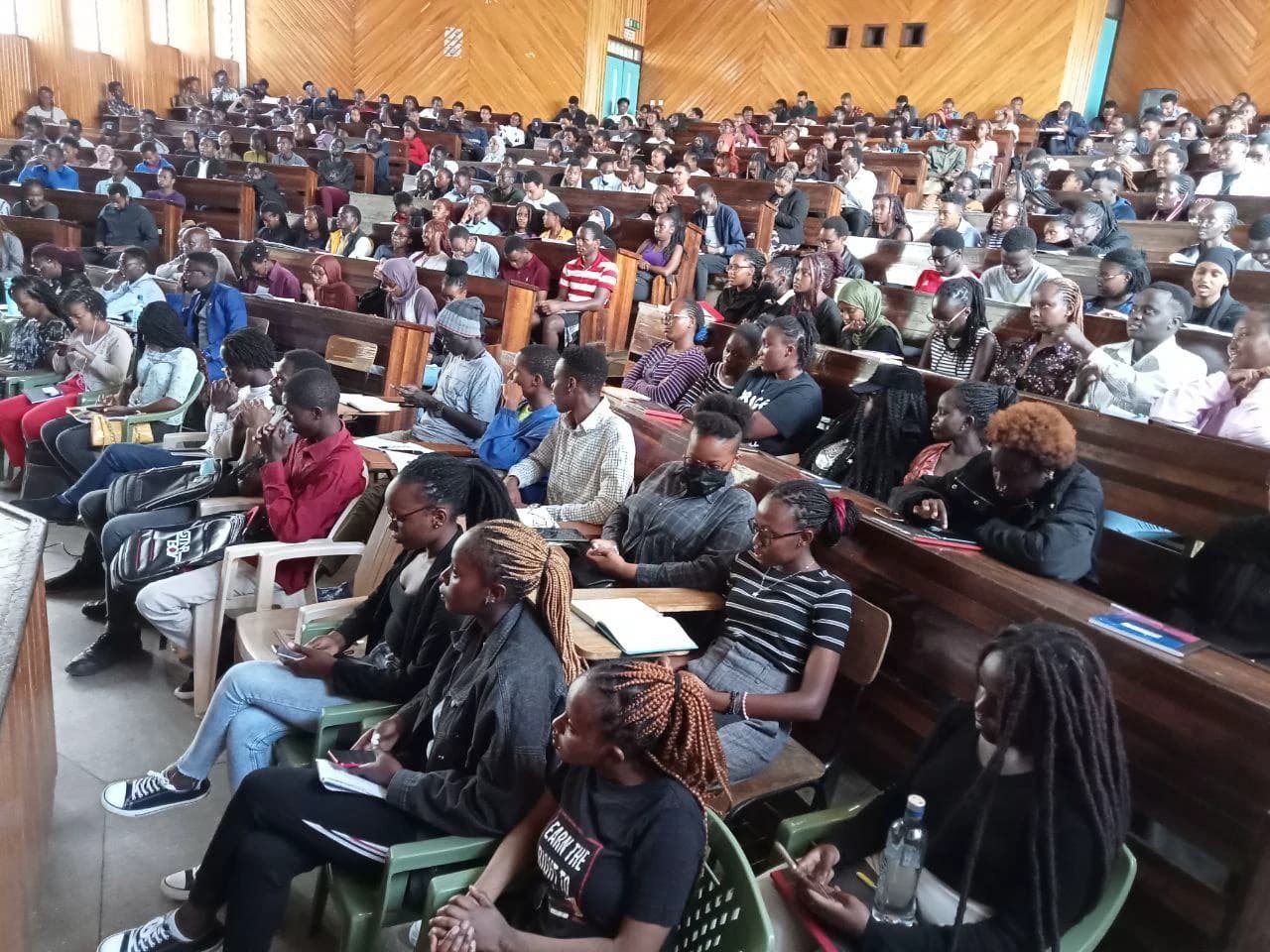


A learner’s ability to sit a national examination should not depend on the financial circumstances of their parents. When examination registration fees become a barrier, the education system risks turning an assessment of academic achievement into a test of household income.
Across Africa and beyond, governments have adopted different approaches to financing national examinations. Some have abolished fees for eligible learners and taken responsibility for paying examination bodies through public funds. Others retain charges but provide exemptions or subsidies for selected candidates.
Kenya’s experience demonstrates the financial significance of this policy. By April 2022, the government had reported spending KSh27.7 billion on Kenya Certificate of Primary Education (KCPE) and Kenya Certificate of Secondary Education (KCSE) examination fees since 2016. Of this amount, KSh5.5 billion went towards KCPE and KSh22 billion towards KCSE.
The expenditure represents money that eligible families would otherwise have been required to raise for examination registration. However, the KSh27.7 billion figure is the cumulative government expenditure reported up to April 2022, not a verified calculation of total household savings through 2026.
The policy raises a fundamental question: should a learner who has completed the required coursework be denied the opportunity to sit a national examination simply because their family cannot afford the registration fee?
The central argument for public funding is that national examinations are part of the education system, not merely a private service purchased by individual families. Where examinations determine progression to the next level of learning, access to them should be protected as a matter of educational equity.
Examination fee reforms in Zambia, Kenya and Malawi
Zambia offers a prominent African example of a government taking responsibility for examination costs.
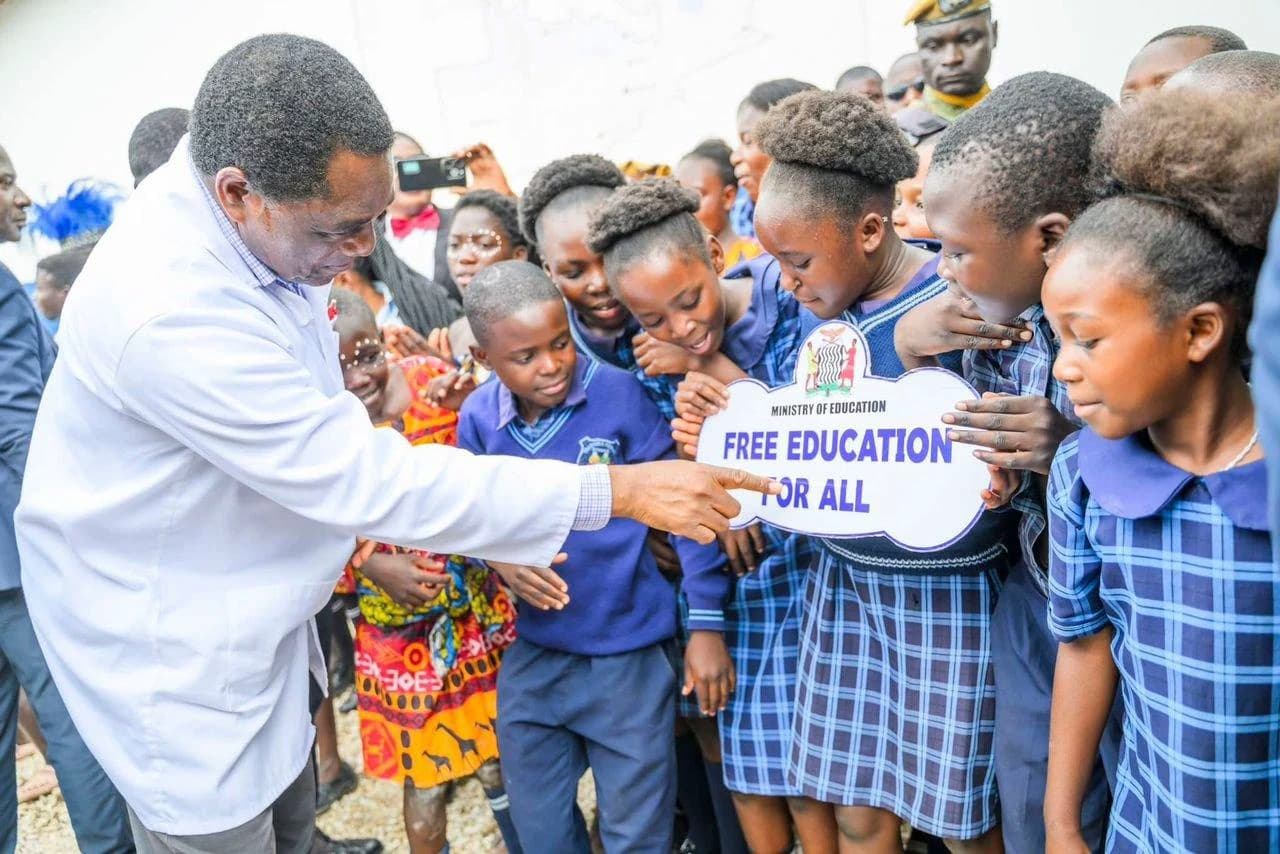
President Hakainde Hichilema’s New Dawn Government introduced its expanded free education policy in 2022, removing examination fees for eligible learners in public and grant-aided schools. The government committed to financing the costs through public funding arrangements supporting schools and the Examinations Council of Zambia.
The policy did not cover every candidate. Learners in private schools and some external examination candidates continued to pay prescribed fees, making eligibility an important distinction.
The policy’s underlying principle was that the cost of education should not prevent children from completing their studies or demonstrating what they have learned. By shifting examination costs from eligible families to the state, the government sought to reduce financial barriers and widen access to education.
The reform also recognised that abolishing fees without replacing the lost revenue could weaken schools and examination administration. Public financing was therefore intended to support both learners and the institutions responsible for delivering education and assessments.
Kenya’s examination-fee waiver developed under the administration of President Uhuru Kenyatta, building on government funding arrangements introduced for national examinations in public schools and subsequently extended to candidates in private schools.
The policy was intended to ease the financial burden on parents and ensure that eligible learners could sit national examinations without having to raise registration fees themselves.
The financial impact was substantial. By April 2022, the government had reported spending KSh27.7 billion on KCPE and KCSE examination fees since 2016. The expenditure comprised KSh5.5 billion for KCPE and KSh22 billion for KCSE.
For ordinary households, the significance was practical. Parents who might otherwise have needed to find money for examination registration could direct those resources towards food, transport, uniforms, learning materials and other household needs.
The waiver also sought to prevent schools from sending learners home or denying them examination registration because of unpaid fees covered by the government.
However, the reported KSh27.7 billion should not be presented as the total amount saved by every Kenyan household or as the cumulative figure through 2026. It is the government expenditure reported up to April 2022. A more recent consolidated figure showing the total savings to households over the entire period would be needed to establish the current cumulative impact.
The policy also does not mean every examination candidate is exempt from payment. Repeating candidates, non-citizens and certain private or external candidates may be subject to different fee arrangements.
Malawi expanded its free secondary education arrangements in January 2026 by abolishing examination-related fees charged by the Malawi National Examinations Board in public schools. The reform also covered specified school charges, while boarding fees remained payable.
The policy forms part of a wider effort to increase access to secondary education, reduce financial pressure on households, promote equal opportunities and invest in human capital.
Its significance lies in recognising that removing tuition fees alone may not be enough. Families can still face examination charges and other school expenses that make continued participation difficult.
Malawi’s approach places examination costs within a broader discussion about the affordability of secondary education. Its long-term impact will depend on whether government funding keeps pace with enrolment, staffing, learning materials and infrastructure needs.
Why removing examination fees matters
The reforms in Zambia, Kenya and Malawi differ in scope and implementation, but they reflect a shared policy argument: governments have a responsibility to reduce financial barriers that can prevent learners from accessing essential stages of public education.
The argument behind removing examination fees rests on several considerations.
Equal opportunity: Learners should have a fair chance to demonstrate their academic ability regardless of their family income.
Continuity of education: National examinations often determine whether learners proceed to the next level of schooling, technical training or other opportunities. Financial obstacles at this point can disrupt that progression.
Protection of vulnerable households: Examination charges add to the costs of uniforms, transport, meals, learning materials and other school requirements. Removing them can ease pressure on families.
Public responsibility: Where examinations are integral to the national education system, governments can treat their cost as part of public education expenditure rather than leaving individual households to shoulder the entire burden.
Human capital development: Wider access to education and assessment can help more learners complete their studies and qualify for further training and employment.
These are the policy objectives behind fee removal. Whether a reform achieves them fully must be assessed through evidence on access, participation, completion, educational outcomes and the adequacy of public funding.
Experiences outside Africa demonstrate that governments do not all follow the same approach to examination fees. Some incorporate costs into publicly funded education, while others charge fees but provide exemptions or distinguish between enrolled students and private candidates.
In England, schools and colleges generally arrange examination entries for their enrolled learners. Private candidates, however, may be required to pay examination and administration fees themselves.
Ireland illustrates a different arrangement. For the 2026 state examinations, entry fees were set at €116 for a school-based Leaving Certificate candidate and €109 for a Junior Cycle candidate. Qualifying candidates covered by a full medical card were exempt.
Germany provides another contrast because public education and state-regulated school-leaving examinations are generally integrated into the publicly funded school system. However, arrangements differ across Germany’s federal states, so it would be misleading to assume that every examination and candidate category follows identical rules.
These examples demonstrate that a publicly funded education system does not automatically mean every examination is free for every person. The relevant questions are who pays, which learners qualify for support and whether fees create a barrier to participation.
Reports from different countries have drawn attention to disputes involving unpaid education charges, examination access and the release of results. Such cases demonstrate how financial difficulties can interfere with the education process, but the consequences must be described accurately.
A candidate prevented from sitting an examination is not necessarily a permanent school dropout. Similarly, a candidate whose results are withheld has not necessarily abandoned education permanently.
These outcomes should not be conflated. Individual reports can establish that financial disputes have affected particular learners, but they do not automatically show how many children permanently leave school specifically because they cannot pay examination fees.
Governments and examination authorities should collect data on candidates who fail to register because of cost, those who miss examinations after registration and those who subsequently return to sit the assessments. Such evidence would help establish the extent of the problem and identify the most effective interventions.
The policy case for fee removal does not depend on exaggerating the number of affected learners. It rests on preventing a foreseeable financial barrier from denying eligible candidates access to a crucial stage of education.
The cost of free examinations and lessons for Kenya
The KSh27.7 billion reported by the government by April 2022 provides a clear indication of the scale of public investment in examination access. It represents expenditure that the government assumed responsibility for instead of requiring eligible candidates to pay the corresponding KCPE and KCSE registration fees.
For an individual family, the saving depends on the examination and the applicable fee structure. In the 2025 KCSE fee schedule, the registration charge for certain private, repeating and non-citizen candidates was KSh7,200. That figure illustrates the potential cost to a candidate in a category required to pay, but it should not be treated as the amount every household saved under the waiver.
The direct benefit to families is the examination fee they no longer have to raise. The wider social benefit is the reduction of a financial barrier at a stage when the examination result can influence a learner’s educational progression.
However, the waiver does not cover all the costs of education. Families must still meet other expenses, including transport, meals, uniforms, stationery and, in some cases, accommodation.
It is also important to distinguish public expenditure from household savings. The government’s spending figure shows what the state paid towards examinations. To calculate the precise amount saved by individual families, authorities would need to identify the number of eligible candidates, the fees applicable to each examination and the costs that would otherwise have been borne by parents.
A consolidated report covering the years since 2022 would help establish how much more the government has spent and provide a clearer estimate of the cumulative benefit to Kenyan households.
A government cannot sustainably abolish examination fees simply by instructing examination bodies to stop collecting money. The costs of preparing papers, registering candidates, securing examination materials, deploying personnel, marking scripts and processing results remain.
When parents no longer pay, the state must provide an alternative source of funding. This may involve direct payments to examination councils, grants to schools or a combination of financing arrangements.
Zambia’s policy recognised this responsibility by providing for public funding to replace abolished examination fees. Kenya’s system similarly relies on transfers from the National Treasury through the Ministry of Education to support the administration of national examinations.
However, the policy has faced significant budgetary pressure.
In April 2026, Education Cabinet Secretary Julius Ogamba told Parliament that the approved recurrent budget for the Kenya National Examinations Council in the 2025/26 financial year was KSh5.9 billion for national assessments, against a stated requirement of KSh12.723 billion. The allocation covered KCSE, KPSEA and KJSEA assessments, while the stated requirement also included school-based assessments.
The gap illustrates the financial challenge facing the examination system. Removing fees protects families from direct charges, but inadequate government funding can leave examination bodies struggling to pay for essential services and personnel.
In 2025, proposals to reconsider the full examination-fee waiver also triggered public concern. The government subsequently assured candidates that examination costs would be covered for that year. The debate exposed the tension between protecting households and managing competing demands on the education budget.
A sustainable policy must therefore combine fee removal with realistic budgeting, transparent allocations, timely disbursement and public reporting on how the money is used. The state must ensure that the relief provided to parents does not come at the expense of examination quality, timely marking or the integrity of national assessments.
Removing examination fees is an important intervention, but it cannot resolve every financial obstacle facing learners.
Families may still struggle to pay for transport, meals, uniforms, accommodation, stationery and other essential requirements. A learner can be registered for a national examination and still experience difficulties attending school consistently because of these costs.
Governments should therefore view examination-fee removal as one component of a wider strategy to improve access, retention and completion.
Where full public financing is not immediately affordable, targeted exemptions, subsidies for vulnerable households and phased expansion of support may help. Such measures should be clearly communicated so that eligible learners are not excluded by confusion over payment requirements.
Kenya’s experience and the examples from other countries raise important questions about the consistency and adequacy of examination funding.
The guiding principle should be that a learner who has met the academic and administrative requirements should not miss a national examination solely because of an inability to pay a registration fee.
Achieving this requires clear rules identifying which examinations are covered, which candidates qualify and how private or external candidates are treated. It also requires timely government disbursements and reliable records of registered candidates.
The government and examination authorities should publish information on the number of candidates supported, the total cost of examination funding and the extent to which financial barriers prevent registration or participation. They should also provide updated cumulative expenditure figures so that the public can understand the financial scale of the policy and its impact on households.
Kenya can draw lessons from Zambia’s financing of examination costs for eligible candidates, Malawi’s integration of examination charges into free secondary education and its own history of examination-fee waivers. The objective should not be to copy another country’s model without adjustment, but to ensure that the financing system is equitable, transparent and sustainable.
The decisions associated with President Hakainde Hichilema in Zambia, President Uhuru Kenyatta in Kenya and the government of Peter Mutharika in Malawi demonstrate different efforts to reduce the financial burden of national examinations.
Their policies differ in scope, eligibility and implementation, but they bring the same issue into focus: who should bear the cost of an assessment that can determine a learner’s educational future?
Kenya’s reported KSh27.7 billion expenditure on KCPE and KCSE examination fees by April 2022 shows that examination-fee funding is a major public investment. For eligible families, the waiver has removed a direct cost and allowed them to redirect limited resources towards other household and educational needs.
Yet the policy’s success cannot be measured by money spent alone. It must also be assessed by whether eligible learners can register and sit examinations, whether examination bodies receive sufficient funding and whether the system remains fair and credible.
Ultimately, national examinations should measure what learners know and can do, not the financial circumstances of their parents. A fair system gives eligible learners a genuine opportunity to be assessed while ensuring that public funding can sustain credible examinations for all.
Reader Discussion (0)
Sign in to comment