
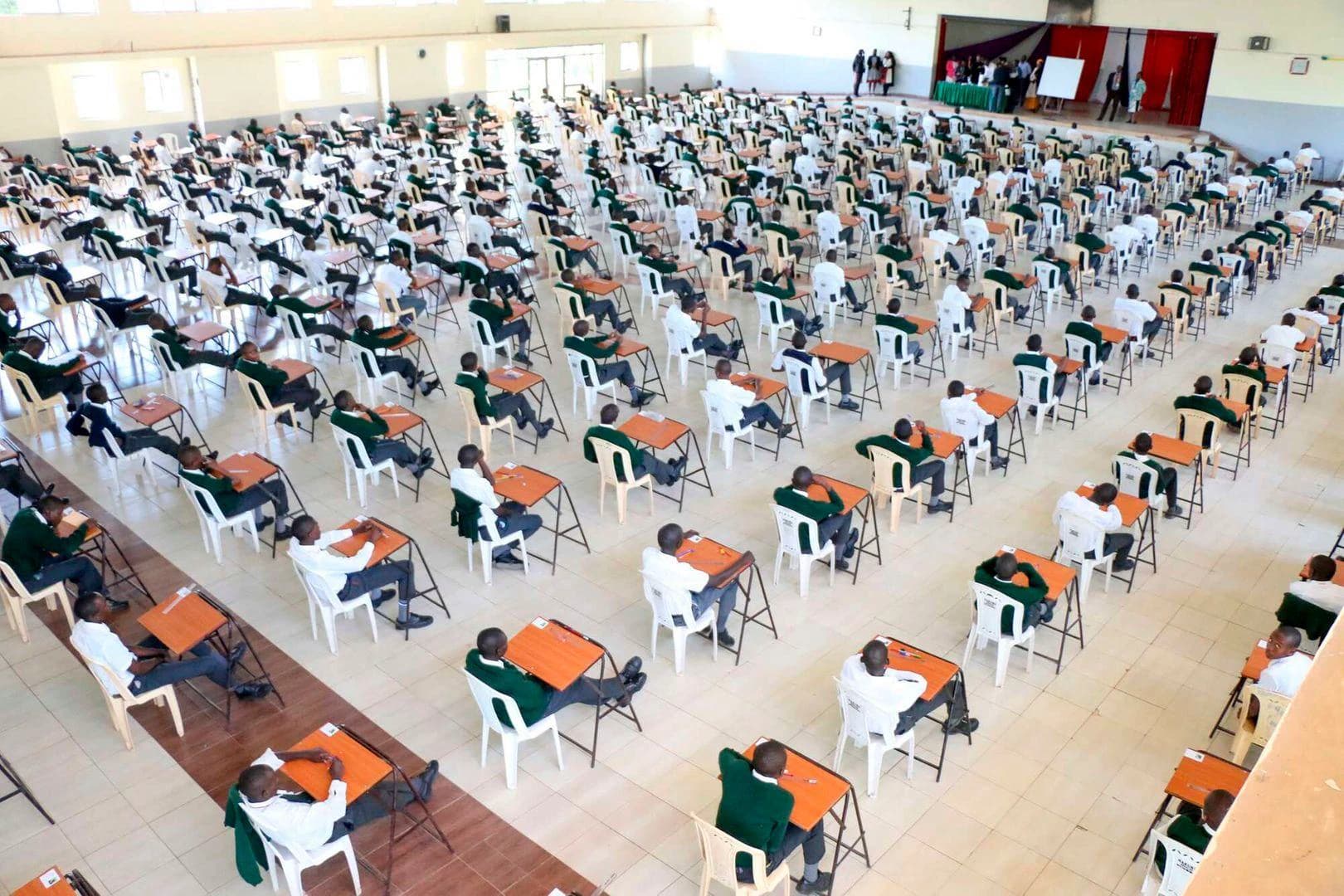
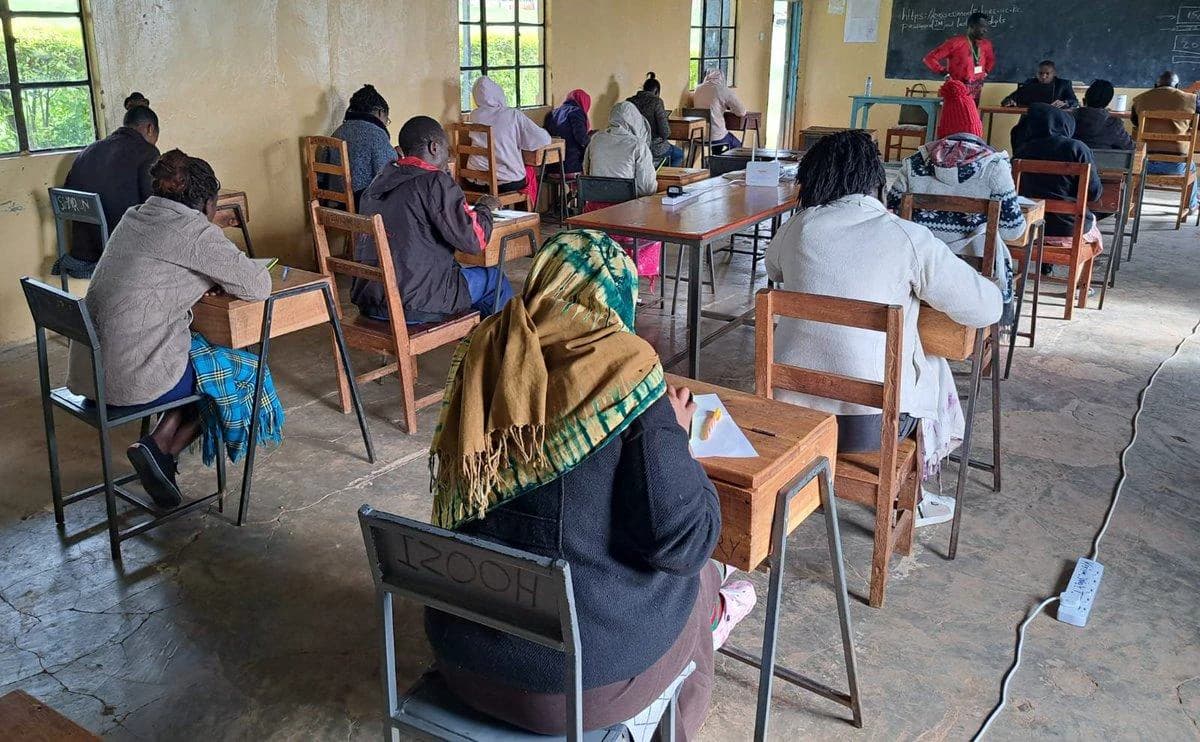
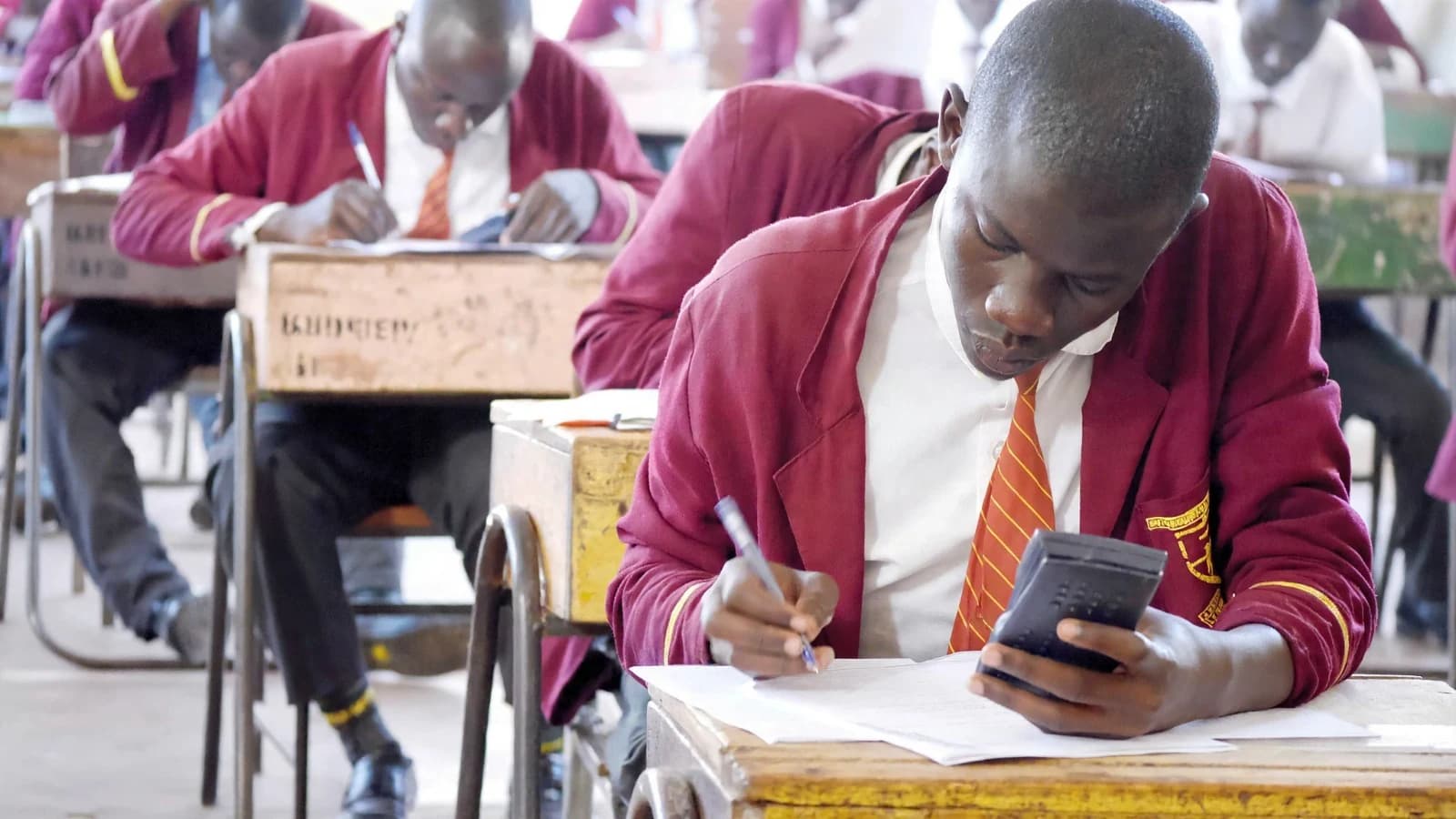
The financial strain comes at a critical time when more than 3.6 million learners are sitting national examinations and assessments under the Competency-Based Education (CBE) system, increasing pressure on the Council to deliver secure and efficient examinations.
The funding gap comprises an estimated Sh4.82 billion shortfall in the Council's budgetary requirements and approximately Sh2.38 billion in outstanding payments carried forward from the previous financial year.
Documents presented to the National Assembly Education Committee in May by then Basic Education Principal Secretary Julius Bitok showed that KNEC required Sh14.72 billion to administer national examinations and assessments, against an estimated annual expenditure of Sh9.9 billion.
The requirements covered Sh9.496 billion for the Kenya Certificate of Secondary Education (KCSE), Sh3.92 billion for the Kenya Junior School Education Assessment (KJSEA), Sh1.16 billion for the Kenya Primary School Education Assessment (KPSEA) and Sh144.69 million for stage-based and school-based assessments.
Rising examination costs
The growing number of candidates has significantly increased the cost of examination administration, including printing, transportation, security, recruitment of invigilators and supervisors, and payment of examiners.
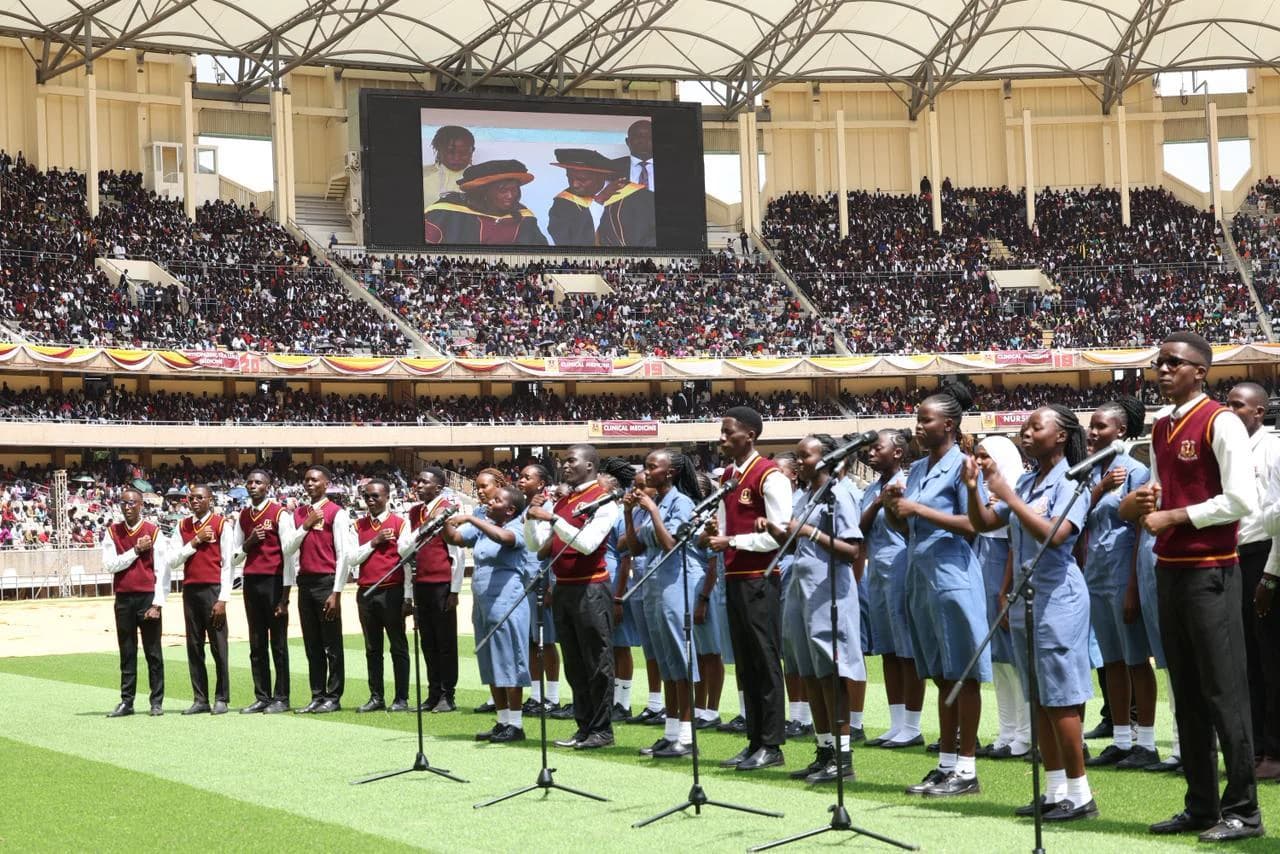
This year's KCSE examination has registered 1,048,355 candidates across more than 10,600 centres, crossing the one-million mark for the first time.
Education stakeholders have urged the National Treasury to urgently release additional funds, warning that continued financial constraints could affect the delivery of examination services and payment of contracted personnel.
Kenya Union of Post-Primary Education Teachers (KUPPET) Chairman Omboko Milemba said the government should prioritise financing the Council to ensure teachers and other examination officials are paid for their services.
KUPPET Secretary-General Akelo Misori also questioned how KNEC could manage its expanding responsibilities with inadequate financial allocations.
National Parents Association Chairman Silas Obuhatsa warned against shifting examination costs to parents, arguing that financing national examinations remains the government's responsibility.
Government seeks additional funding
The financial challenge is further complicated by logistical difficulties arising from heavy rains, flooding and insecurity in some examination areas.
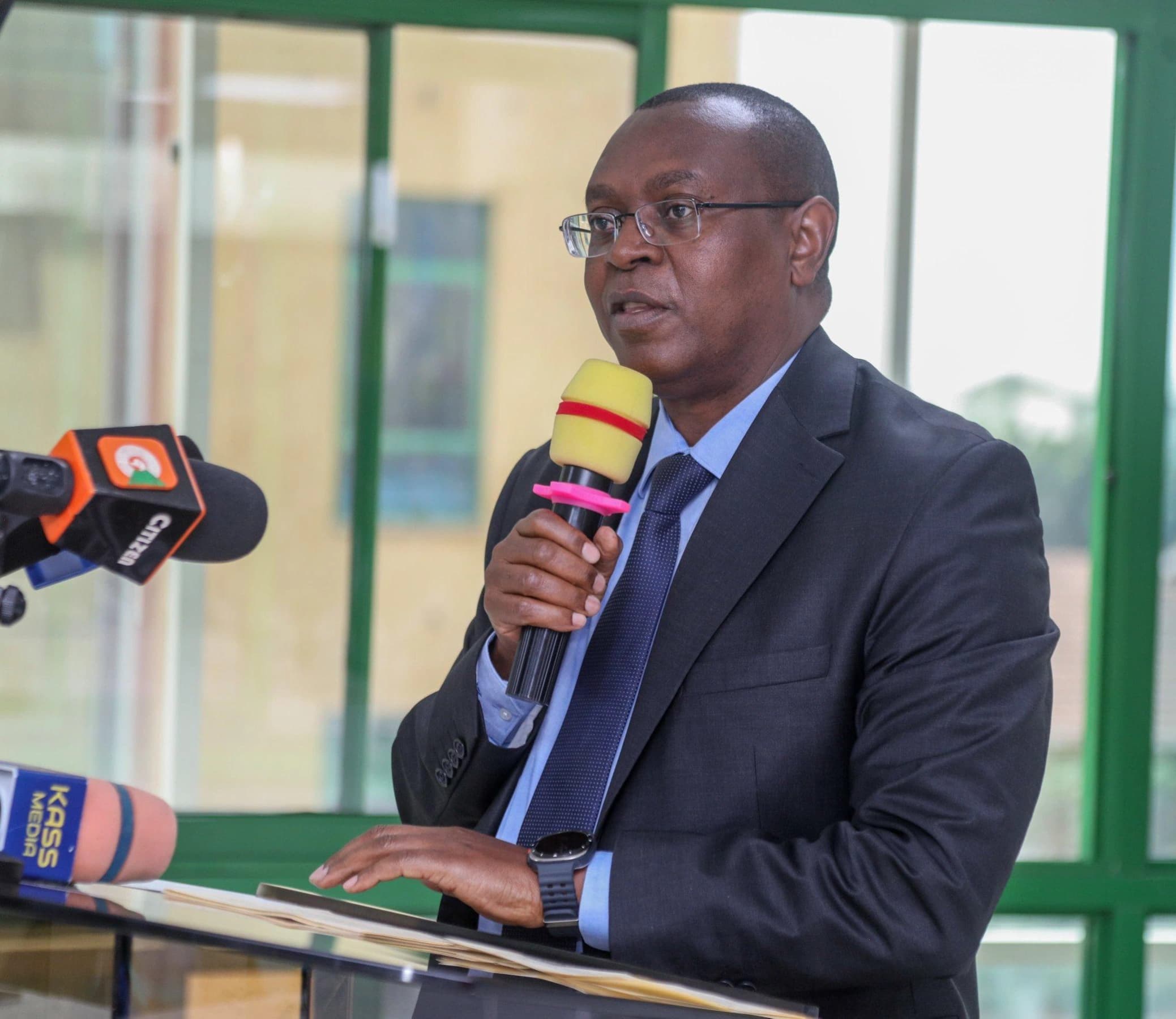
Education Cabinet Secretary Julius Ogamba said the Ministry had approached the National Treasury for additional funding through the supplementary budget to address the deficit.
He attributed the situation to inadequate allocations from the Exchequer, saying the Ministry had not received sufficient resources to meet KNEC's requirements.
Meanwhile, the Council has continued strengthening examination security through digital smart padlocks, surveillance systems and decentralised storage facilities, with more than 653 examination storage centres established nationally.
The funding concerns have renewed questions about the sustainability of financing national examinations as candidature increases under the Competency-Based Education system.
Reader Discussion (0)
Sign in to comment