

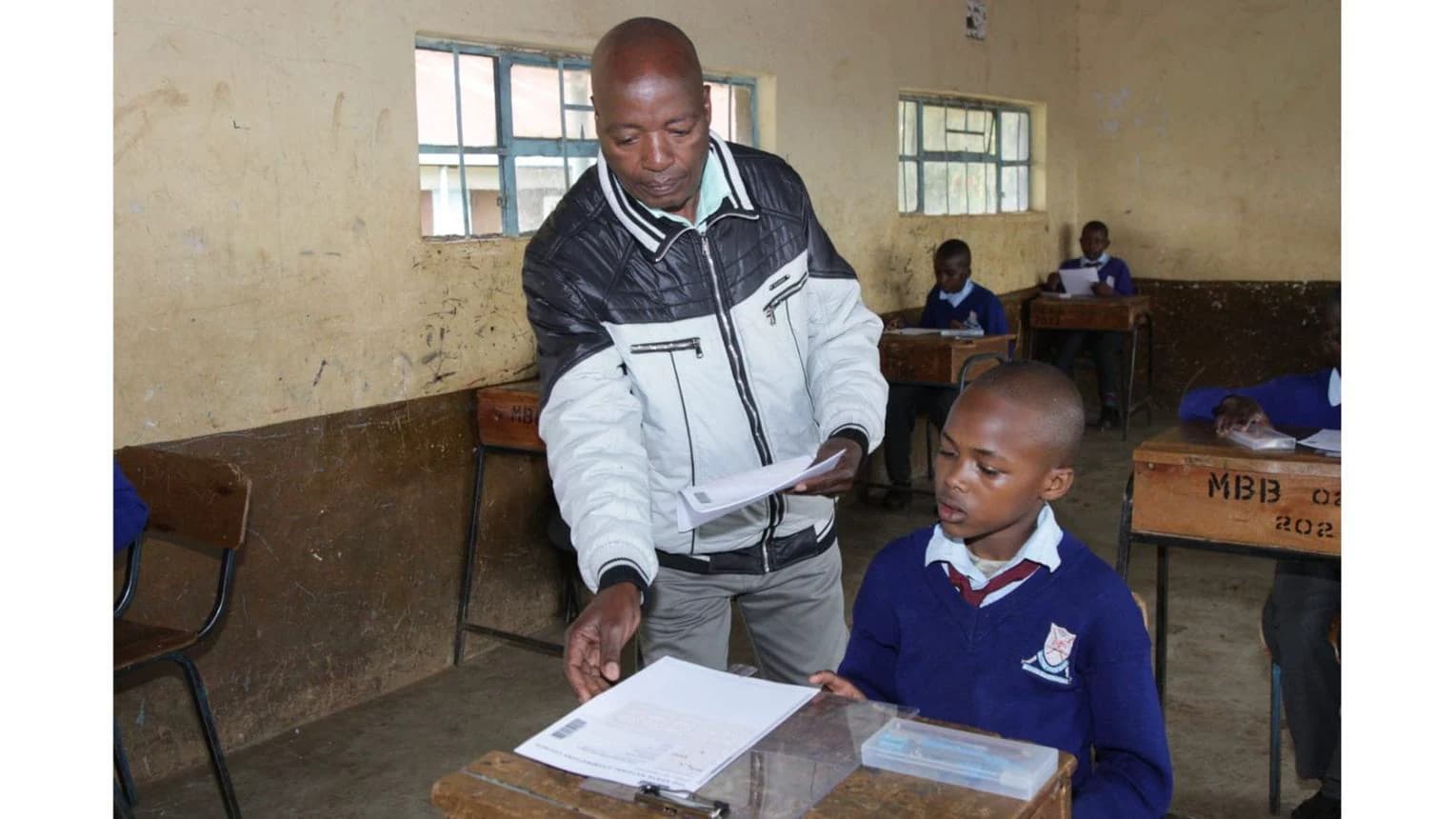



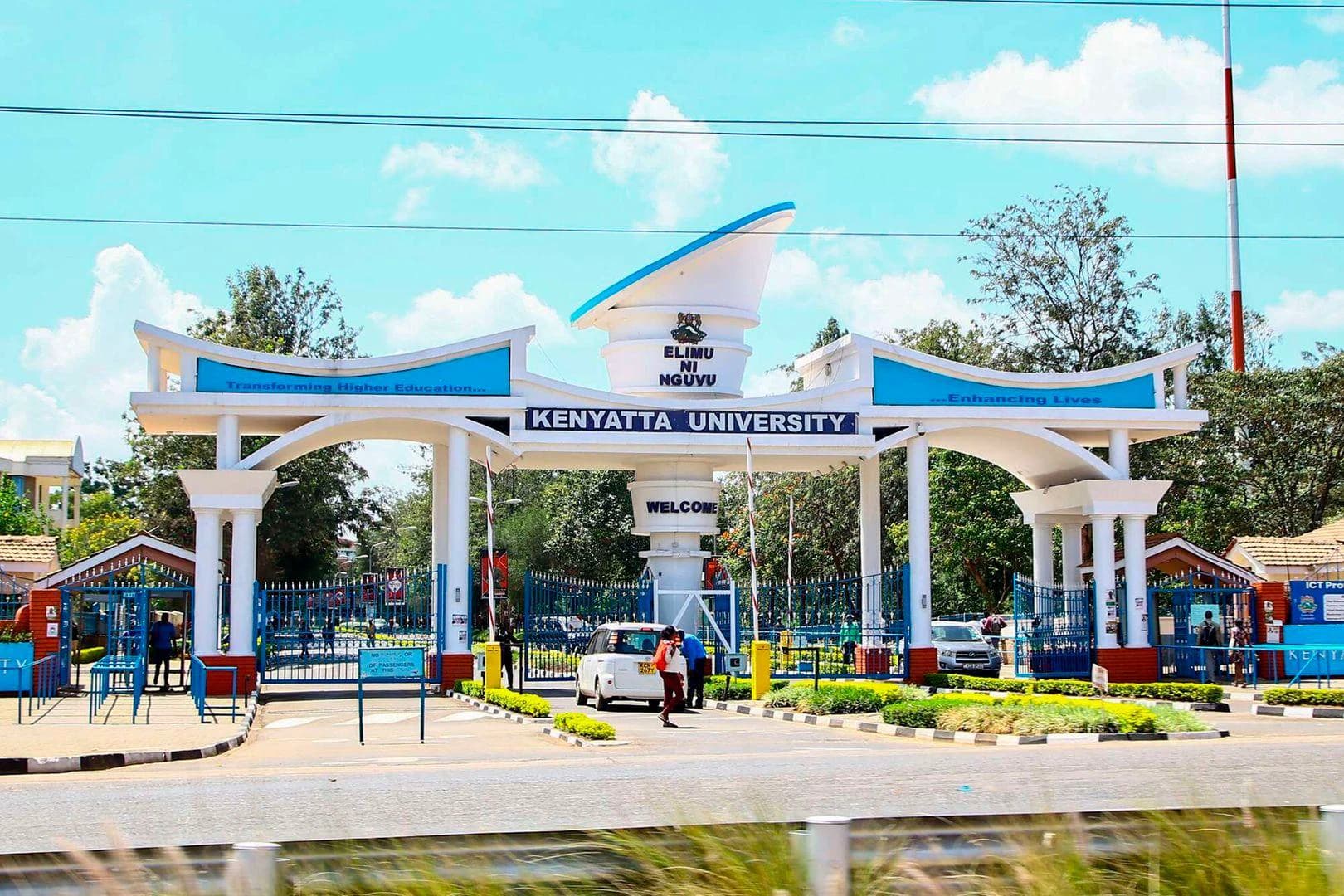
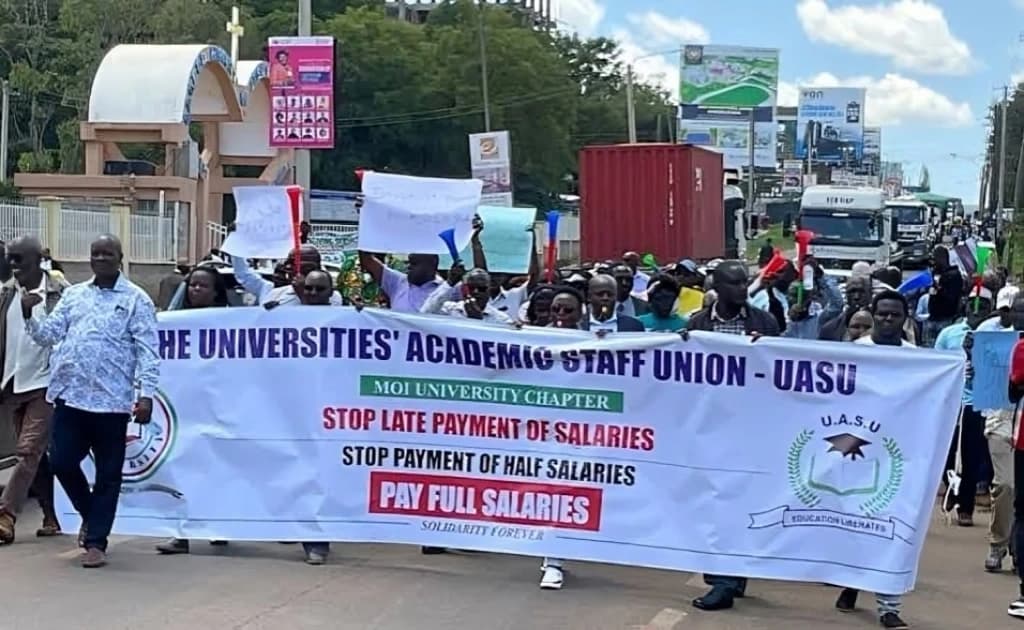
The government has made a fresh push to end the nationwide university lecturers' strike, directing the two sides back to negotiations as thousands of students remain caught in a dispute over salaries, collective bargaining and working conditions.
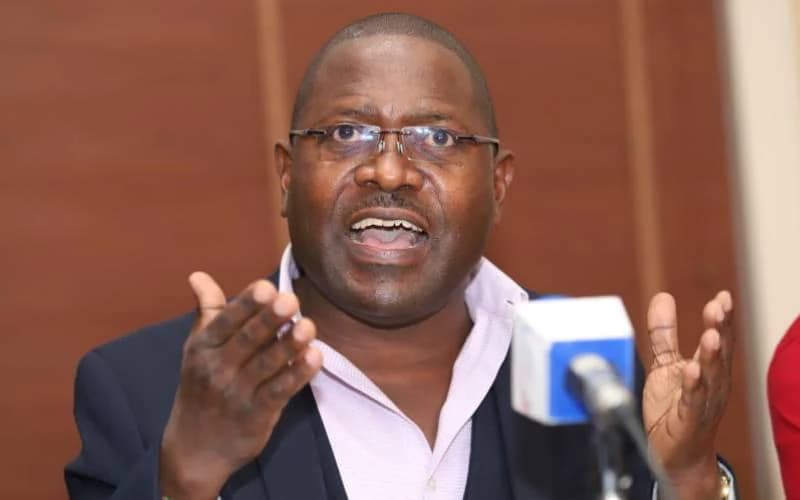
Education Cabinet Secretary Julius Ogamba has called for renewed dialogue between the government and university lecturers, raising hopes that the standoff could finally be resolved before it causes deeper disruption to the academic calendar. The intervention comes as lecturers continue demanding implementation of the 2025–2029 Collective Bargaining Agreement (CBA), including improved remuneration and better terms of service.
The industrial action has disrupted teaching and other academic activities in public universities, leaving students uncertain about classes, examinations and the timing of the academic year. For many students, the latest government intervention provides a possible route out of an increasingly frustrating situation, since prolonged disruption could force universities to adjust academic calendars, postpone examinations and potentially delay graduation plans.
The lecturers' demands have placed the government under pressure to demonstrate that the latest talks will address the substance of the dispute rather than simply provide another round of consultations. Government officials have maintained that they are committed to resolving the matter while also considering the financial constraints facing the education sector, a position that must now be reconciled with the lecturers' insistence that agreed commitments under their collective bargaining arrangements be honoured.
For university administrators, a settlement would restore certainty in planning lectures, examinations and other academic programmes. For students, it would mean returning to classrooms without the continuing fear that the dispute could derail their academic plans. Every additional day of disruption carries consequences beyond the negotiating table: missed lectures can affect course coverage, postponed examinations can disrupt graduation schedules, and prolonged uncertainty can create anxiety among students who have already invested time and resources in their education.
Attention now shifts to the lecturers and whether they will accept the government's renewed invitation to dialogue. If the two sides can narrow their differences, the latest intervention could become the turning point that brings the strike to an end. But if negotiations once again fail to address the core demands, the crisis could deepen, leaving students to bear the greatest cost of a dispute they did not create.

Reader Discussion (0)
Sign in to comment