


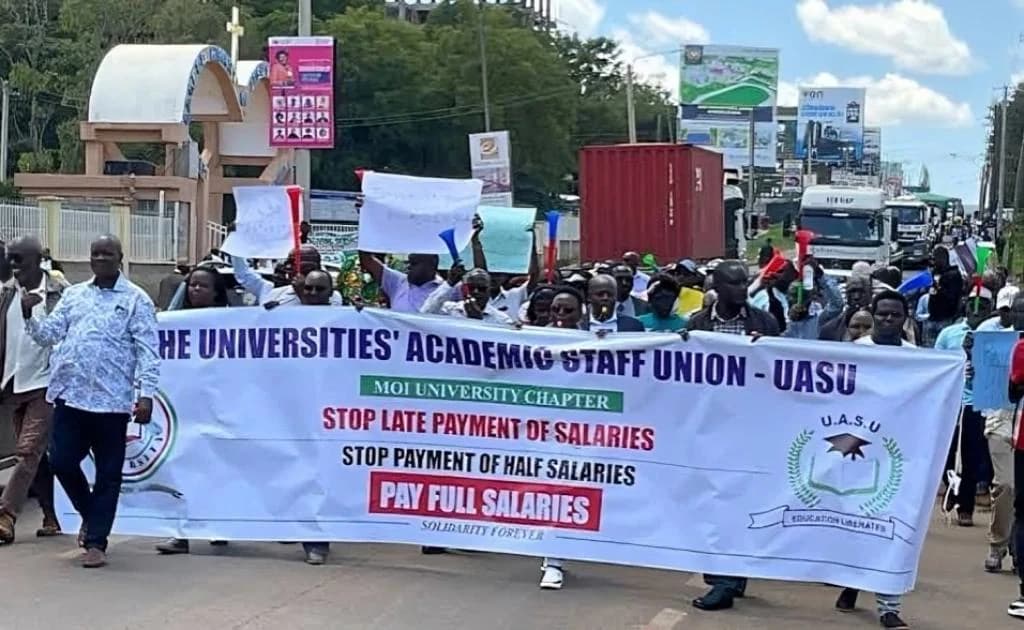




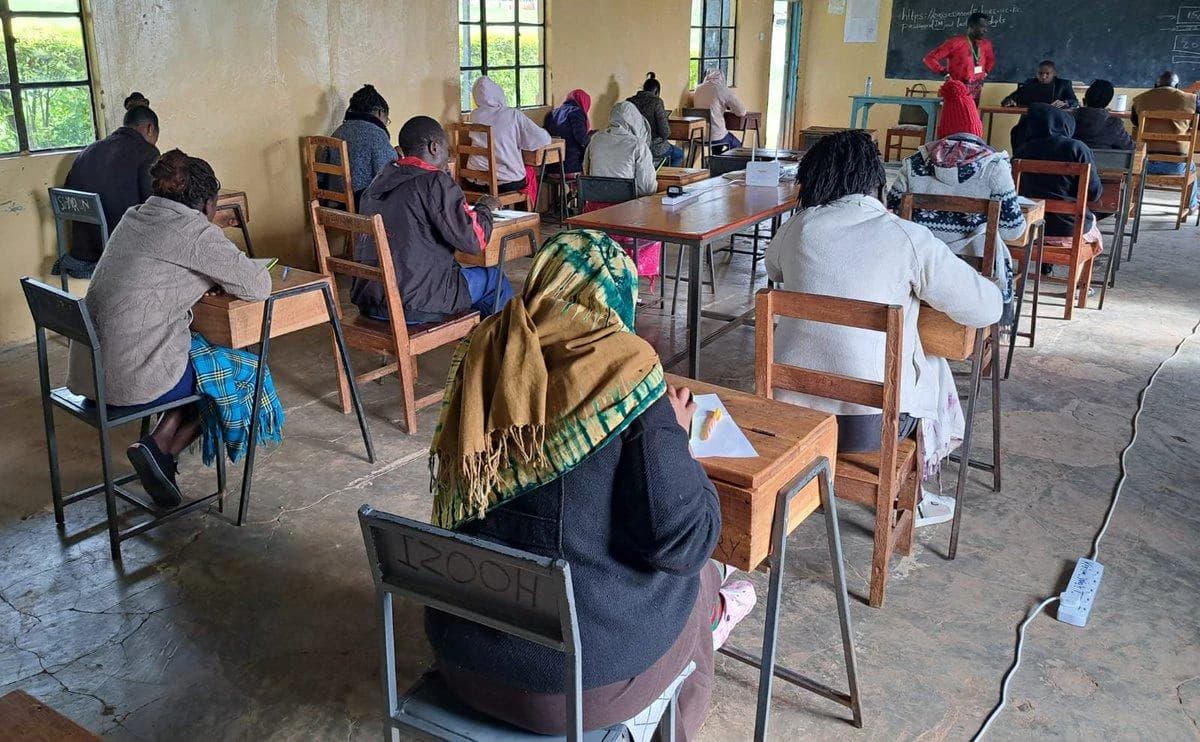
The student says the prolonged industrial action has made it difficult for learners to maintain their academic schedules, raising concerns about delayed studies, wasted time and the financial burden of remaining in a country where university programmes have been disrupted.
She has urged the government to address lecturers’ grievances, including their pay demands, and bring the strike to an end, arguing that students should not continue bearing the consequences of a dispute over which they have little control.
International students face mounting financial pressure
For international students, the disruption presents additional challenges beyond missed lectures and postponed academic activities. Many travel thousands of kilometres to pursue higher education, committing substantial resources to tuition, accommodation, transport and daily living expenses. When learning is interrupted, these costs do not necessarily stop.
The Indian student said returning home was not a practical option because international travel had become expensive. She attributed the high cost of air tickets partly to rising oil prices, explaining that she could not easily afford a trip back to India while waiting for the strike to be resolved.
Her predicament highlights the difficult position of foreign learners who may be unable to continue their studies as planned but cannot afford to leave the country until normal academic activities resume.
Unlike students who live close to their families, international learners may have limited support networks in Kenya. Prolonged disruptions can therefore expose them to additional financial and emotional strain as they navigate accommodation expenses, uncertainty over academic calendars and separation from their families.
Student reflects on economic realities in Kenya
The student also offered a personal reflection on Kenya’s economic conditions, saying her perceptions had changed since arriving in the country. She explained that before travelling to Kenya, she had believed India was poorer than Kenya, but her experience of living and studying in the country had prompted her to reconsider that view.
Her observations reflect how experiences abroad can challenge assumptions about economic conditions and living standards. However, her personal assessment does not, on its own, establish which country has better economic conditions, since such comparisons require broader evidence on income, purchasing power, living costs and access to essential services.
The strike has brought the wider consequences of university labour disputes into focus, particularly the vulnerability of students whose academic progression depends on uninterrupted teaching. While lecturers pursue their employment demands, learners face uncertainty over when classes will resume and whether their academic programmes will be completed within the expected timelines.
The consequences extend beyond the classroom. Students may have to meet rent, food and other daily expenses during periods when academic activities are suspended or substantially reduced. Those studying away from home must also contend with the possibility of additional travel costs and difficulties reorganising their lives around uncertain university schedules.
For international students, these disruptions can be particularly costly because their decision to study abroad often involves considerable financial commitments and careful planning around the duration of their programmes.
Calls grow for lasting resolution to lecturers’ strike
The situation also raises questions about the protection of students’ interests during prolonged industrial disputes. Although lecturers’ pay and employment grievances require attention, universities and the government must also consider how interruptions affect learners, especially those who have limited alternatives while waiting for a settlement.
A lasting resolution will require meaningful engagement between the government and university lecturers to address outstanding grievances and restore normal teaching. Clear communication about academic calendars and plans for recovering lost learning time would also help students make informed decisions about accommodation, finances and their studies.
The Indian student’s appeal underscores a central concern in the dispute: university education cannot function effectively when labour negotiations repeatedly leave learners uncertain about their academic future. Lecturers deserve a credible resolution to their grievances, but students also deserve continuity, predictability and value for the resources they invest in higher education.
Ultimately, the cost of a prolonged university strike is measured not only in the demands awaiting settlement but also in the time, money and opportunities students stand to lose. Resolving the dispute is therefore essential to restoring confidence in Kenya’s university education system and ensuring that students, local and international alike, are not left paying the price for a conflict they did not create.

Reader Discussion (0)
Sign in to comment