



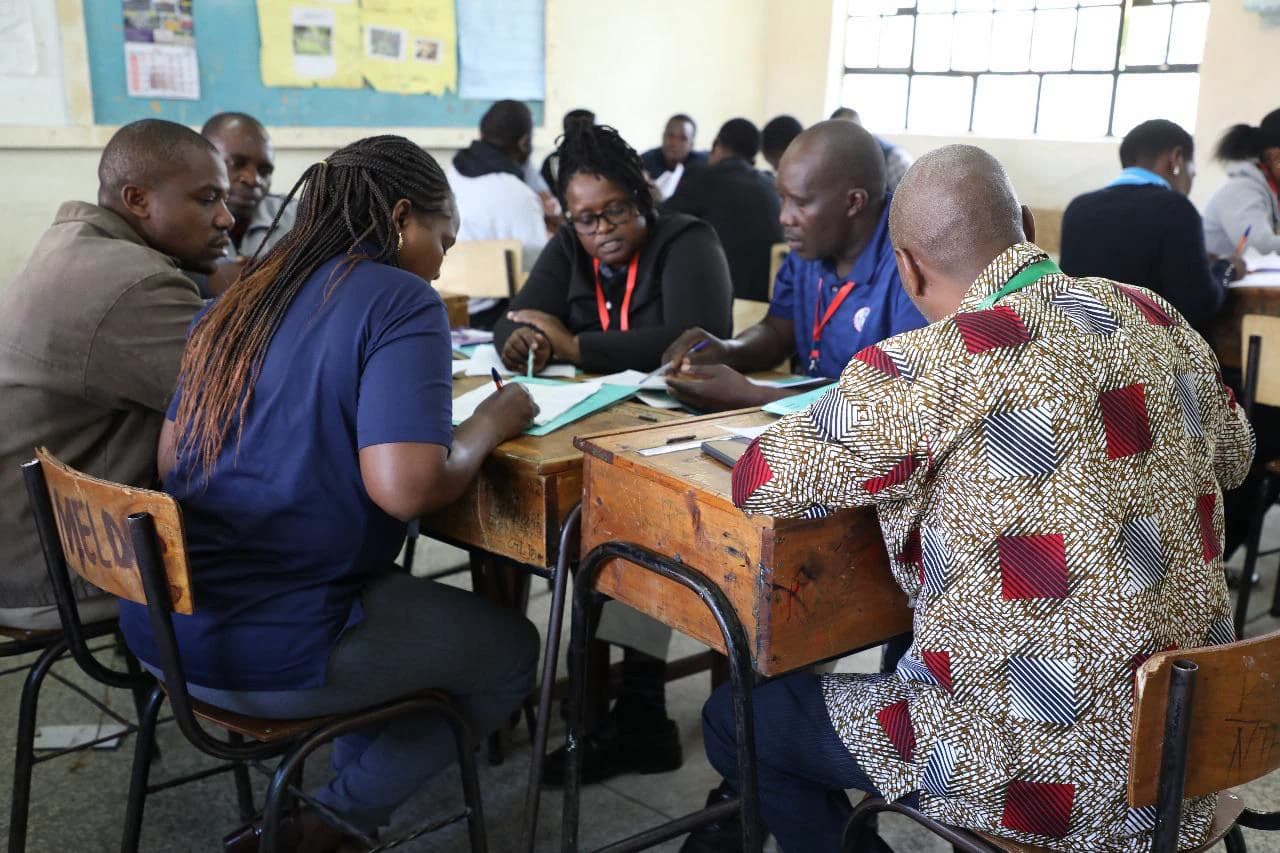
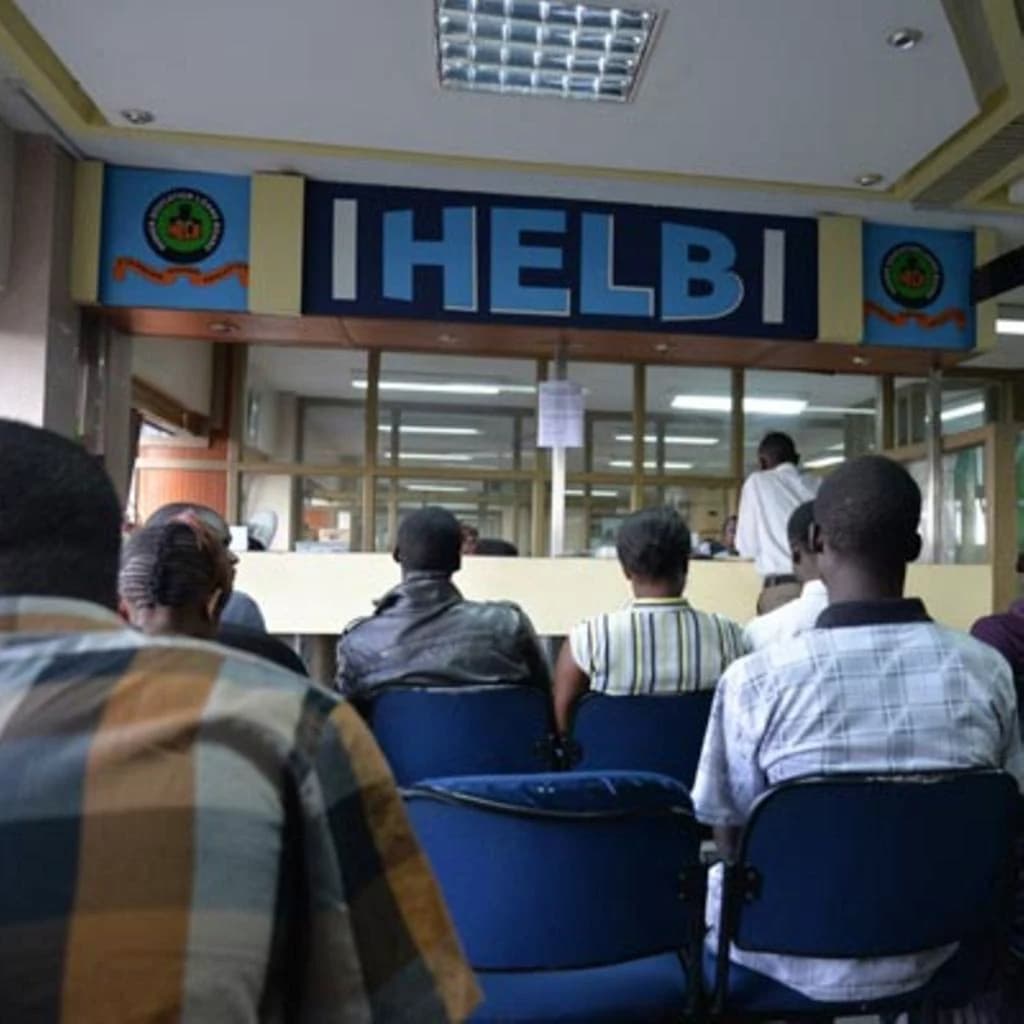
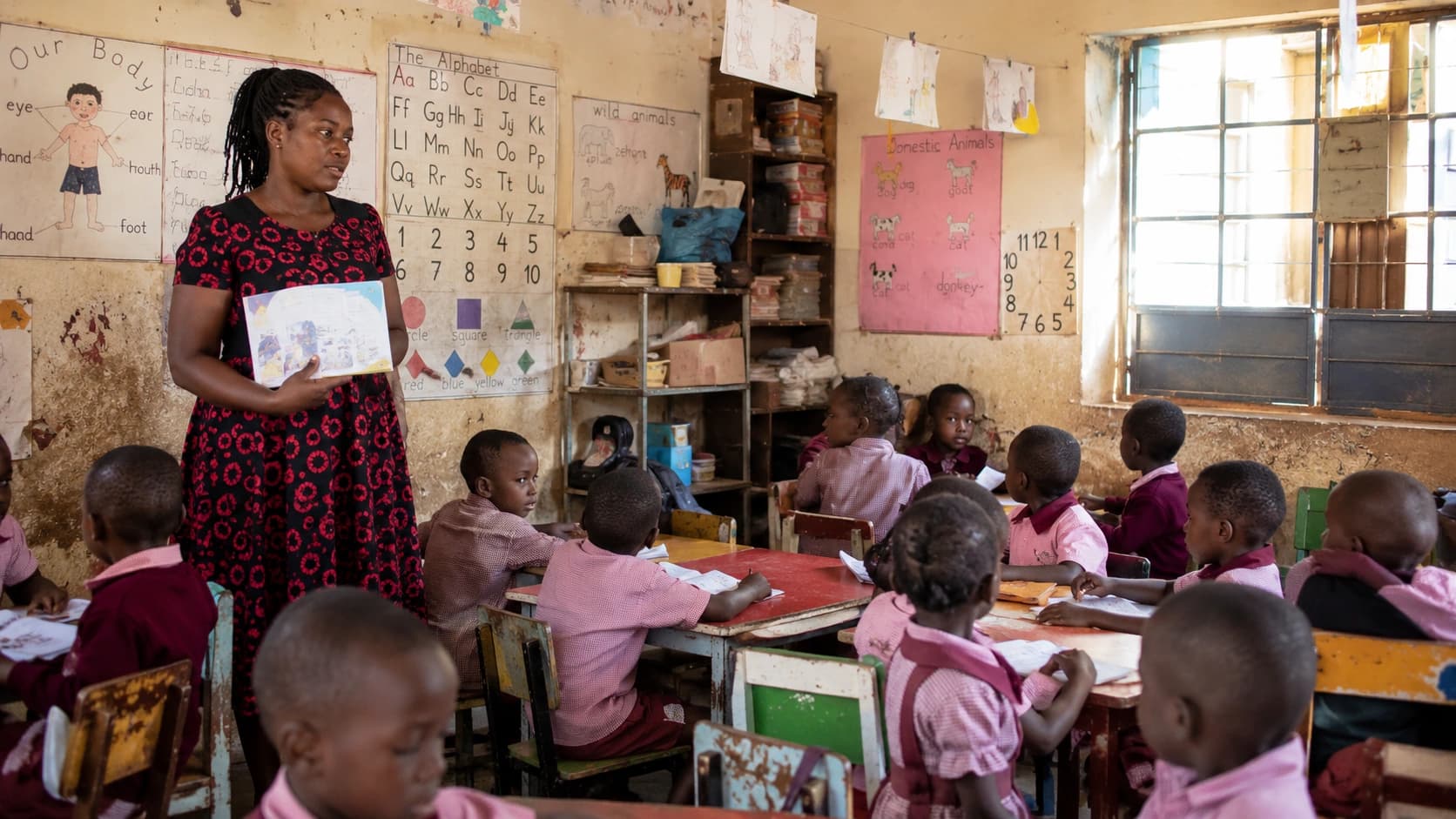
A report by the Auditor-General has revealed that thousands of students received multiple bursary awards, while a significant number of applications lacked essential supporting documents, potentially locking out needy learners.
The audit, covering the 2021/2022 to 2024/2025 financial years, established that 143 out of 202 applications examined, representing 71 per cent, lacked adequate supporting documentation. Only 59 applications were properly documented.
Among the missing records were school report forms for 89 applicants, which are necessary to establish whether the beneficiaries were genuine students in need of financial assistance.
The findings raise questions about the effectiveness of the vetting process and the criteria used to identify beneficiaries.
Multiple bursary awards raise accountability concerns
The report further established that 159,922 learners benefited from the programme, receiving an average of Sh8,400 each, an amount equivalent to approximately 21 per cent of approved fees in county and extra-county schools.
However, the audit found that 3,123 learners received more than one bursary award, either within their respective wards or across different wards.
The multiple allocations amounted to Sh66.24 million, with 104 students receiving a combined Sh241,611 above the approved fees for county boarding schools.
The Auditor-General noted that such duplication denied other deserving learners an opportunity to benefit from the limited resources.
Questions were also raised over the distribution of bursary funds during the 2023/2024 financial year, when the County Bursary Board allocated Sh65.11 million to the Governor’s Office and individuals identified as special-interest beneficiaries based on nominations by Members of the County Assembly (MCAs).
However, the board failed to provide evidence demonstrating that the beneficiaries had been identified through an open and transparent community-based selection process.
The audit also highlighted weaknesses in the management of bursary records, noting that the county lacked a centralised data management system.
In addition, minutes documenting the vetting and selection of beneficiaries were missing for three financial years, making it difficult to establish how applicants were evaluated and approved.
Learners with disabilities were also found to have received minimal representation in the programme despite efforts at ward level to prioritise their inclusion.
Excess administrative expenditure and unacknowledged payments
The report further questioned the management of administrative expenses, which exceeded the legally permitted three per cent threshold in the 2021/2022 and 2024/2025 financial years, resulting in excess expenditure of Sh12.29 million.
Financial management weaknesses were also evident in the handling of bursary payments.
Bank records showed that bounced cheques worth Sh355,000 attracted commissions of Sh101,700, while stale cheques amounted to Sh5.39 million.
Bank charges stood at Sh22.83 million, with the audit reporting a combined financial opportunity cost of Sh28.68 million.
The audit also raised concerns over the confirmation of bursary payments by learning institutions.
Schools failed to acknowledge receipt of Sh329.7 million, representing 91.7 per cent of the Sh359.7 million disbursed during the 2023/2024 financial year.
The board also lacked institutional acknowledgements confirming payments amounting to Sh1.03 billion across three other financial years, raising concerns about whether the funds were properly credited to beneficiaries’ school fee accounts.
The handling of complaints from unsuccessful applicants was equally found to be inconsistent across wards, further weakening accountability in the programme.
Auditor-General calls for stronger bursary oversight
To address the shortcomings, the Auditor-General recommended stronger ward-level vetting procedures, clear limits on individual bursary awards and the establishment of a centralised database to eliminate duplication and improve record-keeping.
The report also called for a formal complaints-handling framework, regular reporting by ward committees and better coordination among institutions providing education bursaries.
It further recommended that award ceilings be aligned with approved school fee structures to ensure equitable distribution of available resources.
The findings come amid growing calls for transparency in the management of public education funds, with the audit warning that weaknesses in the current system could undermine efforts to support learners from financially disadvantaged households.
Reader Discussion (0)
Sign in to comment