


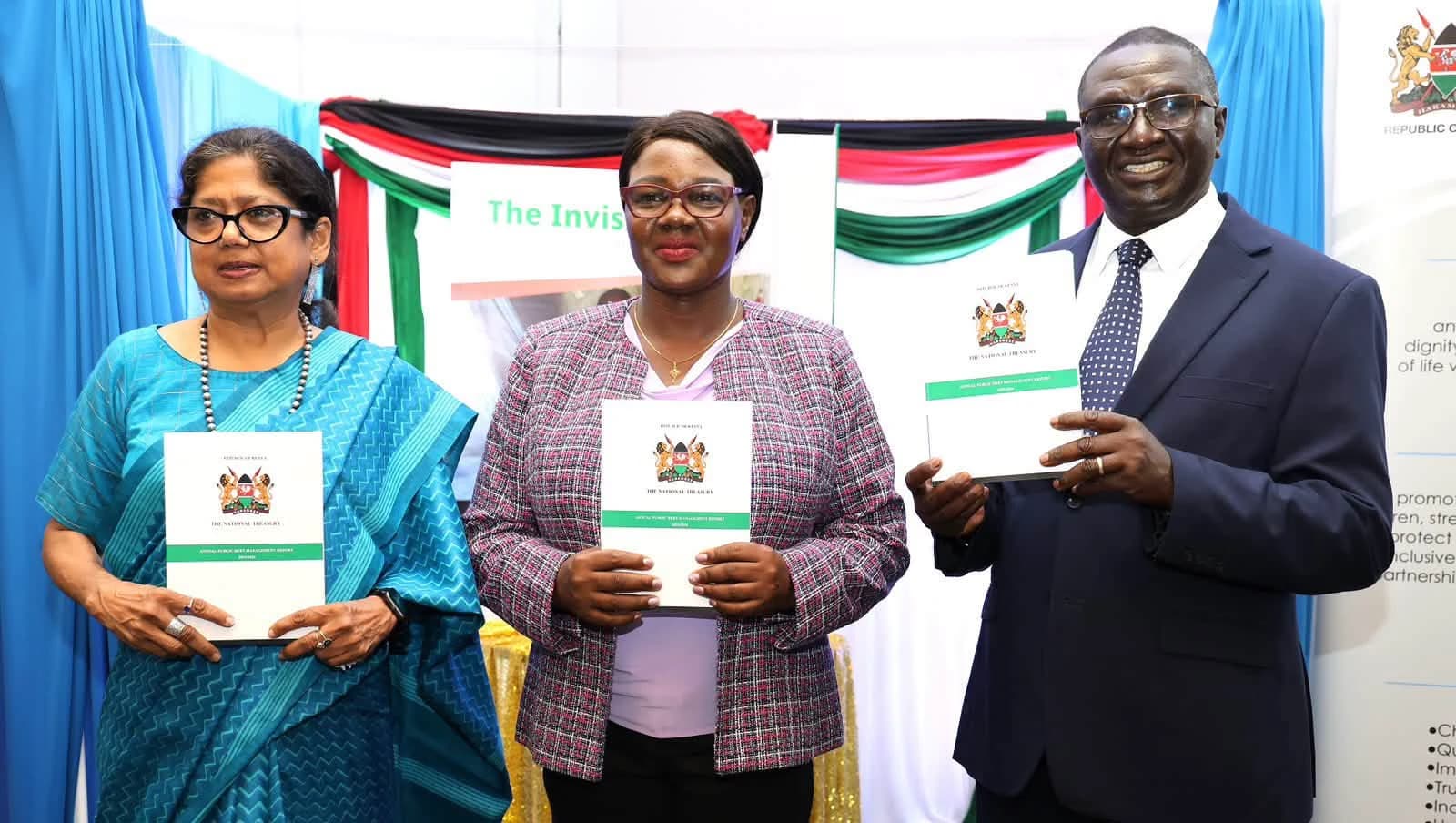
A new joint study by the National Treasury, the State Department for Children Services and UNICEF Kenya paints a troubling picture of childhood poverty, revealing that 55.3 per cent of children in the country were living in multidimensional poverty in 2022.
The report, titled The Invisible Toll: Rising Debt, Shrinking Aid and Kenya’s Children, estimates that the number of affected children increased from 9.5 million in 2014 to 12.2 million in 2022, representing an additional 2.7 million children.
The findings expose a widening disconnect between Kenya’s economic growth and improvements in the living conditions of its youngest population.
During the same period, Gross Domestic Product (GDP) per capita increased from US$1,451 to US$1,748, yet the proportion of children experiencing multidimensional poverty rose from 45 per cent to 55.3 per cent.
The report does not establish that economic growth or public borrowing directly caused the increase in child poverty. Instead, it identifies the fiscal and institutional pressures through which inadequate financing, delayed disbursements and declining development assistance can undermine essential services.
Its central warning is that an approved government budget does not necessarily translate into services if the money fails to reach schools, hospitals and frontline institutions when required.
Rising debt repayments put social sectors under pressure
Kenya’s rising debt obligations are increasingly competing with the resources required to finance essential public services.
The study points to a sharp increase in annual debt servicing, which rose from approximately Sh917.8 billion in the 2021/22 financial year to Sh1.87 trillion in 2025/26.
For the 2026/27 financial year, the government allocated approximately Sh1.254 trillion to interest payments alone.
This compares with approximately Sh881 billion allocated collectively to education, healthcare and social protection.
The figures illustrate the difficult fiscal choices confronting the government as it attempts to meet debt obligations while maintaining investment in human development.
For children, the consequences of inadequate or unpredictable financing can be particularly severe because their access to education, immunisation, nutrition and protection services depends heavily on public institutions.
The report, therefore, calls for greater protection of child-focused expenditure, warning against fiscal adjustments that undermine essential services.
Schools among institutions affected by delayed government funding
Beyond the size of budget allocations, the report identifies delayed disbursement of government funds as one of the most significant threats to service delivery.
A 2025 public expenditure tracking survey covering nine counties found that 67.4 per cent of sampled frontline facilities and service units experienced delays in receiving operational funding.
Health facilities were the most affected, with 72.5 per cent reporting delays.
Pre-primary education facilities recorded 68 per cent, while water and sanitation facilities registered 62.5 per cent. Nutrition service units recorded 50 per cent.
Some institutions reported waiting for more than six months to receive funds intended to support their operations.
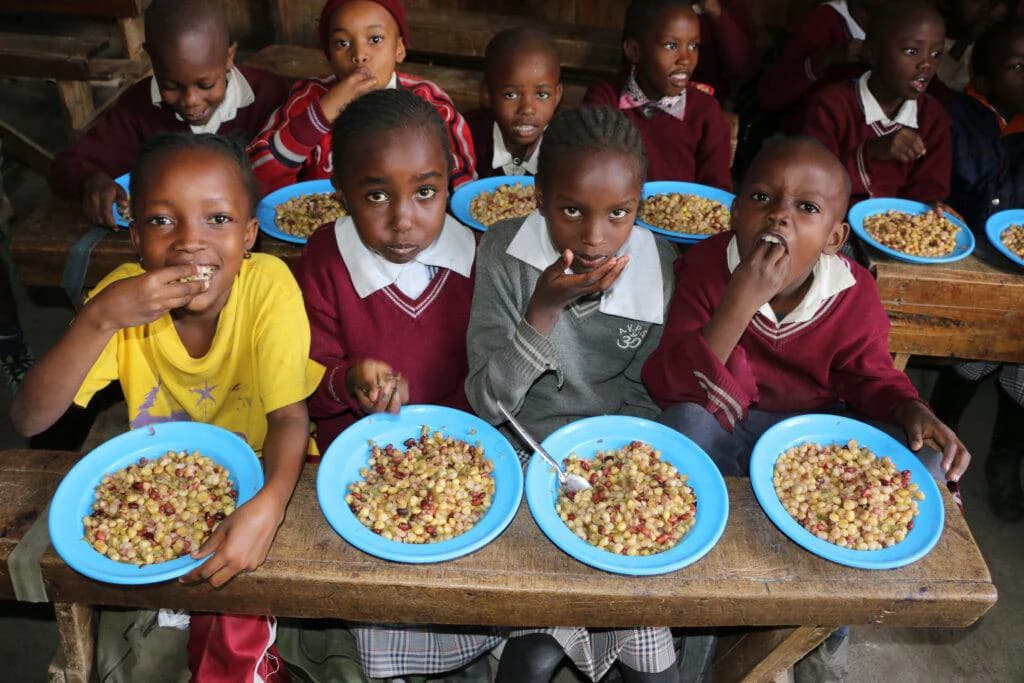
For education, the findings raise concerns about the ability of early childhood education institutions to maintain essential services when operational resources are not released on time.
The report makes an important distinction between budgetary allocations and actual expenditure, demonstrating that the existence of an approved allocation does not guarantee that a school or frontline institution will receive the money when it needs it.
The problem is compounded by unpredictable transfers to county governments, which are responsible for delivering critical services such as pre-primary education, primary healthcare, immunisation and community nutrition programmes.
During the 2024/25 financial year, actual monthly disbursements to counties ranged from zero to Sh63.9 billion despite an approved disbursement schedule.
The report argues that predictable financing is essential for institutions to plan, procure supplies and maintain uninterrupted service delivery.
Healthcare indicators signal a risk of reversing previous gains
The study also identifies worrying changes in several maternal and child healthcare indicators between 2021 and 2025.
Coverage of the first dose of the DPT/Hexa-Hib vaccine declined from 93 per cent in 2021 to 81 per cent in 2025.
The proportion of births attended by skilled health personnel fell from 79 per cent to 68 per cent, while antenatal care attendance declined from 99 per cent to 81 per cent.
Treatment coverage for children aged between two and 59 months suffering from pneumonia also deteriorated, with the proportion receiving amoxicillin dispersible tablets dropping from 83 per cent to 55 per cent.
Deworming coverage among children aged between 12 and 59 months recorded an even steeper decline, falling from 47 per cent to 19 per cent.
Healthcare indicator 2021 2025
First dose of DPT/Hexa-Hib vaccine 93% 81%
Births attended by skilled health personnel 79% 68%
Antenatal care attendance 99% 81%
Pneumonia treatment coverage 83% 55%
Deworming coverage 47% 19%
The report cautions that changes in reporting completeness, population estimates and programme design may have influenced some of the figures, which require further validation by the Ministry of Health.
These developments threaten to undermine progress Kenya had made in improving child survival and nutrition.
Between 2014 and 2022, under-five mortality declined from 52 to 41 deaths per 1,000 live births, while infant mortality fell from 39 to 32 deaths per 1,000 live births.
Childhood stunting also declined from 26 per cent to 18 per cent.
The concern is whether the country can sustain these improvements when essential health programmes face financing constraints.
Shrinking donor support threatens essential services
Kenya’s fiscal pressures have been compounded by declining external development assistance.
The report estimates that net official development assistance fell from nearly US$4 billion in 2020 to approximately US$2.6 billion in 2023.
External development assistance to the health sector also declined from more than US$1.1 billion in 2017 to approximately US$724 million in 2024.
This presents a challenge for programmes that were established or expanded with substantial financial support from development partners.
External financing accounted for approximately 77 per cent of funding for the Cash Transfer for Orphans and Vulnerable Children programme.
During its pilot phase between 2009 and 2012, the Hunger Safety Net Programme relied entirely on external financing, while external assistance accounted for approximately 71 per cent of the Home-Grown School Meals Programme.
As development partners scale back their support, the government faces increasing pressure to identify sustainable domestic financing mechanisms.
The study warns that replacing grants with loans may provide short-term relief but creates additional repayment obligations in the future.
Only one in ten children benefits from cash support
Kenya’s social protection system also faces significant coverage and financing challenges.
According to the report, only approximately 11 per cent of children receive a child or family cash benefit.
This leaves millions of vulnerable children outside direct cash assistance programmes intended to cushion households against poverty and economic shocks.
The existing Sh2,000 monthly Inua Jamii transfer has also lost purchasing power as the cost of living continues to rise.
Delayed payments further weaken the programme’s ability to support households that depend on the transfers to meet basic needs.
The study highlights concerns about the consequences of inadequate social protection, particularly in arid and semi-arid regions where families are more exposed to drought, food insecurity and economic shocks.
County officials interviewed during the research reported that delayed operational funding had forced the postponement of some child protection and support activities.
They also raised concerns about heightened vulnerability to child labour, early marriage and street-connectedness when households lose access to reliable support.
The report stresses that these risks arise from multiple interacting pressures and should not be attributed to funding delays alone.
Infrastructure investment versus human capital development
Another important finding concerns how Kenya’s external borrowing has been distributed across different sectors.
Between 2014 and 2022, energy, infrastructure and Information and Communication Technology (ICT) accounted for an average of 65.7 per cent of external debt allocation.
Health received 3.8 per cent, education 1.9 per cent, while social protection, culture and recreation accounted for 0.5 per cent.
The findings raise questions about the balance between investment in physical infrastructure and the financing of services that directly shape children’s development.
Infrastructure remains important for economic expansion, connectivity and access to services. However, the report argues that sustainable development must also protect investments in education, healthcare, nutrition and social protection.
The challenge is ensuring that economic development produces measurable improvements in household welfare rather than remaining concentrated in aggregate economic indicators.
Treasury urged to ring-fence funding for children
The study proposes a series of interventions aimed at preventing fiscal pressures from undermining essential services for children.
Among its recommendations is the introduction of quarterly minimum cash releases for child-critical services at both national and county levels.
It also proposes a guaranteed minimum spending allocation for immunisation, nutrition, pre-primary and primary education, water and sanitation, child protection and social assistance.
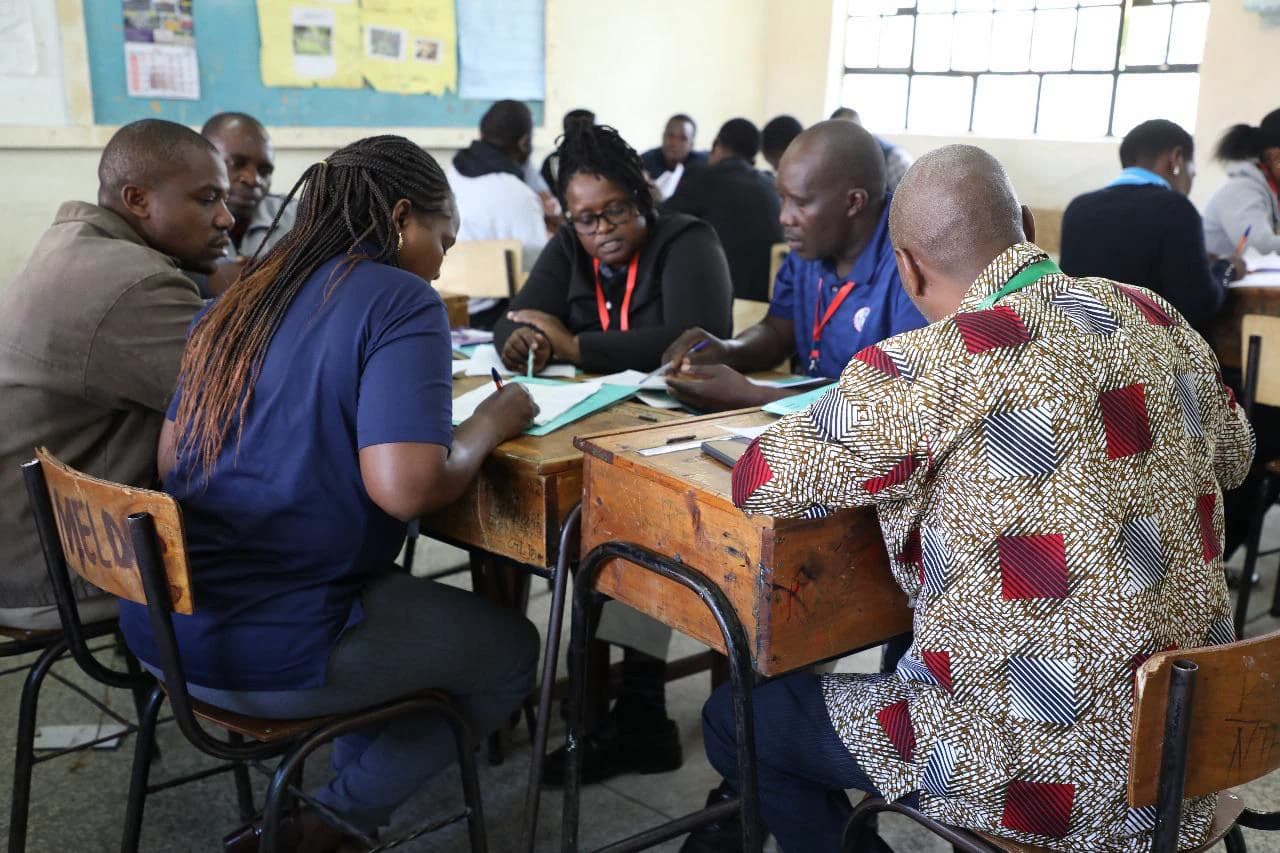
The report further recommends strengthening expenditure tracking through the Integrated Financial Management Information System (IFMIS), publishing an annual child budget statement and ensuring that social assistance payments are made predictably.
Another priority is developing domestic financing strategies to reduce the vulnerability of essential programmes to declining donor support.
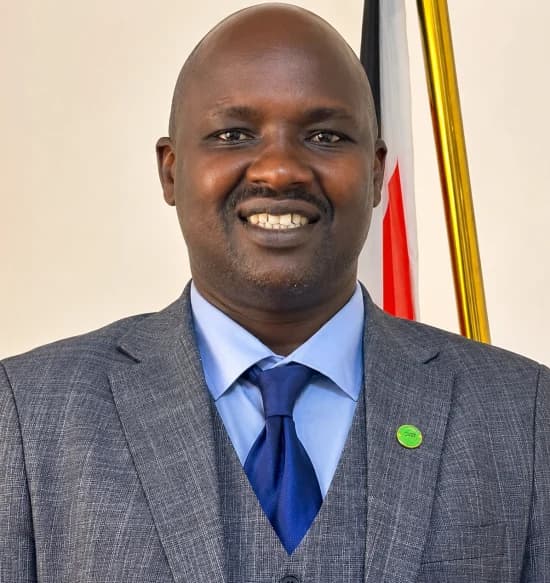
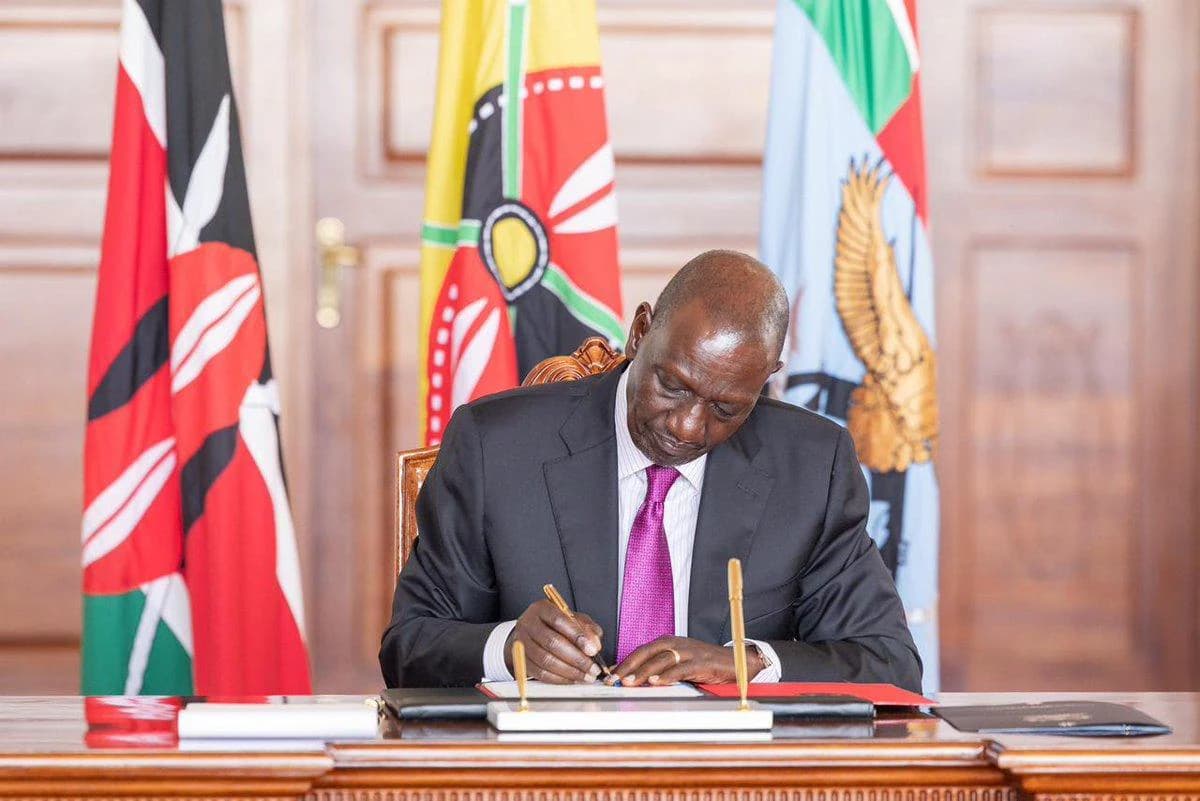
National Treasury Cabinet Secretary John Mbadi Ng’ongo said the government would draw on the findings when preparing the 2027 Budget Policy Statement.
The Treasury also committed to strengthening cash management, improving budget execution and ensuring that borrowing delivers value for the country.
State Department for Children Services Principal Secretary CPA Carren Achieng Ageng’o called for stronger child-focused budget tracking to ensure that public expenditure translates into tangible improvements in children’s welfare.
The recommendations are expected to inform preparations for the 2027/28 financial year budget.
A test of Kenya’s development priorities
The report presents a difficult question for policymakers: How can Kenya sustain economic development while protecting the basic rights and welfare of millions of children?
With 12.2 million children estimated to have been experiencing multidimensional poverty in 2022, the challenge extends beyond the availability of money to the government’s ability to allocate, release and account for public resources effectively.
The findings also challenge the assumption that economic growth automatically translates into better living conditions.
For a child, development is measured not by the size of government borrowing or the number of infrastructure projects announced, but by access to quality education, adequate nutrition, healthcare, clean water and protection from exploitation.
Ultimately, the success of Kenya’s economic policies will depend on whether the resources collected and borrowed by the government translate into better opportunities for the next generation.
The warning from the Treasury-UNICEF study is clear: Children should not become the invisible casualties of the country’s growing fiscal pressures.

Reader Discussion (0)
Sign in to comment