





- Sogomo has raised concerns over the Bill’s proposal to make Heads of Institution individual agents of the Ministry, alongside their accountability to TSC.
- He has questioned the decision to legislate County Commissioners as chairpersons of County Education Boards, citing experience with politically influenced provincial administration.
- The writer has welcomed the Comprehensive School model for Grades 1 to 9 and the Bill’s expanded provisions for Special Needs Education.
The Basic Education Amendment Bill 2026 contains some contentious sections that may not have been interrogated well by stakeholders as we get to the close of the public participation window.
The HOI Agency Question
The first concern involves the assigned roles of heads of basic education institutions (HOIs), including their appointment as accounting officers and as agents of the Ministry responsible for basic education in the management of the school. The implication of this agency is that, for the first time, HOIs will be responsible to both the appointing authority, the Teachers Service Commission (TSC), and the Ministry. This raises two major concerns: why would the HOI be the agent of the Ministry as an individual rather than this agency being assigned to the Board of Management (BOM) as a whole, since the BOM performs delegated functions at the institutional level on behalf of the Cabinet Secretary? Secondly, what would happen to the HOI if the Ministry revokes this agency from him or her? Would TSC transfer, demote, or discipline such an HOI? Would revocation be based on written authoritative documents like audit and quality assurance reports, and what would happen if TSC is not convinced that the allegations against the HOI are serious enough to warrant any sanction?
There is precedent for this scenario, albeit in a reverse manner. Prior to TSC becoming an independent Constitutional Commission, it used to appoint District, Municipal and City Education Officers as its agents for teacher management. As CEO of TSC, I revoked the agency of one DEO whose performance in teacher management was not satisfactory. The Ministry had no option but to deploy him to perform duties other than teacher management, not before I was accused of encroaching on the functions of the Director of Education, while I was simply exercising the powers vested in me through the TSC Act.
ALSO READ:
https://educationnews.co.ke/teachers-unions-oppose-plan-to-make-county-commissioners-chair-local-education-boards/
Similarly, around 2020, the Public Service Commission of Kenya revoked the agency appointment of then Cabinet Secretary for Education Prof George Magoha, barring him from performing human resource management functions and assigning those powers to the Principal Secretary, arising from an incident in which he was perceived to have publicly mishandled and humiliated a senior officer of the Ministry based in Eldoret City. This meant that thereafter the CS would have had to request his junior, the PS, to make any human resource decision that should have been made by him, a demeaning scenario indeed. This appointment on an agency basis is a heavy responsibility that the HOI must learn to juggle professionally, balancing the requirements of various laws and the demands of the Ministry, TSC and the BOM. It will not be easy.
The County Commissioner Chairmanship Question
The second, and rather baffling, decision is to legislate the appointment of County Commissioners as chairpersons of the County Education Boards. District Commissioners used to perform the same role before 2010, but they were phased out on account that they were not professionals in the education sector and did not pay sufficient attention to education matters. They were replaced by education professionals, mainly drawn from academia since 2013, who were identified through interviews. These provincial administrators were often inclined to please powerful politicians rather than make objective, rational decisions.
I have a personal experience with this. Back in 1995, the Chief Principals of Moi High School Kabarak, Sacho High School and I, then Principal of Moi Teachers College Baringo, were proposed to be co-opted to the District Education Board by the KNUT Executive Secretary. A senior politician objected to this, and with the strong backing of the Chair, the District Commissioner, we were rejected and replaced by three councillors whose education did not exceed primary school level, meaning they would not add much value to the Board. Four years later, I was appointed CEO of TSC and supervised all the District Education Boards in Kenya through their agency on teacher management, to the consternation of the same District Commissioner.
ALSO READ: A Call to Parliament: Put the welfare of JSS teachers and learners before the capitation dispute
Provisions Worth Supporting
There are, obviously, some well-thought-out and laudable provisions of law in this Bill. Whereas I, for one, have consistently argued that under the CBE system of education, Grades 7 and 8 should be retained in Junior Schools and Grades 9, 10, 11 and 12 enrolled in Senior Schools, for good reasons, I have resigned to accept that Grades 7 to 9 will have to be domiciled in Junior Schools. However, I strongly support the proposal that Grades 1 to 9 be managed by one BOM as a unit known as a Comprehensive School. In a few years, this arrangement will stabilise into a flawless management system, especially once the country transitions to training graduate teachers for teaching in basic education institutions. The objections by one trade union against this arrangement could stem from matters other than professional considerations.
The Bill also has a lengthy and elaborate section on Special Needs Education. This is laudable, considering that students under this category have historically been ignored. The Bill’s inclusion of the Kenya Institute of Special Education, the Kenya Education Management Information System and the National Council for Education in Marginalised Communities is the right step in promoting inclusion of marginalised communities and people with special needs beyond basic education institutions. This will go a long way towards attracting and retaining these sectors of Kenyan communities in the formal education system beyond the levels hitherto achieved.
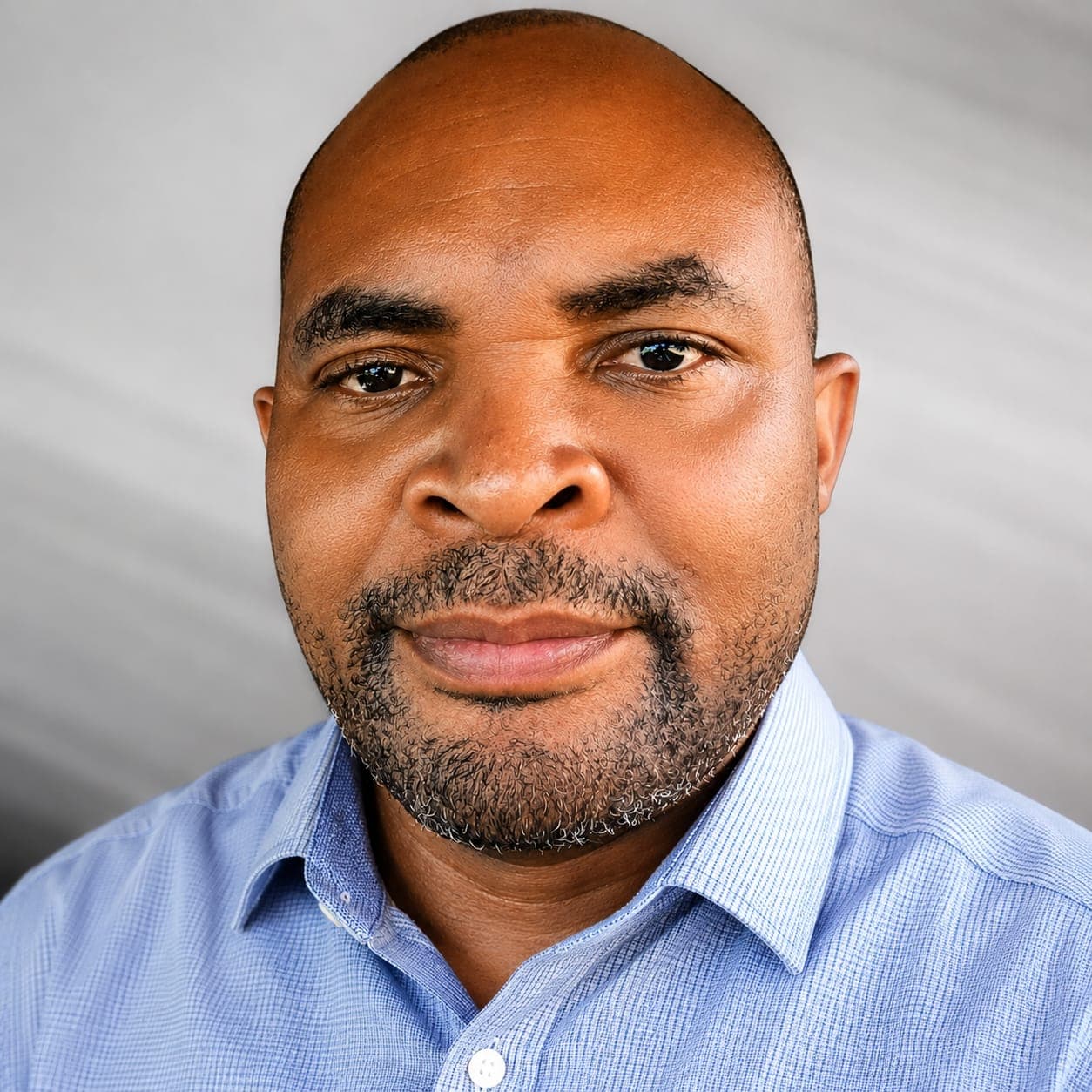
By Benjamin Sogomo
Education Specialist / Former Secretary/CEO TSC
benjaminsogomo@gmail.com
Get more stories from our website: Education News
To write to us or offer feedback, you can reach us at: editor@educationnews.co.ke
You can also follow our social media pages on Twitter: Education News KE and Facebook: Education News Newspaper for timely updates.
>> Click here to stay up-to-date with trending regional stories
Reader Discussion (0)
Sign in to comment