



President William Ruto has announced the recruitment of a record 1,800 local teachers from Wajir, Mandera and Garissa counties under a special affirmative action programme aimed at addressing chronic teacher shortages in Northern Kenya.
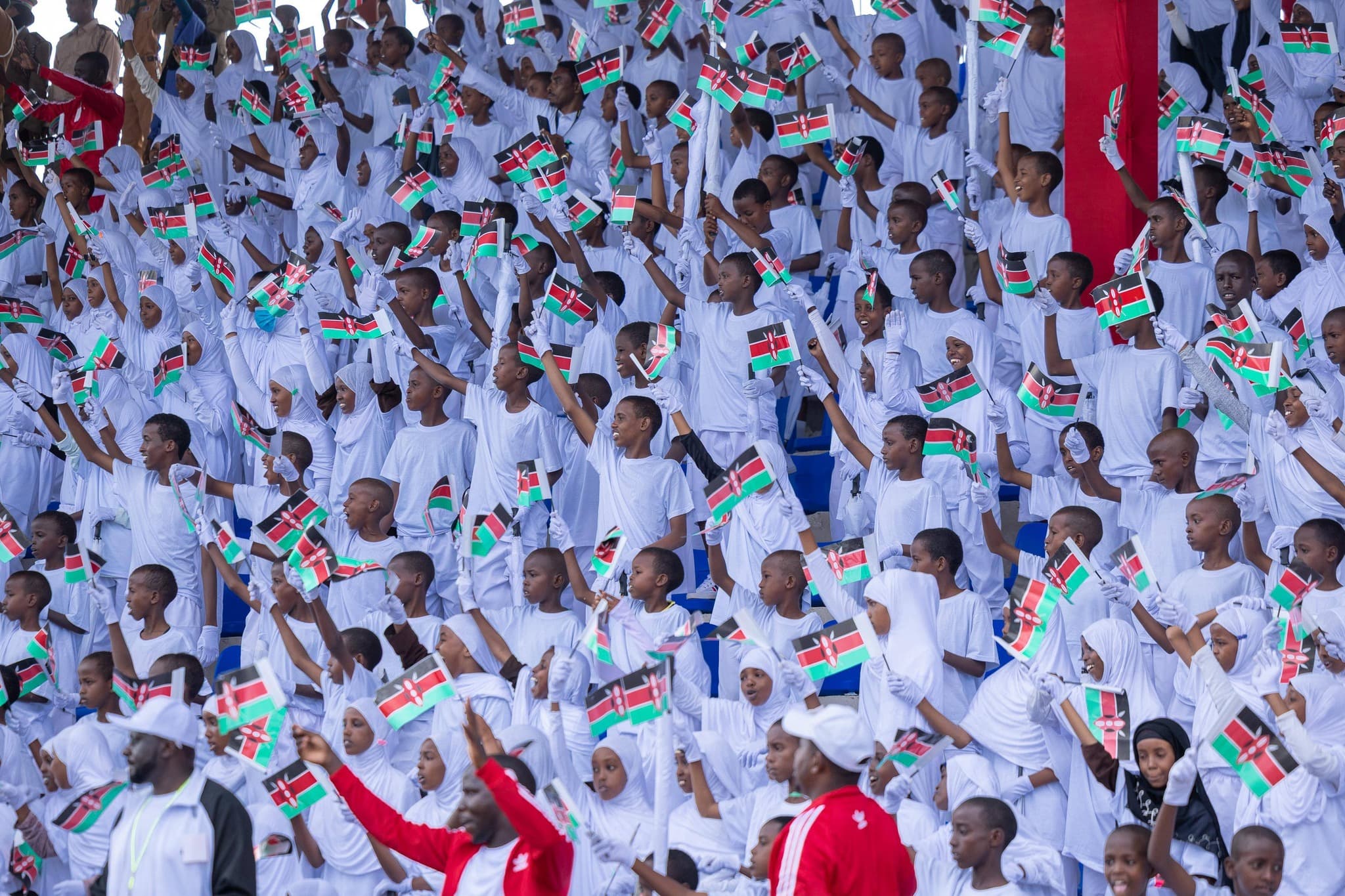
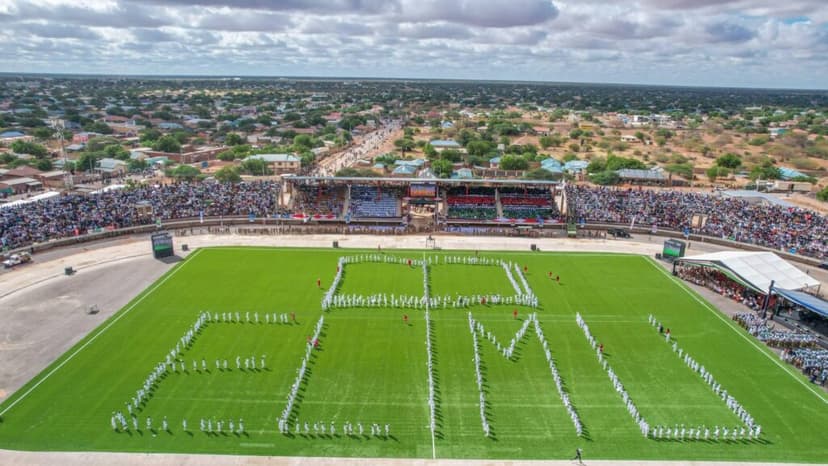
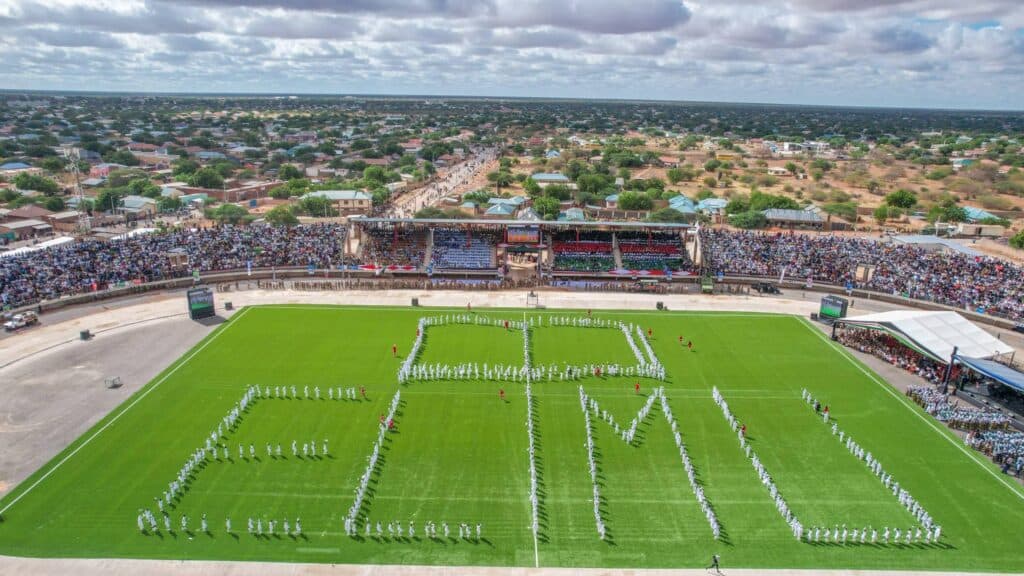
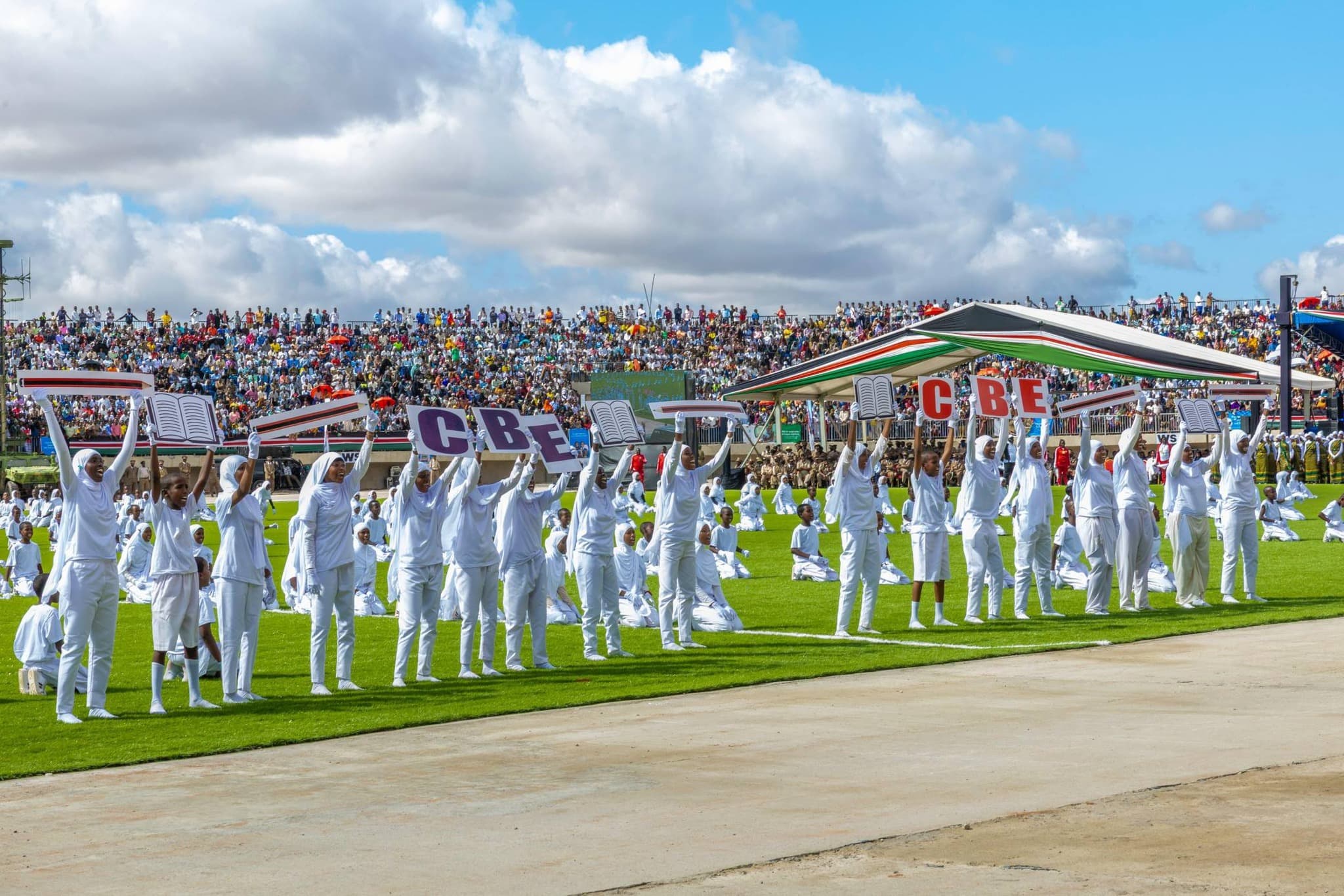
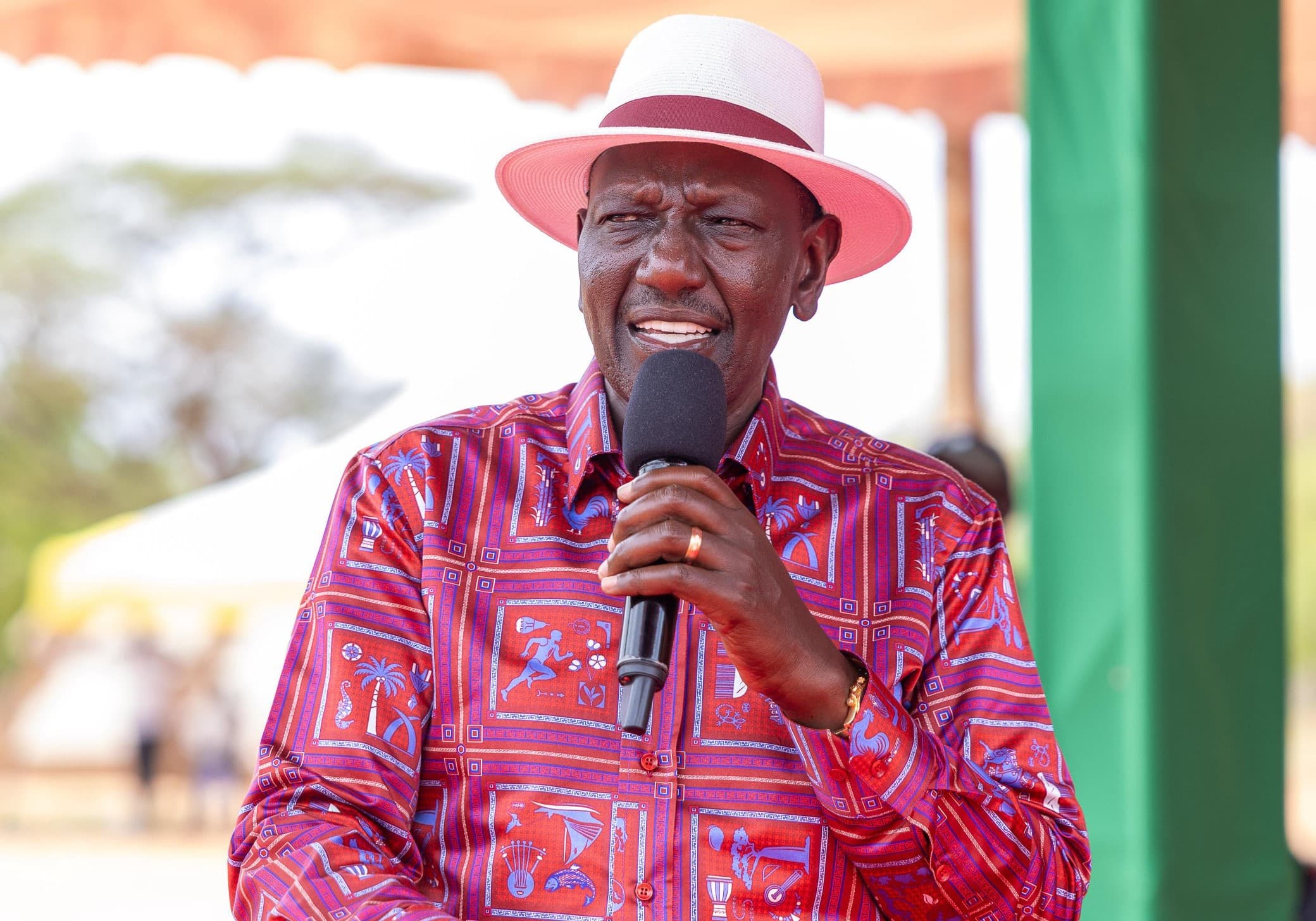
Speaking during the 63rd Madaraka Day celebrations held at Wajir Stadium on Monday, June 1, 2026, the President said the government had embraced a homegrown solution to a long-standing staffing challenge that has affected schools in the region for decades.
The Head of State said the government concluded that the most sustainable way of dealing with teacher shortages in Northern Kenya was to train and recruit local teachers who understand the region’s language, culture and environment.
“Most importantly, and as a source of pride for the people and leaders of Northern Kenya, three years ago we agreed that the lasting solution to teacher shortages in this region was to train more local teachers,” President Ruto said.
To support the initiative, the government operationalised Wajir, Kotulo and Mandera Teachers Training Colleges to complement Garissa Teachers Training College and expand access to teacher education in the region.
The President revealed that the strategy is already yielding results.
“That is why we operationalised the Wajir, Kotulo, and Mandera Teachers Training Colleges to complement Garissa TTC,” he said.
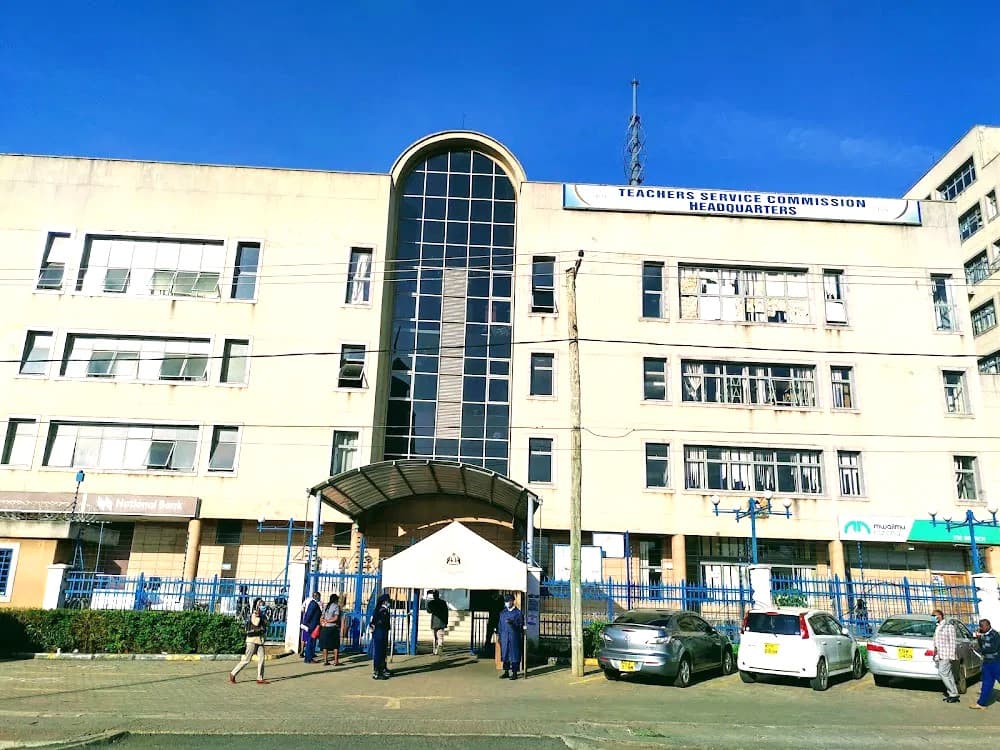
“Today, through this affirmative action programme, a record 1,800 local teachers from the three counties of Wajir, Mandera, and Garissa have been employed and will be deployed in the region,” President Ruto announced.
The President further disclosed that the teacher pipeline in the region is expanding rapidly, with thousands of young people currently enrolled in teacher training colleges.
“Additionally, 4,616 young people from this region are enrolled in teacher training colleges; the highest number in our history,” he said.
According to the President, investing in local human capital remains the surest way of achieving long-term educational transformation in historically marginalized areas.
“This is how lasting solutions are built: by investing in people,” he stated.
The announcement comes as the government intensifies efforts to improve education access and quality across Northern Kenya, where vast distances, harsh climatic conditions and staffing shortages have historically affected learning outcomes.
President Ruto said education remains the government’s most important investment in the region and described it as the foundation of inclusion, opportunity and national transformation.
“Of all the investments we are making in Northern Kenya, none is more important than education,” he told the gathering.
The President also highlighted ongoing interventions designed to improve learning conditions, including the construction of classrooms and laboratories, expansion of school feeding programmes, teacher deployment and increased digital connectivity. He noted that school feeding programmes are already supporting 2.4 million learners in arid regions, while government continues to invest in education infrastructure across Northern Kenya.
For decades, schools in Northern Kenya have struggled to attract and retain teachers, with many educators seeking transfers due to hardship conditions, insecurity concerns and distance from major urban centres. Education experts have long argued that training and employing local teachers offers a more sustainable solution because such educators are more likely to remain in the region and serve their communities.
READ ALSO: Over half of Grade 10 learners choose STEM pathway, says Ruto
The latest recruitment drive is expected to strengthen staffing levels in schools across Wajir, Mandera and Garissa while advancing the government’s broader agenda of addressing historical inequalities and ensuring that no child is denied access to quality education because of geography or marginalisation.
By Joseph Mambili
Reader Discussion (0)
Sign in to comment