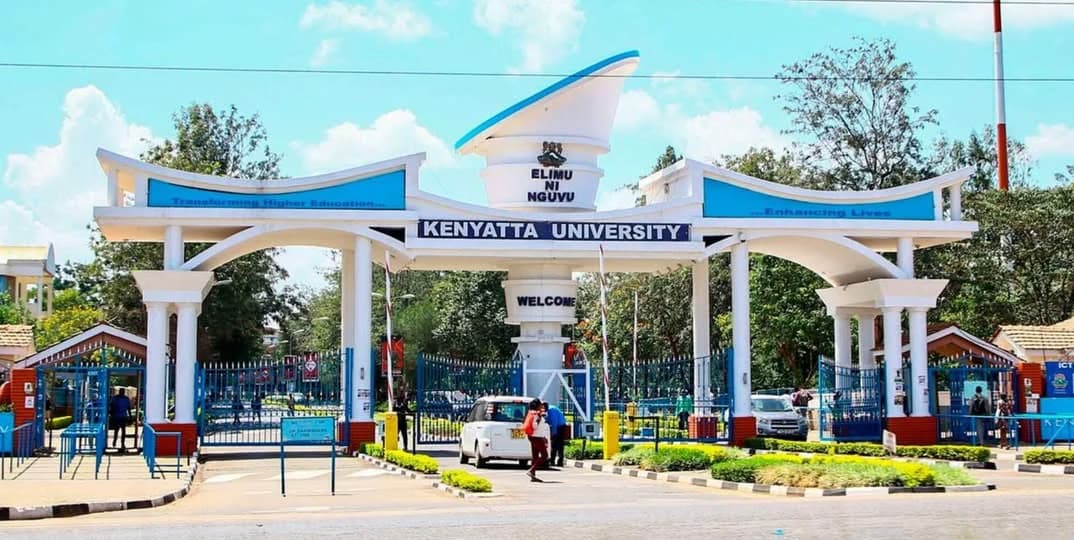



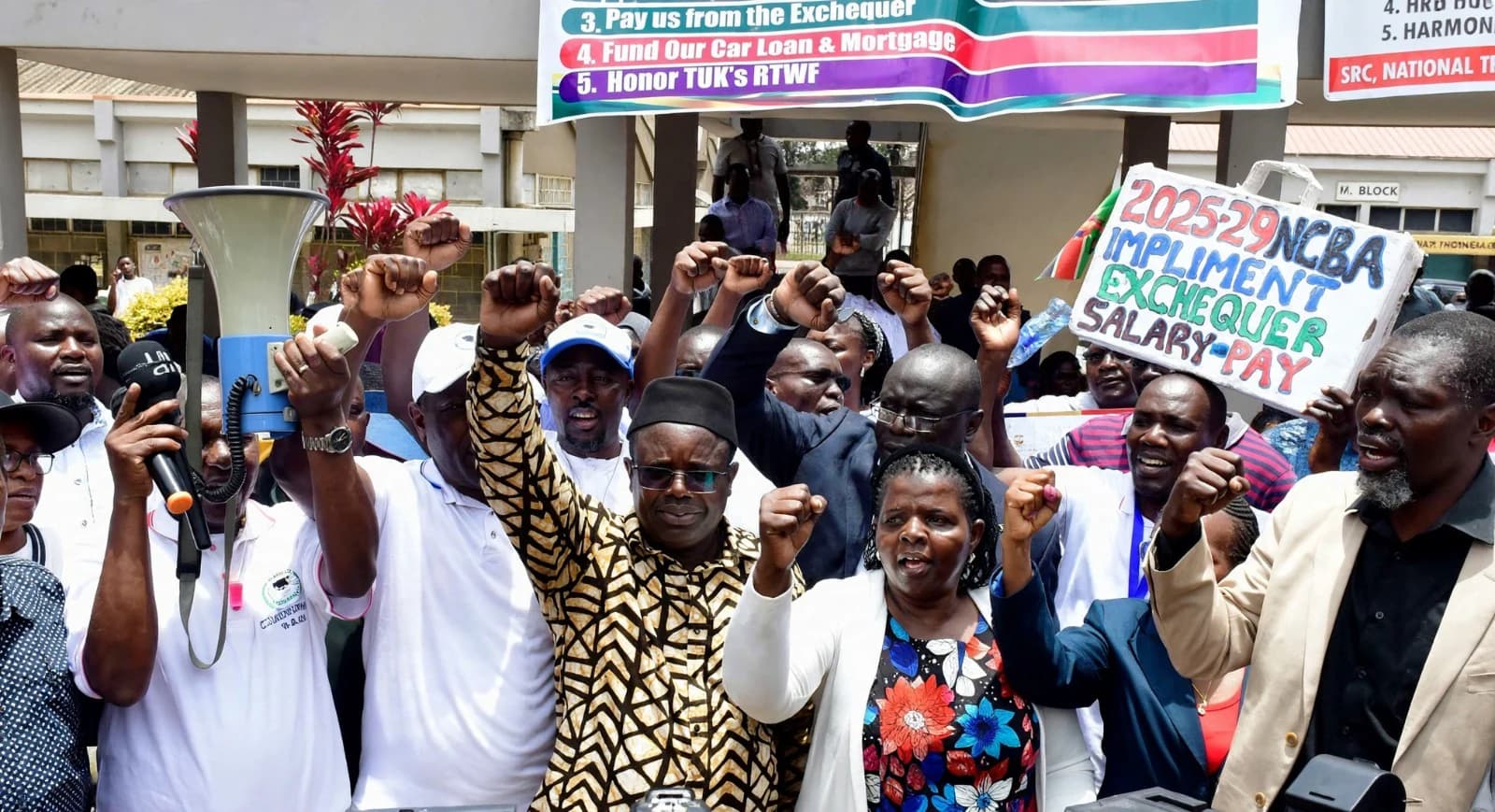
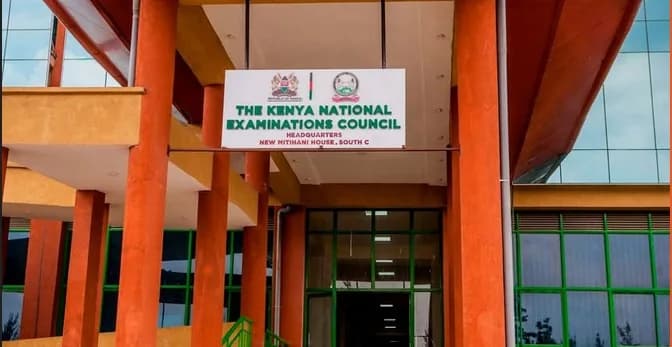

More than 700,000 students in public universities are counting the financial and academic cost of the ongoing lecturers’ strike, with learners facing mounting accommodation expenses, lost learning time and uncertainty over graduation dates.
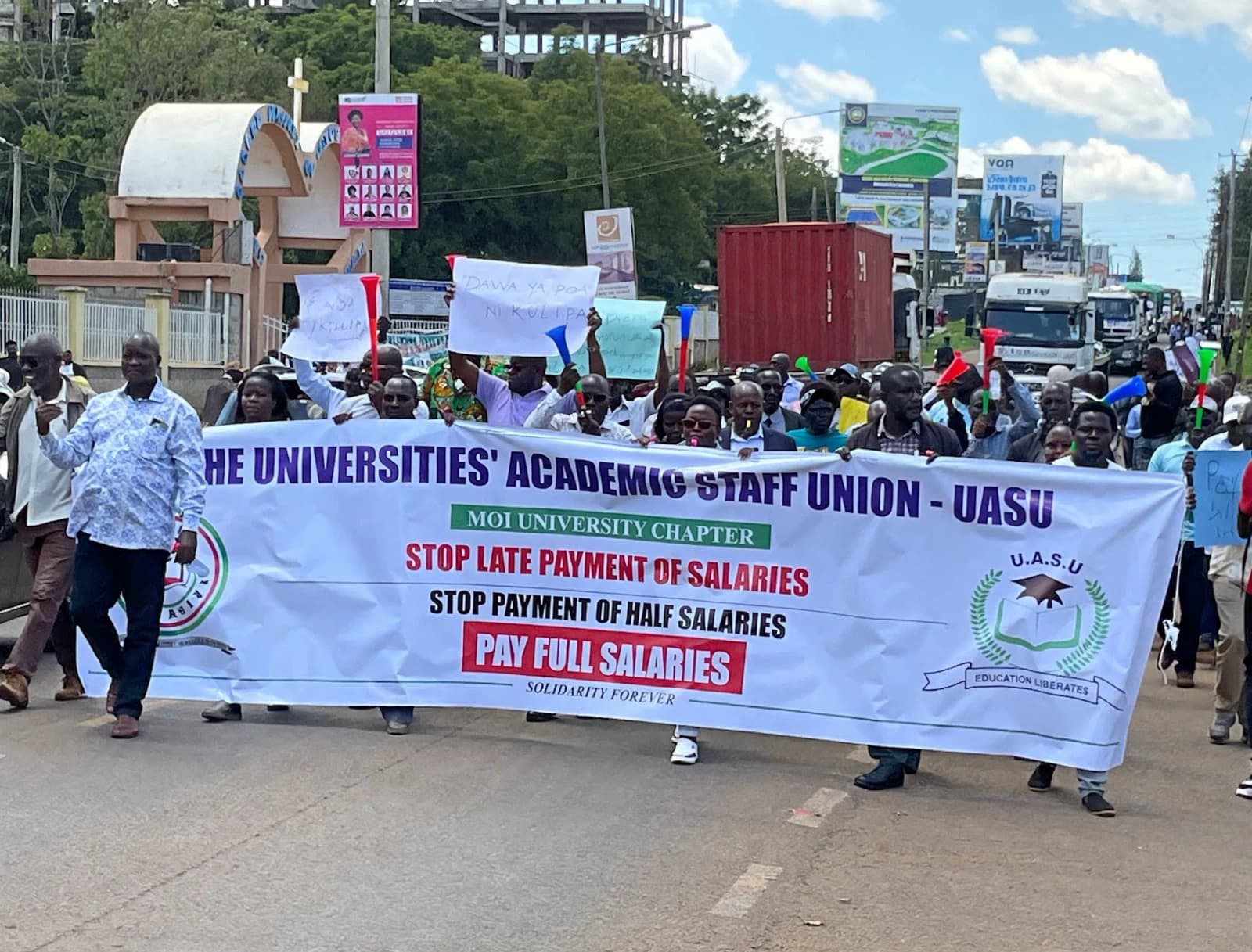
The industrial action, which began on October 2, has paralysed teaching in public universities, forcing students to remain idle even as their families continue paying for accommodation, food and other basic needs.
For students living off campus, the suspension of lectures has offered little financial relief. Rent, electricity, water and food bills continue to accumulate despite the absence of classroom activities.
Some learners have already paid accommodation fees for the entire semester, leaving them struggling to justify the expenses as the dispute between university staff unions and the government drags on.
The situation has also created uncertainty for final-year students, many of whom fear that delayed lectures, examinations and academic assessments could push back their graduation dates and disrupt plans for employment or further studies.
The strike has exposed the vulnerability of students who depend on carefully planned academic calendars to complete their studies within the expected period.
For first-year students, the disruption has interrupted the transition into university life barely weeks after the academic year began, leaving many uncertain about when normal learning will resume.
Unions reject government's pay proposal
The dispute pits university staff unions against the government over the implementation of the 2025–2029 collective bargaining agreement (CBA), which covers salaries and other employment benefits.
The Universities Academic Staff Union (UASU), Kenya Universities Staff Union (KUSU) and the Kenya Union of Domestic, Hotels, Educational Institutions, Hospitals and Allied Workers (KUDHEIHA) have rejected the government's latest financial proposal, insisting that it does not adequately address their demands.
The unions maintain that lecturers and other university employees cannot return to work without a satisfactory agreement.
Negotiations between the unions and the government collapsed on October 12, prolonging the stalemate and leaving students with no clear timeline for the resumption of classes.
The unions have also raised concerns over salary adjustments, allowances, promotions and the funding of public universities, arguing that the proposed allocation is inadequate for the four-year agreement.
The government, however, maintains that it has cleared arrears under previous collective bargaining agreements and remains committed to resolving the dispute through negotiations.
Education Cabinet Secretary Julius Migos Ogamba has urged lecturers to resume teaching, while the unions insist that outstanding issues under the current agreement must be resolved.
Families face additional financial burden
As the impasse continues, students and their families face the prospect of paying additional living expenses if the semester is extended.
Universities may also be forced to adjust examination schedules, graduation dates and subsequent academic calendars to recover lost teaching time.
The strike has renewed calls for the government and university staff unions to reach a lasting settlement, with students bearing the immediate consequences of the prolonged dispute despite having no direct role in the negotiations.
For thousands of learners, the urgent concern is no longer only when lectures will resume, but also how they will meet their expenses and recover the academic time lost while the two sides remain deadlocked.

Reader Discussion (0)
Sign in to comment