


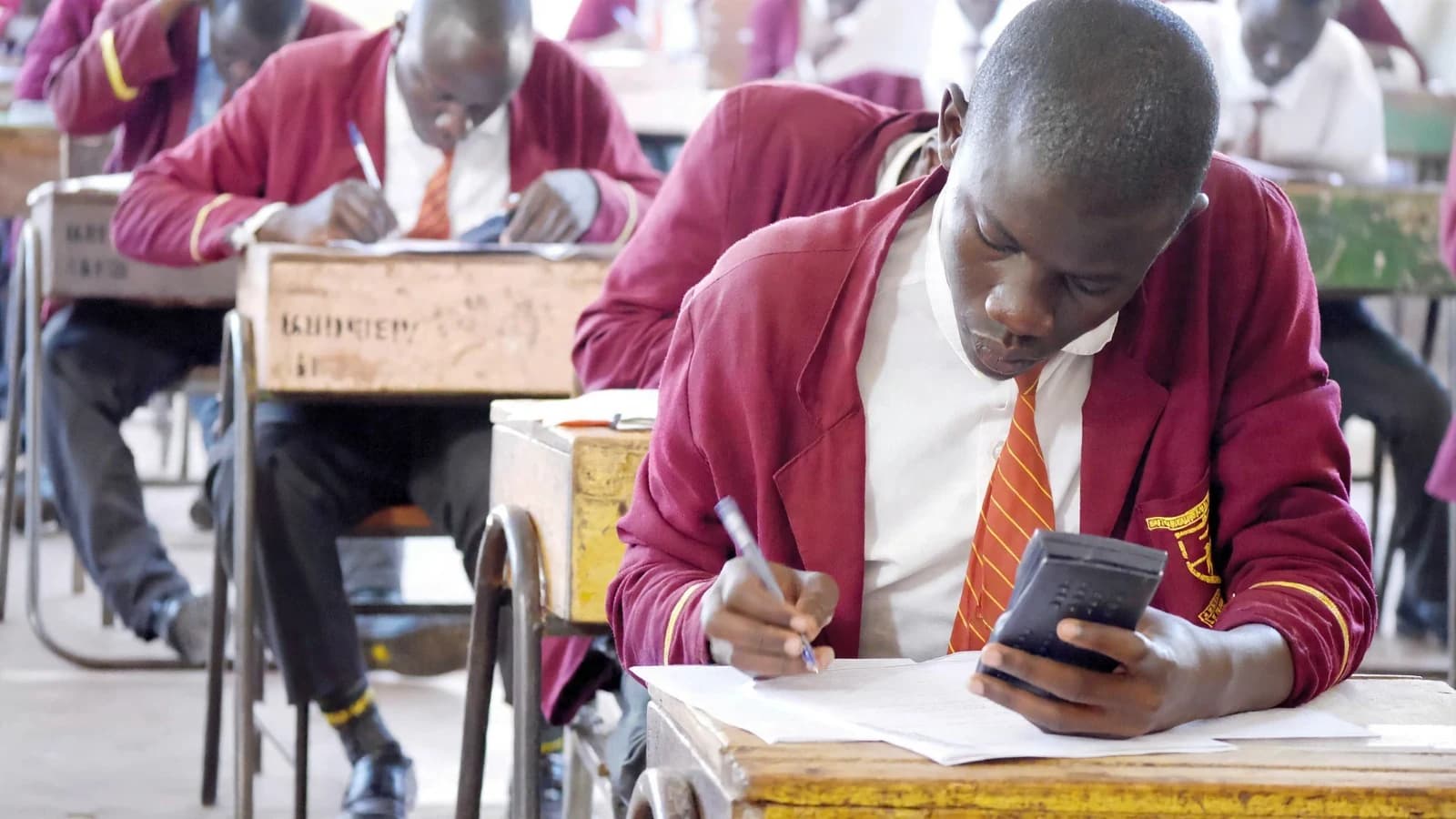




The Ministry of Education has warned candidates and examination officials against photographing and circulating Kenya Certificate of Secondary Education (KCSE) papers, saying new security technology can help investigators trace leaked images to specific examination centres, rooms and candidates.
Education Cabinet Secretary Julius Ogamba said the Kenya National Examinations Council (KNEC) has incorporated special security features into the papers to make it easier to identify the source of any leaked material. He said the papers have been serialised and fitted with anonymous identification indicators that enable investigators to establish where an image was captured and the candidate or centre associated with it.
Ogamba warned that anyone involved in photographing or sharing examination papers risks exposing themselves, other candidates and examination officials to investigations.
"Because of the anonymous indicators within the script, we can tell almost immediately that it was this student, in this room in this centre. For that to happen, it means somebody must have dropped the ball," he said.
He said the technology is part of measures aimed at sealing loopholes that have previously been exploited to compromise the integrity of national examinations. He cautioned candidates against assuming that sharing materials through digital platforms would conceal their identities.
The Directorate of Criminal Investigations (DCI) has deployed specialised officers to work alongside KNEC in investigating suspected malpractice. They are expected to respond to reported cases, investigate suspected leaks and apprehend those involved.
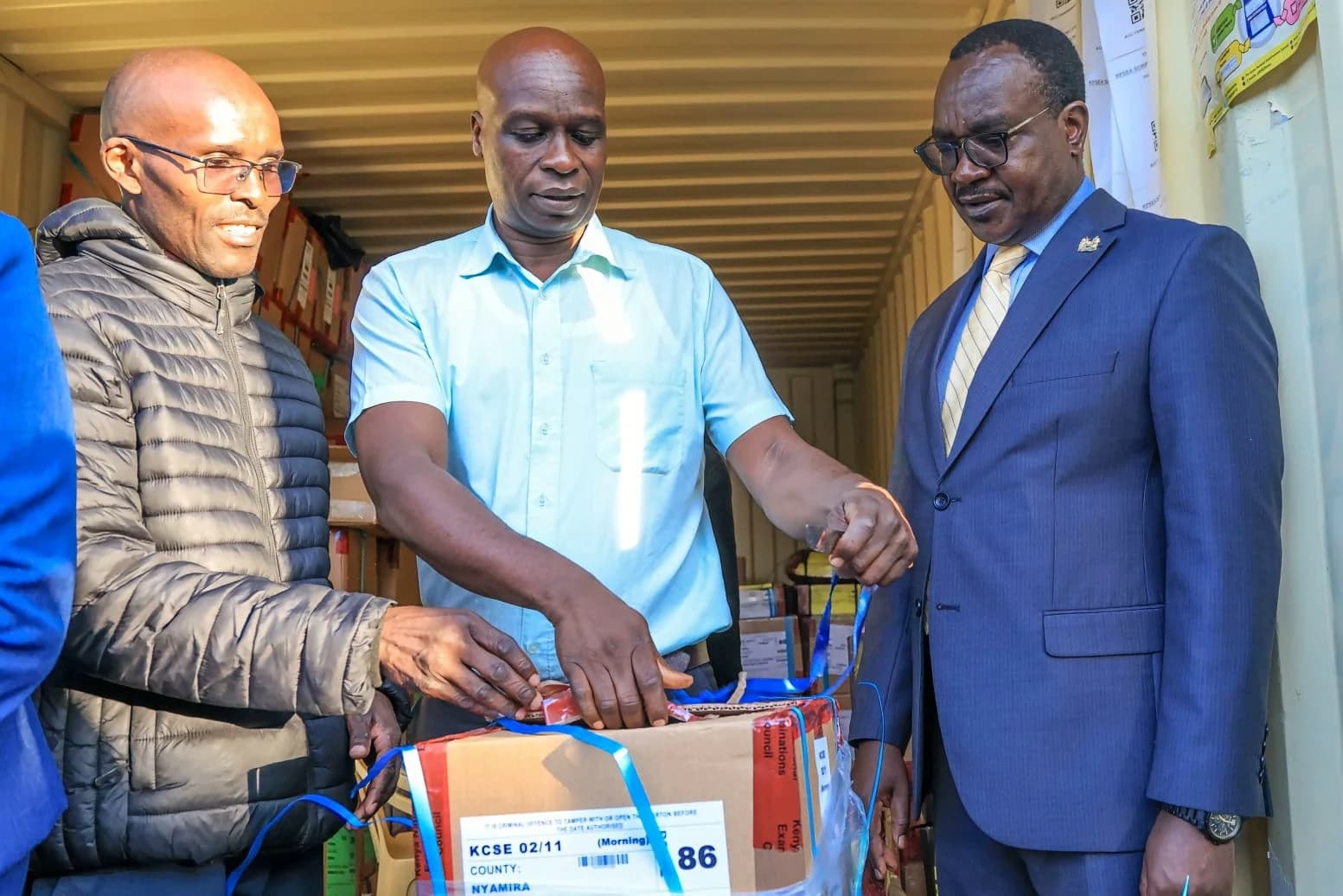
The government has also introduced smart padlocks on examination containers, enabling authorities to monitor them remotely and receive real-time alerts whenever they are opened or tampered with. Other measures include colour-coded cartons for morning and afternoon papers to minimise distribution errors, and personalised papers bearing individual candidates' details. The personal details are removed before scripts are submitted for marking, to protect candidates' identities and minimise possible bias among examiners.
At least two police officers have been deployed to every examination centre to reinforce security and ensure compliance with examination regulations.
The 2026 KCSE written examinations began on Monday, November 2, with the government maintaining tight security around examination materials and warning candidates against carrying unauthorised electronic gadgets into examination rooms.


Reader Discussion (0)
Sign in to comment