




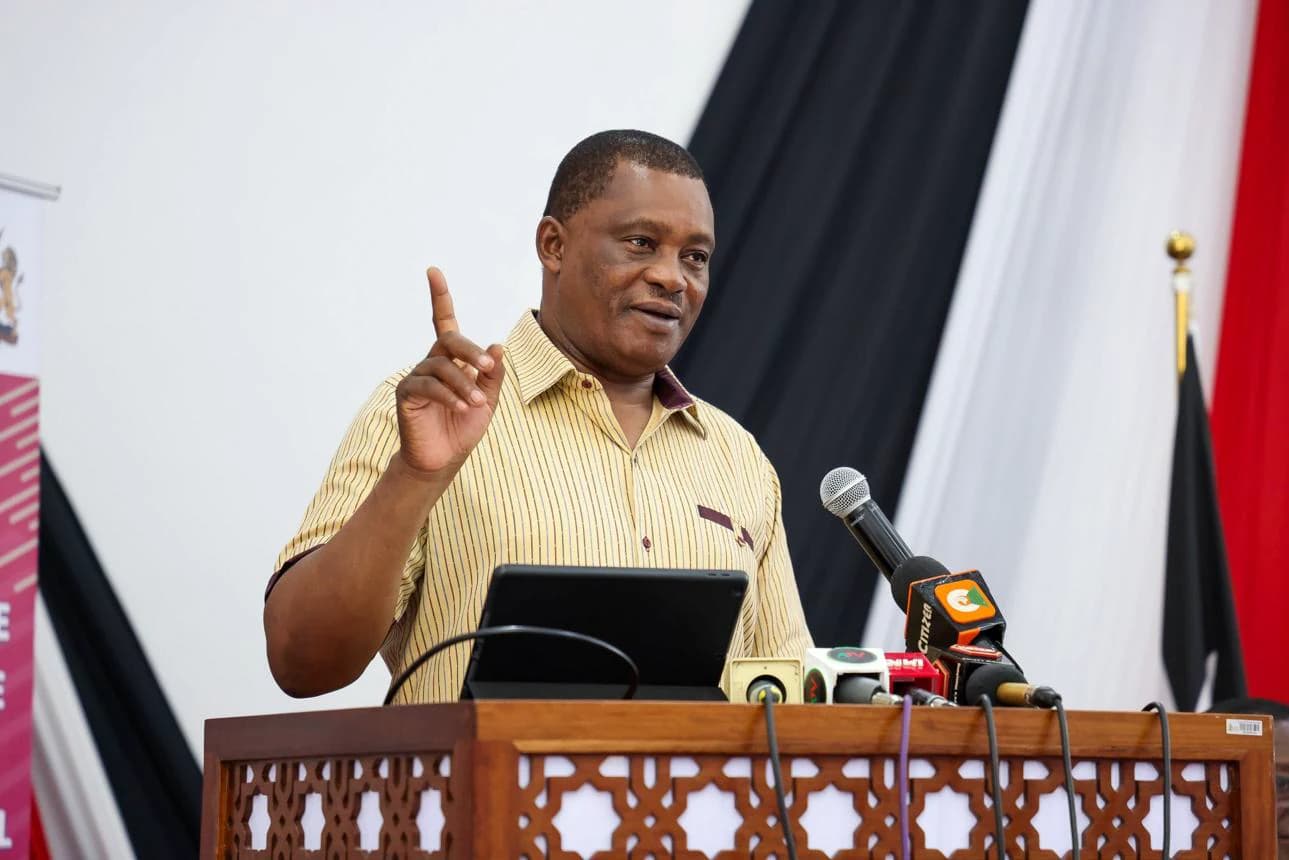
Retirement planning should begin the day a teacher receives an appointment letter, not when the final working day draws near. Yet the demands of teaching, family responsibilities, financial commitments and professional development often push this important consideration to the margins.
For teachers with ten years remaining before retirement, the time has come to take stock. This is an opportunity to review financial decisions, safeguard personal health and prepare for life beyond the classroom.
After years of preparing learners for examinations and life beyond school, teachers must also prepare for their own future. Retirement requires more than pension benefits; it calls for financial discipline, good health, psychological readiness and a clear sense of purpose. As the saying goes, a stitch in time saves nine. The final decade of service offers an important opportunity to correct course while there is still time.
A realistic retirement plan begins with an honest assessment of personal finances. Teachers need to understand their savings, outstanding loans, household expenses, pension entitlements and other financial commitments. The central question is whether the resources available after active service will adequately meet their anticipated needs.
This calls for greater financial discipline, particularly in relation to borrowing. Unnecessary loans, impulsive investments and poorly researched business ventures can place considerable pressure on retirement income. Teachers should consider reducing expensive debt, building sustainable savings and seeking reliable financial advice. Not every loan is unwise, but borrowing without a clear repayment strategy can undermine years of hard work.
The need for careful planning is reinforced by Kenya's Retirement Benefits Authority (RBA). Its 2024 Pensioner Survey, published in February 2025, examined the experiences of recent retirees and highlighted continuing financial responsibilities, including supporting dependants. Retirement planning must therefore account for family obligations as well as personal expenses. A teacher who fails to anticipate these commitments may find that retirement income is stretched thinner than expected.
Health, insurance and life beyond employment
Financial security, however, is only one dimension of a successful retirement. Health deserves equal attention. Teaching can involve demanding workloads, long hours and sustained emotional pressure, sometimes leaving professionals with little time to attend to their own well-being. Regular medical check-ups, physical activity, adequate rest and healthy habits should become priorities well before retirement.
Medical insurance requires particular scrutiny. Teachers should establish what medical cover will remain available after retirement and whether additional insurance may be necessary. Any policy under consideration should be assessed for premiums, exclusions, waiting periods, benefit limits and long-term affordability. The TSC should provide clear guidance on applicable post-retirement medical arrangements so that teachers can make informed decisions before leaving service.
Another consideration is the need to develop meaningful activities beyond salaried employment. Retirement does not have to mean economic inactivity. Teachers possess valuable professional experience that can be applied in mentoring, educational consultancy, writing, training, farming or carefully researched business ventures.
Nevertheless, the prospect of earning additional income should not encourage reckless investment. A promising idea is not necessarily a profitable enterprise. Teachers should research opportunities, acquire relevant skills and, where practical, test their plans on a manageable scale while still employed. The objective is to create options, supplement retirement income where possible and remain productive without placing accumulated savings at unnecessary risk.
Equally important is psychological preparation. For many teachers, school provides more than employment; it offers routine, professional identity, social connections and a sense of responsibility. Retirement changes these familiar patterns, and some individuals may struggle with loneliness or uncertainty about how to organise their time. Others welcome the freedom and pursue interests they had postponed for years.
Research on retirement planning emphasises the importance of preparing for this transition rather than concentrating exclusively on finances. Teachers can ease the adjustment by maintaining friendships, strengthening family relationships, developing hobbies and participating in meaningful community activities. They should also discuss expectations with their families, particularly where retirement may change household income, living arrangements and responsibilities.
A professional title is only one part of a person's identity. The knowledge, experience and relationships accumulated over a teaching career remain valuable long after leaving formal employment.
TSC urged to strengthen retirement preparedness
Practical preparation must also extend to employment records and retirement procedures. Missing documents or unresolved discrepancies can complicate the processing of retirement benefits. Teachers should verify their employment history, pension records and other relevant documentation well before their final year of service. They should also establish the procedures applicable to their employment category and seek clarification from the appropriate offices where necessary.
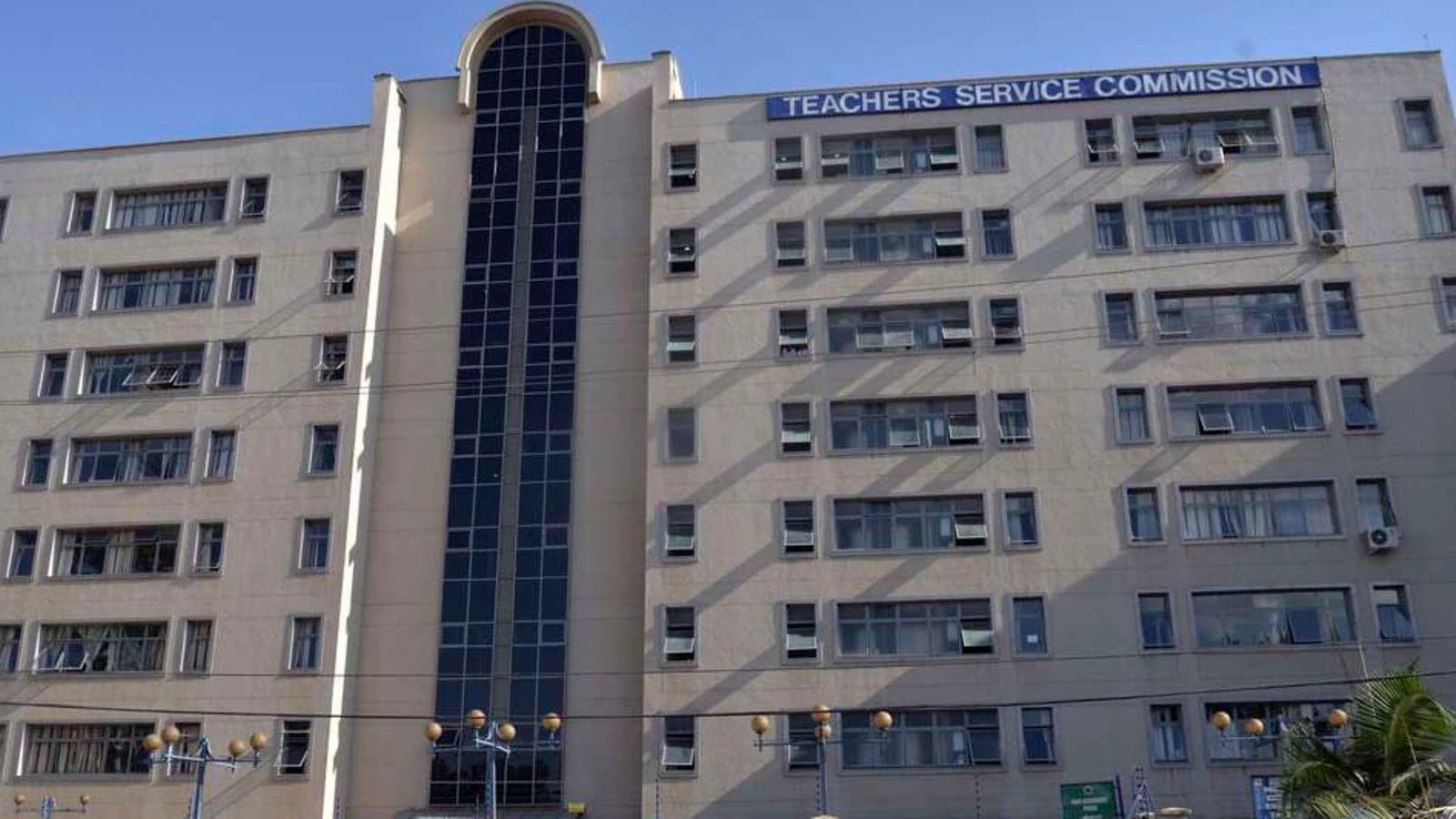
However, retirement preparedness should not rest entirely on individual teachers. The Teachers Service Commission has an important role in promoting financial literacy and providing accessible guidance throughout a teacher's career. Structured seminars, individual counselling and clear communication on pension processing and post-retirement medical arrangements would help teachers make informed decisions early enough to benefit from them.
Those with ten years remaining in service need practical guidance while they still have time to adjust their plans. Teachers approaching retirement may require more specialised assistance. Retirement education should therefore be integrated into teacher welfare and career management instead of being treated as a last-minute administrative exercise.
The Bible offers a fitting principle in Proverbs 21:5: “The plans of the diligent lead surely to abundance.” Careful planning cannot eliminate every difficulty, but it can reduce avoidable risks and provide greater control over the future.
For teachers with ten years left in service, the message is clear: review your finances, reduce unnecessary debt, protect your health, understand your insurance options, cultivate interests beyond the classroom and put your records in order.
Retirement planning begins at recruitment, but it must be reviewed as circumstances change. The ten-year countdown is an important checkpoint—a chance to reassess priorities and prepare deliberately for the years ahead.
Teachers have invested their careers in developing human capital and contributing to national progress. They deserve to approach retirement with dignity, informed choices and a realistic plan for life after employment.
The best time to prepare for retirement was yesterday; the next best time is today.
Email: jackiekebongo@gmail.com


Reader Discussion (0)
Sign in to comment