





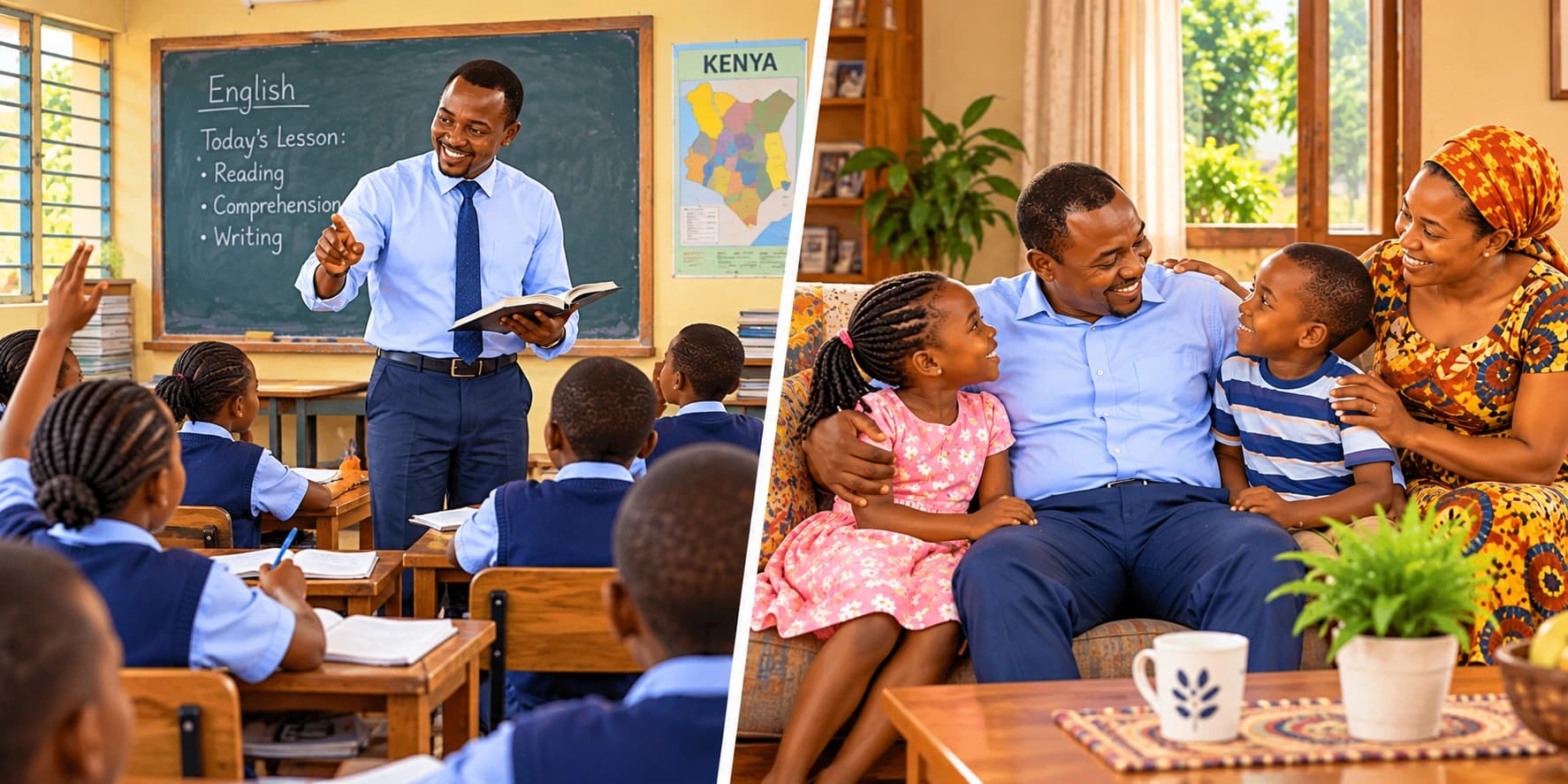
After decades of preparing lessons, marking books, managing classrooms, adapting to changing education policies and supporting learners, many teachers reach their 60s carrying responsibilities that extend far beyond the school gates. At home, some are still supporting adult children, raising young children or caring for grandchildren while managing household expenses and family expectations.
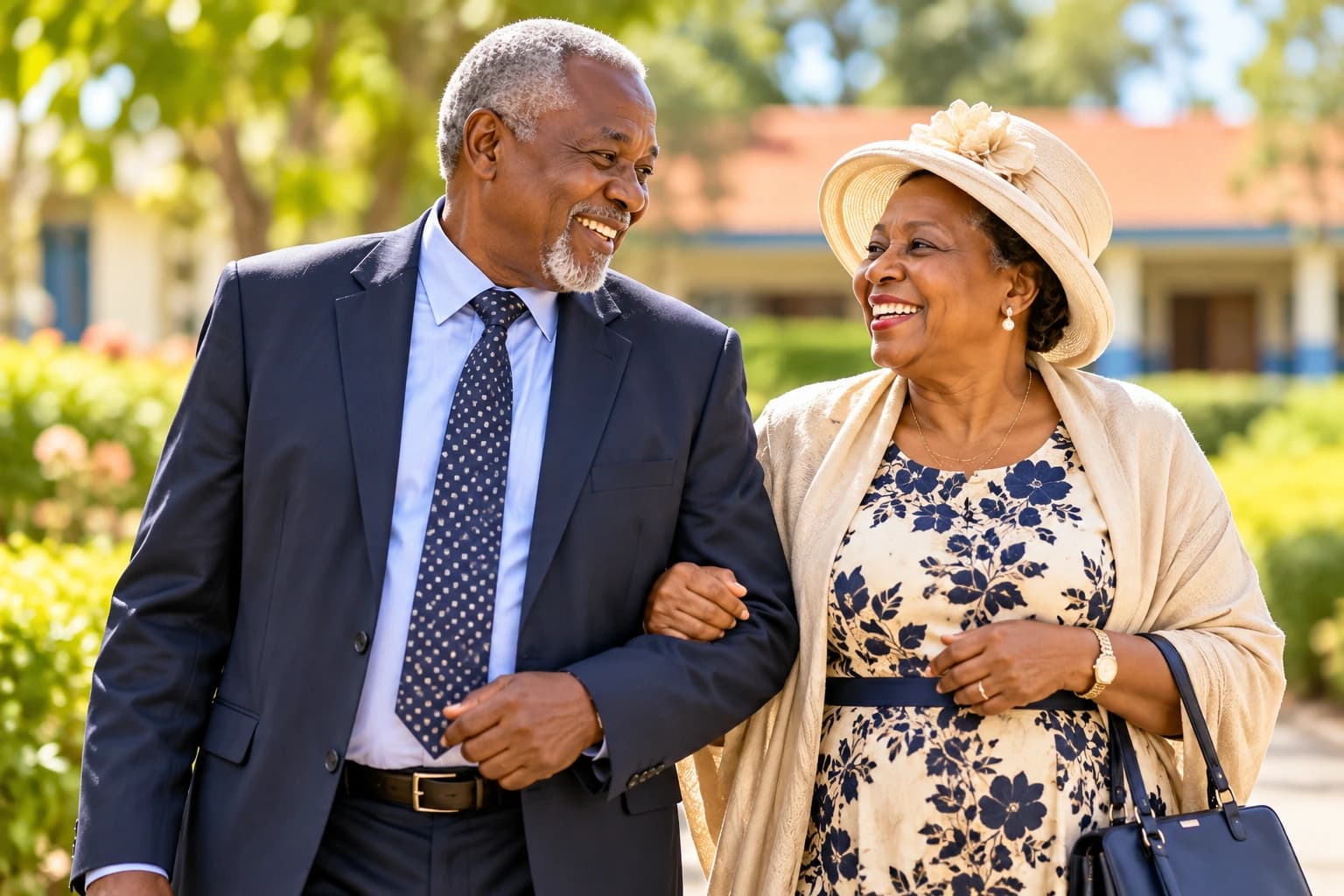
For those who choose to marry or remarry at this stage, the decision may be less about starting life afresh than finding a companion with whom to share life's burdens, protect their peace and enjoy the years ahead.
Why would a teacher marry or remarry at 60, when retirement may be approaching and the demands of professional and family life have already consumed decades? Why begin another relationship after raising children, paying school fees, supporting relatives and navigating life's disappointments?
The answers vary. Some people prefer to remain single, while others believe love and companionship remain possible at any age. For some, however, the decision comes down to something increasingly precious: peace of mind.
After decades of giving, who takes care of the teacher?
Teaching is more than entering a classroom, delivering a lesson and going home. It involves lesson preparation, marking, meetings, changing education policies, parental concerns and helping learners navigate academic and personal challenges.
Outside school, many teachers raise children, pay household bills, support extended families and manage personal struggles that rarely appear in their professional records.
Some have endured broken relationships, bereavement, financial pressure and years of putting other people's needs ahead of their own.
By the time they approach 60, they may have accumulated professional achievements and valuable life experience. Yet they may also be emotionally exhausted by constant demands and unnecessary conflict.
They are not necessarily tired of people. They may simply be tired of relationships in which they must continually fight to be understood, respected or appreciated.
For such individuals, marriage later in life can represent the hope of sharing responsibilities with someone who understands that love should bring support, not another burden.
Why are some people still raising young children at 60?
Some people wonder why older adults, including teachers approaching or past 60, are still raising young children, caring for grandchildren or taking on demanding family responsibilities.
Family life does not always follow a predictable timetable. Some people have children later in life, remarry partners with young children or become heavily involved in raising their grandchildren.
Caring for children can bring immense joy. Grandchildren can strengthen family bonds, restore excitement and give older adults a renewed sense of purpose.
The problem is not the child, the baby shawl or the willingness to help family members. The difficulty begins when responsibility becomes endless, support becomes scarce and the person doing the giving has no room left to rest.
An older adult may be happy to help a child or grandchild but still need time for personal interests, a relationship, financial planning and relaxation.
When childcare, financial demands and family disputes become overwhelming, the emotional burden can leave little energy for anything else.
Some people approaching 60 therefore want a partner who understands that helping family members must be balanced with protecting one's own well-being.
After years of caring for everyone else, they may be asking a simple question: Who is looking after me?
Marriage at 60 is not always about loneliness
There is a tendency to assume that people who marry or remarry later in life are lonely, desperate or afraid of living alone. That assumption is unfair.
A person can be financially independent, emotionally mature and comfortable in their own company while still wanting someone with whom to share life's remaining chapters.
Some have lost spouses and, after grieving, feel ready to love again. Others have experienced divorce or separation. Some have spent years living independently before deciding that companionship would enrich their lives.
They may want someone to share meals, conversations, travel, family celebrations and the quiet moments that make ordinary life meaningful.
They may also want the reassurance of knowing that someone cares about their well-being, notices when they are struggling and is willing to stand beside them when life becomes difficult.
Wanting companionship at 60 does not mean a person has failed at independence. Independence and human connection can coexist.
Peace does not mean silence
At this stage of life, peace may become a major consideration when choosing a partner. But peace should never be confused with submission, silence or tolerating mistreatment.
A healthy relationship allows both partners to express themselves, disagree respectfully and make decisions without intimidation or humiliation.
After years of managing classrooms, responding to competing expectations and navigating family pressures, some teachers may not want a home that feels like another workplace filled with endless conflict.
They want mutual respect, honest communication, appreciation and shared responsibility. They want to raise concerns without every disagreement becoming a battle and to care for someone without being taken for granted.
A peaceful marriage does not mean one person always gives in. It means both understand that the relationship must protect their dignity.
Adult children, money and family boundaries
Marriage at 60 also requires practical thinking.
Pensions, property, savings, household expenses, medical care and responsibilities towards adult children should be discussed openly before major commitments are made.
Some adult children welcome a parent's new relationship. Others may fear losing attention, financial support or their expected share of family property.
These concerns should be addressed honestly, without allowing relatives to dictate every decision about an adult's personal life.
Neither partner should be expected to surrender financial independence as proof of love. Both should understand their obligations and agree on reasonable boundaries.
Helping children and grandchildren is important, but it should not mean sacrificing every personal ambition or the opportunity to build a healthy partnership.
Older adults remain entitled to make decisions about their own lives.
After a lifetime of fighting battles, they deserve care too
Not every teacher wants to marry at 60. Some prefer independence, and that choice deserves respect. Others discover that a loving partnership can bring companionship, comfort and a renewed sense of purpose.
The important thing is to choose freely, understand the responsibilities involved and seek a partner whose values and expectations are compatible.
Age alone does not guarantee a successful marriage. Trust, financial transparency, communication, respect and the willingness to share responsibilities matter at every stage of life.
Ultimately, the desire for peace is not a demand to escape every family obligation. It is a recognition that responsibilities must be shared and caregiving should not become a lifetime sentence to exhaustion.
The teacher who has spent decades educating learners, raising children and supporting relatives is still a human being with personal needs, hopes and dreams.
The person raising young children may also need someone to hold their hand. The grandparent helping everyone else may also need emotional support. The professional who has spent a lifetime being strong may finally want a place where strength is not constantly demanded.
Perhaps the real question is not why some teachers marry at 60. It is why society sometimes struggles to accept that, after a lifetime of giving, they too deserve companionship, happiness and peace.
At 60, the search for love is not necessarily a search for someone to complete a life. It may be a search for someone with whom to enjoy the life one has worked so hard to build.



Reader Discussion (0)
Sign in to comment