

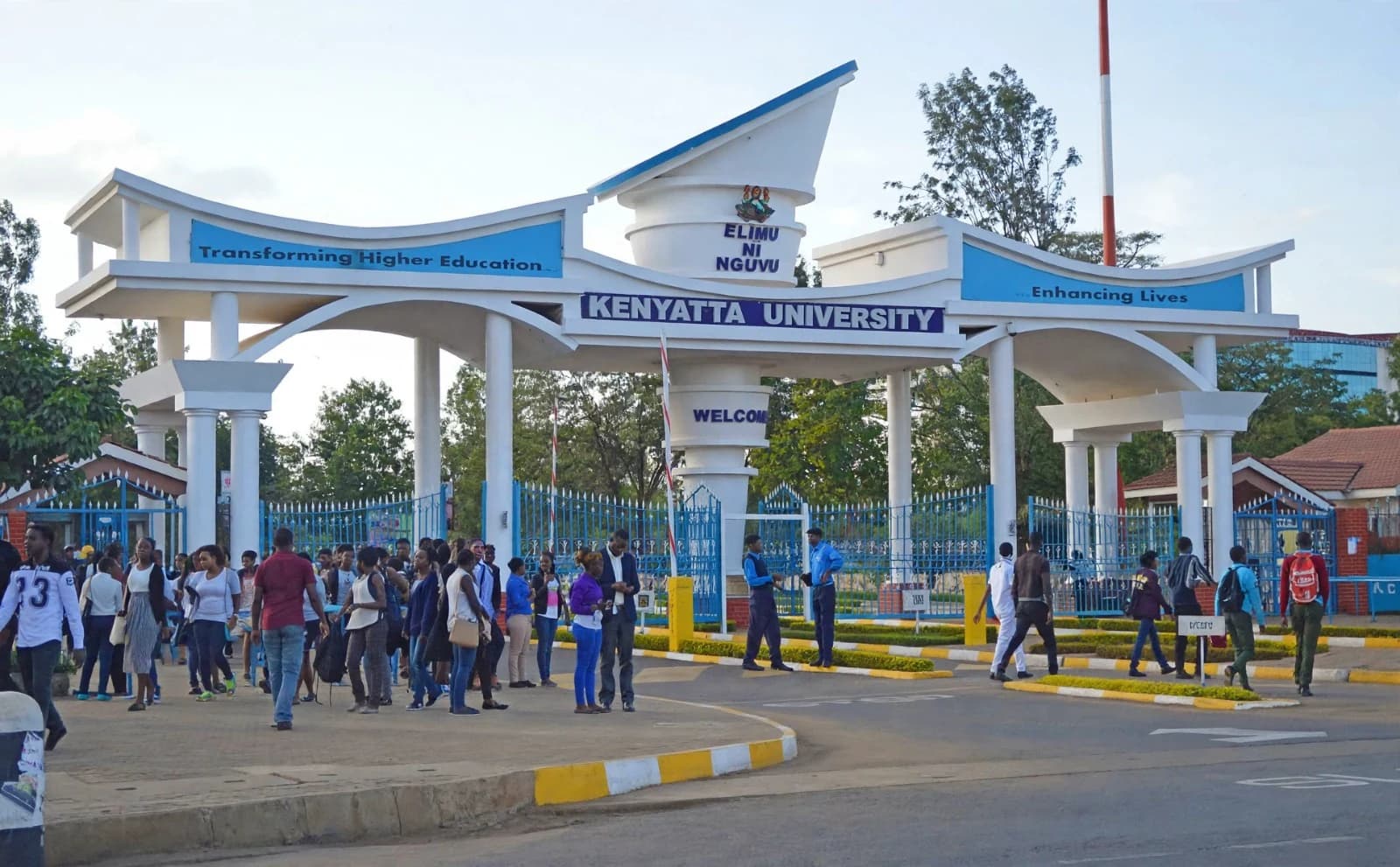
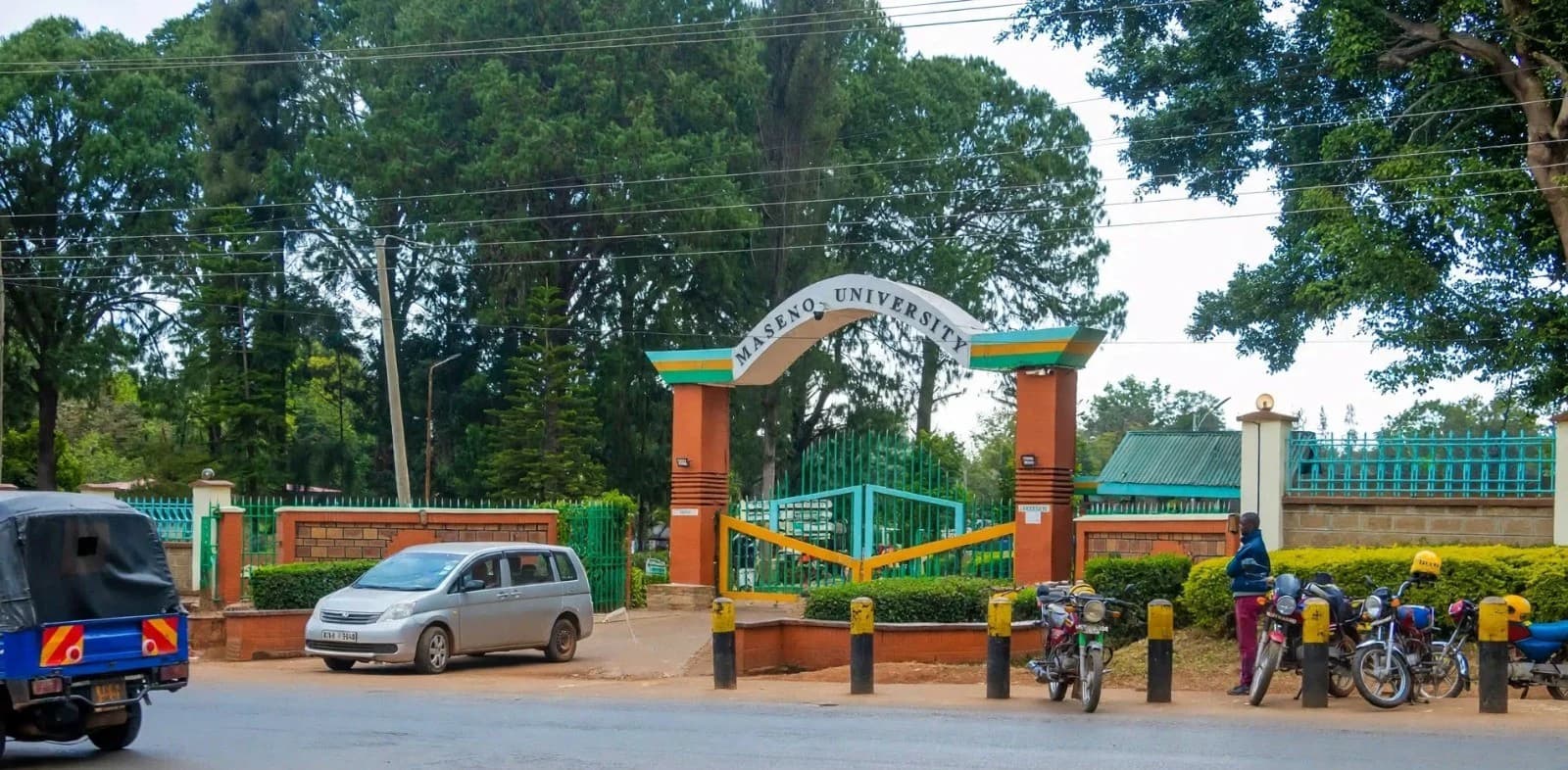

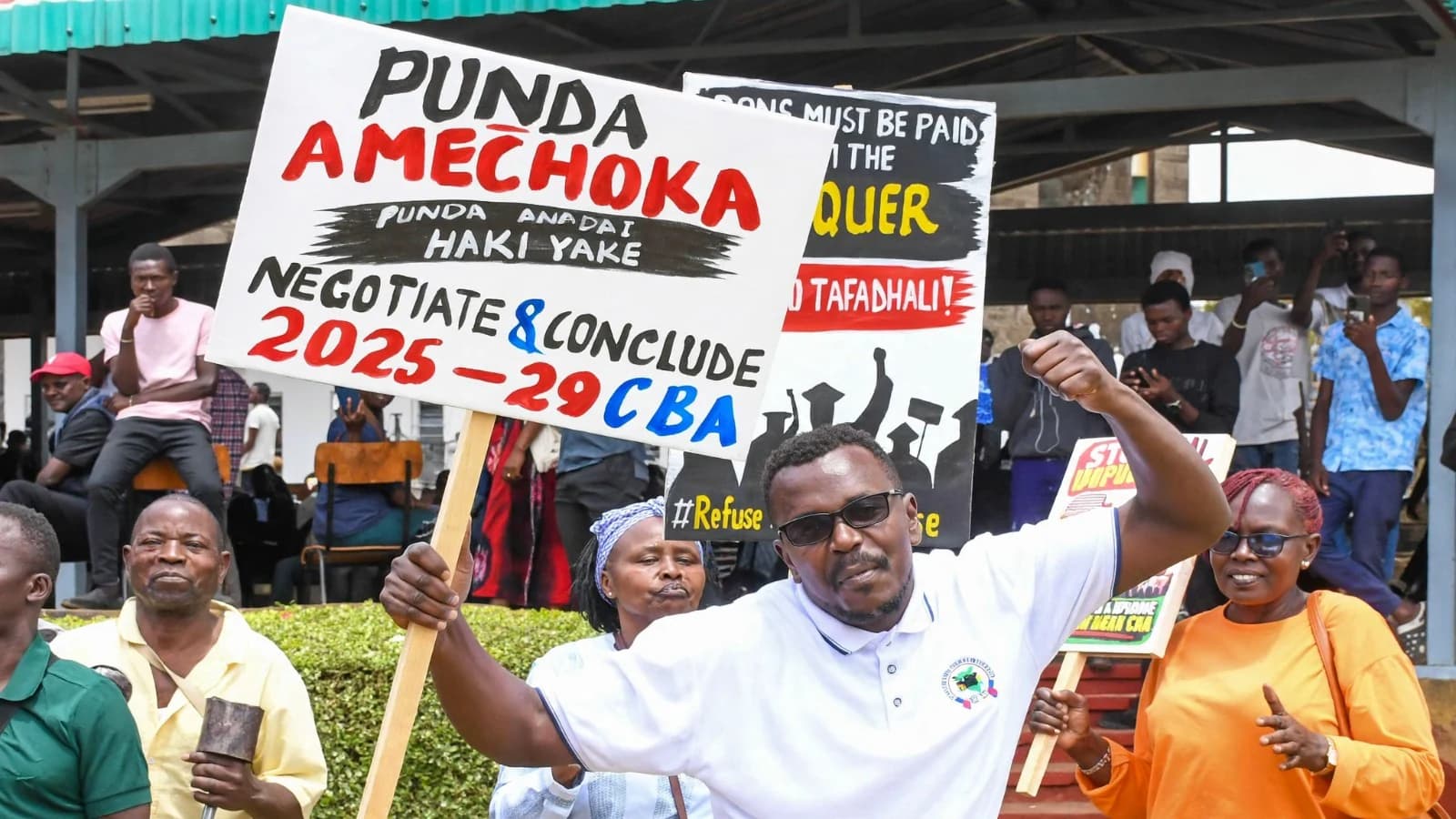
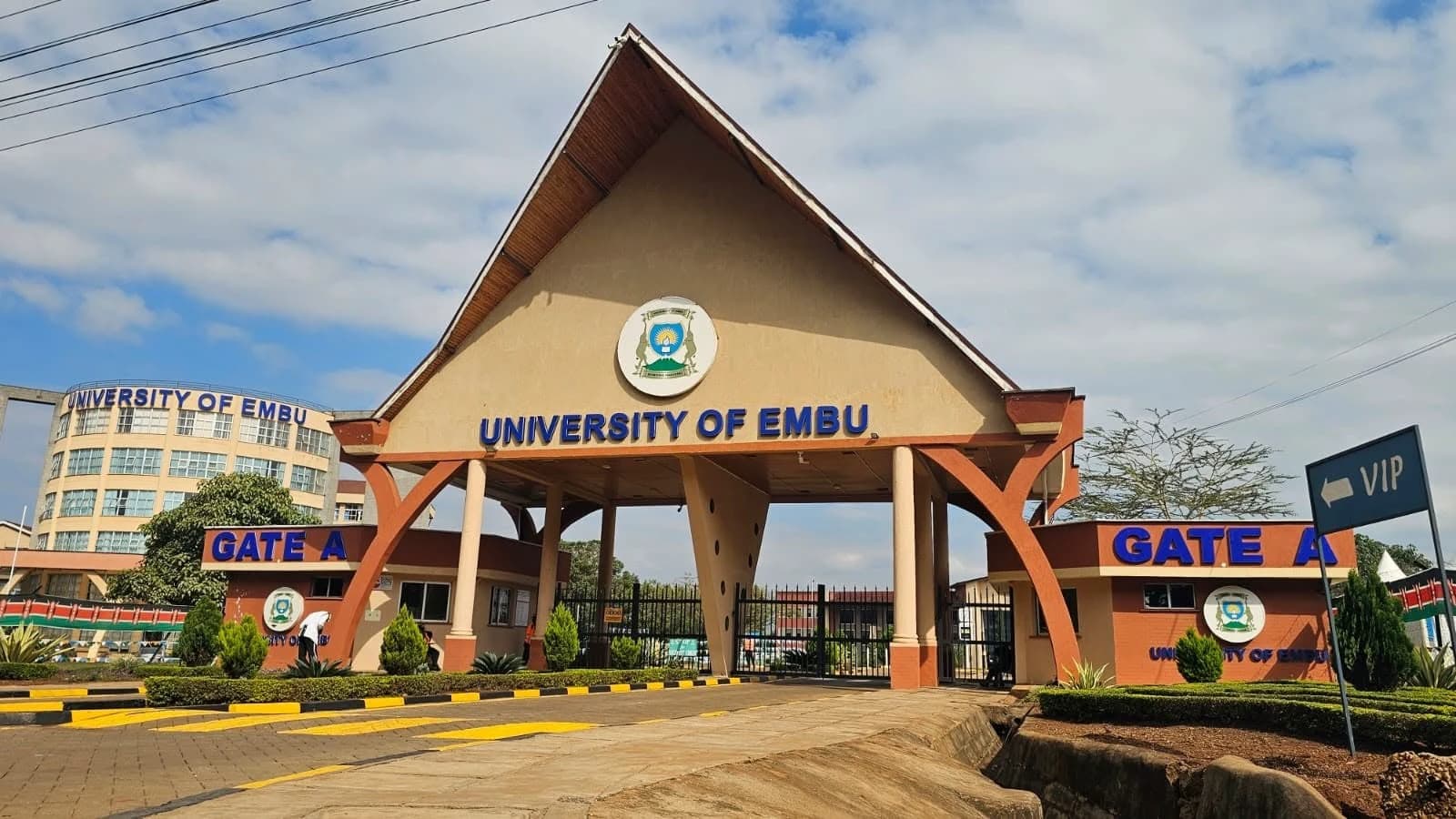
Thousands of students in public universities face prolonged disruption to their studies as a dispute over salaries, allowances and funding for a new collective bargaining agreement (CBA) continues to stall efforts to end a nationwide staff strike.
The strike, which began on October 2, has paralysed learning in public universities. The Universities Academic Staff Union (UASU), the Kenya Universities Staff Union (KUSU) and the Kenya Union of Domestic, Hotels, Educational Institutions, Hospitals and Allied Workers (KUDHEIHA) say they will not resume work without a satisfactory deal.
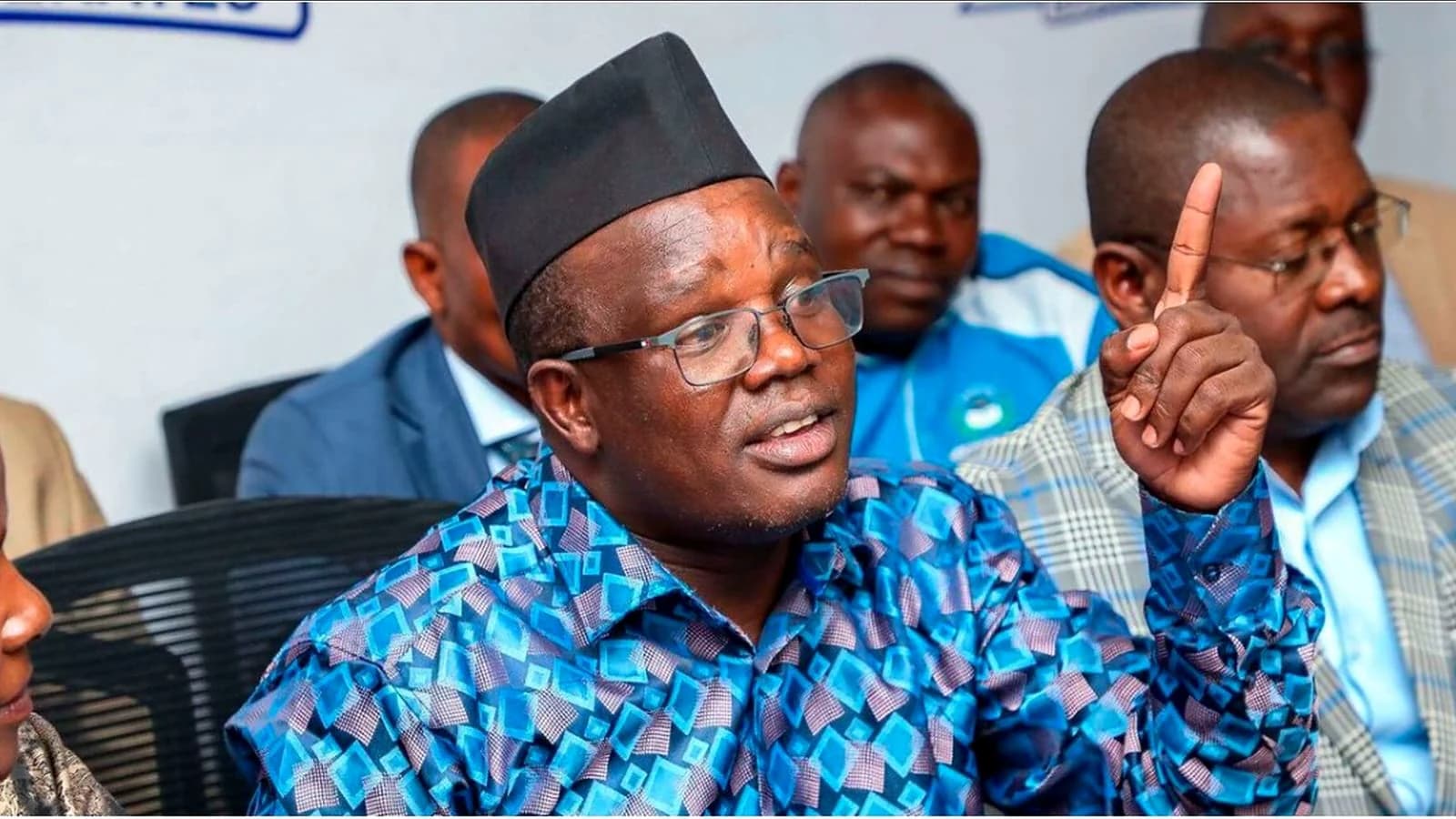
Negotiations between the unions and the government collapsed on October 12 after workers rejected the latest proposal for the 2025–2029 CBA, saying it did not address their demands. The unions accuse the government of presenting an offer that largely repeated an earlier proposal. UASU Secretary-General Constantine Wasonga said the counteroffer was inadequate and could not form a credible basis for ending the strike.
The unions have also cited the absence of National Treasury representatives from the talks as a major obstacle, insisting that the ministry must take part in discussions on how the agreement will be financed.
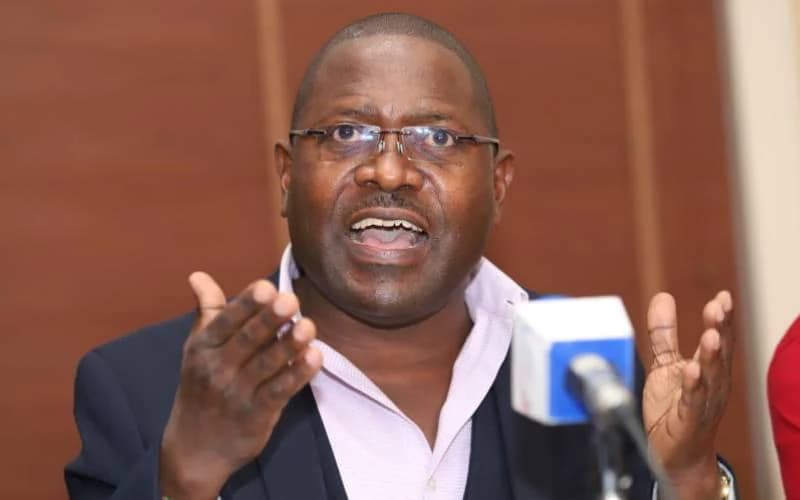
At the centre of the dispute is a proposed allocation of Sh9.76 billion for the four-year agreement, which the unions consider insufficient. They argue that any salary adjustment should reflect inflation, rising living costs and the erosion of purchasing power. KUSU Secretary-General Charles Mukhwaya said an increase of about three per cent would not adequately cushion university employees against the rising cost of living.
The unions are also calling for improved housing, commuting and medical allowances, staff promotions, recruitment of additional lecturers and better access to car loans and mortgages. They oppose proposals that could see staff salaries financed through student fees, saying the government should provide a clear and sustainable funding arrangement.
The dispute persists despite a return-to-work agreement signed in November 2025, which committed the parties to concluding negotiations within 30 days.
The stalemate is raising concerns over the academic calendar, with examinations, graduations and scheduled teaching programmes facing possible delays. Students who had recently reported for the new academic year are among those affected, with many unsure when lectures will resume. Those in university hostels continue to incur accommodation, food and other upkeep costs despite the interruption of classes.
The government has maintained that it is committed to resolving the dispute through dialogue while taking into account the financial position of universities and the State. The unions say a better offer and concrete commitments on implementing the CBA are necessary before they can call off the strike.
With no settlement yet, students and parents remain uncertain about when normal learning will resume in public universities.
Reader Discussion (0)
Sign in to comment