Members of Parliament (MPs) are pressing the government to establish a distinct and transparent career progression framework for Junior School (JS) teachers, amid concerns over promotion opportunities, administrative authority and professional recognition.
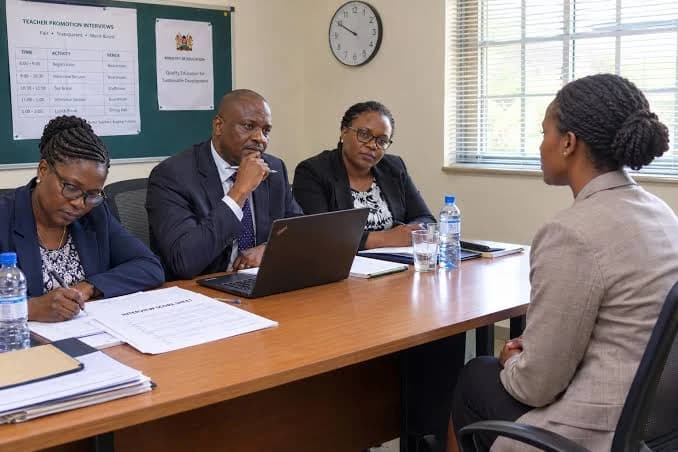
Nandi Woman Representative Cynthia Muge has asked the Ministry of Education to clarify how teachers serving in junior schools will advance in their careers, particularly those working within primary school compounds under the existing administrative structures.Nandi County Woman Rep Cynthia Muge-Photo|CourtesyThrough the National Assembly Education Committee, Muge wants the ministry to explain what it is doing to align JSS teachers' qualifications, professional experience and responsibilities with available promotion opportunities. She has also sought clarification on the qualifications and criteria used to appoint headteachers and deputy headteachers, including how academic credentials and seniority are considered.
The issue arises from the integration of Grades 7, 8 and 9 into primary school institutions, where junior school teachers and their primary school counterparts work under the same roof despite differences in training, qualifications and teaching responsibilities. Most JSS teachers hold university degrees and specialised training in secondary school subjects, while many primary school administrators followed different professional pathways, which has raised questions about leadership appointments in institutions hosting both levels.(Education News Kenya — https://educationnews.co.ke/news/mps-push-for-distinct-career-structure-for-junior-school-teachers)
The lawmakers warn that failure to address the concerns could leave some junior school teachers feeling disadvantaged and could undermine their motivation and limit their professional growth.
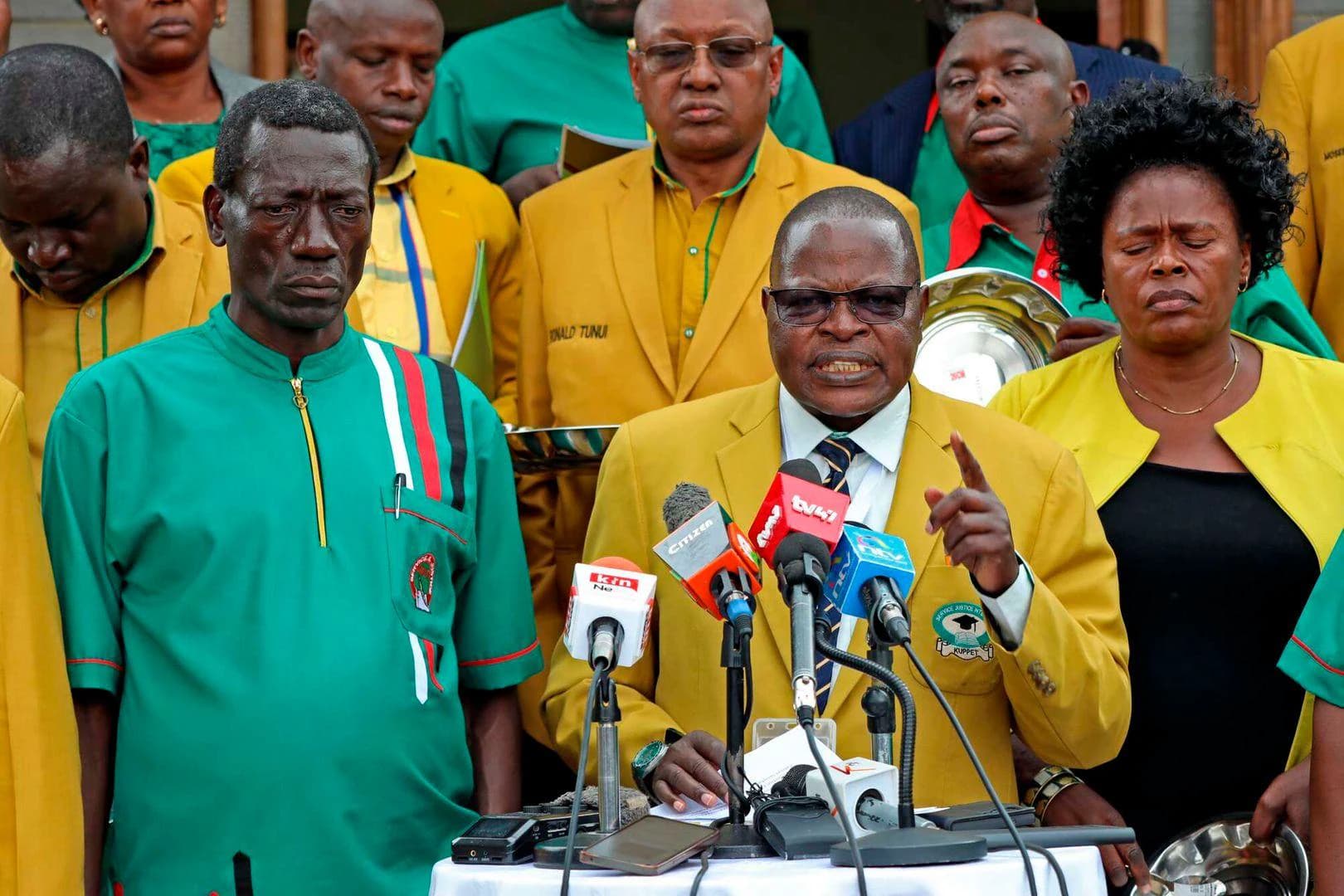
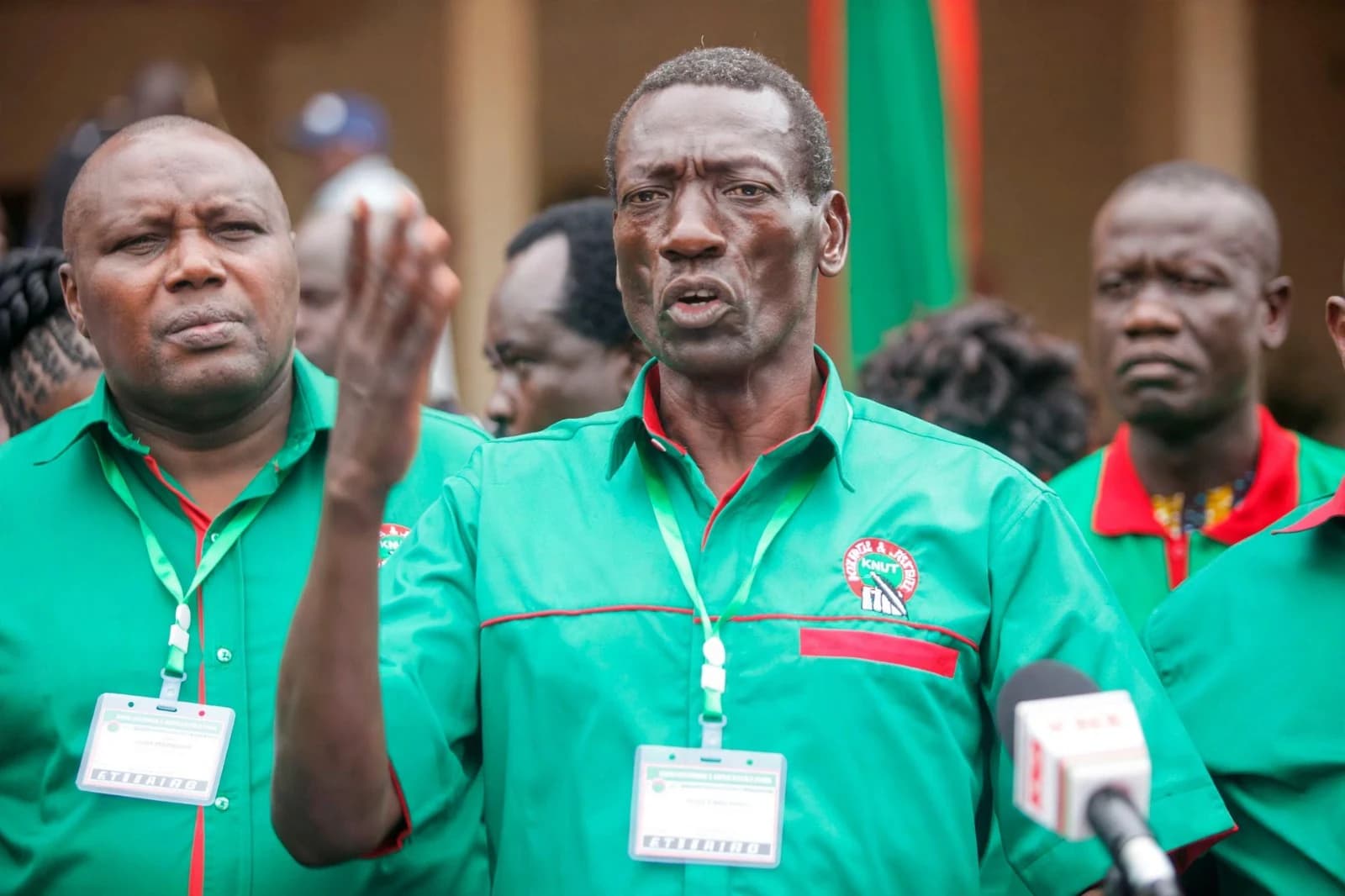
Teachers' organisations remain divided on whether junior schools should operate independently or remain part of comprehensive institutions covering Grades 1 to 9. The Kenya Association of Junior School Teachers and the Kenya Union of Post-Primary Education Teachers (KUPPET) have advocated greater administrative independence for junior schools, arguing that a separate structure would improve accountability, resource allocation and career development. The Kenya National Union of Teachers (KNUT) has defended the comprehensive school model, maintaining that primary and junior school sections should operate within a unified basic education system.
A clear framework would define reporting lines, promotion criteria and leadership responsibilities, easing competition for administrative positions and helping teachers understand the opportunities available to them. The Ministry of Education and the Teachers Service Commission (TSC) are under pressure to provide a lasting solution that recognises the distinct responsibilities of junior school teachers while promoting cooperation across the basic education system.
You can also follow our social media pages on Twitter: Education News KE and Facebook: Education News Newspaper for timely updates.
>>> Click here to stay up-to-date with trending regional stories
>>> Click here to read more informed opinions on the country's education landscape
>>> Click here to stay ahead with the latest national news.






Reader Discussion (0)
Sign in to comment